



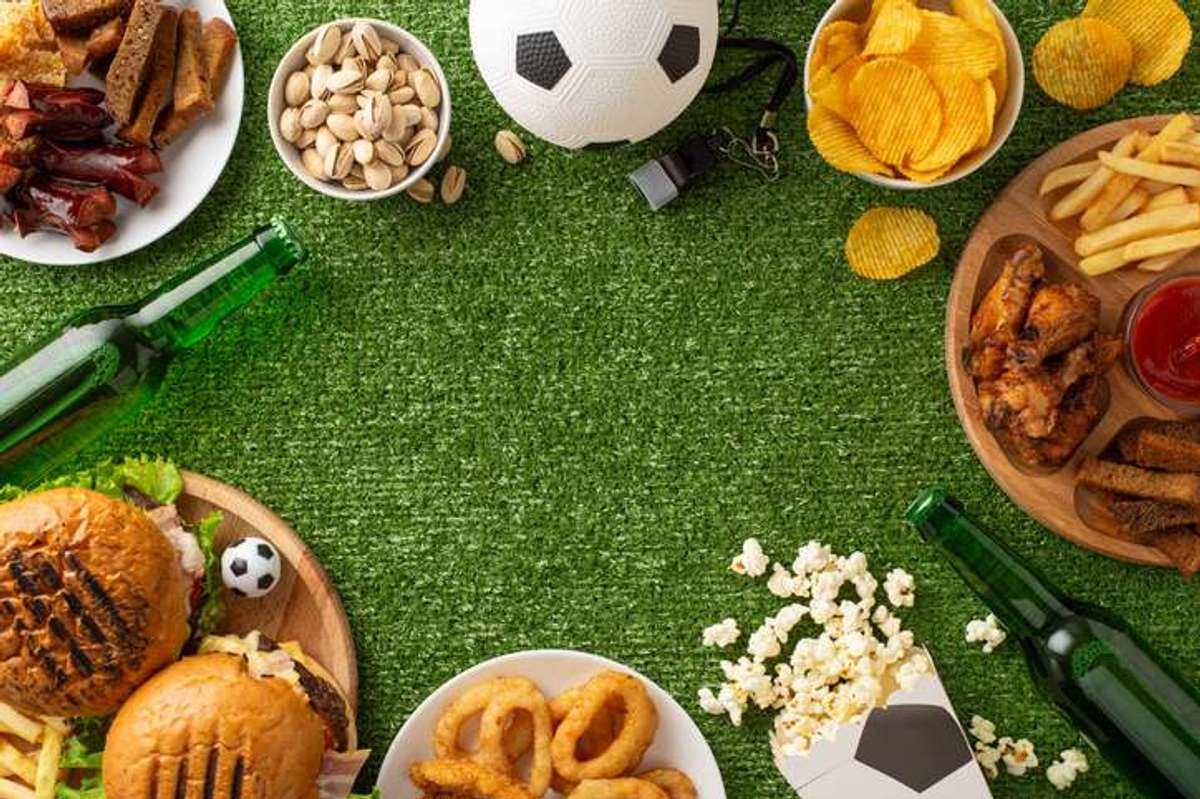

With an estimated 34 million people in the UK expected to watch at least part of the 2026 FIFA World Cup next month, and more than half (54%) planning to watch matches at home, grocery brands and retailers are being encouraged to plan well ahead to make the most of the sales opportunity presented by the tournament.
While alcohol, snacks and ready meals are expected to see a boost during the tournament, category management experts say retailers should also focus on products linked to home entertaining, including soft drinks, sharing platters, dips, pizzas, paper plates, disposable cups and household essentials.
According to Patrick Finlay, Managing Director of The Category Management Company, home-viewing occasions will extend beyond beer and crisps to soft drinks for the kids and non-drinkers, sharing platters and dips, extra kitchen roll, paper plates for the table, and disposable cups and more.
“The association between football and FMCG goes deep,” said Finlay. “The alcohol, snacks, and ready meal categories will all undoubtedly spike, but the scale of and domestic interest in this tournament demands that both brands and retailers think bigger than that.
“When 54% of adults are hosting, cooking, drinking, and entertaining in their own living rooms, perhaps repeatedly across a tournament that runs for weeks, the commercial opportunity extends beyond the obvious."
Finlay noted that many shoppers are likely to plan ahead for key fixtures, creating opportunities for retailers to drive larger basket spends through meal deals, sharing food promotions and linked purchases across categories.
He suggested that retailers should merchandise products around match-day occasions rather than individual categories, bringing together snacks, chilled food, drinks and disposable tableware to make shopping easier for customers.
The World Cup also presents an opportunity for stores to highlight premium and own-label ranges, particularly products designed for sharing occasions.
"Platters that feed a crowd, pizza deals, drinks bundles and loyalty offers aimed at hosts can all help retailers capture additional spend," Finlay said.
He added that retailers should also consider the UK's diverse communities when planning promotions, noting that supporters of teams such as Brazil, Argentina, Morocco, Mexico, Colombia and Senegal may create demand for products linked to different cuisines and match-day traditions.
"International food ranges and world food categories have a genuine role to play during the tournament," he said. "Retailers who understand their local customer base and tailor their offer accordingly can create a more compelling proposition."
According to Finlay, retailers that view the World Cup as a broader home-entertaining occasion rather than simply a sporting event are likely to benefit from stronger sales across multiple categories throughout the tournament.