



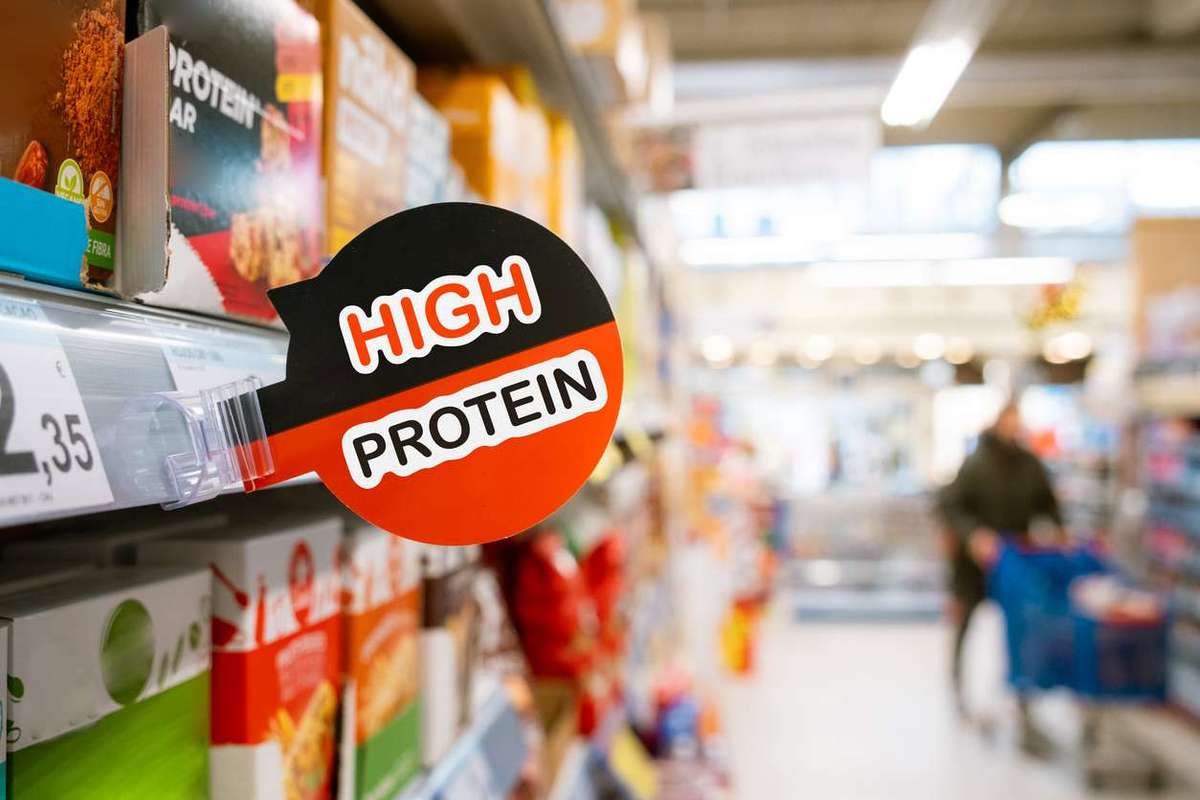

It is one of the quieter revolutions in British retail. No single moment announced it, but somewhere between the pandemic fitness boom and the TikTok supplement era, sports nutrition moved from the margins to the mainstream. Mintel research from last year captures where that journey has reached: up to three-quarters of UK consumers aged 16–34 now use these products.
More broadly, a large majority of all UK sports nutrition consumers use these products at least once a week – suggesting deep, habitual engagement rather than occasional dipping. And the appetite extends well beyond younger demographics: almost half of UK adults aged 55 and over who exercise find sports nutrition products supporting healthy ageing appealing.
These are not figures that any forward-looking convenience retailer can afford to ignore.
The transformation has been driven by a convergence of forces: a post-pandemic spike in health consciousness, the mainstreaming of fitness culture, and a surge of social media content placing supplements and performance nutrition firmly in the daily discourse of younger consumers.
And with the summer season bringing outdoor activity, beach holidays and a renewed focus on how we look and feel, demand for these products reaches a natural peak – though its foundations are now strong enough to sustain year-round momentum.
Consolidation at the top
Perhaps the clearest signal that sports and protein is no longer a niche play comes from the boardrooms of the world's largest food companies. The past few months have seen a succession of major acquisitions that are reshaping the competitive landscape of functional nutrition.
In March, French food giant Danone announced a definitive agreement to acquire Huel, the British maker of ready-to-drink shakes, powders and nutrition bars, for close to £870 million. Founded in 2014, Huel sells plant-based meal replacements, marketed as nutritionally complete, targeting time-poor and health-conscious consumers. The brand generated £214m in revenue in 2024 and has expanded steadily into retail across Europe and the US alongside its direct-to-consumer roots.
June brought two further landmark deals. French dairy giant Lactalis completed the acquisition of Liverpool–based protein shake and nutrition brand The Protein Works, founded in 2012 and generating annual revenues of around £56m. The business, which manufactures in Liverpool and sells primarily online, will retain its brand identity as part of Lactalis's expanding health and nutrition portfolio.
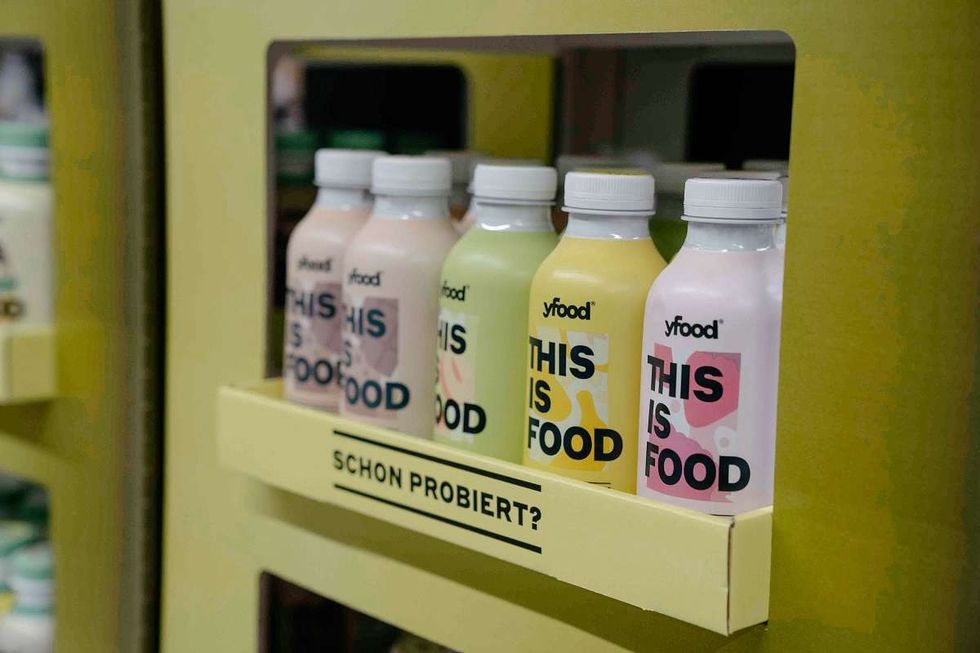 yfood products are available in 30 countries through more than 50,000 points of sale. Photo: yfood
Meanwhile, Nestlé moved to take full ownership of German smart food brand yfood – in which it had held a 49 per cent stake since 2023 – as the Swiss giant accelerated its ambitions in functional nutrition. Available in 30 countries across more than 50,000 points of sale, yfood generated sales of approximately €150m (£130m) in 2025, delivering double-digit year-on-year growth. Nestlé simultaneously announced the creation of a new Nutrition & Health division for its UK and Ireland operations, appointing Gordon Yule as its business executive officer to bring together its Nutrition and Nestlé Health Science teams.
The market for complete nutrition products was estimated to be worth £4.45 billion in 2025, according to Future Market Insights, with a projected compound annual growth rate of 6.5 per cent over the next decade. These acquisitions are not coincidental: they are a bet, by some of the most sophisticated companies in global food, on where the consumer is heading.
The energy behind the numbers
Within the broader sports and protein landscape, sports drinks are riding a wave that is pulling the entire soft drinks category upwards. The Sports & Energy category is now worth £3.1bn and growing at 11.1 per cent [Circana, MAT 07.03.26, symbols and independents]. Sports drinks account for nearly 10 per cent of that energy category, with the top two brands commanding 80 per cent of all sports drink sales.
The broader Talysis data places this growth in the wider context of the convenience channel. Sport & Energy drinks accounted for 42.4 per cent of soft drinks value in convenience in 2025 – ahead of carbonates at 29.5 per cent – and that share has continued to climb into 2026, reaching 44.4 per cent in the year to 1 March, versus 42.6 per cent in the same period in 2025. This represents £254m in sales year to date against £230m in the comparable prior period.
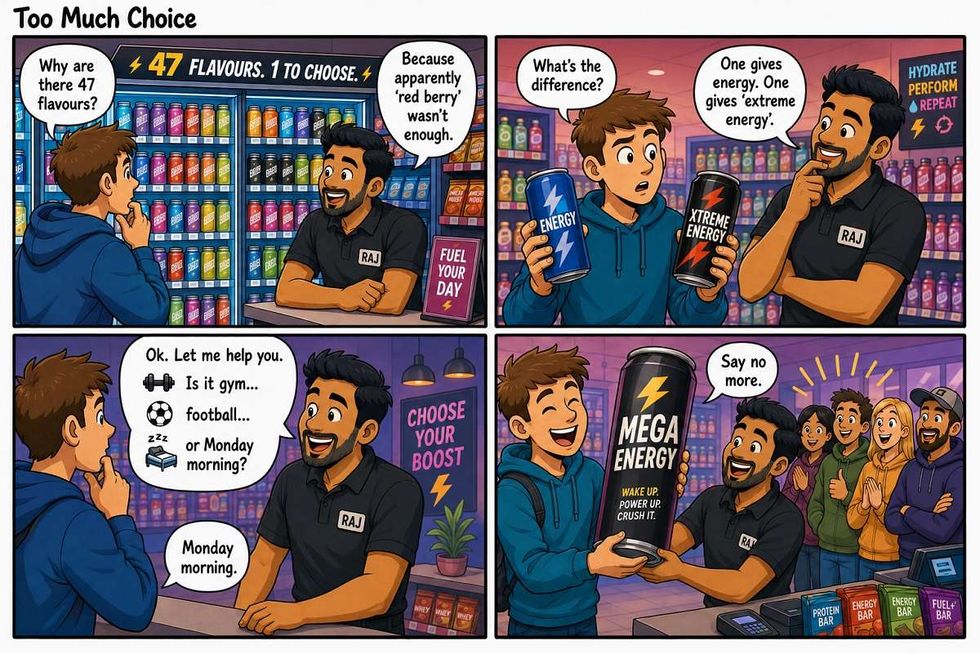 Cartoon by Andy Marino / AI generated image
Continuous innovation is credited as a key growth engine. Limited edition and new flavour launches keep the sub-category dynamic, bringing fresh footfall and impulse purchase opportunities that the broader convenience channel has found hard to replicate elsewhere. Convenience retailers are well placed to capitalise on this: the category thrives on chilled, visible, impulse-led execution, which plays directly to the strengths of the independent store format.
Summer momentum
AG Barr's Boost brand has established itself as the number two sports drink brand in the UK and is growing at over 14 per cent [Circana] – a performance that makes it a must–stock proposition for any retailer looking to build out their sports offering.
The brand is deepening its grip on the sports drinks fixture this summer with the launch of a limited-edition Tropical Punch flavour for its Boost Sport range, available in June as a 12 x 500ml case at a £1 price-marked pack. The move follows a track record of limited-edition flavours – Raspberry & Mango in 2023, Watermelon & Lime in 2024 and Cloudy Lemonade in 2025 – which the company says have delivered a 10 per cent uplift in sales over the past three years, appealing to the 40 per cent of consumers actively seeking new flavours [NIQ].
“Our Boost Sport Limited Edition flavours have been proven to drive excitement, delivering a 10 per cent uplift in sales over the past three years,” an AG Barr spokesperson said. “Tropical Punch will be supported with digital activation, sampling and bespoke toolkits for retailers available in June. We recommend that retailers prominently display the new Tropical Punch flavour next to other Boost Sport flavours in their energy fixture, to offer great tasting, great value choice to their shoppers and drive incremental sales.”
 Boost has introduced a limited-edition flavour to its sport range, tapping into rising demand for functional and refreshing beverages. Photo: AG Barr
The Tropical Punch launch arrives in the context of a wider, multi-million-pound campaign running across the UK and Ireland until July, positioning Boost as a “no-brainer” in the drinks category. The campaign covers out-of-home advertising, digital and social media, and on-street sampling reaching over 500,000 consumers, with a primary focus on 18-to-34-year-olds and a reach of over 20m consumers in total. It builds on Boost's multi-year sponsorship of the rugby Super League, which adds credibility within the performance sector.
Beyond sports drinks, Boost is also capitalising on the functional water boom. Functional water is growing rapidly – up 43 per cent year on year and 121 per cent over the past three years [IRI& Circana] – with 30 per cent of functional water shoppers choosing electrolytes. In January 2026, Boost launched Boost Water+, a zero-sugar electrolyte water range in Cherry, Citrus, and Strawberry & Peach flavours, available exclusively through the convenience channel at a £1 price-marked pack. Consumer research found that 94 per cent of respondents loved the taste and over 90 per cent said they would buy the product.
Football fever
With the FIFA World Cup 2026 now in full swing – the largest tournament in the competition's history, spanning 48 teams and more than 100 matches – Coca-Cola Europacific Partners is giving convenience retailers a compelling reason to invest in sports drinks space.
Powerade has launched a limited-edition FIFA Playstyles range, available in 500ml bottles and featuring two new flavours: Attack (a spicy citrus variant) and Defend (a floral citrus option). The launch comes as Powerade continues to outperform the wider advanced hydration category, with value sales up 25.9 per cent year on year, reinforcing its position as the number two sports drink brand in Great Britain.
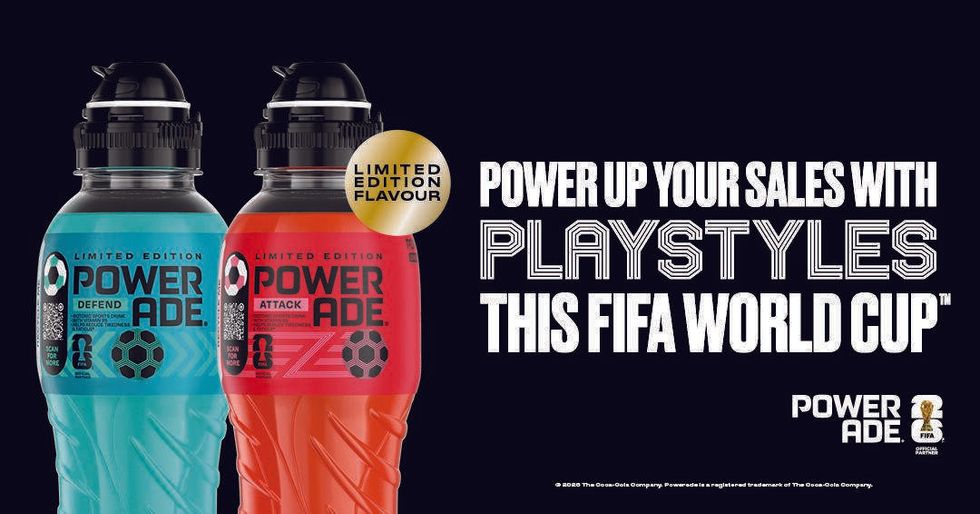 Powerade kicks off FIFA World Cup 2026 with launch of Playstyles and on-pack promo Photo: Handout
Rob Yeomans, Vice–President, Commercial Development at Coca–Cola Europacific Partners GB, was clear about the opportunity the tournament represents: “Football – and especially the FIFA World Cup – is one of the most powerful cultural moments for shoppers, delivering both mass reach and real commercial impact in store. With the tournament set to be the biggest ever, it provides a huge platform for retailers to engage shoppers at scale. With Playstyles, we're bringing something genuinely new to the fixture, using bold flavour innovation to tap into that excitement and give shoppers a reason to engage with the category.”
CCEP notes that football reaches close to 80 per cent of the UK population, making it the leading passion point for younger consumers, particularly Gen Z shoppers. The company also underlines that sports drinks are the number one impulse category within soft drinks – an important piece of context for convenience retailers planning their chiller layouts around this summer's tournament.
A nationwide on-pack promotion, running until 5 July across Powerade Mango, Berry and FIFA Playstyles packs, allows shoppers to scan QR codes for the chance to win instant prizes including footballs and branded merchandise, as part of Powerade's global Power Your Fate campaign.
The Grenade effect
If sports drinks dominate the chiller, protein bars and shakes are rewriting the rules of the snacking fixture. The protein bar segment is worth £163.2m and growing at six per cent versus the previous 52 weeks [Circana]. Protein shakes are growing even faster, up 52 per cent in double–digit category growth, with Grenade's shakes contributing to 62 per cent of that growth in forecourts, symbols and independents [Nielsen].
Grenade, the UK's leading protein bar brand, is the dominant force in this space, holding eight of the top ten protein bars. Luke Morgan, Head of Convenience and Wholesale at Grenade, describes a category that has matured and expanded in its appeal: “Protein bars and shakes continue to hold more than 96 per cent of category value. Consumers are buying protein bars for a variety of reasons. The primary driver is the amount of protein the bar contains, with 42 per cent of consumers looking for bars that contain 20g or more protein. With 20g or more protein in all of the Grenade 60g bars and 330ml protein shakes, our range caters towards this appetite for high–protein products.”
Morgan also highlights the role of format in driving penetration. Grenade's 35g bar – currently sitting in the top ten best-selling protein bars – packs all the flavour of the wider range at a smaller eat and a lower price point, making it an effective entry point for new snackers. “This format also works well for on-the-go snacking throughout the day,” he notes.
On visibility, Morgan is direct about the opportunity independent retailers may be missing. “With one in five shoppers saying they can't see protein bars where they shop, retailers are missing out on a sales opportunity, as protein bars have a high profit-on-return of more than 40 per cent.” He recommends merchandising protein snacks alongside traditional confectionery, crisps, and food-to-go – or adjacent to soft drinks – as impulse-led positions rather than tucked away in a niche health-food section.
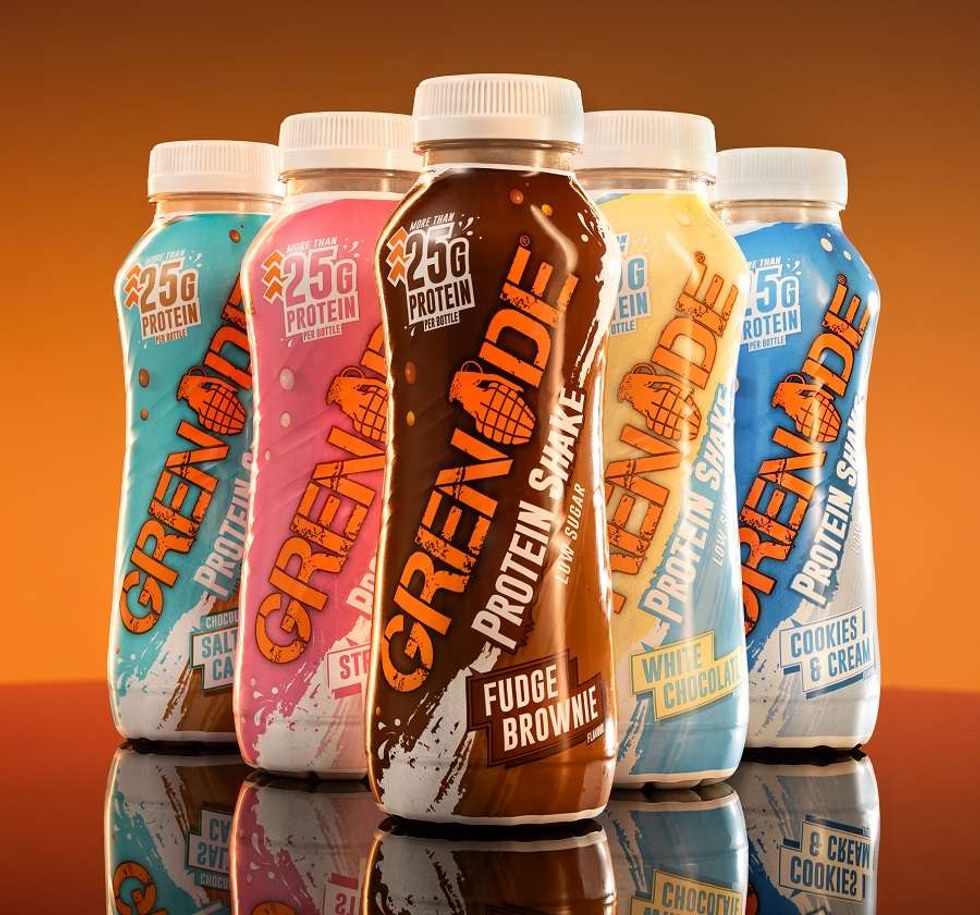 Grenade Protein Shake rangePhoto: Handout
Grenade's current retail activity includes its first nationwide consumer promotion for its protein shake range, running until 30 June. Shoppers who purchase a Grenade Protein Shake can scan a QR code in–store for the chance to win instant prizes – Hyperice equipment, Grenade products and summer essentials – plus entry into a prize draw for a £5,000 holiday. Crucially for convenience retailers, there is a parallel trade promotion: retailers purchasing an 8 x 330ml case of Grenade protein shakes can enter to win a share of £5,000 cash.
The Grenade Protein Shake range – available in Chocolate Fudge Brownie, Chocolate Salted Caramel, Cookies & Cream, Strawberries & Cream and White Chocolate – carries over 25g of protein per 330ml bottle, is low in fat and sugar, uses natural flavours and colours, is suitable for vegetarians and is non–HFSS, at an RRP of £2.85 per bottle.
Where taste meets protein
For a different angle on the protein bar opportunity, KIND Snacks is making the case that nut-based bars occupy a distinctive and underserved position in the market.
Giovanna Sinisgalli, Marketing Lead at KIND Snacks EMEA, frames the category landscape: “Protein has become a defining force in the snack bar market. It accounts for approximately 35 per cent of the total category, with protein boost products representing around 13 per cent and performance protein bars contributing approximately 18 per cent. Importantly, the appeal of protein is not limited to any single consumer group. Research confirms that protein is the most sought-after nutritional attribute across generations.”
KIND's Protein Bar Crunchy Peanut Butter (50g single) is one of its top-performing SKUs, generating more than £3.2m in sales value. The brand's argument to retailers centres on the naturalness of its protein source. “Nut–based snack bars are well placed to capitalise on this trend, with 69 per cent of shoppers looking for protein in their healthy snack bars. Many products within this segment deliver a naturally occurring source of protein through their nut content – an increasingly compelling proposition for shoppers who are seeking protein from whole, recognisable ingredients rather than synthetic or highly processed sources,” said Sinisgalli.
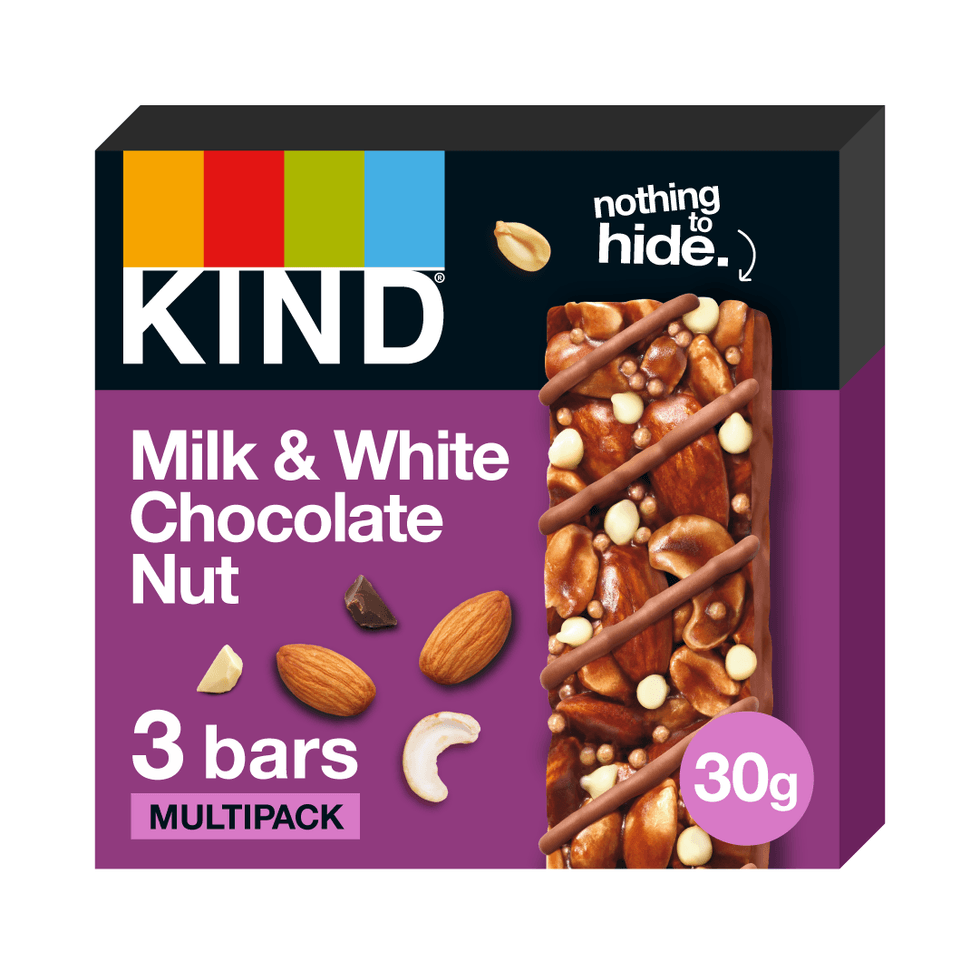 KIND Milk & White Chocolate Nut multipack Photo: Handout
Looking ahead, KIND is already positioning itself for the next nutritional conversation. “Fibre is rapidly emerging as the next major area of consumer interest,” Sinisgalli notes. “According to data, fibre claims within snacking are predicted to outpace protein claims by 2027. For a category that has been defined by the protein boom, this represents a notable shift in the competitive landscape.” The KIND protein range is already high-fibre, positioning the brand at the intersection of both trends.
On format, Sinisgalli highlights the importance of impulse-focused singles: “KIND is gaining share in total singles [MAT], with core singles accounting for more than 50 per cent of impulse sales.” For independent retailers, the practical recommendation is clear: taste and nutrition are no longer a trade-off that shoppers will accept, and chocolate-led or complex premium flavour combinations – salted caramel, nut butter, sweet-savoury – are the formats winning most consistently on shelf.
Asian Trader giveaway: Win £50 worth of KIND’s latest NPD
The creatine revolution
Perhaps no story in the sports and protein category is more striking right now than the rise of creatine. Kieran Fisher, founder and CEO of Manchester-based Warrior – the UK's number one creatine brand by units sold in IRI–tracked grocery – describes a shift that goes well beyond the gym.
“The category is exciting right now as the customer base looks completely different compared to five years ago,” he said. “It used to be a fairly predictable audience – young men, gym-focused, protein-first, and that was it. What we are seeing now is something far broader and far more interesting, because the science has caught up with what a lot of people in the industry always suspected, which is that these ingredients have a role to play in everyday life for almost everyone – not just people who train seriously.”
The numbers bear that out. Creatine is now the most-searched supplement in the UK, with grocery sales up 83 per cent year on year, according to Amazon UK Brand Analytics. Electrolytes have risen to third in the supplement search rankings (up from fifth), while collagen has jumped eight places to seventh. Fisher traces this mainstreaming to a broadening of the research base: “The research shows benefits include cognitive health, bone density, mood, and healthy ageing, and that has brought in an entirely new kind of consumer.”
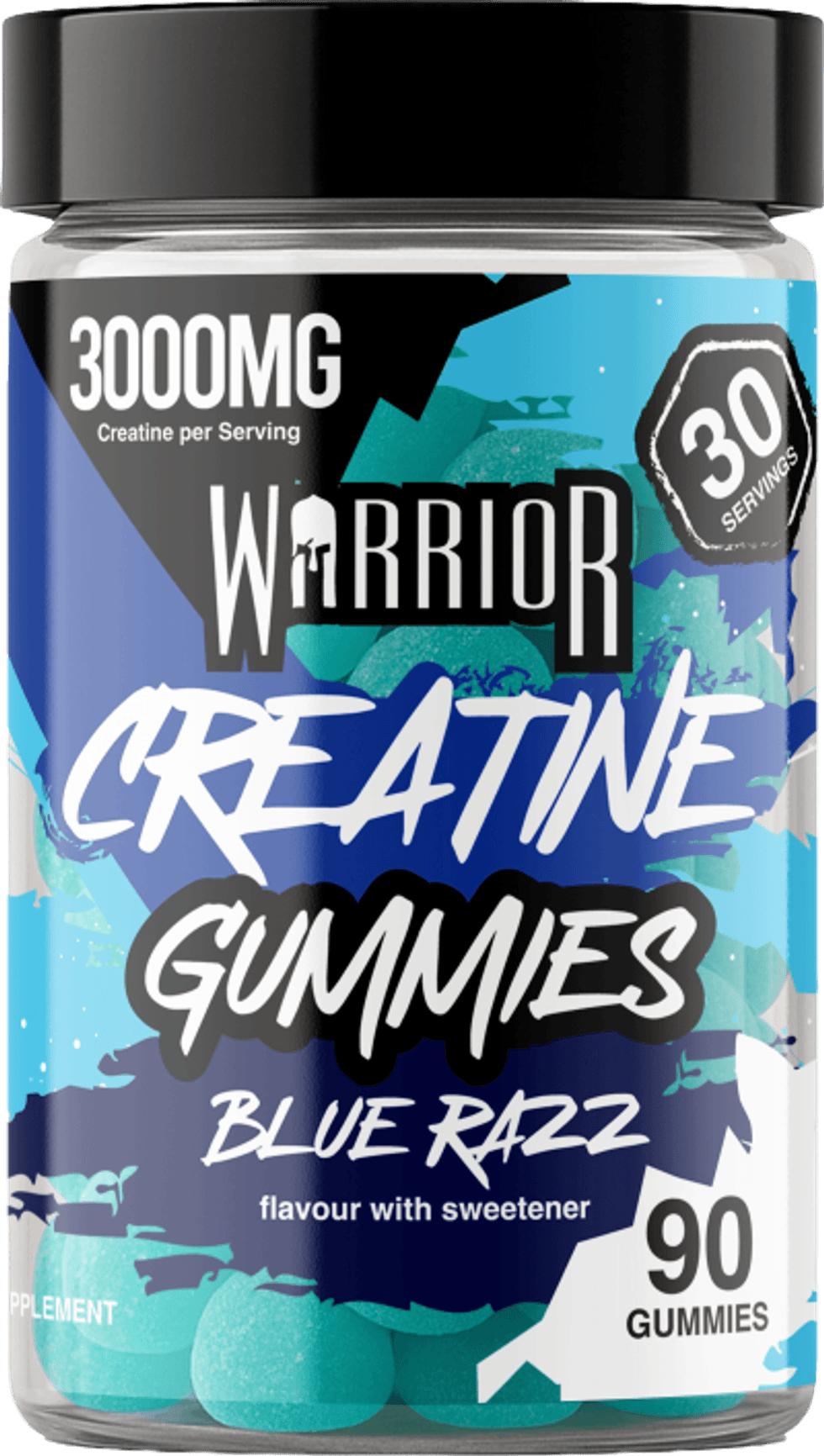 The new Warrior Creatine Gummies provide a simple, portable alternative for consumers looking to support strength and workout performance. Photo: Warrior
Fisher's category advice for retailers reflects this shift in the consumer profile. “Retailers need to consider their customers’ daily routine to drive that repeat purchase. For a long time this category was organised around the gym. You bought something because you were going to work out, and if you did not work out, you did not reach for it. That isn't the case anymore – the ingredients that are driving the most growth right now are ones that people genuinely want to take every single day regardless of what they are doing.”
On marketing, Fisher points to the role of digital discovery: “We build that demand before a customer even steps into a store. The discovery for our products happens on TikTok, in conversation with friends, through the research consumers are doing on their own, and by the time someone reaches for a Warrior RAW bar in the shop, the decision is already made.”
Warrior's latest NPD brings this strategy into a single daily-format product. Warrior Creatine Plus Electrolytes, launched in an on-the-go sachet format, combines creatine for long–term performance and feel with electrolytes for hydration and recovery.
“It came from a genuinely simple observation, which is that the people buying creatine and the people buying electrolytes were increasingly the same person, and nobody had built something that spoke to both in one daily format at a price that worked in mainstream retail,” said Fisher. “Warrior RAW bars continue to be the fastest-selling protein bar as it's a genuinely nutritious product at an accessible price. That combination of daily functional supplementation and clean, accessible nutrition is the combination I would encourage independent retailers to think about seriously.”
Warrior has also launched Creatine Gummies, in Blue Razz flavour at £20 per 90-count tub, delivering over 3g of pure Creatine Monohydrate per three-gummy serving. The format is zero sugar and vegan-friendly, HPLC-tested and independently verified, with a full 30-day supply per tub.
Protein goes premium dairy
One of the more unexpected but commercially significant developments in protein has been the rapid growth of protein-enriched dairy – and leading it is the partnership between Müller Yogurt & Desserts and sports nutrition brand Myprotein, which first launched in September 2024. The collaboration has been producing results that outpace the wider chilled yogurt and potted desserts market by a substantial margin, delivering more than ten times higher sales growth by value than the same period the previous year [Circana, February 2025 versus February 2026].
The latest launch from the partnership is Müller x Myprotein Mixers, rolled out initially into Morrisons from March with further retail listings to follow. The format takes high-protein yogurt and pairs it with separate high-protein mix-ins in a single pot, creating contrast in both texture and flavour within a product designed to appeal to protein shoppers looking for more enjoyment alongside their nutritional goals.
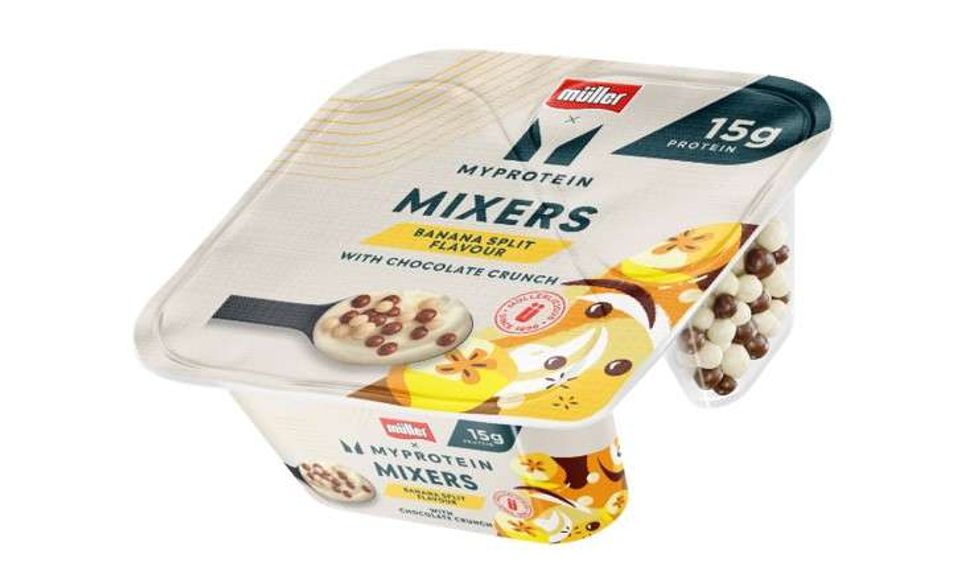 Müller and Myprotein launch new high-protein Mixers pots Photo: Müller
Available in Banana Split with Chocolate Crunch, Strawberries and Cream with Vanilla Biscuits, and Cookies and Cream with Cookie Crunch, each pot delivers 15g of protein from a 140g serve, is low fat, and carries an RRP of £1.50.
Richard Williams, CEO of Müller Yogurt & Desserts, articulated the commercial rationale: “Today's protein shoppers want functional nutrition, but they're not stopping there: they're looking for products which provide added value and elevated benefits. With Mixers, we're bringing new textures and flavour combinations into the protein fixture, creating a more engaging eating experience which reflects what Müller does best.
“This launch is about broadening the appeal of high–protein yogurt, supporting incremental growth for retailers and reinforcing our ambition to offer a Müller product for every occasion as we continue to optimise our health and nutrition range.”
Neil Mistry, CEO of THG Nutrition, which owns Myprotein, sees the partnership as evidence of a wider structural shift: “The success of our partnership with Müller shows how quickly the protein category is evolving beyond traditional sports nutrition. Consumers still want the functional benefits of protein, but they also expect great taste and enjoyable formats. By combining Myprotein's expertise in performance nutrition with Müller's strength in dairy innovation, we're bringing products to market that deliver both.”
The case for meat snacks
The sports and protein category is broader than bars and shakes, and Jack Link's is making the case for meat snacks as a natural – and growing – part of the convenience retailer's protein offering. Shaun Whelan, Head of Convenience at Jack Link's, sets out the opportunity: “Protein has firmly moved into the mainstream and is now one of the biggest drivers of choice within snacking. Shoppers are increasingly looking for products that deliver functional benefits, whether that's sustained energy, satiety or supporting active lifestyles.”
Whelan points to the particular credentials of real meat protein in an era of ingredient scrutiny: “Beef jerky offers naturally complete protein, meaning it contains all nine essential amino acids, while also being naturally low in sugar and low in fat. It's a simple, recognisable source of protein that delivers both functionality and convenience.” The market opportunity remains substantial, with household penetration for jerky and biltong below seven per cent in the UK – leaving significant headroom for growth.
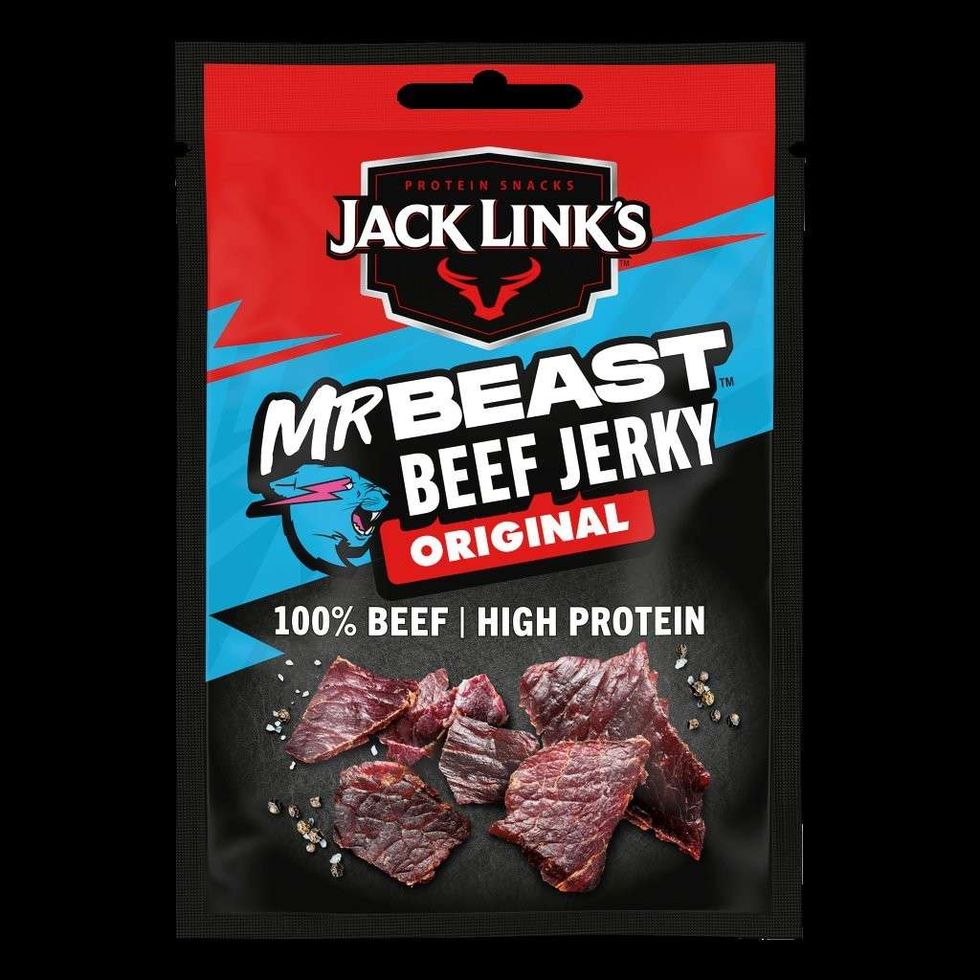 Jack Link’s launches MrBeast co-branded meat snacks Photo: Jack Link's
For independent retailers, Whelan recommends placing protein-led meat snacks in the main savoury snacking fixture to establish their credibility as an everyday alternative to crisps and nuts, with secondary siting alongside sports drinks, energy drinks and food-to-go to drive impulse and trial. Jack Link's Beef Jerky Original 25g remains the highest unit rate of sale SKU in the category and provides an accessible entry point, while flavours such as Sweet & Hot and Teriyaki continue to attract younger consumers.
Jack Link's partnership with global digital creator MrBeast – the single biggest YouTube channel in the world – adds a Gen Z dimension to the brand's convenience play. The collaboration, supported by a 360-degree campaign across social, digital and shopper marketing with bold co-branded packaging, is designed to bring a new generation of shoppers into the protein snacking category. “As the world's biggest digital creator, MrBeast has huge influence among Gen Z and younger consumers, making the collaboration a major opportunity for independent retailers to drive awareness, excitement and trial within sports and protein snacking,” said Whelan.
Plant-based protein
For a segment of the market where naturalness and plant-based origins are paramount, Windmill Organics' ProFusion brand is carving out a distinctive position. Gemma Williams, Head of Marketing at Windmill Organics/ProFusion, places the brand in the context of a structural trend: “The UK market for plant–based protein is projected to reach £16.8bn by the end of this year. Our ProFusion brand is at the forefront of growing the organic category and is one of the most innovative brands in grocery, created specifically to address the growing demand for functional plant-based foods.”
Williams identifies a consumer who has moved well beyond the gym as the driver of this demand: “We carried out a recent consumer survey which revealed 45 per cent of respondents are choosing energy and performance products for their overall health and wellness, which illustrates the category has expanded far beyond fitness alone and has now moved into everyday routines.”
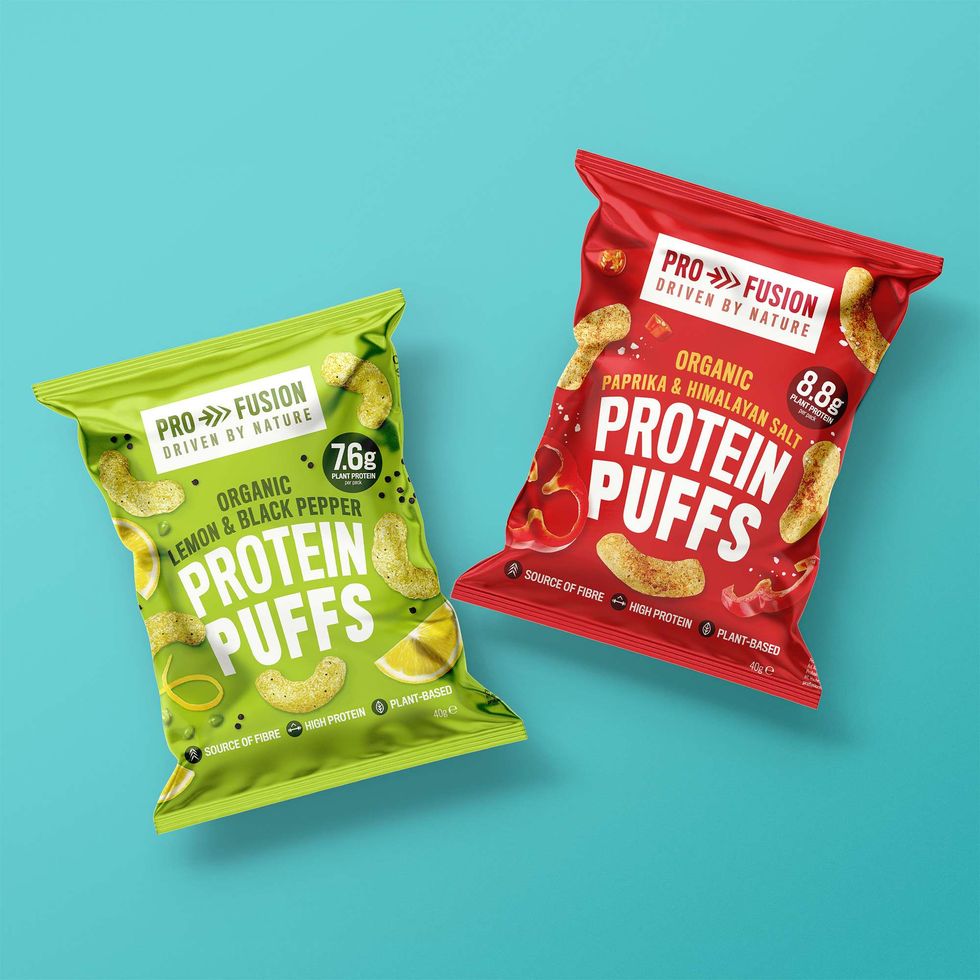 ProFusion Protein PuffsPhoto: Handout
A key emerging trend Williams flags is the move away from processed protein. “Consumers are checking the back of labels more and are gravitating towards minimally processed, natural protein sources, such as legumes and whole grains. With increasing attention on longevity, menopause and perimenopause, reaching consumers aged 45 and over will also be key for incremental spend. Retailers should provide further information on the role of protein for long-term health, positioning themselves as advocates for consumer well-being.”
ProFusion's latest NPD is a range of organic Protein Puffs, launched in March at an RRP of £1.99. Available in Paprika & Himalayan Salt and Lemon & Black Pepper variants, each 40g pack delivers 10g of plant protein and is positioned as a clean-label alternative to traditional crisps for the main crisp aisle, bridging the gap between wholefood and functional snacking.
The retailer's playbook
For all the variety in formats and brands, the practical advice for independent convenience retailers is remarkably consistent. Visibility is perhaps the single most repeated word: across impulse purchases, which dominate this category, a product that cannot be seen is a product that will not be bought. From protein bars alongside confectionery, to protein shakes in the chiller, to creatine formats near supplements and health products, the message is that considered placement pays dividends.
Range breadth matters too – but with discipline. Having the best-selling SKUs clearly ranged, with clean health and protein messaging, is more effective than an overcrowded shelf of unknown brands. As Grenade's Luke Morgan puts it, having the category leader on shelf signals to consumers where the healthier snacking range lives. Warrior's Kieran Fisher adds that much of the discovery in this category now happens before the shopper enters the store, on social media and through peer recommendation – meaning that when a shopper picks up a Warrior or Grenade product, their mind is already made up, and the retailer's role is simply not to make it difficult for them.
The broader competitive signals from the industry's top players point in one direction: this category is moving fast, it is becoming more mainstream with every passing season, and the retailers who engage with it strategically – rather than treating it as a minor add-on to their health section – stand to benefit significantly. The summer of 2026, with the FIFA World Cup creating peak demand for sports drinks, and long-running health and fitness trends sustaining appetite for protein products year-round, may be exactly the right moment to reassess how much space, prominence and investment the sports and protein category deserves on your shelves.