



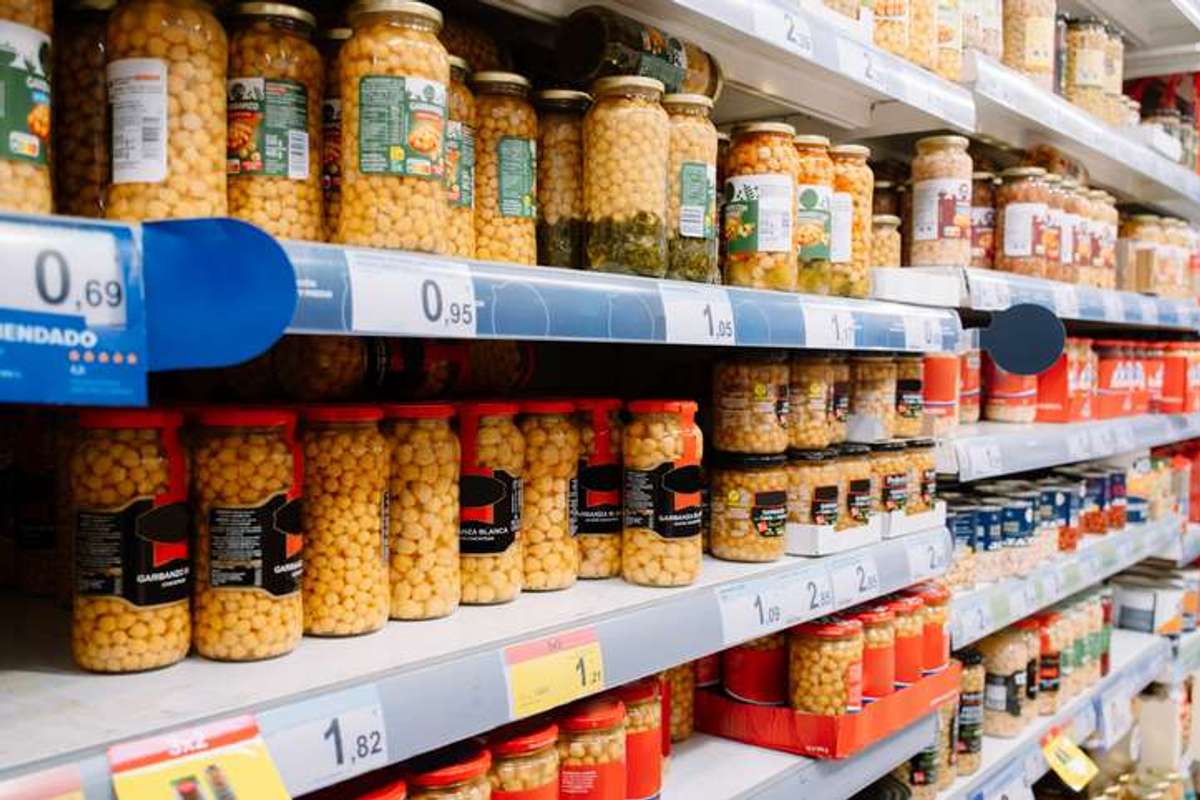

UK shoppers are increasingly turning to beans, lentils, tofu and tempeh as affordable sources of protein, while sales of both meat and some plant-based meat alternatives are falling.
According to NielsenIQ data analysed by climate advocacy group Madre Brava, sales of beans, pulses and soya bean derivatives rose 7.3% in the first half of 2026 compared with the same period last year,
For convenience retailers, the shift points to growing opportunities in affordable, high-fibre and versatile plant-based foods, particularly as consumers continue to manage household budgets.
Dried lentils were among the biggest winners, with sales jumping 23%, as shoppers opted for a low-cost protein that can be used across a range of meals.
There was also strong demand for more premium formats. Sales of canned and jarred butter beans increased 30.3%, helped by new products and brands, as well as recipes gaining popularity on social media.
The trend does not mean consumers are abandoning traditional baked beans. Sales of baked beans fell by 1.2%, but this was attributed to a decline in cans containing sausages rather than a broad reduction in demand for beans.
At the same time, conventional plant-based meat alternatives are continuing to struggle. Sales of fake-meat products fell 4.3%, driven by declines in textured soya, pea and wheat protein products. This was partly offset by renewed growth in mycoprotein products such as Quorn.
Madre Brava said consumers were “shifting toward simpler, higher-fibre foods”, with affordability and nutrition both influencing purchasing decisions.
The shift comes against a backdrop of sustained pressure on meat prices, particularly beef and lamb. The volume of meat sold by retailers fell 1.8% year on year, according to Madre Brava's analysis of Euromonitor International data.
Chloe MacKean, food business transformation manager at the Food Foundation, said the rise in bean sales was unsurprising, describing beans as a “triple win for health, sustainability and our wallets”.
Beans, she added, provide an affordable source of protein and fibre while generating significantly fewer greenhouse gas emissions than animal protein.
The growing interest in pulses is also being supported by the Bang in Some Beans campaign, launched last year by celebrity chefs including Jamie Oliver and Hugh Fearnley-Whittingstall, alongside supermarkets and other food businesses. The campaign aims to double UK bean consumption by 2028.
For convenience stores, the figures suggest that the opportunity may lie less in highly processed meat substitutes and more in simple, affordable plant proteins that can appeal to health-conscious shoppers without stretching their budgets.