



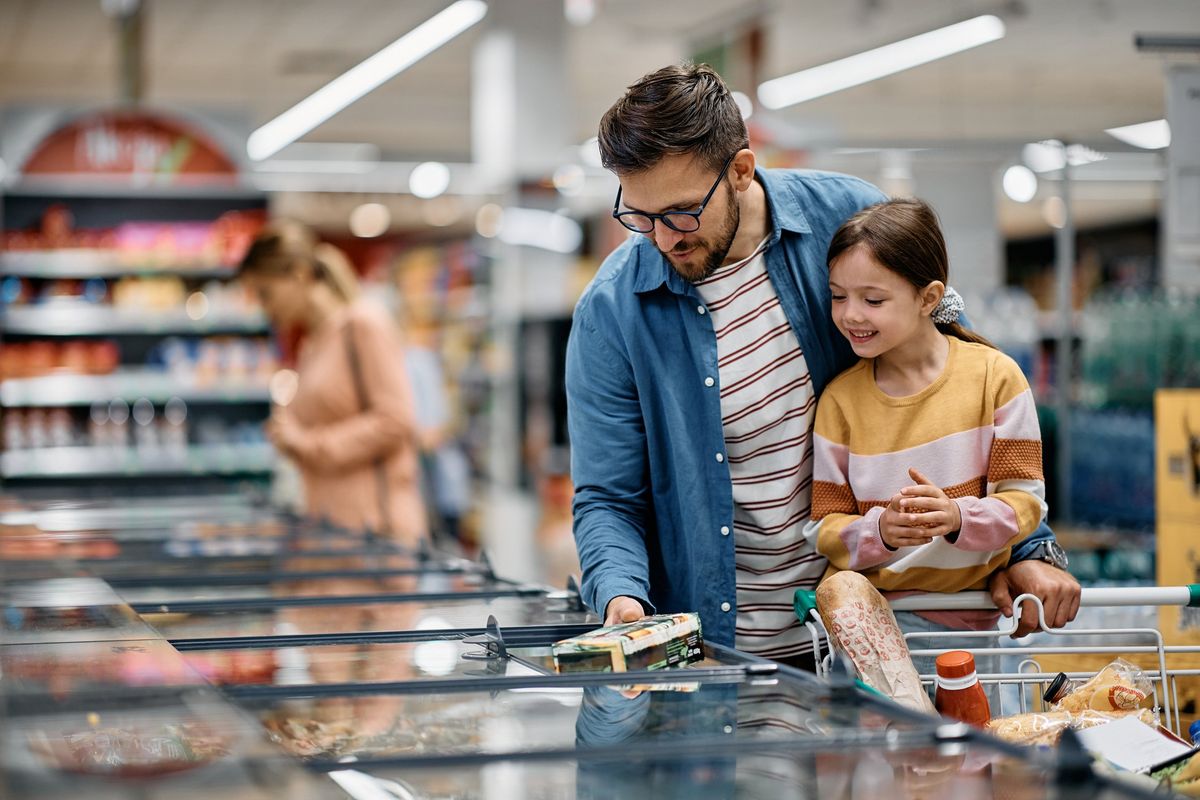

Chilled and Frozen in the convenience channel has changed out of all recognition in recent years. What used to be a peremptory, narrow range of a few fridge items to keep the milk company, and a lucky-dip chest freezer with a dodgy lid, has transformed completely as the nature of convenience itself has evolved.
Frozen food is shaking off its budget label, emerging as a premium contender as brands innovate to meet changing consumer expectations, industry experts say.
New research from the BFFF indicates a significant shift in consumer behaviour, with over half of UK shoppers (54 per cent) believing frozen food costs less per portion than fresh, and 61 per cent saying lower prices help them reach their "five-a-day" fruit and vegetable intake.
Note also that the rise of air fryers is significantly reshaping how consumers use frozen food, enabling faster and more convenient meal preparation – and younger consumers (18–24 age range) are increasingly addressing social media platforms such as TikTok for frozen food meal ideas, shifting the category from its traditional "emergency backup" reputation.
CEO Rupert Ashby stated that the industry is seeing a wave of “culinary creativity” ranging from street food-inspired ready meals to premium desserts. Currently, nine out of 10 people surveyed believe the nutritional quality of frozen food has improved in recent years.
Indeed, according to a panel hosted by inventory management software provider Unleashed, the category surged by 12 per cent in 2023-24, raking in over £8 billion in grocery sales. It is now drawing in shoppers seeking both value and quality.
Speaking at the industry panel, hosted by inventory management software provider Unleashed, Dan Pope, from the food and drink podcast HUNGRY, said, “The UK’s supermarket landscape has always reflected the class system, with freezer retailers traditionally sitting at the bottom and being perceived as lower quality.
"Now, everyone is saying that the frozen category is going to get bigger and bigger. You only have to look at the premium brand Crosta & Mollica, which has created distinct packaging and designs for its frozen and chilled pizza products.”
These days independent retailers invest heavily in their lengthy metres of refrigeration and curate by meal occasion and ingredients their sparkling freezer sections – literally, every possible piece of space that can be spared in the store for these categories is made the most of, not just because of margin, but because of the footfall it brings from shoppers looking to find a greater breadth and optionality in their local store – not just a few cans and some carrots, but a choice of fresh and frozen products, increasingly at the premium end, that can supply entire meals, snacks and treats and, perhaps for the length of a week or longer, and – importantly – can enable them to forgo a trip to a mult.
In short, the keynote of a classy c-store is what’s cold and colder under the glass.
It’s cold out there
Spring might have arrived, but the economy is still wintry, and this means that frozen has an increasingly important part to play in supplying shoppers with value and quality food where they can get it locally – when the country is financially hunkering down to weather economic bad weather, local frozen choice goes a long way to help budgets as a BNI alternative to eating out or avoiding a bulk shop at a distant big box store.
Amanda Barkes, Convenience Strategy & Activation Manager at Dr. Oetker, the frozen pizza maestros, reveals that the total frozen category is performing well despite the economy, being worth just under £1bn across total Convenience (£952m to be exact, states Circana Convenience, Feb 2026). The category has delivered outstanding value growth of +7.0 per cent and unit growth of +1.8 per cent, with Vegetable Meals and Snacks (+9 per cent) and Other Frozen which includes meat-based meals and snacks such as Yorkshire Pudding (+3.3 per cent) and Rice (+24per cent) the leaders.
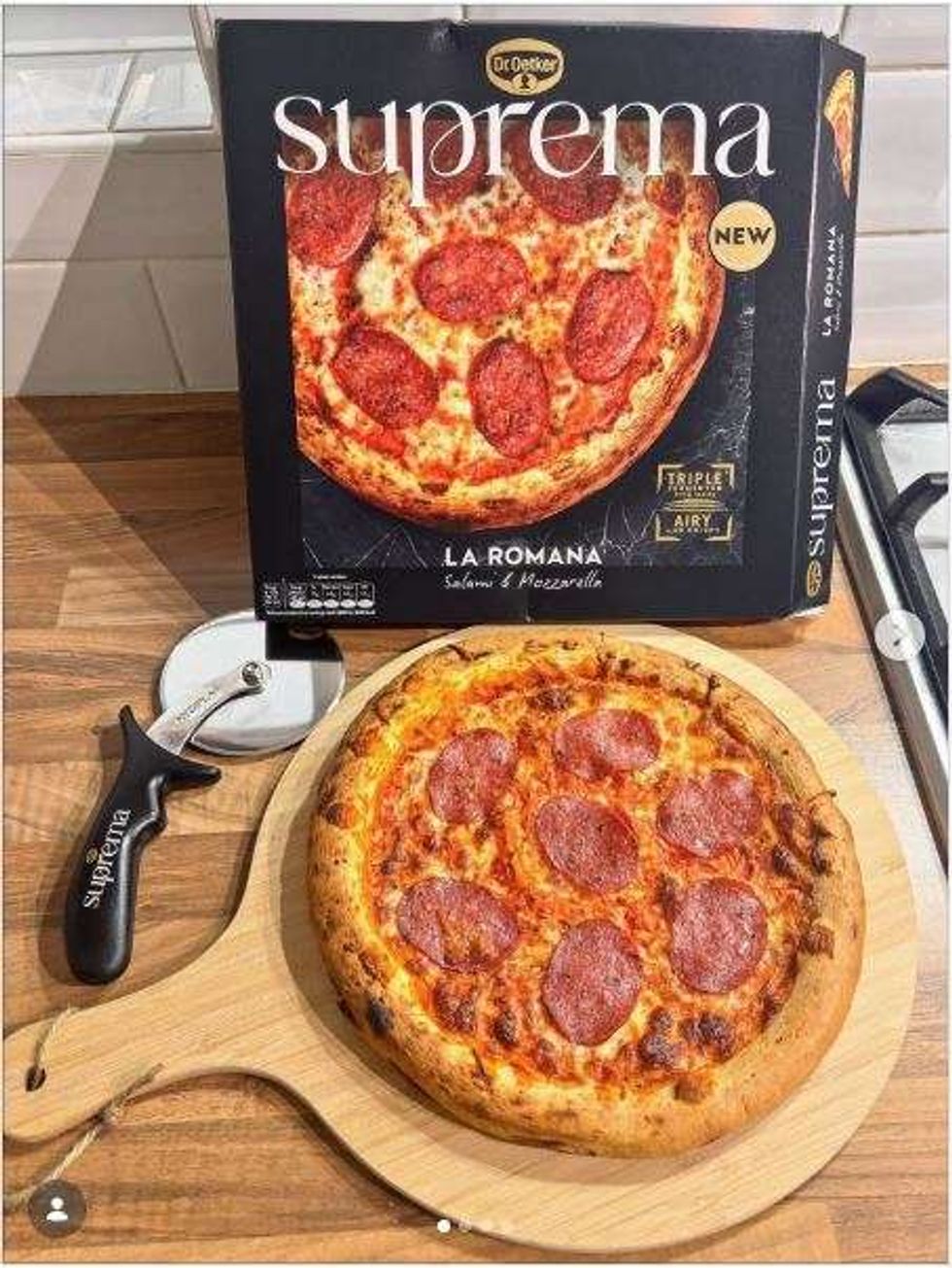 Photo: Handout
Barkes says that these figures reveal “Time-pressed shoppers looking for quick evening meals, convenient snacking and reliable freezer-filler promotions are driving this growth. Shoppers also like to stock up when compelling meal deals or freezer-filler promotions are available, which helps drive both footfall and repeat purchase.” She expects this momentum to continue over the coming months as convenience remains central to shoppers’ meal planning.
The fact that the frozen category is worth expansion and investment has just been demonstrated by wholesaler JW Filshill in a collaboration with frozen food specialist Eden Farm to drive growth in the category across its KeyStore fascia – with early results showing an uplift in rate of sales and volume.
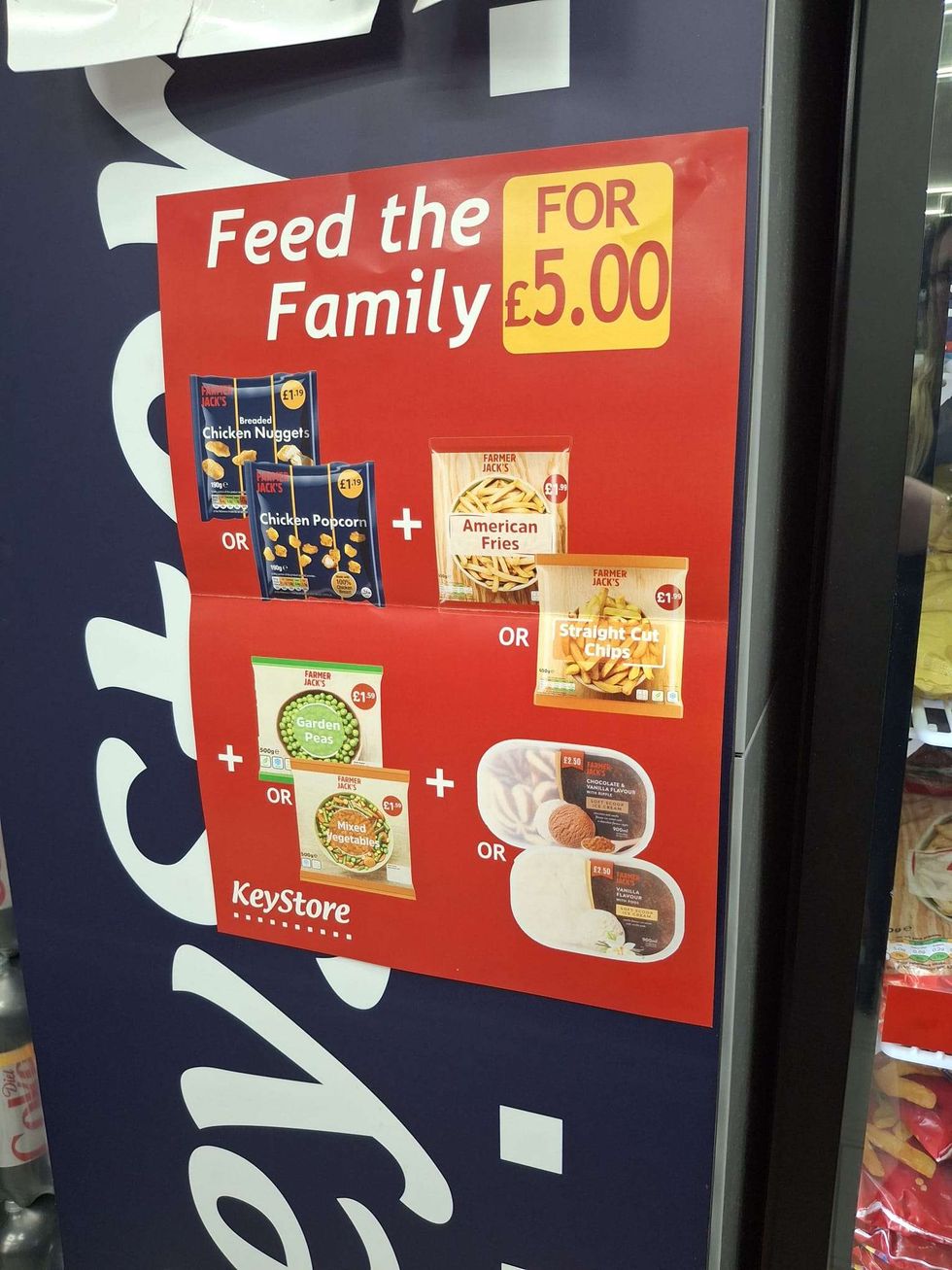
Eden Farm, a national wholesaler and distributor specialising in frozen and chilled, is working with Renfrewshire-based Filshill to promote a “Feed the family for £5” deal throughout KeyStore.
Stuart Auld, Filshill’s category buyer for food and third-party supply, explained: “The frozen food sector can be challenging for independent retailers, so we have worked closely and collaboratively with Eden Farm to find solutions that work for KeyStore retailers to help them maintain profitable margins and ease of supply.
“We’re also very aware that shoppers’ budgets are squeezed just now due to cost-of-living pressures, so we are offering a competitive ‘Feed the family for £5’ deal that offers retailers’ customers a choice of protein, vegetables, a potato offer, and ice cream. The deal allows shoppers to purchase a full meal, including dessert, for just £5.”
Quality with exceptional value – these are coming to be recognised as the defining features of frozen, with chilled nearby, offering complementary and increasingly premium products that create a powerfully magnetic duo to keep customers coming back to c-stores for main supplies.
That, and the allied advantages of saving on waste – in processing, packaging, and at the consumer end, plain old chucking out.
 JW Filshill partners Eden Farm to boost frozen sales Photo: Handout
According to frozen food specialist chain Iceland, frozen saves on waste in the production process “because everything can be frozen within its growing season, and it uses production runs that are long and efficient. It then has a much longer shelf life than fresh food, so minimises waste in the supply chain and customers’ homes.” It adds that because frozen vegetables are usually peeled, chopped or diced, "wonky veg" can be used without putting off shoppers, avoiding waste caused by the quest for perfect-looking vegetables in fresh displays. These are tasty efficiencies that help save money in hard times, and again goes to explain the rising popularity of frozen
In 2018 a study by Manchester Metropolitan University cited by Iceland showed that up to 47.5 per cent of food waste could be avoided if families ate more frozen food.
The research discovered that families found their frozen meals tasted as good as, or better than, fresh and that 18 out of 20 found frozen to be better value, too, with an average saving of 29.9 per cent: “Across the study there was a total saving of £752.43 when using frozen (£1,764.01 compared to £2,516.44), with the average cost saving per family being £37.62.” Imagine what those savings would look like today.
In the chiller section, Lactalis UK & Ireland Group Marketing Director, Heloise Le Norcy-Trott, says that Chilled dairy continues to perform strongly in convenience retail, particularly in functional segments that align with everyday shopper missions such as breakfast, snacking and top-up shopping. She points to the trend for protein and functional foods.
“Growth is being driven by demand for accessible nutrition,” she explains, “with high-protein milk, yoghurts and cheeses gaining strong momentum as shoppers look for products that support satiety and wellbeing without compromising on taste or convenience.
The UK’s high-protein dairy market, now worth £49m RSV, is forecast to grow further as protein becomes a mainstream expectation rather than a specialist claim. Lindahls – the only protein dairy brand spanning cheese, milk drinks, yoghurts and desserts – is well placed to lead this shift, she says.
"Within a major multiple retailer Lindahls already accounts for 40 per cent of the protein cheese segment and has delivered 84 per cent incremental sales across the categories it enters, indicating strong future headroom.
“Economic pressures have made shoppers more value-conscious, but dairy remains an essential category with extremely high penetration. Rather than trading out of the category, shoppers are becoming more selective and prioritising products that deliver clear benefits, versatility and quality,” concludes Le Norcy-Trott.
Cooler trends
“We are seeing a real increase in Planned Top-ups, Food to Go and Meal for Tonight missions at the expense of newsagent trips," reveals Dr. Oetker’s Amanda Barkes. “Both occasions lend themselves to pizza and Chicago Town is [also] becoming more widely distributed in the Hot Food to Go area too which drives brand awareness and enables the no.1 pizza brand to be consumed at ‘on the go’ occasions” – which adds to the allure of the frozen product, too.
She believes that consumers are seeking out a combination of convenience and value, and that frozen foods offer a great solution in the face of rising living costs, being re easy to prepare, tasty and offering nutritional value.
“Despite cost-of-living pressure there is a shift towards premium," she says. “Last year, we launched Dr. Oetker Suprema, a Neapolitan sourdough pizza crafted with the finest Italian ingredients, the product continues to grow distribution in the channel.”
Beyond the general uplift in the colder shelves of the store, particular trends can be identified that can boost sales even further. One of these is the seemingly insatiable demand – after decades of chasing low-fat products – for nutrition through protein-packed foods.
The increased sales of such products are helped by the fact that protein consumption is expanding beyond sports nutrition and evening meals to snacking, breakfast on-the-go and evening dishes, too, as shoppers learn how they can incorporate protein more naturally into their daily diets. And natural means chilled rather than ambient in many cases.
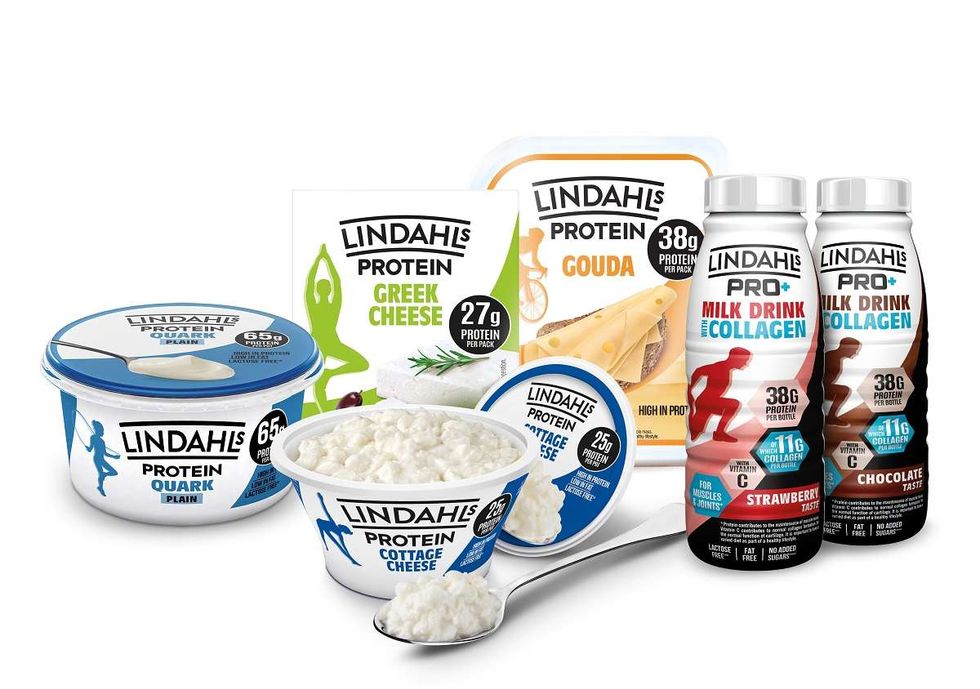 Lindahls Protein rangePhoto: Handout
“A third of all protein occasions now take place at breakfast [Circana], underlining the importance of everyday, accessible formats that appeal to a broad audience, including older shoppers looking to add more protein in a simple way," says Heloise Le Norcy-Trott. “Brands such as Lindahls Protein, which spans cheese, milk, yoghurts and desserts, are well positioned to meet this demand with convenient, high-protein products that fit easily into daily routines.”
Brands such as Lindahls Protein can also anchor a clearly signposted protein fixture that makes it easier for shoppers to find high-protein options in one place. Cross-merchandising with complementary categories such as bakery, cereals or salads can also help shoppers quickly build complete meals while increasing basket spend.
Alongside functional nutrition, premium but accessible indulgence is also shaping the category. Shoppers are increasingly recreating restaurant-style meals at home, creating opportunities for products such as Galbani Burrata and cheeses from Président, which allow retailers to offer premium ingredients that elevate simple meals and sharing occasions.
Meanwhile, Leerdammer has returned to TV with its popular "Incognito" campaign, backed by a major investment across TV and BVOD. The campaign is designed to drive awareness and sales for Leerdammer Original and Light Slices, supported by in-store activation throughout the year.
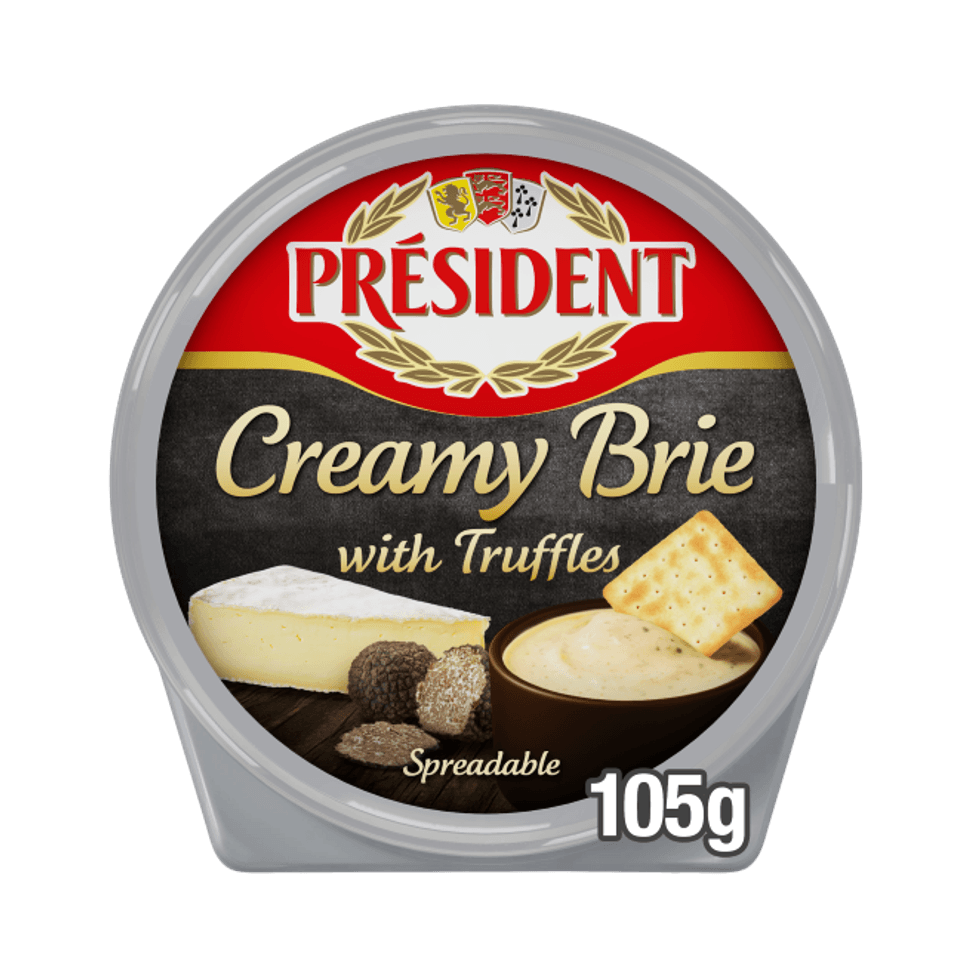 Photo: Handout
Président is also benefitting from a multi-million-pound campaign, including a year-long sponsorship of Channel 4 Food & Cooking Inspirations programming. The activity highlights products such as Président Brie, Camembert, Butter and Emmental, inspiring everyday meal occasions and encouraging shoppers to trade up within the category.
Lactalis UK & Ireland is also expanding its chiller presence with the launch of Président Crème Fraîche, marking the brand’s first fresh cream SKU in the UK.
Available in a 200ml resealable tub, the product brings a premium, authentically French offer to the chilled cream fixture, a category still largely dominated by private label.
The product blends easily into sauces, soups, curries and pasta dishes, while also adding richness to bakes, desserts, and toppings. Its resealable packaging makes it easy to store while helping maintain freshness for longer.
“Président is synonymous with quality, indulgence, and the French Good Life,” says Heloise, “and this launch is a natural next step in our strategy to bring great-tasting French dairy products to UK shoppers in ways that elevate everyday dishes."
Pizza tonight!
Frozen pizza meets multiple shopper needs, from a quick snack or “meal for tonight” to a convenient alternative to takeaway.
Chicago Town is now the UK’s number one frozen pizza brand, with Deep Dish the best-selling single frozen product, followed closely by the Takeaway range. Both are key drivers of category performance and shopper satisfaction.
Cheese and Pepperoni account for the lion’s share of UK Frozen Pizza sales, explains Dr. Oetker’s Amanda Barkes, but she stresses that where the retailer has any extra space, it is important to offer variety, and recommends strong-selling products such as Chicago Town Thin Meat Feast, and Hawaii or Funghi from the Ristorante are all strong-selling products that add breath to a range as the first choice to expand with if space is tight.
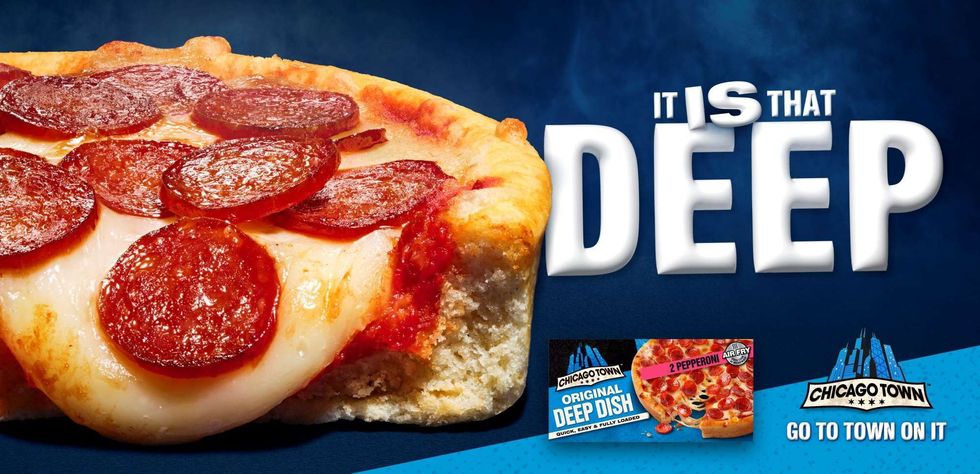 Photo: Handout
“At Chicago Town,” she says, “we have invested in a new Deep Dish campaign – the first Deep Dish campaign in a decade. While Deep Dish remains a cornerstone of the portfolio, the brand has identified a significant window for re-engagement within the younger demographic. Backed by a substantial £800k investment, this new campaign is a strategic move to pivot Deep Dish back into the cultural zeitgeist, priming the format for a high-impact recruitment of the next generation of shoppers.”
Chicago Town is also launching a new Original Deep Dish BBQ Chicken featuring Chicago Town’s “signature BBQ sauce”, mozzarella cheese, chicken, and red and green peppers. “The addition brings another intense flavour hit to the core Deep Dish pizza lineup, which is fully HFSS-compliant, reinforcing Chicago Town’s credentials in a health-conscious retail environment,” says Barkes, adding, “We have price marked packs across all Chicago Town’s core range, helping shoppers make quick decisions and convenience retailers to convert sales.”
Which brings us to examine how best to market the cold stuff...
Merchandising fresh and frozen
Success in chilled categories is driven by clear navigation, strong availability and relevance to key eating occasions, such as breakfast, snacking and food-to-go,” says Lactalis’s Le Norcy-Trott.
“One important lesson retailers can take from larger stores is the importance of clear segmentation and signposting. Grouping functional products together, rather than dispersing them across the chiller, helps shoppers quickly identify options that meet their needs and encourages trade-up.”
She adds that c-stores should stock products that combine clear nutritional benefits with everyday usability, as they perform particularly well in convenience formats. High-protein dairy products are a key example, as shoppers increasingly look for simple ways to increase protein intake without significantly changing their routines.
“Clear segmentation and strong visibility are essential for maximising chilled category sales. Retailers can improve conversion by grouping related products together rather than dispersing them across the chiller,” she explains.
“Creating a clearly signposted protein or healthy living fixture can be particularly effective. Grouping protein cheeses, milks and yoghurts together simplifies the shop and helps shoppers quickly identify products that meet their nutritional goals.”
The Lindahls Protein range, cited above, which spans multiple dairy categories, can anchor this type of display.
Clear shelf-edge messaging highlighting benefits such as “high protein”, “low fat” or “contains collagen”, alongside simple usage cues such as breakfast, lunch or snack occasions, can further support conversion.
In other words, retailers should focus on maintaining a balanced range that meets both functional and indulgent shopper needs.
Amanda Barkes says that independents can compete best with mults and discounters in Frozen by maintaining an organised, well-stocked freezer that includes bestselling categories and ranges. It is important to ensure retailers stock brand leaders, as it is their eye-catching logos shoppers will look out for in-store. Clearly visible prices and PMPs can help communicate value to what she terms “promiscuous shoppers” who visit multiple retailer formats and chains with their rewards schemes and discount offers.
She adds that within savoury frozen, retailers should prioritise a strong core range covering ready meals and snacks, pizza and garlic bread, potato products, meat, fish, vegetables and vegetarian options: “Frozen pizza is a cornerstone of the category, accounting for around 25 per cent of frozen sales, and therefore deserves significant space in-store.”
The message is clear: Chilled and Frozen are increasingly important to the convenience channel, so take your chillers and freezers seriously, and they will reward you for it.
Making the most of frozen
Dr. Oetker’s Convenience Strategy & Activation Manager, Amanda Barkes, explains the best merchandising tactics for keeping your freezer sales solid
- Independents can compete by maintaining organised, well stocked freezer that include bestselling categories and ranges. It is important to ensure they stock brand leaders as shoppers will look out for these instore.
- Clearly visible prices and price mark packs can help communicate value to promiscuous shoppers who also shop at multiple retailers with their rewards schemes and discount stores.
- Within savoury frozen, retailers should prioritise a strong core range covering ready meals and snacks, pizza and garlic bread, potato products, meat, fish, vegetables and vegetarian options. Frozen pizza is a cornerstone of the category, accounting for around 25% of frozen sales, and therefore deserves significant space in-store.
- Ensuring a neat and tidy Frozen sector is important to maximise sales. Retailers should ensure all packs are front facing with pricing clearly displayed to incentivise purchase.
- Price marked packs are extremely effective at communicating affordability to customers. Visually engaging, price marked packs can incentivise purchase and are perfect for time-pressured customers.
- “Meal Deal" promotions are a great way to promote sales. Ensuring this is clearly communicated and additional meal items such as sides and drinks are strategically placed near the freezer section is a great way to drive purchase.