



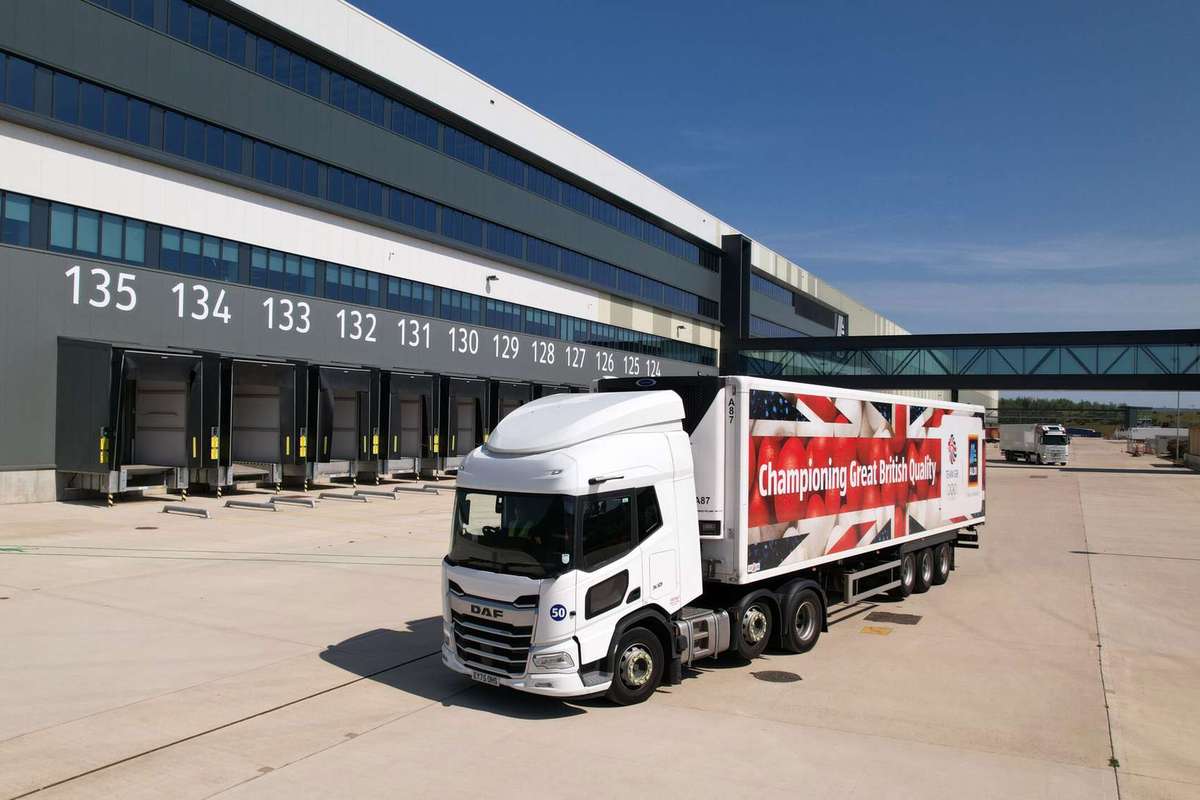

Aldi is stepping up its push to make food more affordable, announcing a record £900 million investment in new stores and distribution centres alongside £340m of price cuts across more than 1,000 products this year.
The discounter said the measures announced on Monday form part of a wider package aimed at tackling food affordability, with further price reductions planned ahead of Christmas and more long-term agreements with British suppliers to support home-grown production.
The announcement came alongside Aldi's latest annual results, which showed UK and Ireland turnover increased 5 per cent to a record £19 billion in the 12 months to 31 December 2025.
However, operating profit was broadly flat at £432.9m, compared with £435.5m the previous year. The operating margin fell slightly to 2.3 per cent from 2.4 per cent, with Aldi saying it continued to invest in prices, infrastructure and colleague pay.
Aldi currently operates 1,092 stores and said its £900m investment in 2027 will include 40 new stores as well as continued investment in its distribution network. It is also set to open 30 stores over the next 10 weeks, including in Dumbarton, Newport and Willesden, London.
The retailer said its expansion would help bring affordable groceries to more communities that it considers to be “cut off” from affordable food because of a lack of local choice or competition.
Aldi has previously announced plans to grow to 1,500 stores across the UK.
The retailer said it has invested £340m in reducing prices on more than 1,000 products so far this year, including orange juice, butter, fresh meat and frozen fish.
It has also committed to continuing to cut prices across its range in the run-up to Christmas.
Aldi said its sales growth was being driven by more customers buying more products in more stores, which it attributed to its focus on low prices and quality.
Longer-term supplier relationships
Alongside its price investment and store expansion, Aldi is also looking further up the supply chain.
The retailer has committed to sourcing at least 50 per cent of its products through long-term supplier agreements by 2027, saying multi-year contracts give producers and manufacturers greater confidence to invest in production capacity.
Aldi spent £14bn with British suppliers in 2025, with around 80 per cent of its sales coming from British suppliers. It also sources 100 per cent of its everyday fresh beef, pork and poultry from British farms.
The move comes as major supermarkets are increasingly looking to strengthen relationships further up the food supply chain.
Asda announced yesterday a £250m, 10-year partnership with Len Wright Salads, giving the Lancashire grower greater certainty to invest in people and facilities while securing supply in a key fresh produce category.
Tesco has also been backing agricultural innovation, with its latest Agri-tech Challenge providing winning businesses with access to its supplier network and trials within its supply chain. The retailer has also become the anchor investor in the £20m Bramble Fund, which will back businesses developing innovations across the food system.
The developments come after a difficult summer for British agriculture, with drought and extreme heat putting further pressure on production and raising concerns about food supply and fresh food prices.
For independent retailers, the renewed focus on longer-term supplier relationships also puts the spotlight on the close links many already have with local producers and suppliers, particularly as availability, provenance and food costs remain key considerations.
Aldi chief executive Giles Hurley said recent droughts in Britain and events overseas had highlighted the fragility of the food system and the need to make food security a long-term priority.
“The cost of food remains one of the biggest pressures on households across the country,” he said. “We’re working hard to make good food more affordable for every family – cutting prices on everyday essentials, signing long-term supplier agreements to help increase home-grown production, and continuing to bring affordable groceries to even more communities through our store opening programme.”