




Asda and Tesco have stepped up investment in the UK food supply chain, as farmers continue to face mounting pressure from extreme weather, rising production risks and the need to improve resilience.
Asda has announced a £250 million, 10-year partnership with British grower Len Wright Salads, while Tesco has backed new agricultural technologies and committed £20m to a specialist food innovation fund.
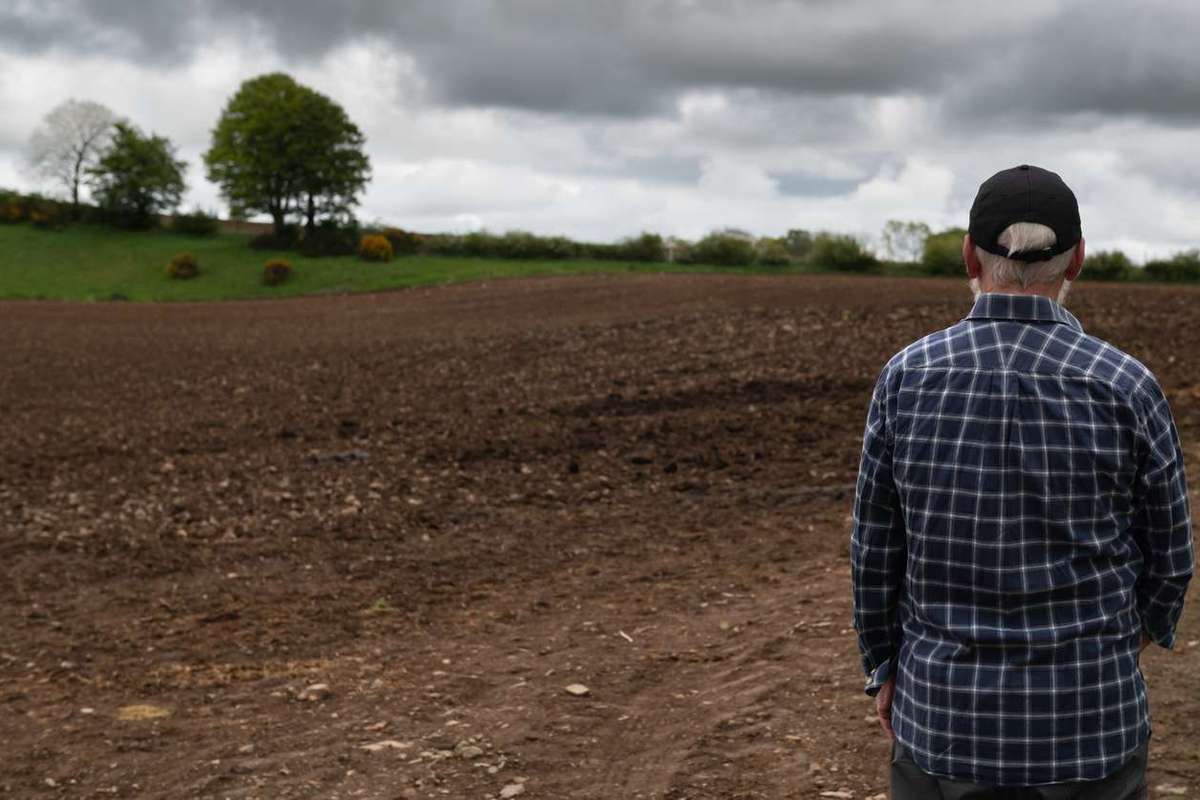
The announcements come against a challenging backdrop for British agriculture. Half of England was declared in drought in July following an exceptionally hot and dry summer, while farmers warned that prolonged dry weather was making food production harder, riskier and more costly.
Britain's cereal harvest is also on track to be among the worst since comparable records began in 1984, with extreme growing conditions expected to have significantly reduced yields.
Against this backdrop, supermarkets are increasingly looking beyond simply sourcing products from farmers and suppliers, and towards supporting investment and innovation further up the supply chain.
Asda secures long-term supply
Asda's agreement with Lancashire-based Len Wright Salads, announced on Monday, will see the supermarket invest approximately £25m a year through to 2036, extending a relationship between the two businesses that has lasted more than 35 years.
Len Wright supplies the majority of Asda's own-label prepared bagged salads, with around 37 million bags distributed to stores nationwide each year, as well as selected stir-fry vegetable lines.
Asda said the long-term agreement would secure supply in a key fresh produce category while giving Len Wright the confidence to continue investing in its people and facilities.
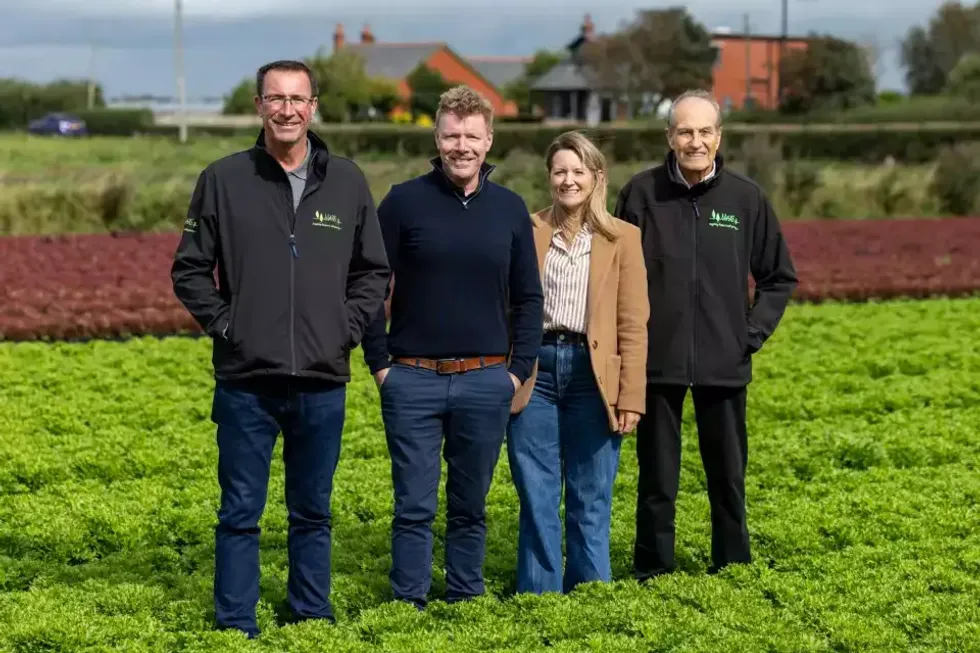 Asda's agreement with Lancashire-based Len Wright Salads will see the supermarket invest approximately £25m a year through to 2036. Photo: Asda
“Long-term partnerships like this are a great example of how we're giving suppliers the confidence to invest for the future, helping to back British growers and build resilience across our supply chain, while ensuring a reliable supply of high-quality produce for our customers for years to come,” Jenny Cannon, senior director for produce at Asda, said.
The retailer said the partnership also supports its wider commitment to British sourcing. In 2024, Asda completed the rollout of LEAF Marque certification across 100 per cent of its UK fresh produce growers, covering more than 500 farms.
The programme requires growers to implement long-term landscape, nature conservation and enhancement plans, helping to improve biodiversity, water stewardship and soil health on British farms.
Tesco backs technology
Tesco is taking a different approach, using investment, trials and access to its supply chain to encourage the development and adoption of agricultural technology.
Its 2026 Agri-tech Challenge on Monday named Swiss company AgroSustain as the winner of its early-stage category. The company's technology, named Tornado, creates an edible physical barrier on plants designed to help crops withstand stresses including drought and salinity, potentially reducing crop losses and supporting yields.
AgroSustain will receive fast-track introductions to Tesco's supplier network and a trial with one of its supply chain partners.
The late-stage category was won by Herd Advance, whose Stockman technology uses real-time data on cattle health and performance, including weight, water intake and temperature, while enabling farmers to remotely manage livestock. It will be trialled in Tesco's beef supply chain.
The announcement comes as a growing number of UK farmers are turning to innovation to increase farm efficiency and profitability. Tesco's annual survey of 151 farmers in its supply chain found that 58 per cent had introduced an innovation in the past year, up from 46 per cent in 2025.
However, 76 per cent said getting innovation onto farms was challenging or very challenging, while 72 per cent said they wanted more funding from government and retailers for innovative farm technology. Almost half (48 per cent) wanted subsidised opportunities to trial new approaches.
“The farmers we work with are telling us innovation has a critical role to play in helping the industry become more productive, efficient and resilient. But a promising idea will only make a meaningful difference if there is a practical and realistic path to implementing it on farm,” Claire Lorains, group quality, technical and sustainability director at Tesco, said.
“The Agri-tech Challenge is just one way we are supporting farmers in finding and developing the agri-tech that will help secure the future of the industry.”
From innovation to investment
The latest announcements also build on Tesco's £20m investment in Bramble Fund I, announced last week.
Tesco has become the fund's anchor investor, with Bramble backing companies developing innovations intended to make the food system healthier, more sustainable and more affordable.
The Tesco-Bramble partnership will establish a joint innovation board and allow promising innovations to be tested within Tesco's supply chain, with the aim of helping successful businesses grow.
The fund's first investment is KluraLabs, a British technology company whose packaging is designed to extend food shelf life and use-by dates while reducing waste and costs.
Taken together, the developments point to a growing focus among major retailers on strengthening food supply further upstream — through long-term supplier commitments, agricultural technology and investment in businesses developing new solutions.
For retailers, the impact could ultimately be felt through the availability, cost and resilience of fresh food as farmers and the wider supply chain adapt to increasingly difficult production conditions.