



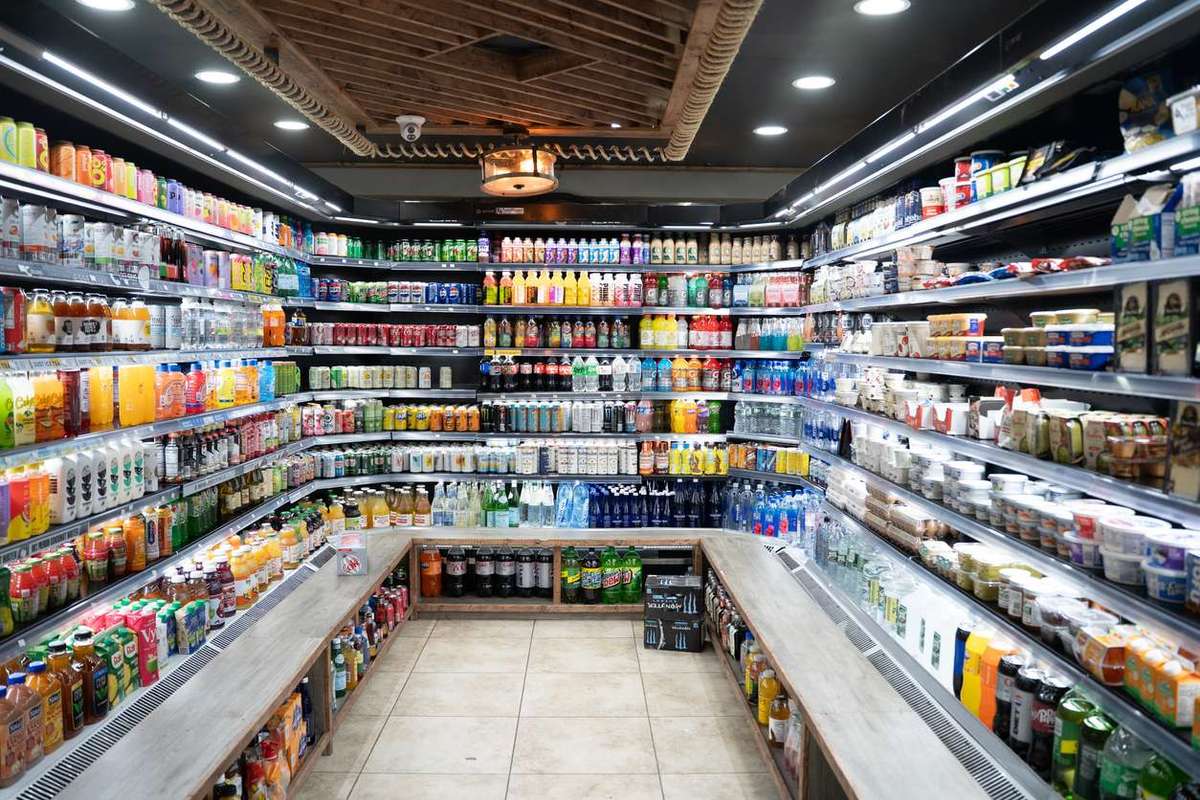

The convenience channel continues to lean heavily on soft drinks to bring shoppers through the door. The category's performance over the past year underlines just how central it has become to store success. Visits to convenience stores increased across 2024-25 [Lumina Intelligence], which drove 8.1 per cent revenue growth, meaning the soft drinks category was worth a whopping £5.6 billion [NielsenIQ].
As such, soft drinks continue to present a valuable opportunity for independent retailers. The key to capitalising on this success lies in maintaining a varied range that balances trusted, core brands and products with exciting new flavours and formats – helping retailers make the most of a booming category and maximise basket spend.
Flavour innovation
Taste and enjoyment remain the biggest drivers of soft drinks sales, and Carlsberg Britvic has kept up a steady pipeline of flavour innovation to help retailers compete, according to David Laidler, Brand Director of Carbonates and Lipton at the company.
“Consumers are still looking for more than just a thirst quencher, which means impulse stores have had to provide unique soft drink offerings and elevated in-store experiences to remain competitive,” he says.
Tango's limited-edition rotational series, Tango Editions, launched back in 2022 and has produced a run of stand-out launches – Tango Mango, Tango Paradise Punch and Tango Berry Peachy were each crowned the number one fruit-flavoured carbonates new product development in their respective years [Nielsen RMS]. This February brought the latest addition, Tango Editions Thirst Trap, a zero-sugar blend of peach, orange and pineapple with bold packaging designed to appeal to Gen Z.
The launch builds on Tango's momentum as a brand worth £113 million in off-trade retail sales value, with flavour innovations that have generated more value sales than any rival flavoured carbonate brand's new launches over the past three years.
 Photo: Handout
Carlsberg Britvic also kicked off 2026 with Pepsi MAX Tropical, blending pineapple, mango and peach, alongside a refreshed look for the £218 million Pepsi MAX flavours range. The flavoured cola category is growing six times faster than unflavoured cola [NielsenIQ], and Pepsi MAX remains the number one cola brand by volume in the UK, with Pepsi MAX Cherry the number one flavoured cola, worth more than £207 million RSV.
“In a category full of choice, strengthening Pepsi MAX’s flavours offering is a priority for the brand, in order to maintain engagement among Gen Z shoppers and beyond,” Laidler says, adding that the new variant, a popular soft drink flavour in the UK, paired with a new visual identity, will ensure the brand continues to “stay relevant, eye-catching and top of mind with shoppers”.
April brought Lipton Iced Tea Tropical, a mango and passionfruit blend from the UK's number one iced tea brand, while May saw Tango turn up the intensity with Tango Sours, a zero-sugar range in Watermelon and Tropical flavours under the tagline “Brace yourself, it Tangs back” – aimed at younger shoppers hunting for more adventurous taste sensations.
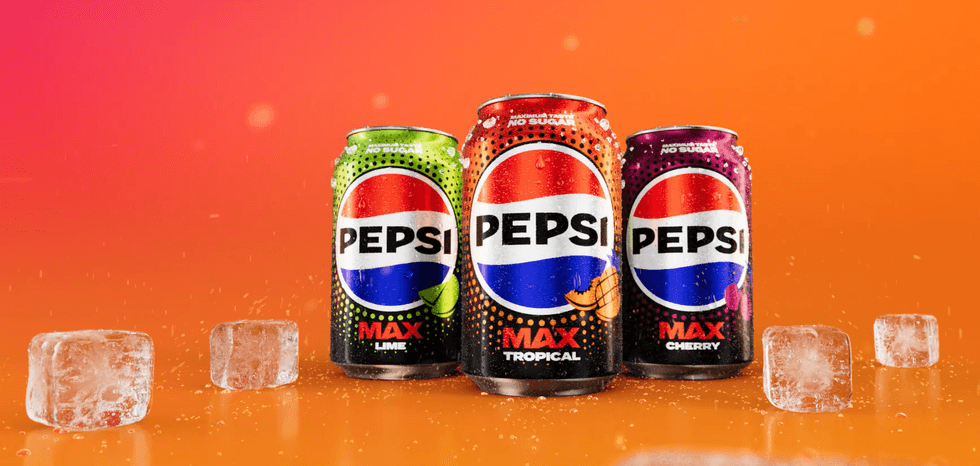 Pepsi MAX adds tropical touch, bold redesign Photo: Handout
Despite this appetite for novelty, Laidler is clear that core favourites still matter. Pepsi MAX is the number one soft drinks brand sold in British retail [NielsenIQ], 7UP is Britain's number one lemon and lime flavoured brand, and Tango is the second most purchased fruit flavoured carbonates brand [Kantar Worldpanel] – so retailers should ensure shelf space reflects demand for both new and trusted lines.
More shoppers are looking for treats when they visit convenience stores and soft drinks are their top purchase on those trips – partly because the category is seen as affordable.
“Alongside this, we know that rich and sweet flavours are growing in popularity, with indulgent options like drinkable desserts in more demand,” Laidler notes, suggesting that brands like Pepsi and Jimmy’s Iced Coffee can help retailers take advantage of this trend, “acting as the perfect choice for those shoppers seeking some indulgence”.
Last January, Pepsi launched a duo of indulgent zero-sugar colas, Strawberries 'N' Cream and Cream Soda, tapping into flavoured cola's growth – five times faster than unflavoured cola. The range is available in 500ml price-marked and plain packs, multipacks of eight cans, 330ml cans and 1.5 litre bottles (Strawberries 'N' Cream only), and has already found an audience: 7.1 per cent of households have bought it, with 51 per cent of those repeat purchasing [Worldpanel by Numerator].
Health, wellness and social occasions
Attitudes to health are changing, and that is reshaping how shoppers view soft drinks. Health tracking is on the rise in the UK, according to Mintel, and category growth is increasingly being driven by sugar-free consumption, says Laidler.
“Carlsberg Britvic understands how important it is to offer you and your shoppers' choice, with no compromise on taste. That’s why 84 per cent of (our) soft drink portfolio in Great Britain and Ireland is low or no calorie,” he notes.
Last year Lipton entered the kombucha space with a Strawberry Mint and Raspberry & Mango Passionfruit range, rolled out in 250ml single cans and multipacks of four. The kombucha and gut soda market grew 36 per cent in value and is now worth £39 million – a sign of the opportunity for retailers willing to stock it.
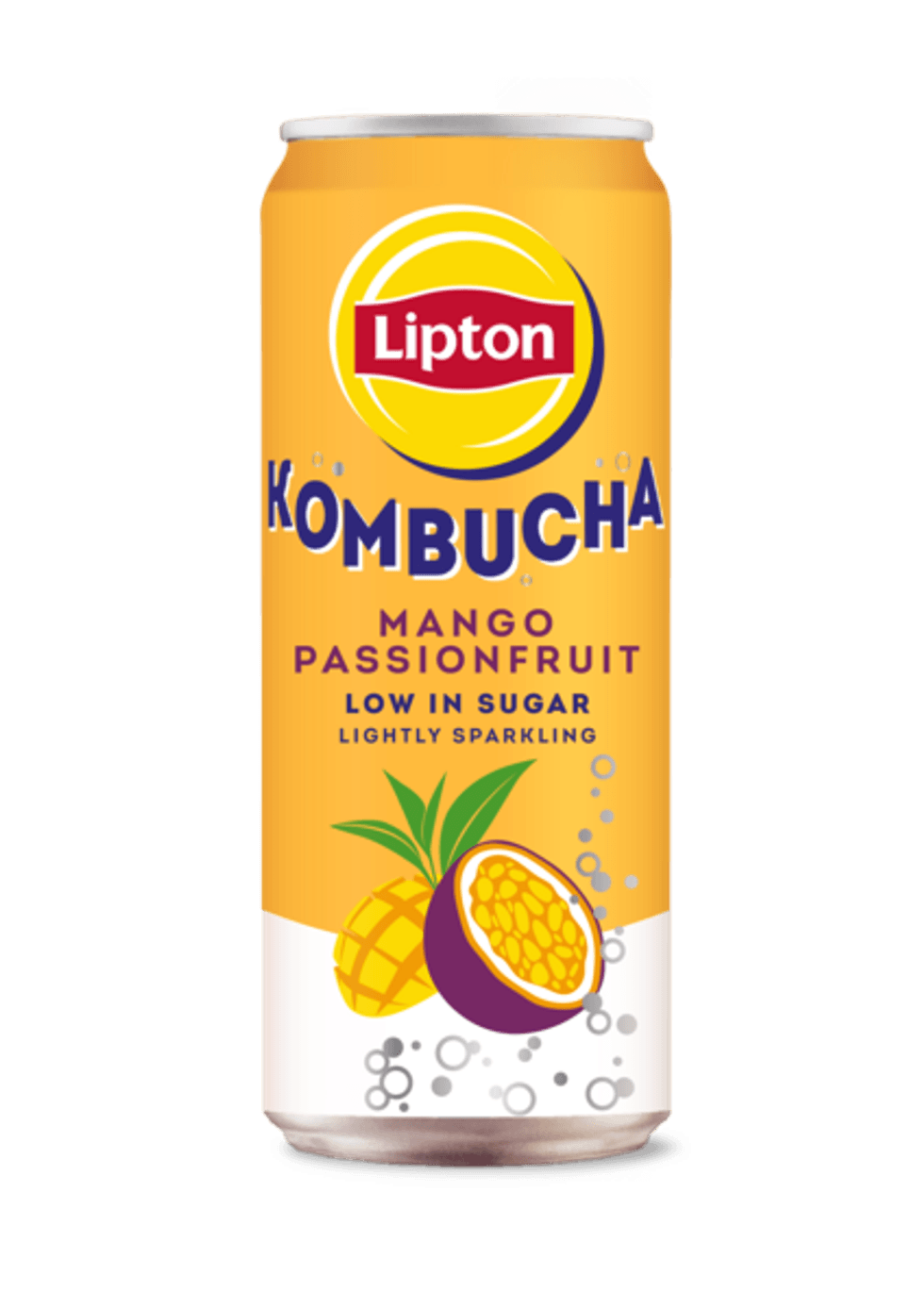 Kombucha-cha-cha' promoting the refreshing taste of Lipton Kombucha. Photo: Handout
Elsewhere in the Carlsberg Britvic stable, J2O has expanded into sparkling territory this spring with J2O Sparkling, available in Apple & Raspberry and Apple & Mango flavours in a 330ml can, alongside a relaunched Orange & Passion Fruit still in the same format. Carly Sims, Socialising Brand Director at Carlsberg Britvic, said: “With J2O Sparkling, we've taken what consumers already know and love about J2O's unique taste and given it a fresh, sparkling twist, creating a premium option that feels right for everyday get-togethers, relaxing evenings at home, or special moments worth celebrating.
“By launching across both single cans and multipacks, we're helping retailers tap into different shopping missions – from impulse top-ups to bigger planned shops – while encouraging shoppers to trade up for social occasions. The new 330ml single can also gives retailers an easy way to meet demand for softer, low-tempo occasions, whether that's enjoying a drink with a meal or picking up something a bit more special as part of a meal deal.”
J2O Sparkling and the relaunched still range are available from March across grocery, convenience and wholesale at an RRP of £1.75, backed by a summer campaign built around the brand's ‘Get to the Juice’ tagline. A wider roll-out of the 10x250ml multipack, featuring Orange & Passion Fruit and Apple & Raspberry, offers shoppers greater value through a larger pack format.
Water: value, provenance, personality
Bottled water continues to be a fast-moving opportunity, and Roxane UK is pushing hard on two fronts – value and mineral water credentials. The company is calling on convenience retailers to make room for Gill Beck, which it describes as the fastest-growing spring water brand in the UK market, up more than 2.5 million litres year-on-year [Nielsen]. Bottled at source in Staffordshire, the brand has built momentum through its format range, spearheaded by a new 40x500ml multipack – one of the biggest branded multipacks in the market, and the kind of big-basket SKU that can turn a routine visit into a stock-up mission.
Roxane UK's second water brand, Aqua Pura, is growing even faster. The natural mineral water brand is up 96 per cent year-on-year, against total category growth of around five per cent, and is delivering more actual volume growth than rivals. Bottled at source in the Eden Valley, Cumbria, the brand leans on a provenance story and its mascot, Denny the Duck, to build a connection with time-poor, on-the-go shoppers. Its 500ml and 1.5 litre formats are made from 100 per cent recycled plastic.
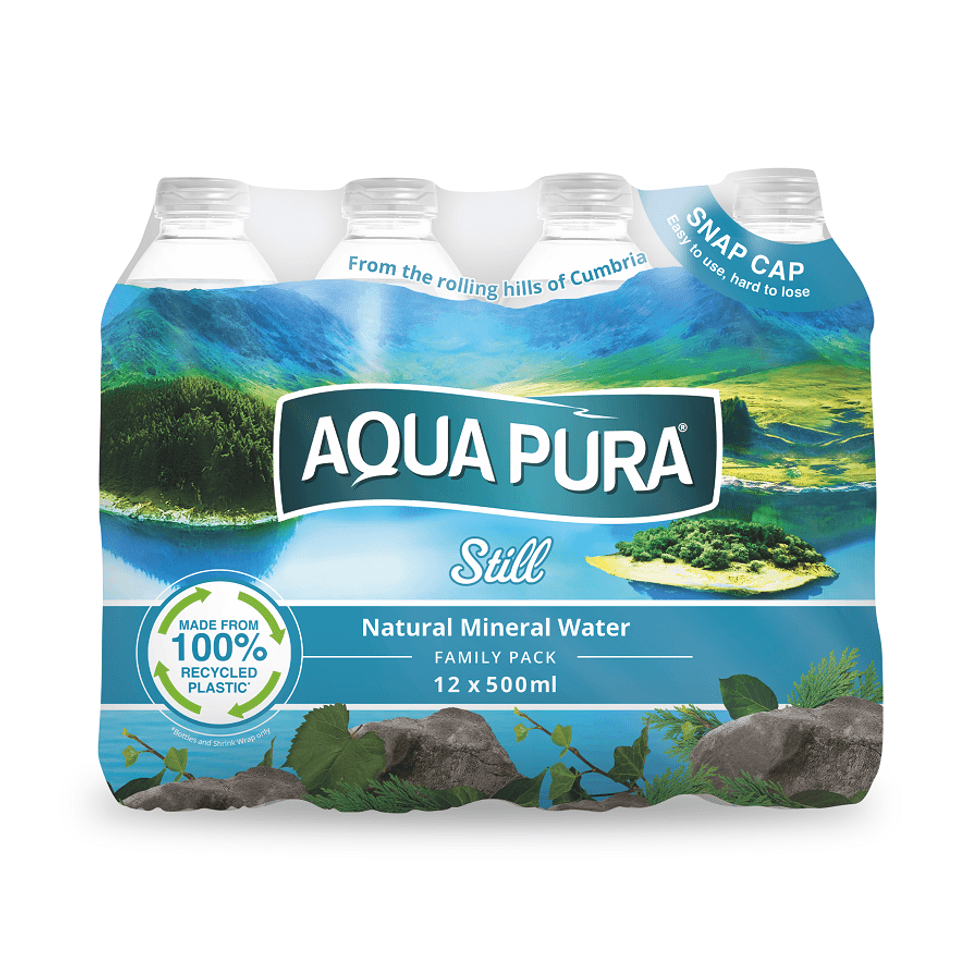 Aqua Pura is bottled at source in the Eden Valley, Cumbria Photo: Handout
This summer, Aqua Pura is bringing Denny the Duck to life as a walking, talking mother duck for a new campaign rolling out across YouTube, Meta and Pinterest from July, forecast to deliver around 37 million impressions. Hollie Veal, Marketing Manager at Roxane UK, said: “Denny's quack has always sounded a bit like the 'Aqua' in 'Aqua Pura' if you listen closely enough, so now we're leaning into it properly. She's cheeky, she's Northern through and through, and she's not afraid to nudge, wink, and poke a bit of fun at a category that's been dry in more ways than one. What's brilliant is that we get to do all of this from a position of real strength, the growth figures give us the confidence to continue to be bold.”
The brand's hero 12x500ml multipack is up 100 per cent year-on-year and its five-litre format up 113 per cent, both riding a wider shift towards larger, value-led formats as shoppers prioritise at-home hydration.
Highland Spring, the UK's number one water brand [NielsenIQ], reports that bottled water is now the fastest-growing category within soft drinks. Rob Long, Category Controller at Highland Spring Group, puts this down to two key trends: proactive wellness and a shift towards positive hydration, with shoppers increasingly looking for drinks that feel refreshing and healthier across still, sparkling and flavoured water.
Summer, Long says, is a crucial sales window. “Warmer weather naturally drives more healthy hydration missions, creating an opportunity to increase footfall, grow impulse purchases and encourage trade-up through strong bottled water availability. Retailers can maximise this by expanding chiller space, stocking a broad range of formats and flavours, and using secondary displays to capture shoppers on the move,” he suggests.
Importantly, he notes, the summer spike is not simply a short-term opportunity: shoppers who discover new waters and flavours during warmer months often continue buying into the category all year round.
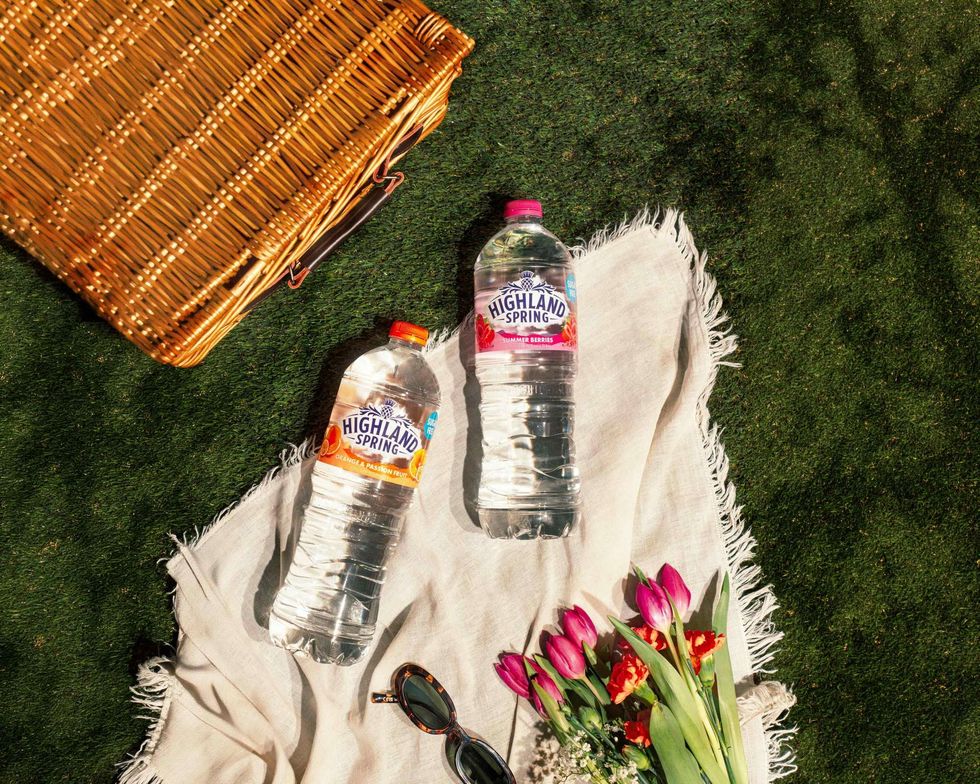 Highland Spring adds two flavours to still water range Photo: Handout
The Highland Spring range spans smaller 500ml and 750ml bottles through to larger 1.25 litre and 1.5 litre formats, with single-serve chiller availability the priority for driving impulse sales. Flavoured water in 750ml and 1.25 litre bottles is, Long says, incredibly important in convenience, and retailers should stock a good breadth of flavours – Apple & Blackcurrant and Orange & Passionfruit among the most popular. Apple & Blackcurrant 750ml was recently named Product of the Year 2026 in the Drinks category.
Long's advice for merchandising is threefold: give trusted, recognisable brands the right space across the fixture; prioritise year-round availability, with extra focus during summer months; and engage shoppers in-store by blocking water by type and brand to make the fixture easier to shop. Because water is often bought alongside other soft drinks, food-to-go and coffee, he adds, HFSS-compliant Highland Spring Flavours can be sited in secondary locations near tills or food-to-go areas to boost impulse purchase.
Highland Spring's summer 2026 activity includes its biggest fully integrated national campaign to date, building on its “Nature Makes Us” platform from June with outdoor advertising, social media and, new for this year, radio. This will be followed in July and August by the “Make Your Day Fruitier” campaign supporting the Flavours range, alongside shopper marketing activations and a major nationwide sampling campaign behind new Summer Berries and Orange & Passion Fruit variants.
Sports and energy push past cola
Sports and energy drinks continue to outpace both soft drinks generally and the wider FMCG market. According to a Red Bull spokesperson, the segment contributed 35 per cent of all soft drinks growth last year [Nielsen Scantrack], with Red Bull itself accounting for more than 37 per cent of category sales and delivering double-digit growth year after year.
New dynamics – gut health, protein and emerging functional ingredients – are creating categories within categories, the spokesperson says, but the biggest beneficiary of this functional trend in cash terms remains functional energy, driven by Red Bull and Monster. Red Bull Energy Drink 250ml is the number one single-serve soft drink and sells more packs than any other food and drink product in the UK.
Perhaps most striking is a shift at the very top of the category: for at least 30 years cola has been the number one soft drinks sub-category by value at a total off-premise level, but sports and energy has now overtaken it in recent weeks [Nielsen Discover].
“Sports & Energy becoming the #1 category to get right from a value perspective is a really interesting provocation for retailers. It’s the ultimate verification that shoppers want more for their soft drinks spend than simply great tasting refreshing drinks – they want that functional benefit too,” the Red Bull spokesperson said.
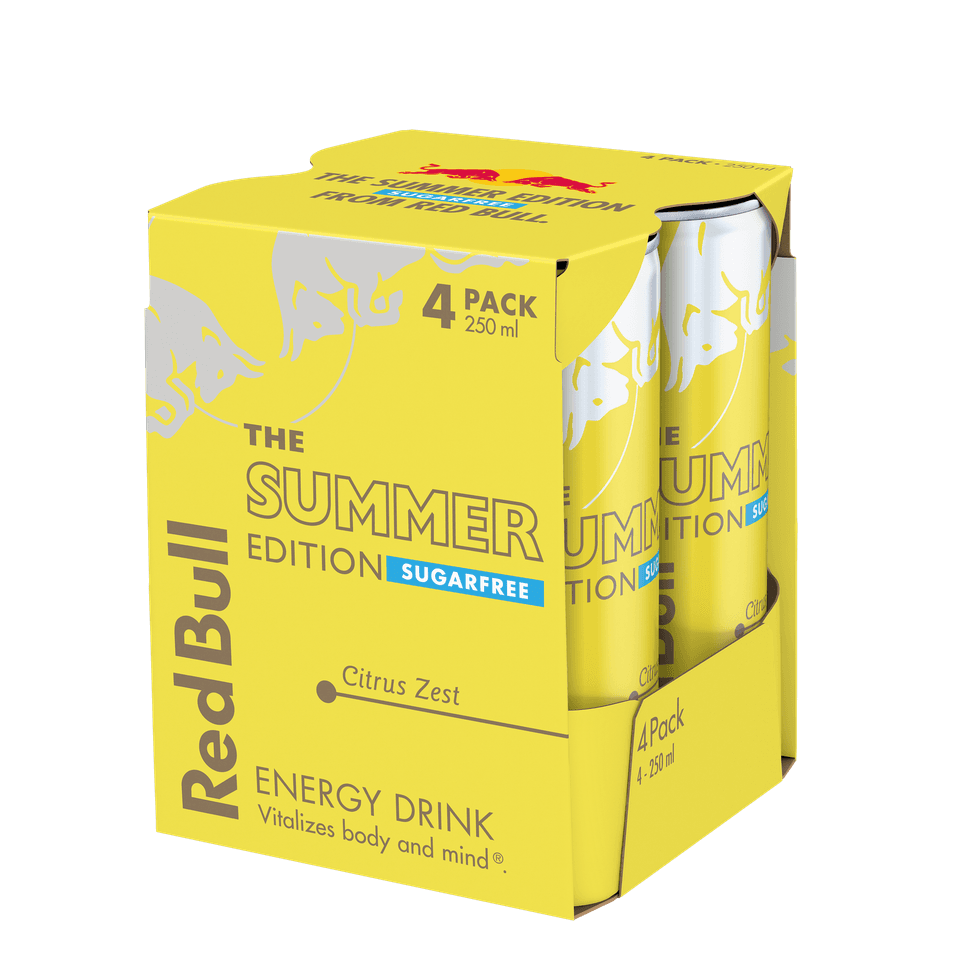 Red Bull launches new summer edition with Citrus Zest Photo: Handout
Functional energy alone accounts for 16 per cent of soft drinks value and 30 per cent of category growth, and was the fastest-growing category in soft drinks last year.
With 88 per cent of sports and energy sales coming from just three brands – Red Bull, Monster and Lucozade Energy – the spokesperson urges retailers to prioritise availability of best-sellers first, then use NPD to drive excitement. Flavours are an increasingly important growth driver, with nearly a quarter of the population now buying flavoured functional energy, and Red Bull Editions shopper numbers up 14 per cent year-on-year. Last year's Red Bull Summer Edition drove 66 per cent more value than the previous year's edition and ranked fifth in weekly FMCG sales.
For merchandising, the spokesperson recommends applying “Perfect Store” principles: placing best-sellers in the strike zone (waist to eye level), multi-facing leading brands such as Red Bull for standout, using strong brand blocking to simplify shopping, and positioning energy drinks near cola to benefit from footfall overlap. Multipacks should be merchandised low in the chiller to encourage take-home volume.
“Space is limited, so key to sales is ensuring availability and visibility of best-sellers.” The spokesperson advises. “The amount of NPD and new brands entering the Soft drinks category is a clear indication to its strength and popularity. A typical core range should look to encompass the best sellers within that category, which drive the majority of sales and footfall into store.”
New from Red Bull is Spring Edition with the taste of Cherry Sakura – a full-sugar variant described as floral, refreshing and fruity, with 78 per cent of consumers finding a cherry-flavoured energy drink appealing [Vypr]. It's available in single 250ml, 355ml and 473ml cans and a 4x250ml multipack. Summer Edition Citrus Zest, meanwhile, is flavoured with Sudachi lime and comes in a striking yellow can; 66 per cent of shoppers say a citrus-flavoured energy drink would be appealing [Vypr, January 2026]. It will be backed by a ‘Work Off. Summer On.’ marketing campaign from June across out-of-home and social channels, plus sampling to drive trial.
Adult soft drinks and premium occasions
Away from the mainstream fixture, Empire Bespoke Foods (EBF) is targeting the growing “adult soft drinks” occasion with its portfolio of speciality imports, including Icelandic Glacial flavoured sparkling water, French lemonade brand La Mortuacienne, American sodas Sioux City and Clamato, and Indian soft drinks brand Hajoori. According to Edward Rayment, Brand Manager at Empire Bespoke Foods, moderation is moving mainstream: 44 per cent of UK adults now moderate their alcohol intake, up from 35 per cent in 2018, while 17 per cent abstain entirely, up from 12 per cent [Kantar, UK Soft Drinks Conference]. Among Gen Z, 52 per cent are moderators and 21 per cent abstainers.
Economic pressure remains a factor too, Rayment notes: 22 per cent of UK shoppers are still “struggling to make ends meet” and 59 per cent are extremely or very concerned about grocery costs, together accounting for £88 billion of grocery spend – making value-for-money a key driver of soft drinks choices even within the premium adult segment.
Rayment highlights bottled water as fast becoming the “go to” and “on the go” drink of choice, particularly where a brand offers a strong reason to purchase – Icelandic Glacial, sourced from the Ölfus Spring in Iceland and bottled at source, is one such example, alongside its Tarocco Blood Orange, Sicilian Lemon and Tahitian Lime flavoured sparkling waters. La Mortuacienne brings five bright French lemonade flavours to the category, while Sioux City offers American classics – Cream Soda, Root Beer and Black Cherry. Clamato, a savoury tomato-based soft drink with clam broth, taps into demand for more distinctive, culinary-style beverages.
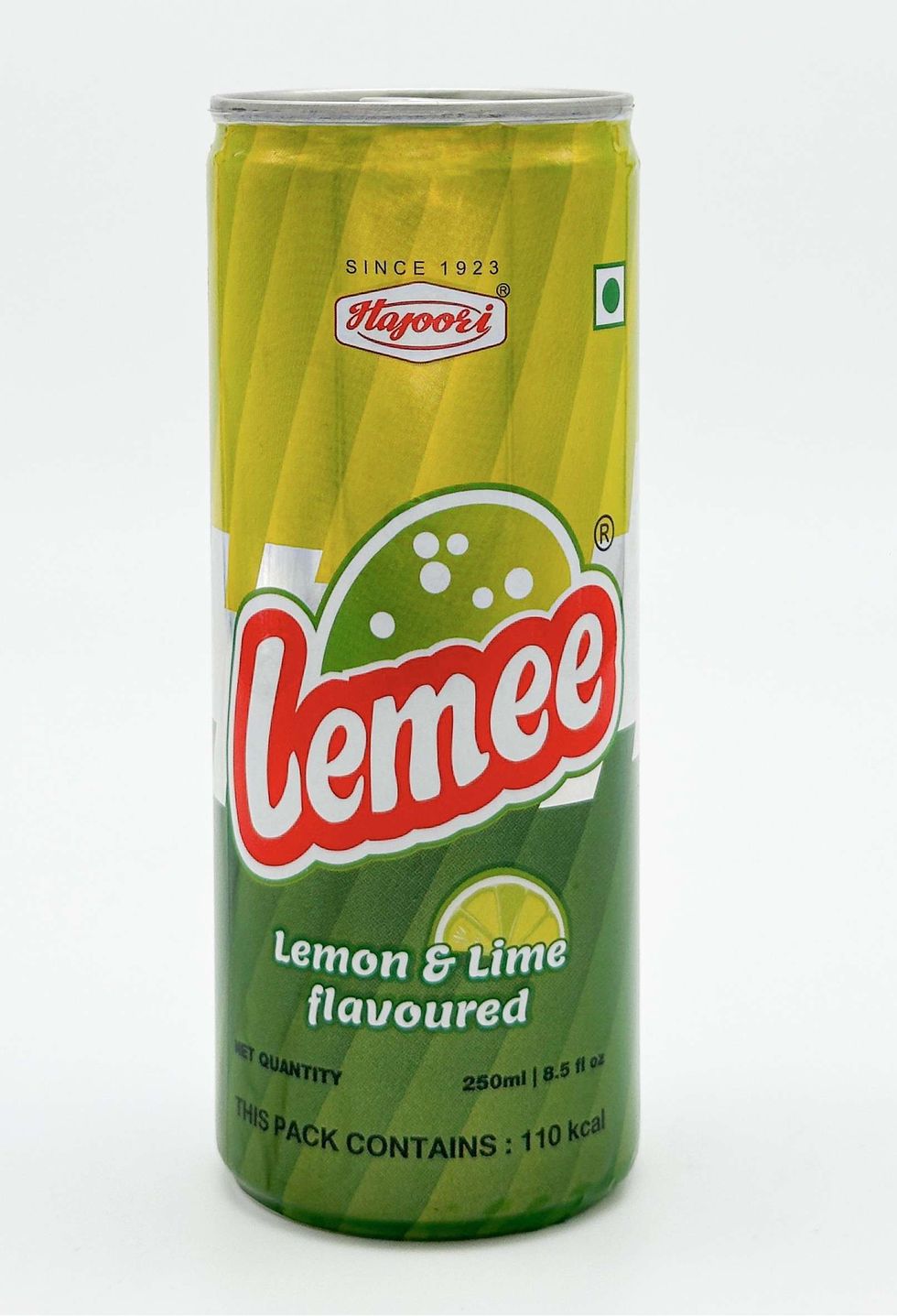 Photo: Handout
Hajoori, the 100-year-old Indian soft drinks brand, has unveiled six new flavours across its Sosyo, Kashmira Jeera and Lemee ranges this summer, and has recently expanded into Morrisons alongside its ongoing partnership with EBF to grow distribution across independent retail. Also new from EBF are Sioux City Sodas in 330ml bottles with “old West”-style packaging, RRP £1.99.
Rayment also points to a growing crossover between the low-and-no and soft drinks worlds. “In the past three years, £0.4bn spend has shifted from alcohol to soft drinks driven by fruit carbonates, energy, colas, and juices. This, combined with the growing trend for “zebra striping” – a moderation tactic which involves alternating between alcoholic and non-alcoholic drinks throughout a night out – is growing evidence that adult softs and low & no can co-exist,” he notes.
His advice for retailers is to keep chillers prominent and well stocked as temperatures rise, and to use in-store and social promotions tied to sporting, cultural or religious occasions to give stores a point of difference.
Modern soda and functional benefits
Simon Gray, founder of Fizz with Purpose, says soft drinks remain one of the strongest and most resilient categories in convenience, with total category value up 6.9 per cent year-on-year [Circana]. But beneath that headline figure, he points to a significant shift: modern soda – drinks that combine great taste with a clear functional benefit – is growing at 412 per cent year-on-year, while cola (+2.8 per cent) and other flavoured carbonates (+4.4 per cent) lag behind. Low- and no-sugar variants now account for 52 per cent of carbonate sales.
“The category's evolution is being driven by several converging factors,” Gray observes. “Consumers are becoming increasingly health conscious, HFSS regulations continue to reshape purchasing behaviour, and younger shoppers are actively seeking products that align with their lifestyle choices.”
Gut health is one of the clearest trends to watch this summer, Gray says, with 96 per cent of UK adults failing to meet the recommended 30g daily fibre intake, prompting growing interest in drinks that help close everyday nutritional gaps. Shoppers are also paying closer attention to ingredients, favouring naturally lower-sugar options, cleaner ingredient lists and products free from artificial sweeteners.
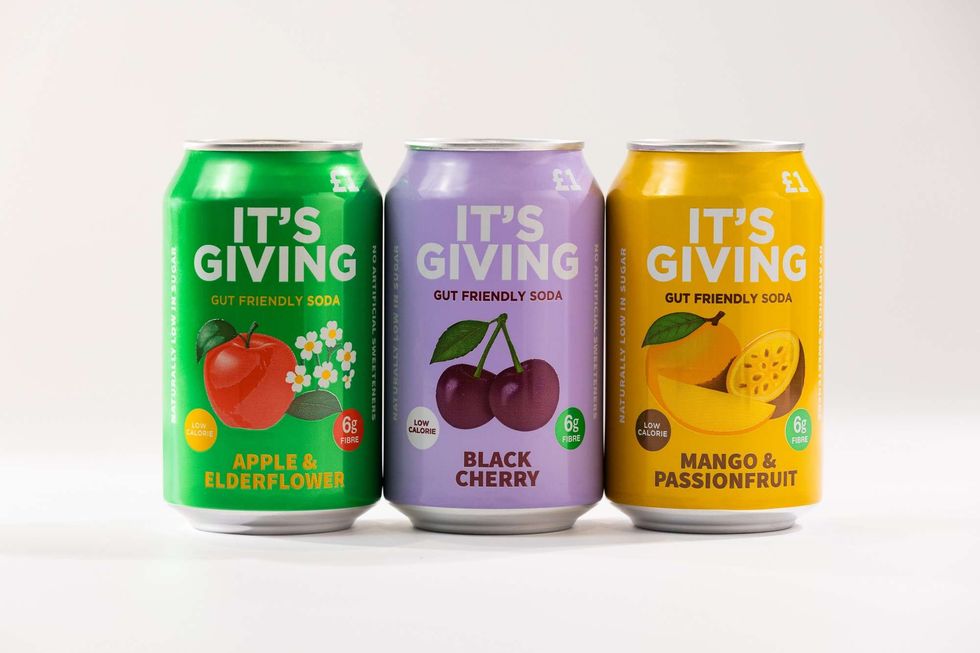 IT'S GIVING officially launched on 30 March 2026 Photo: Handout
Independents, Gray argues, have a genuine advantage here: agility. Soft drinks remain one of the most impulse-driven categories in retail, and while independents may lack the scale of the multiples, they can react faster to emerging trends – reviewing ranges by rate of sale rather than simply stocking the most established brands. The 330ml can remains the strongest-performing single-serve format, with value sales up 8.8 per cent year-on-year, and Gray recommends merchandising functional soft drinks within the main carbonates fixture rather than a separate wellness section, so shoppers can discover new products alongside familiar favourites.
“Understanding where consumer demand is growing and how the category is evolving can help retailers make the most of emerging opportunities while ensuring space is allocated to products that are delivering the strongest performance,” he notes.
Fizz with Purpose's own brand, IT'S GIVING, launched in March 2026 and is available in Apple & Elderflower, Black Cherry and Mango & Passionfruit. Each 330ml can, priced at a £1 PMP, contains 6g of plant-based fibre – 20 per cent of the fibre RDA for adults – and is naturally low in sugar and calories, with no artificial sweeteners, and fully HFSS-compliant. The brand has already secured nationwide wholesale distribution, including through Bestway, Dhamecha, Parfetts, UWS, Filshill, Lioncroft, Musgrave and CJ Lang.
Biotic soda challenges fixture
Challenger brand Living Things is also chasing the flavour-and-function opportunity, describing its range as “biotic sodas”. Now spanning six flavours – Lemon & Ginger, Peach & Blood Orange, Raspberry & Pomegranate, Watermelon & Lime, Rhubarb & Apple and new Cherry & Lime – the brand has grown rapidly since launching in late 2023 and is now the UK's number one prebiotic soda brand by total market sales, according to Circana data, selling a can every two seconds and on track to pass 40,000 points of distribution across more than 10,000 stockists in 18 countries by the end of June.
Ben Vear, Co-founder and CEO of Living Things, said: “Functional drinks are growing quickly, against a backdrop of consumers moderating sugar, but taste remains the key driver of repeat purchase. Consumers might try a drink because of what it offers, they come back because of great taste. This is where we see the real opportunity for Living Things soda and the category as a whole – not as something that sits separately in the wellness aisle, but as part of normal drinking occasions, from lunch and BBQs to sport, socialising and grabbing something from the chiller.”
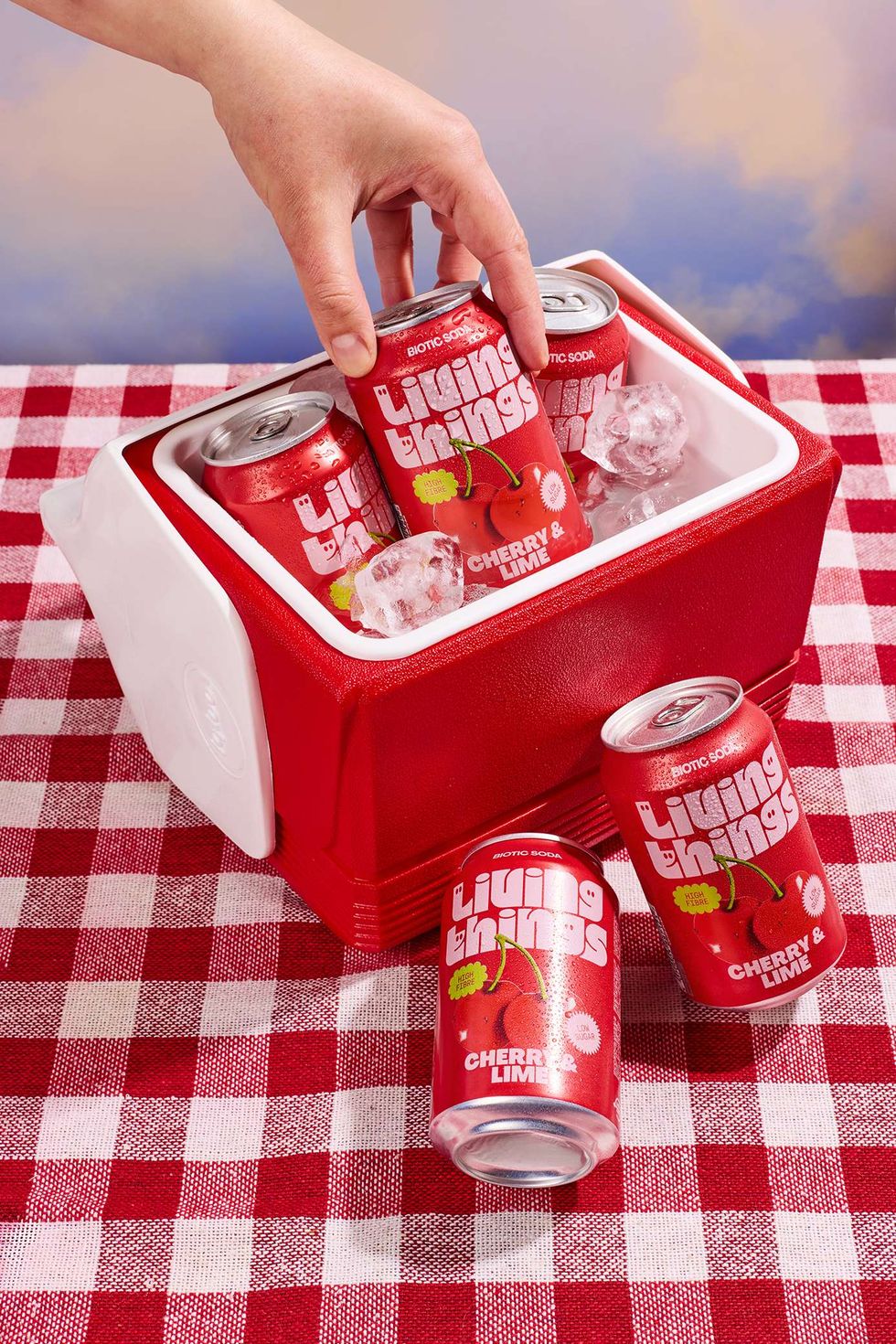 Living Things Expands Its Prebiotic Soda Range Photo: Handout
The newest flavour, Cherry & Lime, has been created for “sunny-day sipping and social moments”, pairing juicy cherry with fresh lime for what the brand calls a nostalgic, retro profile with a sharper, more modern edge. Vear added: “Low sugar is no longer the whole story in soft drinks. Consumers are paying closer attention to ingredients, sweeteners and what a drink actually stands for. At the same time, taste remains the key barrier for functional drinks and consumers don't want to compromise on flavour. The brands that win in functional drinks will be the ones that make better-for-you benefits feel frictionless. Drinks that feel fun, flavourful and easy to choose.”
Living Things is expanding its convenience presence through listings in Co-op Wholesale and Costco. Each 330ml can contains high fibre, low sugar, no sweeteners, fewer than 15 kcal per 100ml, two billion live cultures and all-natural flavours, and is available in single cans, 4x330ml and 12x330ml multipacks.
Juice and kids' formats
Juice-based drinks continue to offer strong impulse appeal, particularly for family and children's missions. Capri-Sun has added fresh momentum to convenience and wholesale with Capri-Sun Orange 200ml PMP at 59p, which landed nationwide in late February. The pouch format is sized for children and families on the go, positioned as incremental to the brand's existing 330ml range rather than a replacement, and features character-led front-of-pack design with games on the back to extend engagement. A Capri-Sun spokesperson said the launch “is set to disrupt the convenience and wholesale sectors by bringing fun to shelf as the first kids' juice drink to feature games and characters on pack.” Key wholesalers stocking the pouch include Booker, Bestway, Dhamecha/Unitas Group and Sugro Group.
Rubicon, described by AG Barr as the UK's number one exotic flavoured juice drinks brand, is running a summer promotion offering independent retailers the chance to win a £10,000 store makeover. Retailers who buy five qualifying cases of Rubicon in depot or online from a participating wholesaler can enter for the makeover, plus branded hoodies, duffel bags and sliders, as part of the brand's “Big Flavour Behaviour” campaign, which includes sampling of more than 700,000 products alongside TV, out-of-home, digital and experiential activity. Rubicon is now a £99 million brand bought by more than four million shoppers [Kantar].
 Rubicon's latest retailer promotion offers a £10,000 store makeover alongside more than 200 branded prizes for qualifying entries. Image: AG Barr
Lisa McKenna, Brand Director for Rubicon at AG Barr, said: “With two Rubicon drinks sold every second across the UK, the time is now for retailers to stock up and make the most of this fantastic competition. Not only will soft drinks sales reach their peak over the next couple of months, but this prize could prove to be a total gamechanger for the store that wins it.
“This is the latest step in a wider strategy that shows how Rubicon's unmistakeable, bold brand identity and standout flavours is helping our customers to drive incremental sales and grow the category across multiple sectors.” The competition runs until 8 August and applies across Rubicon's sparkling, spring water, still, squash and RAW ranges.
Flavoured milk's protein moment
Flavoured milk is proving to be one of summer's strongest sub-categories, with sales up 13.3 per cent to £388.2 million in convenience, now making up 44 per cent of the total £877.4 million category [Circana]. Chocolate-flavoured milk remains the shopper favourite, with sales up 7.8 per cent to £167.7 million, but protein milk drinks are the fastest-growing part of the mix, up 28.9 per cent to £103.7 million – meaning one in every ten flavoured milk drinks sold is now a protein variant.
Mars and Snickers Hi Protein milk drinks from Mars Drinks & Treats (MD&T) sit at the centre of this shift, each 250ml bottle offering 20g of protein and 158 calories. Kerry Cavanaugh, General Manager at Mars Drinks & Treats, said: “Summer remains an important sales period for soft drinks in convenience, with shoppers seeking great-tasting, chilled options that fit into busy lifestyles. In addition to taste and convenience, there is growing demand for drinks that offer functional benefits, like higher protein.
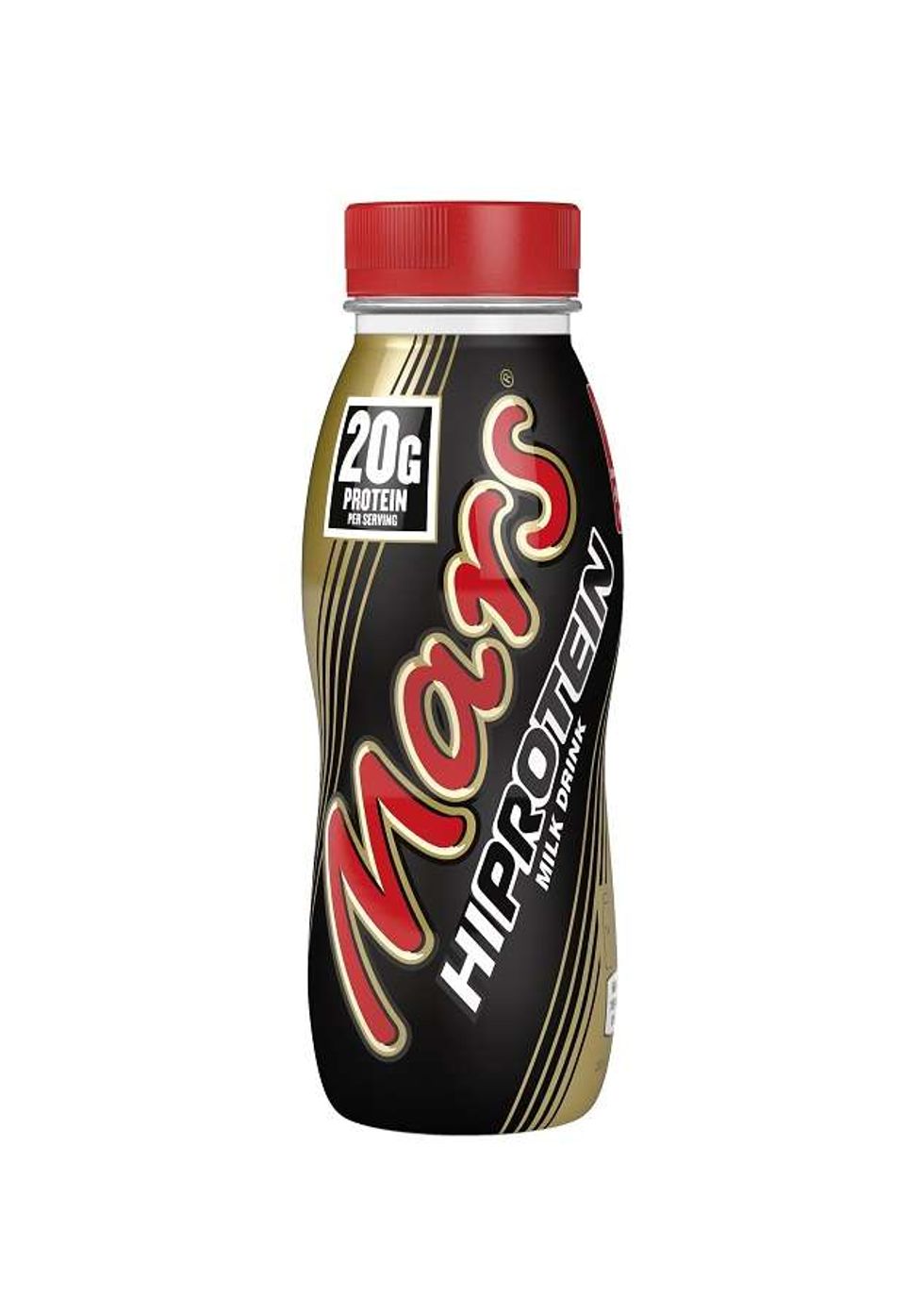 Photo: Handout
“Our Hi Protein milk drinks bring together well-loved brands and flavours with additional protein, helping to draw attention to the chiller. Being HFSS-compliant, they also provide retailers with great-tasting soft drink options that align with current healthier choice guidelines.”
While many flavoured milk drinks are sold ambient to simplify stock management, Cavanaugh notes that placing popular brands in the chiller helps drive impulse purchases, particularly during summer. MD&T has also launched a 702ml take-home format for the convenience channel, broadening occasions beyond immediate consumption. The whole range is suitable for vegetarians and contains no added sugar.
Fanta's summer value play
Coca-Cola Europacific Partners (CCEP) is putting a multimillion-pound investment behind Fanta this summer, introducing a limited-time £1.89 price-marked pack across its 2 litre range – down from £2.15 – across Fanta Orange and Fanta Fruit Twist, while adding Fanta Lemon in a 2 litre PMP for the first time at the same price. Fanta is the number one flavoured carbonate brand in Great Britain [Nielsen], accounting for almost one in every five flavoured carbonates sold, and CCEP notes that price-marked packs deliver nearly 48 per cent higher rate of sale than plain packs across symbol and independent convenience stores each week.
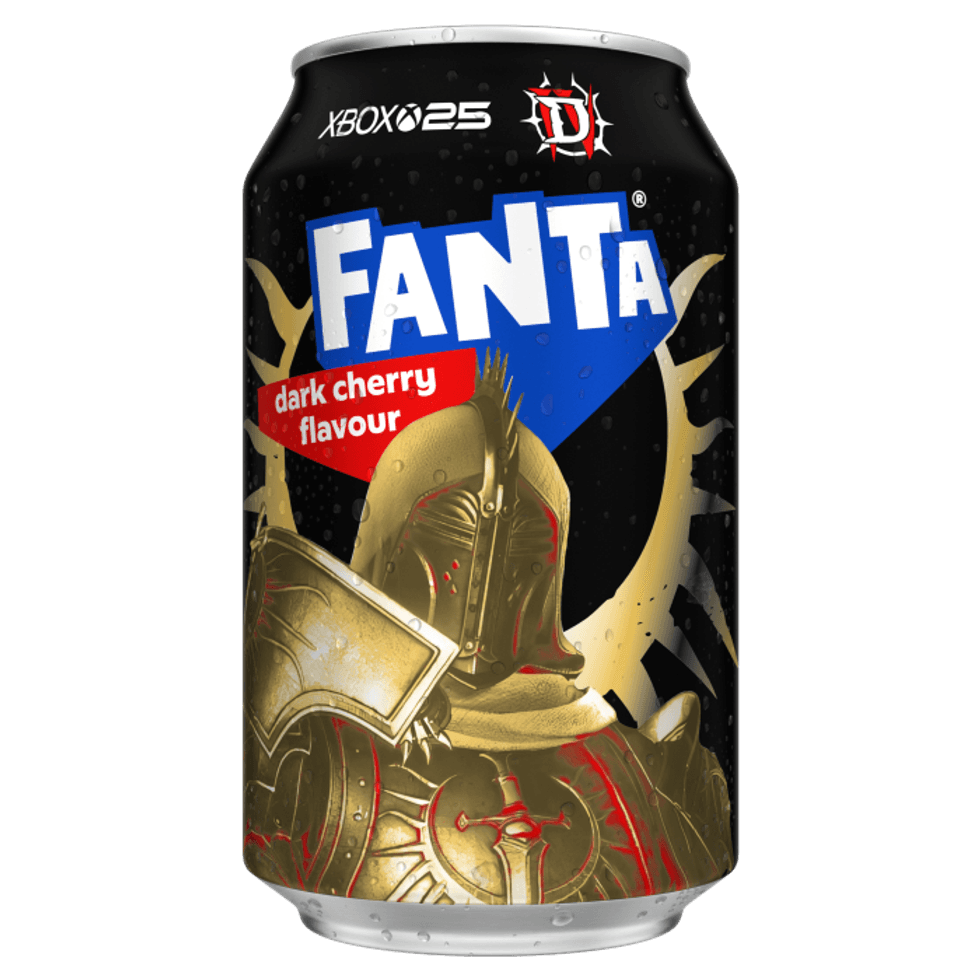 Fanta Dark Cherry NPD Xbox promotion Image: CCEP
“Summer is one of the biggest retail moments of the year for soft drinks, and we know shoppers are looking for brands they trust at prices that represent genuine value,” said Ruth Fawcett, Wholesale & Independent Convenience Associate Director at CCEP GB. “That's exactly what this investment is designed to deliver. Fanta is a summer socialising favourite, and we know visible value drives sales in convenience. By reducing our 2L PMP to £1.89 and introducing Fanta Lemon into the range for the first time, we're giving retailers a compelling reason to stock up and shoppers an equally compelling reason to buy.”
Convenience retailers can access point-of-sale materials and downloadable digital assets via MyCCEP.com to help spotlight the offer in-store.
The bottom line
Across every part of the fixture – from value water to premium mineral water, functional energy to biotic soda, kids' juice pouches to protein milk – the message from suppliers is consistent: shoppers want more from their soft drinks than simple refreshment, whether that's flavour excitement, a functional benefit or genuine value for money.
For independent retailers, the summer months offer a concentrated opportunity to prove the category's worth: keep chillers cold and well stocked, give best-sellers strong strike-zone visibility, use clear brand and flavour blocking to make the fixture easy to shop, and make room for both trusted names and the NPD driving newer, faster-growing segments.
Get the balance right, and soft drinks, water and juice look set to remain one of the most reliable ways to build baskets and bring shoppers back through the door.