



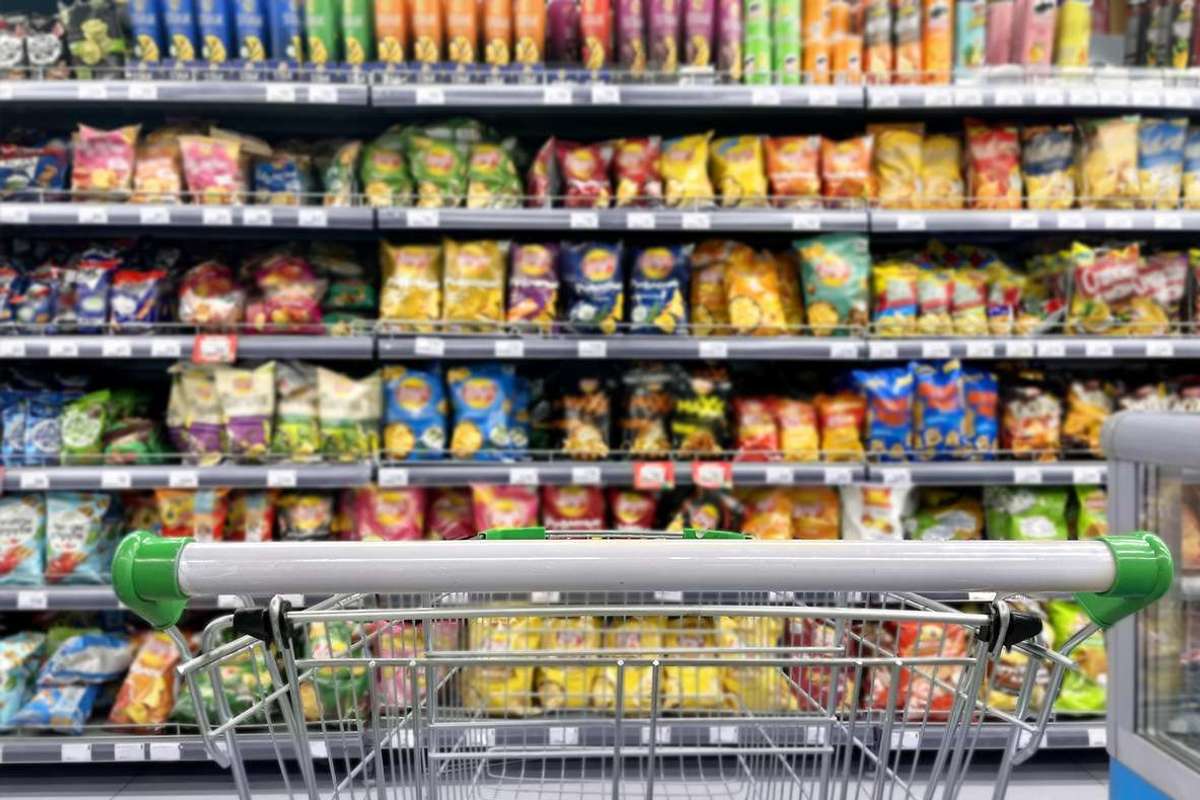

Crisps, Snacks and Nuts (CSN) remains one of the most dependable performers on the convenience fixture. The category is now worth £5.3 billion [NielsenIQ] and continuing to grow, even as household budgets remain under strain. Within it, savoury snacks alone account for over £4.8bn [Circana] and are shopped by 96 per cent of consumers, with over 65 per cent buying at least once a week [Norstat].
But behind the headline numbers lies a more complicated picture. Retailers in the Independent & Symbol channel are currently seeing crisps and snacks sales decline by 1.3 per cent, even as the wider market grows by 0.8 per cent year-on-year. That gap between overall category health and independent channel performance is shaping how suppliers are advising retailers to range, merchandise and promote this year – with value, occasion-led selling and flavour innovation all identified as the keys to bucking the trend.
“CSN is a dynamic, exciting and growing category, outpacing the growth of other impulse sectors,” said Stuart Graham, Head of Convenience and Impulse at KP Snacks. “It represents a massive opportunity for retailers to grow sales and drive footfall by continuing to focus on key consumption and shopper trends.”
He credited KP Snacks' own performance to a broad portfolio built for “all consumer need states, occasions, and budgets,” anchored by what he called “some of the nation's biggest snack brands, with Number 1 brands in many segments from Hula Hoops and McCoy's to Butterkist and KP Nuts.”
Value rules: PMPs and sharing
Cost-of-living pressures continue to define shopper behaviour, and every supplier contacted for this feature pointed to price-marked packs (PMPs) as the single most important tool independents have for driving sales.
As per Circana data, PMPs now account for 83 per cent of snack sales in the convenience channel, with £1+ sharing PMPs alone making up over half of all PMP snack sales. Phil Holford, Senior Brand Manager at Golden Wonder, said this reflects how important visible value has become for shoppers, adding that “shoppers continue to respond to strong flavours, trusted brands and clear value.”
The brand's own £1 sharing PMPs are growing by 36.4 per cent against market growth of 3.7 per cent, driven by recent launches including Golden Wonder Oinks £1 PMP Sharing, Golden Wonder Saucers Sour Cream & Onion £1 PMP and the 35p-PMP Golden Wonder Bikers Cheese & Onion, which Holford said is “expanding our non-HFSS range while maintaining great value.”
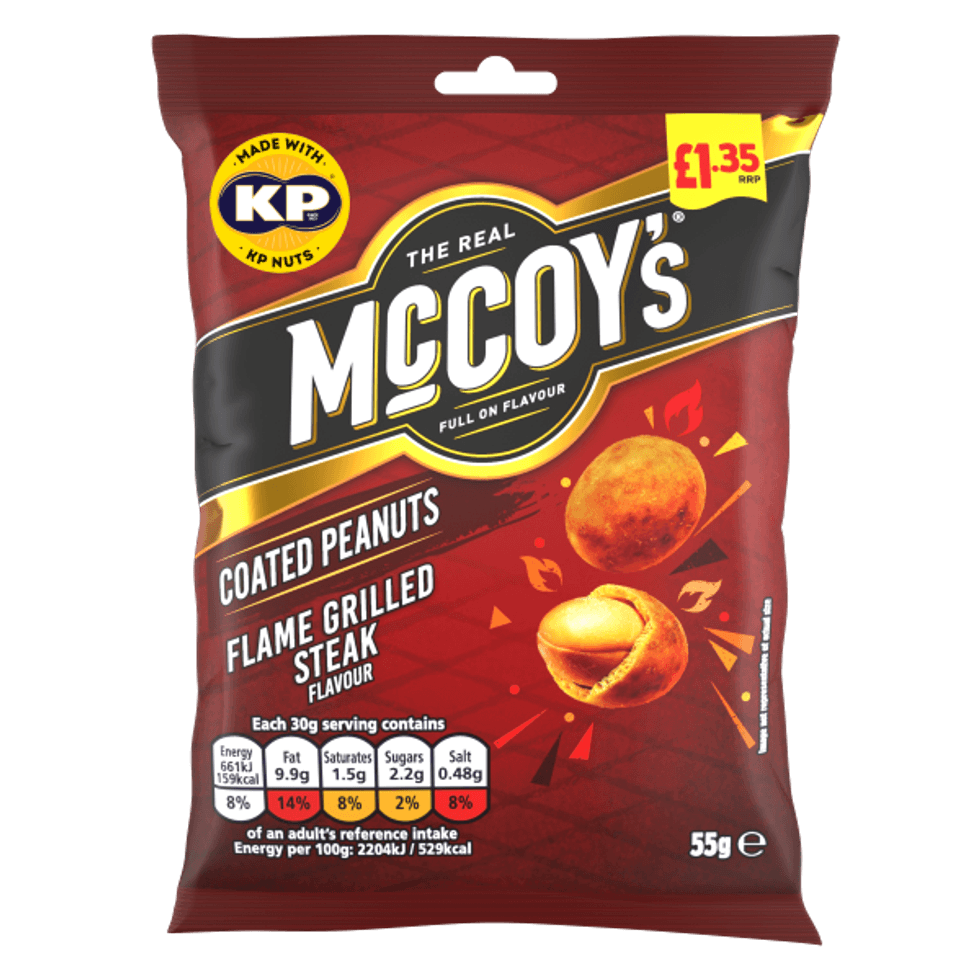 McCoy’s Enters Nuts Category with Coated Range Image: KP Snacks
KP Snacks is taking a similar approach, with a PMP portfolio it describes as “broader than ever before and growing ahead of the overall category,” with Hula Hoops Big Hoops, McCoy's, Nik Naks and Disco's all featuring among the top 10 brands in the large PMP segment.
Recent PMP releases include McCoys Salted, with the new flavour completing McCoy’s PMP flavour line-up, responding directly to consumer demand, with ‘Salted’ representing the number one flavour partition in CSN.
Graham pointed to the firm's “25 to Thrive” ranging advice as evidence that stocking the right core lines pays off. Independent retailers who put the guidance into practice reported an average 15.3 per cent uplift in bagged snacks sales after implementation (based on a ranging trial in three independent retailers, April/May 2024). The guide provides a core recommendation of the 25 must-stock CSN SKUs proven to drive sales, alongside valuable insights on trends and tips.
Sharing itself is the largest segment within CSN, worth £2.1bn and still growing [NielsenIQ]. Rebecca Worthington, Salty Snacks Marketing Lead at Mars Snacking, noted that Pringles remains the number one large sharing branded crisps line, valued at £45.1 million – 2.7 times more than its nearest competitor – and enjoying modest growth of 0.3 per cent year-on-year despite the wider channel decline.
The advice for retailers is to make sure bestselling formats of the biggest brands are double or even triple-faced “to make shopping easy,” with Pringles' three bestselling variants, Sour Cream, Original and BBQ, described as “proven anchor brands that draw shoppers to the category.”
FTG and BNI
Occasion-led selling is the other theme shaping how shoppers approach the category, with two missions dominating: Food to Go and Big Night In.
Food to Go now accounts for 16 per cent of the top 10 missions in the convenience channel [Lumina Intelligence], as shoppers look for quick, affordable options that suit fast-paced routines and tight budgets.
Graham said KP’s portfolio is “strategically positioned to drive the momentum of Food to Go growth, delivering strong single sales alongside flavour innovations that capitalise on key consumer trends,” with PMPs remaining central to that mission.
“In Food to Go, PMPs are leading the way as shoppers seek value and convenience,” Graham noted. “Meanwhile, with more people spending nights in, at-home snacking is booming, with sharing formats fuelling category expansion. As well as gravitating towards trusted brands, consumers are also experimenting with bold new flavours, with spicy and meaty profiles in particular gaining momentum.”
Graham said Butterkist is the UK's number one popcorn brand with 30 per cent market share, and its Crunchy Toffee variant is the category's top-selling branded SKU, while KP Nuts leads the nuts category outright [NielsenIQ].
“When not on the go, people are indulging in snacks with family and friends at home,” he said, adding that popcorn in particular has “huge potential for Big Night In occasions.” Covering nuts, popcorn and pretzels as well as crisps, Graham said the breadth of KP's portfolio allows it to “tap into this trend to create value and generate demand” across multiple parts of the sharing fixture at once, rather than relying on a single format or flavour to carry the occasion.
 Golden Wonder Revives World of Wonder With Two-City Scottish Tour Image: Tayto Group
Golden Wonder's Holford agreed that mission-led merchandising is one of the biggest opportunities available to independents.
“Shoppers increasingly buy snacks with a specific occasion in mind, whether that's lunch on the go, after-school snacking, a BBQ, a Big Night In or watching live sport,” he said. “Retailers who merchandise around these occasions can increase basket spend and encourage linked purchases.”
His practical advice includes positioning sharing snacks alongside beer, cider and wine to help drive Big Night In purchases, siting impulse snacks close to sandwiches, drinks and meal deals to capture lunchtime shoppers, and building seasonal displays around sporting events and barbecue occasions to “encourage incremental purchases.”
Tash Jones, Commercial Director at Fairfields Farm, said the resilience of the wider category owes much to these frequent “top-up” purchasing occasions, alongside strong consumer demand for convenient, treat-led purchases, even as cost-of-living pressures persist.
She pointed to premiumisation as a further factor sustaining category value, “with shoppers increasingly willing to trade up to higher-quality products including hand-cooked crisps and flavour-led innovations that offer a more indulgent snacking experience.”
That appetite for trading up is also reflected in Asian Trader’s exclusive retailer research, with 29.7 per cent of retailers reporting increased demand for premium snacks, while 36.3 per cent say customers are increasingly looking for value.
Flavour, texture, premiumisation
If value and occasion explain where shoppers are buying, flavour explains what keeps them coming back.
KP Snacks said taste remains the number one category driver, whether shoppers are looking for a meal accompaniment, an evening treat or an energy boost. “We are seeing a resurgence in the popularity of bold flavours in CSN,” Graham said, noting that spicy flavours represent the third-largest flavour partition in the category and that demand for meaty flavours is also rising.
The brand's recent NPD reflects this, from McCoy's Coated Peanuts – launched in Flame Grilled Steak, Salt & Malt Vinegar and Thai Sweet Chicken variants in a £1.35 PMP – to the return of Skips Salt & Vinegar after a decade away, tapping into what Graham described as “demand for classic flavours in CSN,” with Salt & Vinegar the fourth-biggest flavour partition in the category. Discos Pickled Onion, revived last year after being off shelves since 2005, was cited as a further example of consumer appetite for nostalgic flavours within the strength of the PMP format.
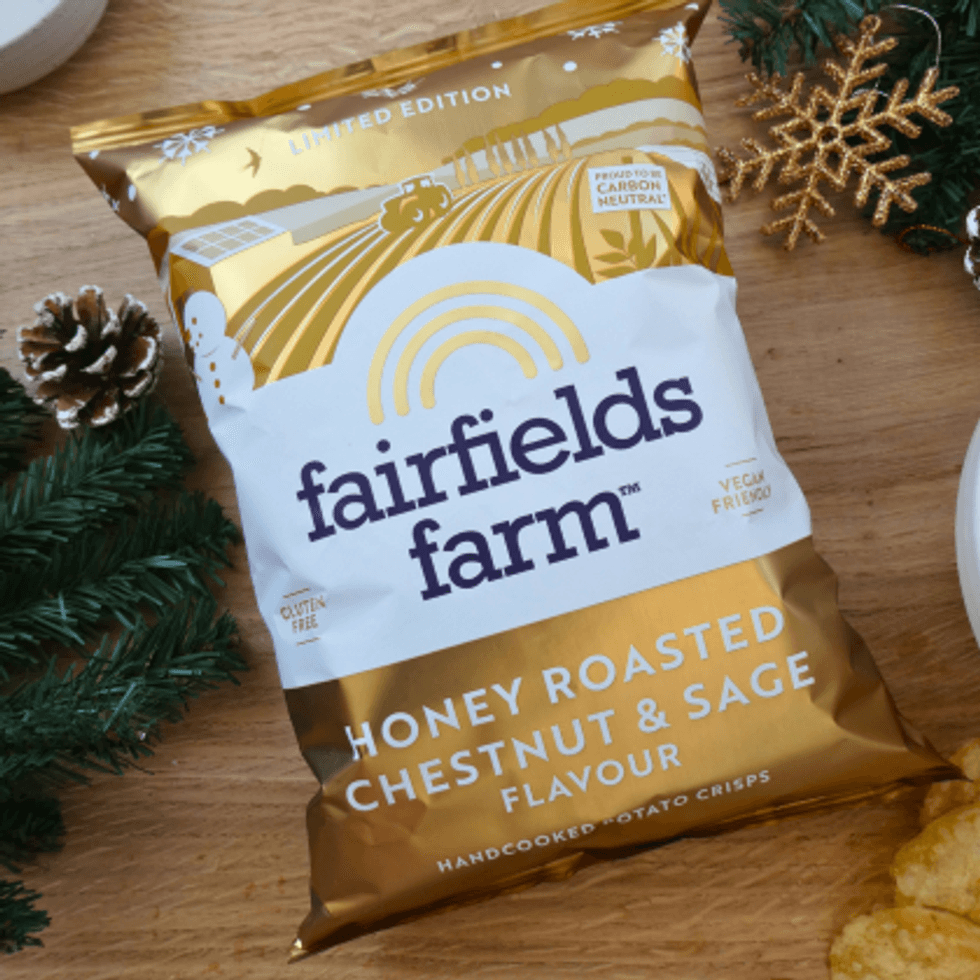 Fairfields Farm has confirmed the return of a much-loved festive crisp flavour, ahead of the 2026 Christmas retail season. Image: Fairfields Farm
Fairfields Farm's Jones identified “bold, complex and adventurous flavours” as one of the biggest trends shaping the category, citing particular growth in “spice-led innovation, including chilli heat, smoky profiles, and ‘swalty’ (sweet and salty) combinations,” alongside continued popularity for sweet-heat pairings.
Texture, she added, is becoming an increasingly important part of the snacking experience, with “ridged, thick-cut, and more 'crunch-led' formats … gaining momentum as consumers look for greater sensory variation,” a trend she expects to continue over the next 12 to 18 months.
Fairfields Farm's response has been the launch of its first ridge-cut hand-cooked crisp, in a limited-edition Cajun Barbecue flavour introduced in 150g sharing bags in June, combining “a balance of smoky depth and subtle sweetness, layered with Cajun-inspired spice notes including paprika, garlic, onion and black pepper, finished with a tangy barbecue undertone and a warming heat.”
The flavour was chosen by the brand's Secret Crisp Committee, a consumer panel that Jones said helps keep the innovation pipeline “directly informed by consumer preference, while also building strong brand engagement and advocacy.”
Even so, Jones was clear that classic flavours still anchor the range, with Cheese & Onion and Lightly Sea Salted continuing as “dependable bestsellers, highlighting the importance of maintaining a balanced range that combines trusted favourites with new product development.”
Golden Wonder is seeing similar momentum behind texture. Ridged crisps now account for 30 per cent of total crisp sales [Circana], and 75 per cent of consumers have bought ridged or crinkle-cut crisps in the past year [One Pulse, Ridges Research], with meaty and spicy flavours accounting for over half of all ridged crisp sales. The brand's own Ridges Flame Grilled Steak & Paprika flavours, sold in £1 PMP sharing bags and six-pack multipacks, are designed to deliver on what Golden Wonder calls its “More Punch Per Crunch” proposition.
“Looking ahead, we expect demand for sharing formats, distinctive flavours and visible value to continue driving growth across the category,” Holford predicted.
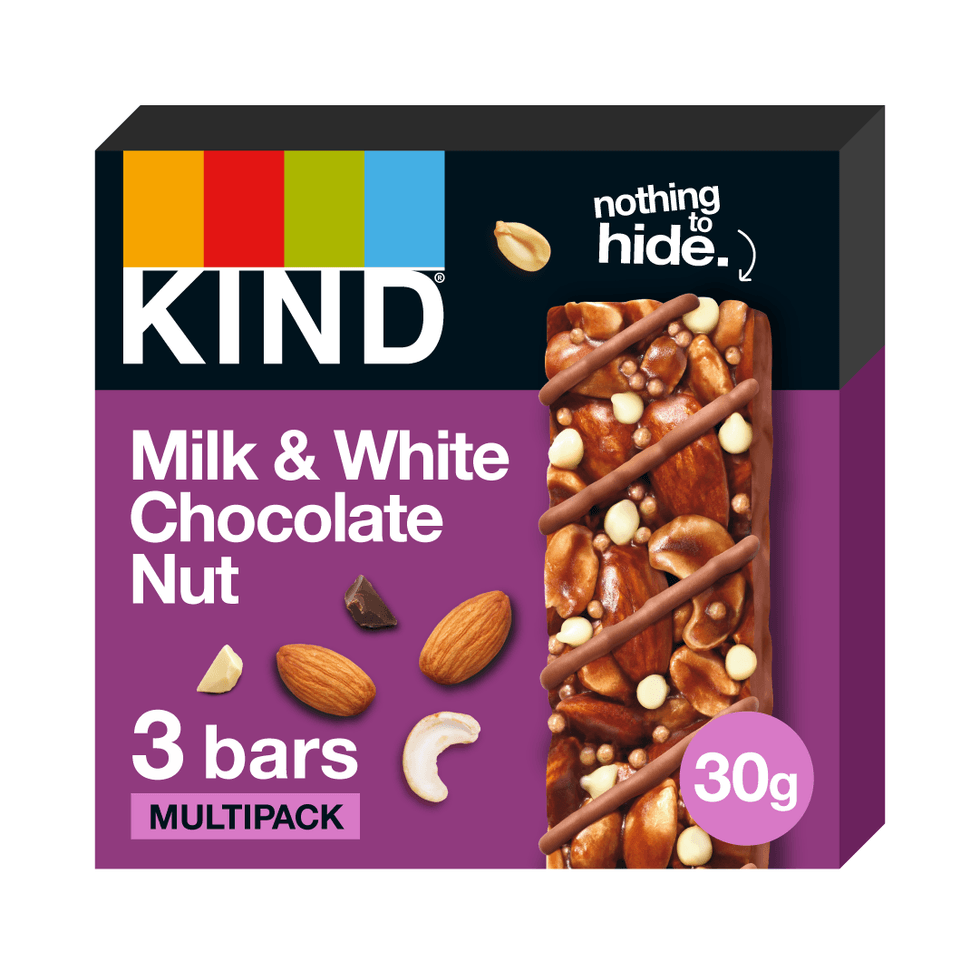 KIND launches Milk White Chocolate Nut bar Image: KIND Snacks
Flavour innovation is not confined to crisps. Giovanna Sinisgalli, Marketing Lead at KIND Snacks EMEA said the UK snack bar category is being shaped by “two seemingly opposing forces – indulgence and health – and the most successful NPD finds ways to deliver both simultaneously.”
Chocolate remains the dominant flavour territory, with milk and dark variants continuing to perform strongly, though Sinisgalli flagged white chocolate as “emerging as a notable trend within the category,” alongside a growing number of multi-chocolate formats that combine white, milk and dark chocolate in a single bar.
Beyond chocolate, she pointed to growing interest in “more layered, premium flavour combinations such as salted caramel, nut butter and complex sweet-savoury pairings that elevate the snacking occasion beyond the purely functional.” Ingredient transparency is increasingly shaping formulation too, Sinisgalli said, with shoppers gravitating towards “whole, recognisable ingredients,” and whole nuts in particular serving as “a powerful visual and textural signal of quality.”
Rebecca Worthington of Mars Snacking framed innovation as “the antidote to shoppers seeking out the value they were once used to,” pointing to Cheez-It as an example of a product offering “something entirely new to the British palate.” The brand commands a 52 per cent repeat purchase rate and is available in two flavours, Double Cheese – which has delivered nearly £13m in sales to date [Circana] – and Cheese and Chilli, described as catering to “the nation's growing appetite for spicy snacks.” A UK-first Cheese and Smokey Bacon flavour launched in July 2025 to mark the brand's first anniversary.
NPD: what's new on shelf
The standout story of the year so far is Cheez-It Snap'd, which has reached £33m in value sales, with 22 million units and 2.7 million kilos sold to date since its September 2024 launch [NIQ].
The hero Double Cheese variant alone has delivered over £17.5m in sales, with Cheese & Chilli contributing a further £8.6m. The brand became the UK's biggest new brand launch in 2024 and ranked as the fourth-largest NPD across all of FMCG, despite only having launched eight months into the year [Kantar Worldpanel].
Cheez-It has since been awarded Product of the Year 2026 in the Cheesy Crisps & Snacks category, recognising its four-strong range of Double Cheese, Cheese and Chilli, Cheese, Sour Cream and Onion, and Cheese and Smokey Bacon. On average, previous Product of the Year winners see sales rise by 10-15 per cent, and the logo itself carries 81 per cent recognition among shoppers, Worthington noted, making it “a powerful driver at shelf and a clear signpost in a crowded category.” Cheez-It has delivered £3.2m in value sales to the convenience channel to date.
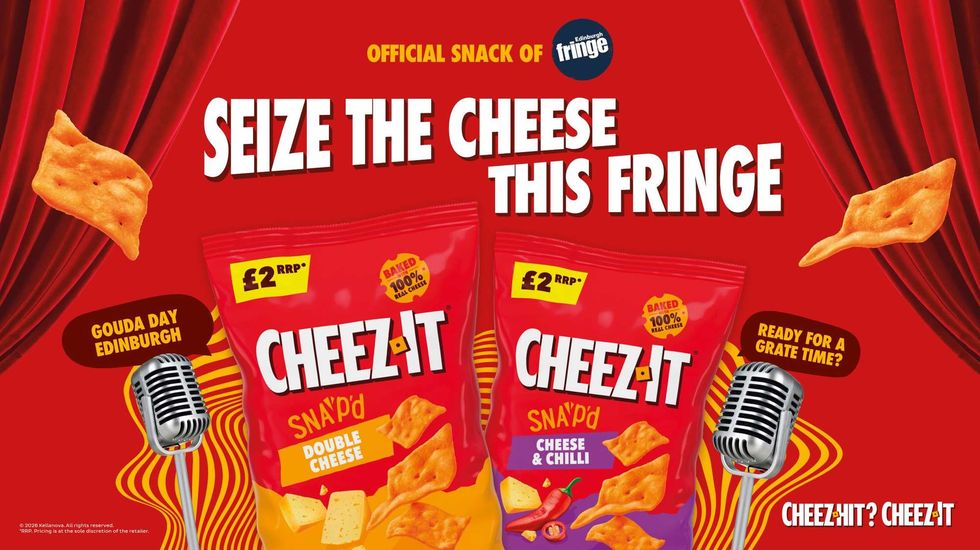 Cheez-It will serve as the Official Snack Partner for the 2026 Edinburgh Fringe, boosting brand visibility during the global arts event. Image: Kellanova
Elsewhere in the Mars Snacking stable, Pringles has partnered with Burger King to launch two new limited-edition, non-HFSS flavours: Pringles x Burger King Bacon Double Cheese XL and Pringles x Burger King Chicken Royale. Available from April until the end of September, the tie-up is timed to capture summer sharing occasions, sporting moments and outdoor gatherings, and launches in convenience via Booker, Bestway and leading buying groups, as well as One Stop, SPAR and Nisa, in a £2 PMP.
KP Snacks has also been active in NPD, with the recent addition of McCoy's Coated Peanuts extending the brand into the tasty nuts category, alongside the returns of Skips Salt & Vinegar and Discos Pickled Onion detailed above.
Golden Wonder's recent launch programme includes Golden Wonder Ridges Flame Grilled Steak & Paprika, Golden Wonder Oinks £1 PMP Sharing – described by the brand as its best-selling bacon-flavoured impulse snack, now extended into the fast-growing sharing segment – the returning Golden Wonder Saucers Sour Cream & Onion £1 PMP, and Golden Wonder Bikers Cheese & Onion 35p PMP. These, Holford said, are backed by “ongoing trade PR, retailer communications and category marketing designed to help independent retailers maximise visibility and drive sales.”
Beyond crisps, Jack Link's is preparing what Shaun Whelan, Head of Convenience at Link Snacks, called “a major step-change” for the brand this year: a partnership with content creator MrBeast.
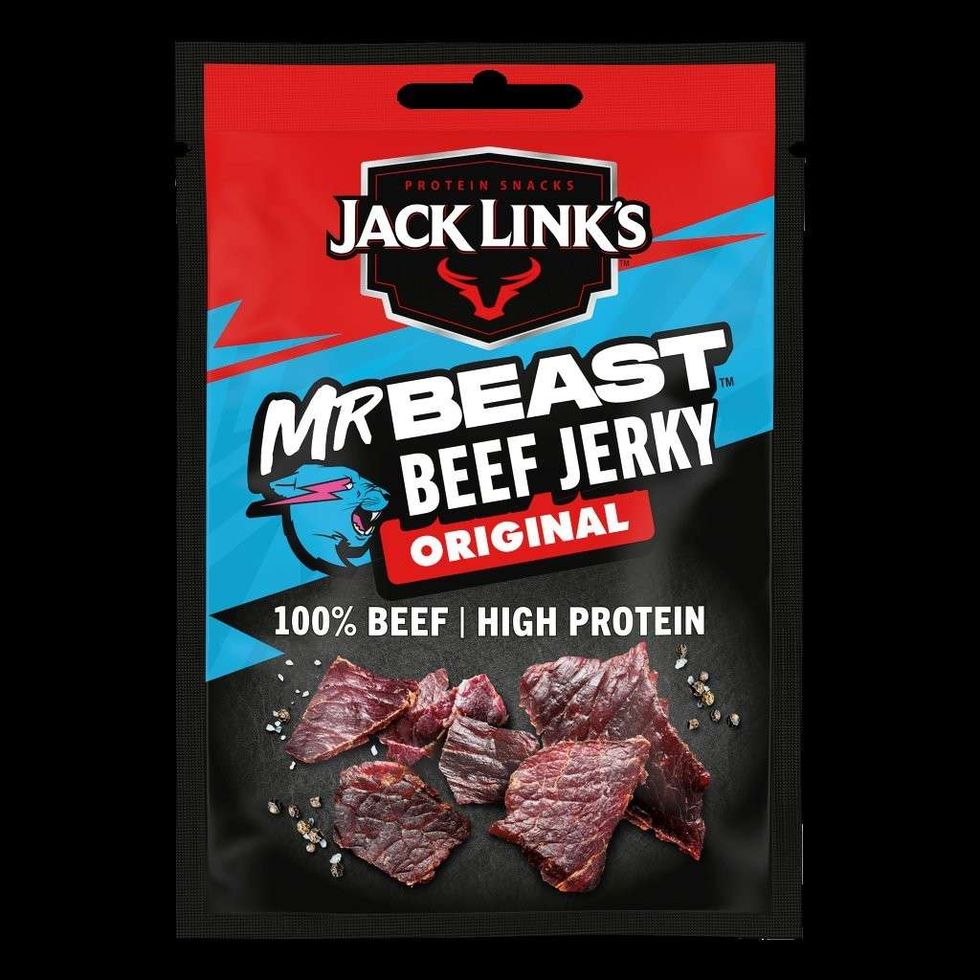 Jack Link's launches MrBeast co-branded meat snacks Photo: Jack Link's
Co-branded packaging designed to “maximise standout in-store” will be supported by a 360-degree omnichannel campaign spanning above-the-line, social and shopper marketing throughout 2026. Whelan said the tie-up “creates a strong opportunity to recruit new shoppers into meat snacks and bring fresh excitement to the savoury snacks fixture,” with the campaign particularly aimed at driving category recruitment among Gen Z and Gen Alpha shoppers.
KIND Snacks, meanwhile, has extended its bar range with the launch of a Milk & White Chocolate Nut bar, its first move into milk and white chocolate inclusions. Sinisgalli described it as the brand's “most indulgent” recipe to date, blending creamy milk chocolate, whole nuts and white chocolate pieces. The bar is high in fibre and gluten-free, contains more than 50 per cent nuts – a mix of almonds, peanuts and cashews – and joins KIND's existing range of Dark Chocolate Nuts & Sea Salt, Peanut Butter Dark Chocolate and Caramel Almond & Sea Salt. It is available as a single 40g bar, RRP £1.60, and as a 3x30g multipack, RRP £3.00.
Protein, fibre, “better-for-you”
Health-conscious snacking is reshaping parts of the category, particularly bars and meat snacks, though suppliers were keen to stress that indulgence and function now go hand in hand rather than competing.
Jack Link's Whelan said snacking has “fundamentally shifted from pure indulgence to a balance of enjoyment and function,” with shoppers increasingly looking for snacks that “work harder for them, whether that's high protein, lower sugar or something that keeps them fuller for longer.”
He pointed to jerky as well placed to meet this demand, offering “the savoury satisfaction shoppers expect from crisps, snacks and nuts, but with the added benefit of naturally complete protein in a convenient, ambient format.”
Flavour still matters within this: while shoppers want reassurance from trusted brands and recognisable formats, Whelan said Sweet & Hot and Teriyaki variants continue to resonate, particularly among younger shoppers seeking “something more exciting than traditional savoury snacks,” offering “bold flavour and variety, while still delivering the familiar protein-led benefits shoppers increasingly look for.”
Whelan also linked the trend to changing daily routines. “Hybrid working, commuting, gym visits and busy days mean shoppers are often looking for convenient options that can provide sustained energy without needing a full meal,” he said, adding that portable, resealable, protein-rich snacks are well placed to meet that need because they are “ambient, easy to consume on the move and offers a more filling savoury snack option.”
As the wider protein category becomes more crowded, he said shoppers are also paying closer attention to ingredient lists and processing, which plays to the strength of meat snacks offering “real meat protein, high protein, low sugar and strong taste credentials in one format.”
Jack Link's Beef Jerky Original 25g remains the brand's highest unit-rate-of-sale SKU, which Whelan described as “an ideal entry point for new shoppers and a must-stock for convenience retailers.” Even so, household penetration for jerky and biltong remains below seven per cent, which Whelan said “highlights significant headroom for further growth.”
His advice to retailers is to treat meat snacks “as a credible alternative within the wider savoury snacks fixture, not as a niche add-on,” merchandised within the main savoury snacks bay and sited secondarily alongside sports and energy drinks and Food to Go, with clip strips used to capture impulse purchases.
“The key is to make the category easy to find, easy to understand and easy to buy,” he said, with a focused range, clear health cues such as high protein and low sugar, and recognisable flavours all helping to drive trial and repeat purchase.
Protein now accounts for approximately 35 per cent of the total snack bar category, with protein boost products representing around 13 per cent and performance protein bars a further 18 per cent [Innova Market Insights]. Sinisgalli said protein is “the most sought-after nutritional attribute across generations,” making it a genuinely cross-demographic growth driver rather than a niche concern, and one that nut-based bars are well placed to capitalise on given the naturally occurring protein whole nuts provide.
Fibre, she added, is emerging as the next major area of consumer interest, with claims within snacking predicted to outpace protein claims by 2027 [Euromonitor; Nielsen] – a shift KIND has responded to by ensuring its protein range is also high in fibre.
KIND's top-performing SKUs are its Dark Chocolate, Nuts & Sea Salt 40g single, with sales value of over £4.5m, and its Protein Bar Crunchy Peanut Butter 50g single, worth over £3.2m. The brand is gaining share across all major retailers, with particularly strong performance in forecourts.
Sinisgalli's advice to independents is to prioritise “visibility and relevance at fixture,” with dual siting across healthier snacking and confectionery to capture both planned and impulse missions. Format also matters, she said: KIND is gaining share across total singles, with core singles now accounting for more than half of impulse sales, something Sinisgalli attributed to the brand's combination of “whole ingredients, protein and indulgence as a single bar solution.”
Treats, sweets and sharing
Not every occasion calls for savoury: sweet treats and biscuits remain a significant part of the sharing and snacking repertoire, according to Joanna Agnew, Marketing Director at Biscoff UK, part of Lotus Bakeries.
Agnew said snacking habits are evolving, with growing numbers of shoppers choosing “to enjoy a little treat between meals, or in some cases, completely replace the traditional three meals with snacks,” a shift she attributed to the convenience snacks offer busy, time-poor customers.
Biscoff's 16x2pk Snackpack has become a popular choice within this trend, offering twin-wrapped biscuits that Agnew said help with “managing portion control” and stay fresher for longer, “allowing these to be enjoyed slowly throughout the working week.”
The brand is already present in 7.4 million UK households [Nielsen], and Agnew said demand continues to build as shoppers pair Biscoff with coffee for an afternoon pick-me-up, or combine the Smooth and Crunchy spreads with fruit, breadsticks or chocolate “for a simple yet tasty snack.”
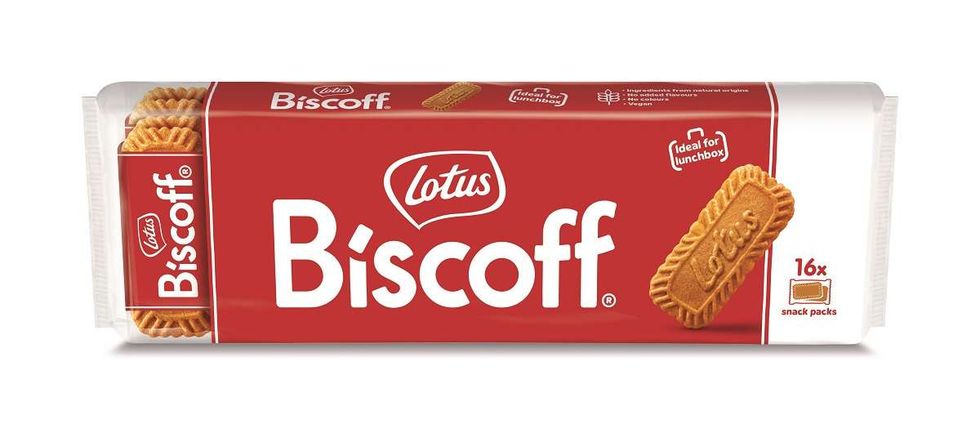 Image: Lotus Bakeries
Social snacking – the “picky bits” trend of grazing on shareable food during at-home gatherings – is also boosting premiumisation across the category, Agnew said, with food increasingly “a key talking point, helping to get conversation flowing between friends and family members.”
Biscoff's Sandwich Biscuits, filled with vanilla, chocolate or Biscoff cream and packaged in a shareable roll, are designed to capture this occasion; the range is naturally vegan, aside from the Milk Chocolate Sandwich Biscuits, and free from nuts.
On merchandising, Agnew's advice is to keep pace with how quickly shoppers make snacking decisions: positioning trusted brands like Biscoff near the door or tills to capture impulse purchases, and segmenting snacking shelves into grab-and-go, multipack and shareable formats “helping customers find exactly what they are looking for.”
Retailer takeaways
With so many suppliers pointing to similar fundamentals, a clear set of priorities emerges for independents looking to grow CSN sales this year.
Stock the proven bestsellers first. KP Snacks' Graham said its “25 to Thrive” ranging advice highlights the 25 must-stock CSN SKUs “proven to drive sales,” and suppliers across the category echoed the importance of getting core lines right before chasing niche or emerging brands. As Mars Snacking’s Worthington put it, retailers should prioritise “innovation from category leaders,” typically identifiable through trade media coverage, trade show presence and frequent rep visits, rather than gambling margin on every viral trend.
Make PMPs and value visible. With PMPs accounting for the majority of snack sales in convenience, and £1 sharing formats outperforming the wider market, price-marked packs remain the clearest way to signal value to budget-conscious shoppers.
Merchandise by mission, not just by brand. Whether that's Food to Go near meal deals and sandwiches, Big Night In sharing bags alongside beer and wine, or seasonal displays tied to sport and barbecue occasions, suppliers agreed that occasion-led fixtures drive stronger basket spend than a straightforward brand block.
Cross-merchandise beyond the snacking aisle. KP Snacks suggested locating secondary crisps and snacks displays in complementary categories such as soft drinks or sandwiches, while also keeping the core fixture easy to shop by blocking similar products together – ridged crisps together, for example – so shoppers can find what they want quickly.
Back range decisions with staff knowledge and in-store support. Fairfields Farm's Tash Jones said the brand works “closely with our independent retail partners to ensure they are fully supported across every aspect of ranging, availability and product knowledge,” including tailored point-of-sale materials and staff training packs. “Giving staff the confidence to recommend products can make a real difference to shopper engagement and helps drive stronger in-store conversion and repeat purchase,” she said – a principle suppliers across the category echoed in various forms.
Don't neglect secondary siting. KP Snacks noted that 56 per cent of crisps and snacks purchases happen in secondary locations in-store [Lumina], underlining the value of impactful branded display beyond the core fixture, while KP Snacks also pointed out that 63 per cent of CSN shoppers say they enjoy trying new products, suggesting NPD deserves a visible slot even within a tightly curated range.
Use signage and store theatre to disrupt autopilot shopping. Worthington said clear signage acts as a “speed bump” that can encourage shoppers to trial something new, and pointed to seasonal campaigns – including a Mystery Flavour Mario promotion that generated £2.3m in value sales, and festive Christmas Mystery Flavour and Pigs in Blankets/Roast Turkey editions worth a combined £3.8m – as evidence that limited-edition “event” flavours can justify an impulse trade-up.
Think beyond crisps for protein and treat missions. With jerky, nut-based bars and biscuit sharing formats all carving out their own occasions, suppliers suggested independents treat these adjacent snacking categories as genuine basket-builders rather than afterthoughts – particularly given the headroom Jack Link's identified in jerky penetration and the fibre and protein trends KIND flagged as still gathering pace.
CSN remains a category of real opportunity for independents, but only where retailers combine strong core ranging with sharp value signalling, occasion-led merchandising and a willingness to make space for the innovation that keeps shoppers engaged. With Food to Go, Big Night In sharing, protein-led snacking and treat-led premiumisation all pulling in slightly different directions, the retailers who perform best are likely to be those who resist the temptation to chase every trend at once, and instead build a range – and a fixture – genuinely designed around how their own shoppers actually snack.