




It is a bright spring morning in Cheadle, Stockport, and Andy Campbell is already thinking about the World Cup. Budweiser wants a meeting. Red Bull and Monster Energy are on the phone. And in partnership with Lucozade, he is kitting out a local football team – shirts, balls, the lot – so he can photograph it, post it, and make sure everyone in the community knows that the Go Local Extra on his patch is not just a convenience store. It is the place where things happen.
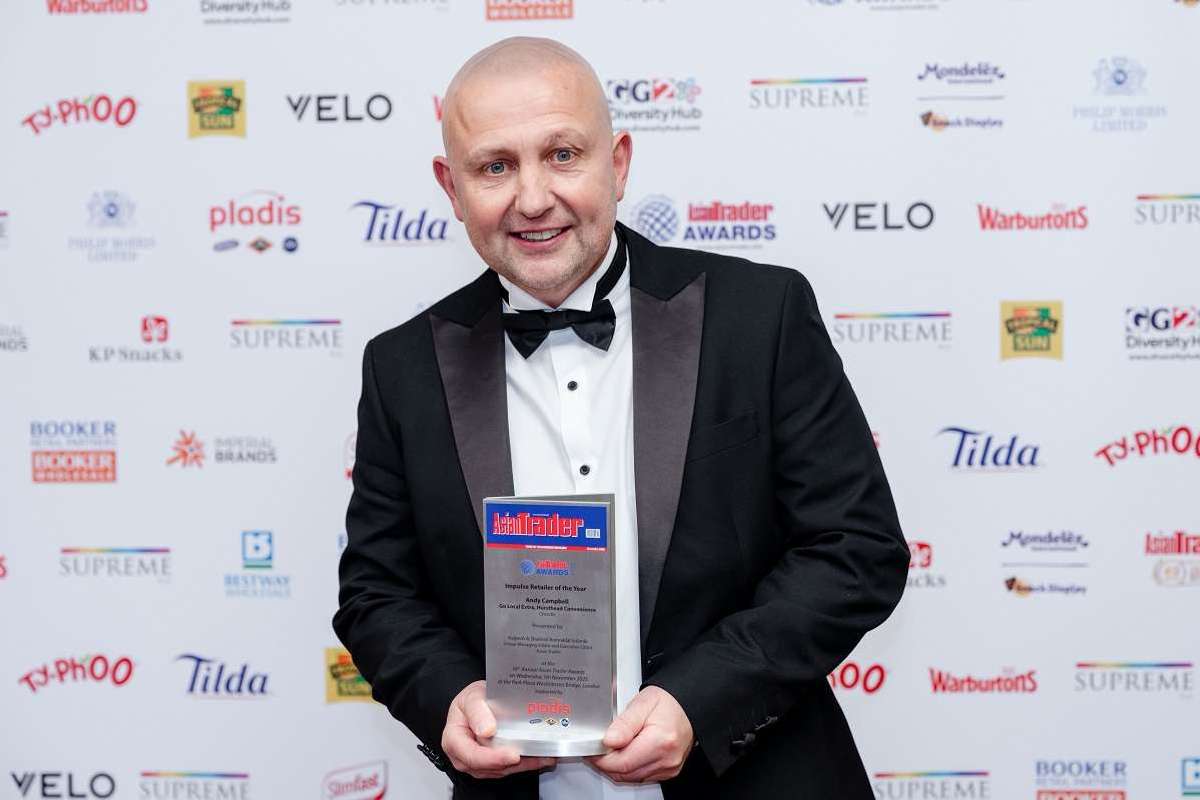
This is the energy Andy brings to his work every single day. It is the same energy that saw the Asian Trader Awards judges name him Impulse Retailer of the Year 2025 – a recognition of a store that one judge, after a visit, described as “a shining example of how any independent retail outlet should look and feel.”
The award sits well on a man who has never stood still. But what makes Andy's story particularly compelling is not the accolades. It is the arc. Because before he won the prize, he had already won the harder battle: of rebuilding, refocusing, and proving that in independent retail, one brilliant store beats ten average ones every time.
Starting at 17
Andy entered the convenience sector at 17, staffing in a local store and learning the trade from the ground up. By his mid-twenties, he had worked his way to manager and then opened three more branches for the owner. When that owner retired, Andy took over – and he was just 24 years old.
What followed was a 20-year run of expansion. Andy built his portfolio to 10 stores, trading under various fascias before eventually settling with Parfetts' Go Local Extra. At the peak, he was running a small retail estate, managing staff across multiple sites, watching the tills in his head.
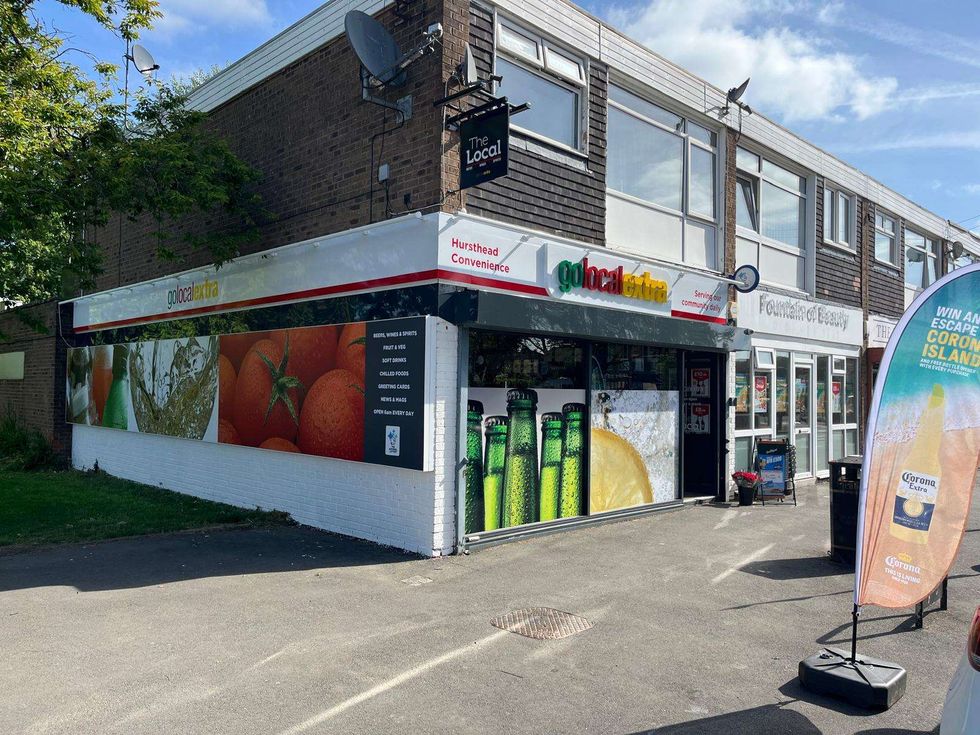 Go Local Extra Hursthead in CheadlePhoto: Handout
Then came the decision that surprised people who knew him. He scaled back. One by one, stores were sold or closed, until Andy was back where he started: running one shop.
“Staffing issues, control,” he says, cutting to the point with the directness that characterises everything he does. “You can expand and sometimes things can go out of control. Once you've got the one, you can control everything. It's all in your hands – and you can make a lot of money out of that.”
One store to rule them all
The retreat, it turned out, was an advance in disguise. Walk into Go Local Extra Hursthead in Cheadle and you notice it immediately: the place is immaculate. Shelves are fully faced, clearly labelled and topped up. Lighting is bright. Staff are in uniform, wearing name badges, and talking to customers. Every price-marked pack has a shelf label in front of it. There is no ambiguity, no vagueness, no sense that someone might be getting stung.
This last point matters enormously to Andy. He talks about it with real passion – the idea that the convenience premium, long a silent tax on customers who cannot get to a supermarket, is a trap that independent retailers set for themselves.
“People come into convenience stores and think they're going to be overcharged – that's the perspective they arrive with,” he says. “So, you've got to get it in their head that you're not that sort of convenience store. If the pack says £1.50, it will be £1.50. Unless it's on promotion at £1.20, in which case you'll charge £1.20.” He pauses for emphasis. “None of my customers ever asks, 'How much is that?' They trust me to give them a fair deal.”
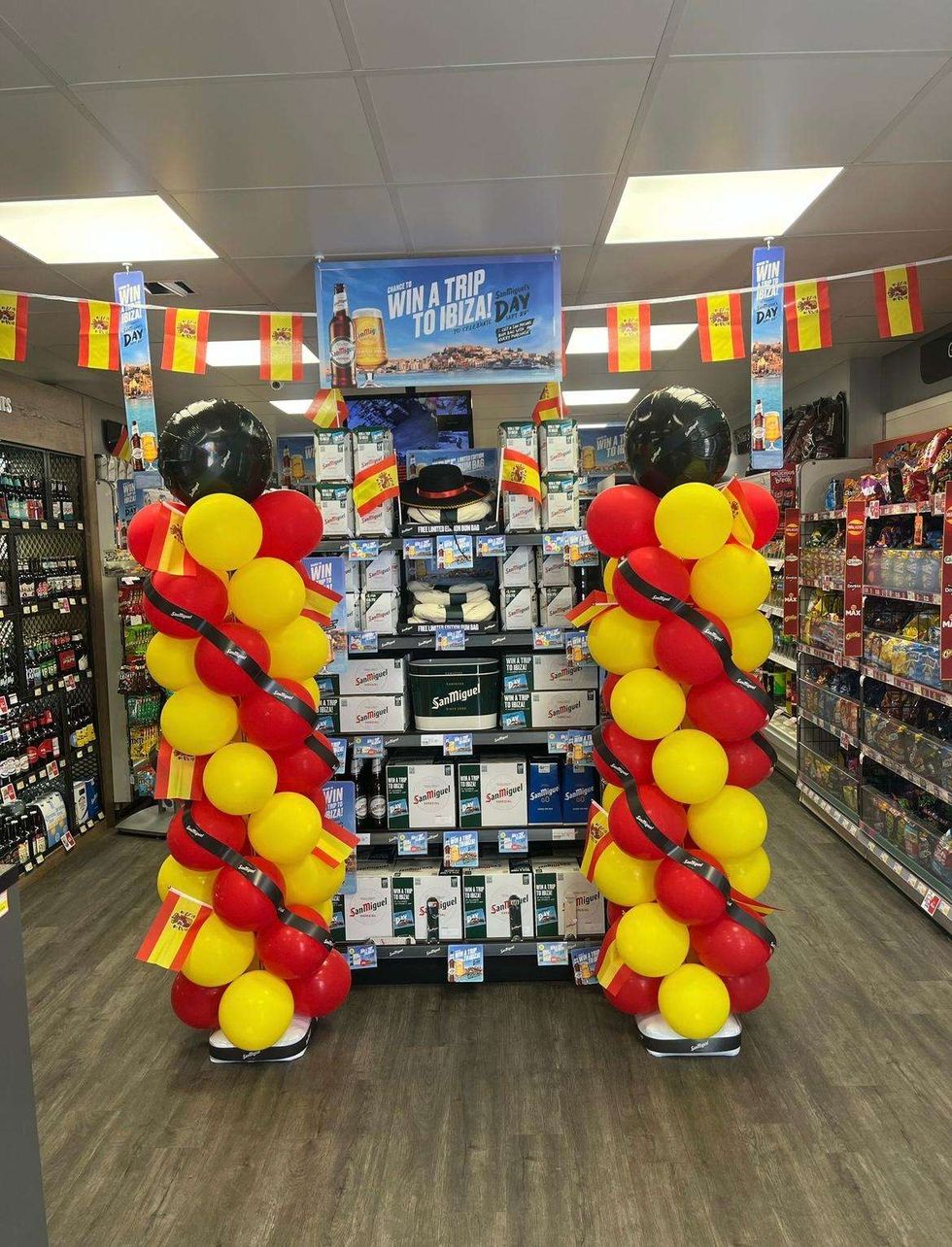 Go Local Extra Hursthead in CheadlePhoto: Handout
The judge who visited the store ahead of last year's Asian Trader Awards confirmed as much, noting that his “enthusiasm for our trade is utterly compelling” and that the store is “well lit, welcoming, clean, superbly merchandised – an example to all retailers.”
Andy's non-negotiables are few but firmly held. Cleanliness first, always. Stock performance second – shelves that are full, ranges that do not run out. “If you run out of stock once, that's acceptable. Do it twice, three times – they won't come back, because in their head they'll go, 'No, does he have it?'” Pricing transparency third.
And through it all, the discipline of a man who runs one store as though it were a national chain – but with something no chain can replicate.
“Try and be corporate about it, even though you're independent,” he says. “Your staff are clean, tidy, speaking to customers. Because sometimes, for some customers, that might be the only person they see all day. So have a chat. Make them want to come in and use your store.”
“If we do things that we do very well, people will come to your store, and that's the difference.”
Impulse, instinct and ‘chicken wine’
Andy thinks about impulse sales the way a chess player thinks about board control: always three moves ahead, always looking for where attention will naturally travel. New products are multi-sited as a matter of course – at the till, on a motion stand, and on the shelf. “People come in and go, 'Oh, you've always got new stuff,'” he says. “They're picking things up, picking up, picking up – and there are three spots where that can happen.”
Complementary ranging is a given. Pork scratchings and peanuts hang in the beer chiller. Wine bags dangle beside the wine. A Haribo stand – placed, at Andy's insistence, directly in the walkway to the till – shifts sweets to adults who came in for something else entirely. “It's the impulse of people walking past and getting things in their head,” he says.
The most important metric in the store, by Andy's reckoning, is basket spend. Promotions are the engine that drives it. He has no patience for retailers who avoid running deals on the grounds that margins are tighter. “If you don't run your promotions, people aren't coming in. And when they grab something on promotion, I'd say 80 per cent of people will buy extra stock. So, it's getting your basket spend up.”
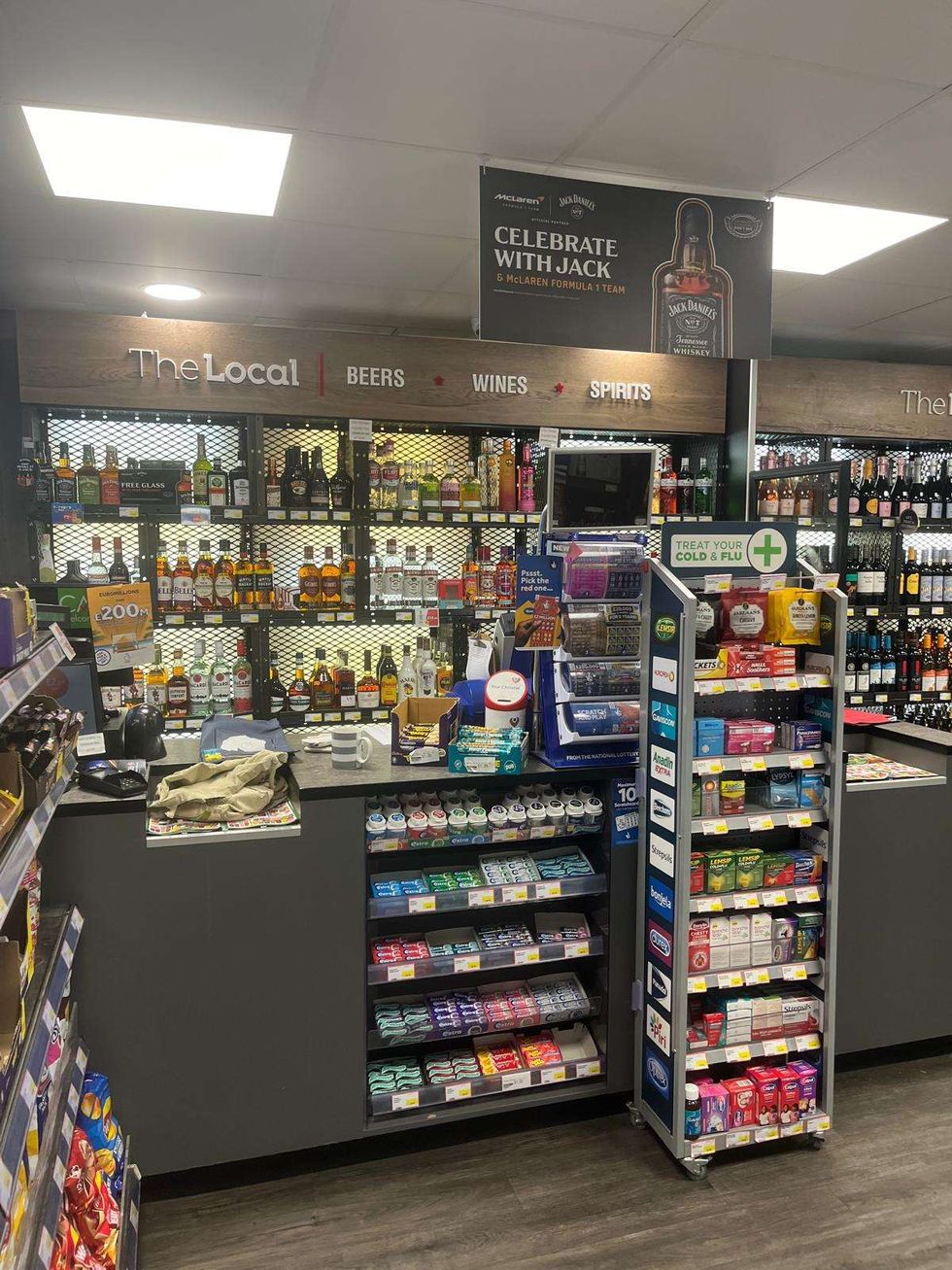 Go Local Extra Hursthead in CheadlePhoto: Handout
Confectionery is his highest-margin category – around 35 per cent – and at roughly £4,000 a week in sales, it is a consistent and reliable driver. New flavours from the energy drink brands, limited editions, Pringles collaborations: he wants them first, prominently displayed, generating the initial sales spike that builds the habit. “Be first to market,” he says simply. “Get them pushed out there. When they come out, you'll get a massive uplift on initial sales.”
Then there is the chicken wine episode – a story that perfectly illustrates both Andy's approach to his team and his willingness to follow an idea wherever it leads. One of his younger female staff members flagged a bottle of French rosé that had gone viral on TikTok, shared by users who nicknamed it “chicken wine” because of the rooster on the label. Andy had never heard of it. He Googled it, ordered stock, and within a weekend had sold ten cases. He now moves six to eight cases every week.
“I don't know anything about TikTok,” he admits cheerfully. “But I've got quite a few girls who do. When they're on it, they can tell me: this is on TikTok, we need to do this.” The staff member who spotted the chicken wine trend got rewarded. That, Andy makes clear, is how his team works.
The vape pivot
In June 2025, the government's ban on disposable vapes came into force, and the convenience sector held its breath. Nobody quite knew how customers would react, where the market would go, or whether the category that had become a lifeline for many independent stores would survive the transition intact.
Andy did not wait to find out. He went straight to Parfetts.
“When the vape laws changed and disposables were going missing, I went to them and said: right, what are we doing about this? We need to do something, because no one knows which direction it's going to take.”
What followed was a deliberate, structured repositioning of vape at the Cheadle store. Working with Parfetts and Phoenix Retail, Andy installed a purpose-built digital vape bay with a media screen, which had previously been tucked alongside the spirits range. The new unit presented a full range, clearly-supported compliance and – crucially – gave the store a confident, professional identity as a vape destination.
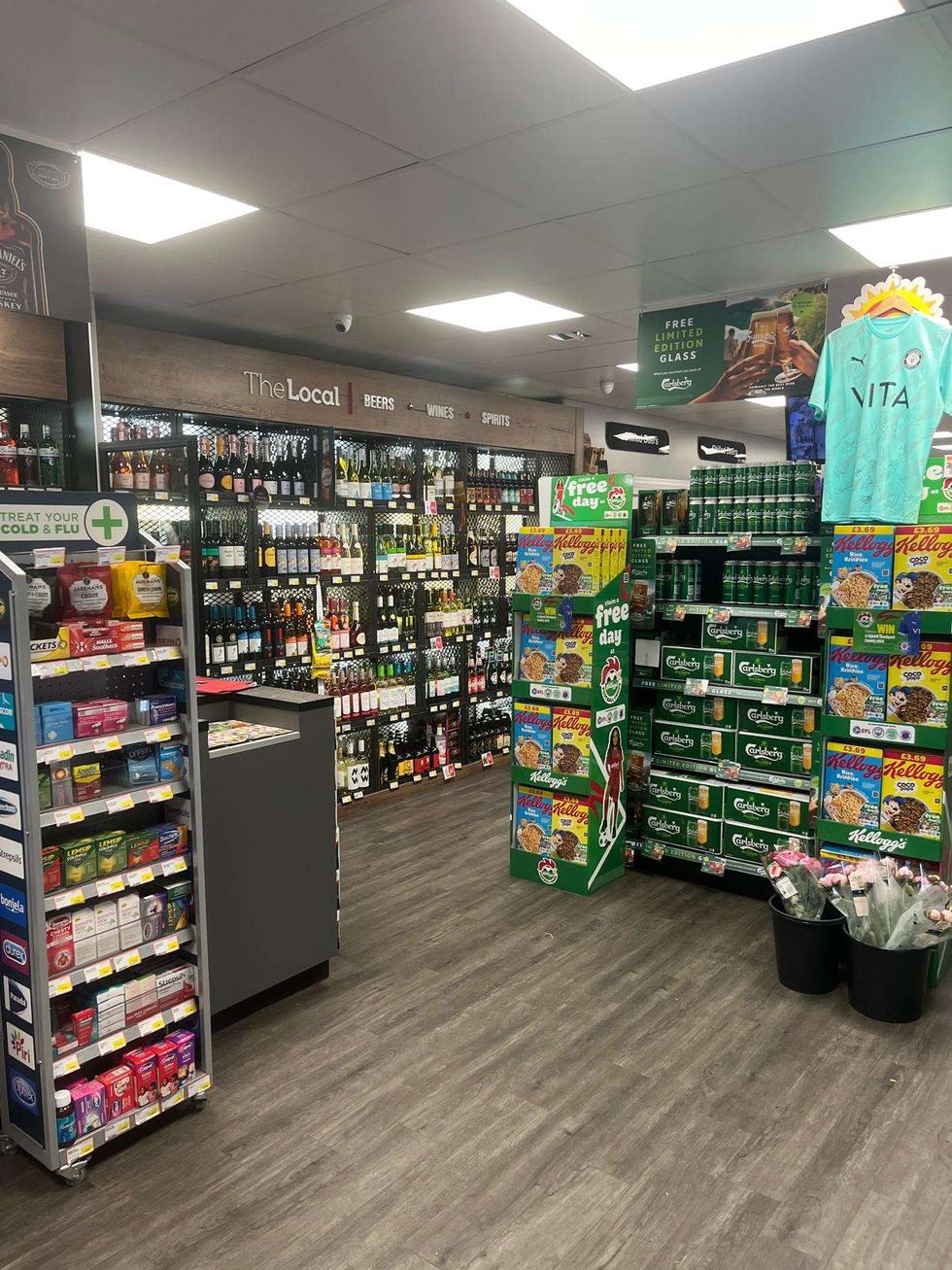 Go Local Extra Hursthead in CheadlePhoto: Handout
He also made a counter-intuitive pricing call. Instead of maintaining his standard 40-48 per cent margin on vape, he dropped it to 30 per cent. Lower margin, higher volume – a deliberate strategy to build footfall and cross-category spend.
“People were going to come to my store because I'd got a bigger vape range. If they came in and said, 'Oh, he's cheap on vapes, we'll go there' – well, once you've been in a few times and you like the shop, you'll buy something else. And then something else. And then something else.”
The results, reported in January, were striking. Sales across the vape category had risen by 40 per cent since the new bay was installed. By Andy's own more conservative estimate at the time of our interview in May, the store was still running at a sustained 25 per cent uplift from pre-change levels. Customers began requesting specific flavours. If Andy didn't have a flavour in stock, he could check availability through the Parfetts app and place an order on the spot – another small but significant moment of individual service.
“We aimed to make this a professional and well-presented destination for vape customers,” he said. “Feedback has been extremely positive.”
But Andy is not naive about where this category is headed. He watches the legislative horizon with clear eyes and warns other retailers not to become dependent on tobacco and vapes as a revenue crutch.
“Do not put all your eggs in one basket with vapes and tobacco. They're going to change. You need to get your store ready – the sales are going to go down. A lot of convenience stores have survived because of vapes. This will really, really not be a good thing for convenience stores. It'll send it underground into the black market, and it'll make a lot of convenience stores go back to where they were. You've got to work harder to make sure your sales are not dependent on it, because it is going to kill the industry.”
Partnership, not dependency
Andy has been with Parfetts and Go Local Extra since 2018 and recently signed for another five years. He is emphatic about what a symbol group relationship should and should not be. “A symbol partner should be exactly that – a partner. They should be willing to invest in your business, take time to understand it, and then deliver a plan alongside you that will take it to the next level.”
In his case, that has meant investment in the store, access to senior contacts at Parfetts from RDAs to the marketing team, and genuine product dialogue – Andy regularly suggests own-label extensions to Parfetts and feels, he says, that they actually listen. Soft drinks, vegetables and toilet rolls are performing well under own label. Price-marked packs are a point of particular enthusiasm.
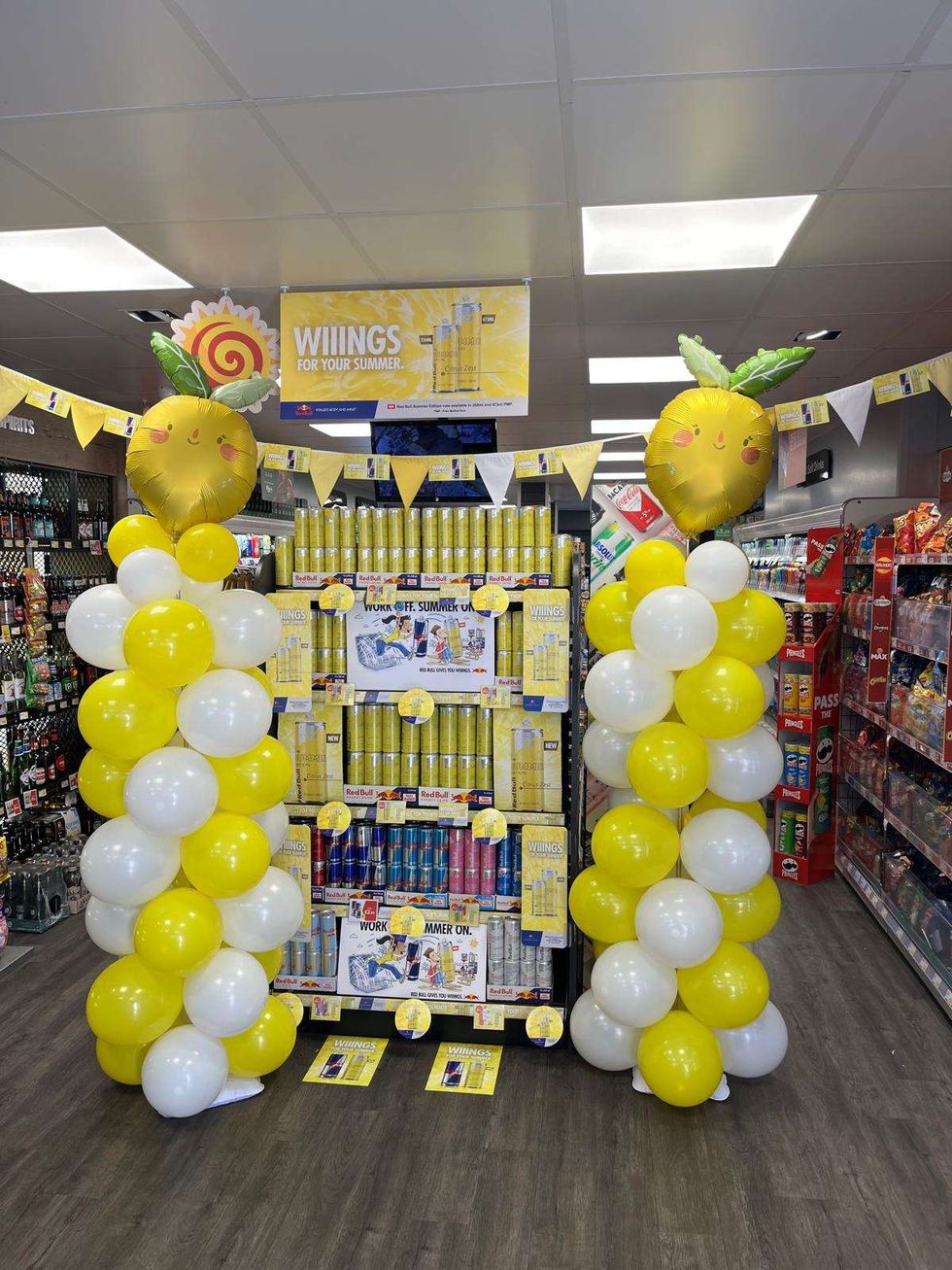 Go Local Extra Hursthead in CheadlePhoto: Handout
“The Go Local Extra offering has always been strong – no joining fee, free delivery, free POS kits, free marketing support,” he said. “If anything, the deals and promotions have improved. Go Local now delivers bigger margins across a wider range of products, meaning I can compete locally and continue to increase margins – which is a win-win.”
Crucially, he retains his independence. Parfetts ask for minimum order levels and the running of their promotions. In return, he gets unlimited support, access to their best pricing and the Stockport depot nearby for top-up visits, seasonal trade events and face-to-face strategic conversation.
Tech, screens and staying sharp
The digital screens above both tills are not decoration. They are, by Andy's account, active sales tools. When Pringles and Burger King launch a co-branded product at the store, it goes on the screen. When a Red Bull takeover is planned – with a party outside and a mountain bike giveaway for anyone spending over £10 – it goes on the screen. When Kellogg's is doing a road show, it goes on the screen.
“People are queuing up. They just see: 'Oh, that's on offer – I'll go and get that,'” Andy says. “The screens do multiple things. They drive footfall, drive people into the store, and drive sales within the store. People queuing up see something they didn't know was on offer and grab it. That's what the screens are doing.”
He is also in conversations about digital shelf-edge labels – though he is relaxed about timing. Price management is already rigorous: checks twice a week, prices locked in at source when product is received.
“We don't give it away too cheap and we make sure it's right. But digital labels might cut the time I need to spend on costings. You press a button to change them on the shelf edge.” He pauses. “I think that's another confidence builder for the customer – that's most important.”
What's next: The energy zone
With the World Cup on the horizon, Andy is already in conversation with Budweiser, Monster Energy and Red Bull about in-store activations. His read on the category opportunity is precise: because games will kick off at 10pm, 11pm, midnight, energy drinks will be as important as beer for a large section of his customer base. “If you're going to stay up and you're not drinking, you might need an energy drink. So, we feel that energy is going to be a massive driver for the World Cup.”
The bigger project, though, is what he calls the Energy Zone – a dedicated area that will bring together Monster's own fridge, Lucozade, Red Bull and the wider energy range in a single destination. No more hunting across the chiller for different brands. “You go to that zone and think: right, can I have a Monster, a Red Bull, a Lucozade – all the others. That'll be an Energy Zone. It's like a beer cave, but for energy.”
It is a classic Andy Campbell idea: take a strong existing category, give it a physical identity, and turn it into a destination. The same logic that drove the vape bay. The same logic that drives the Easter egg push, the Haribo stand in the till walkway, the chicken wine on the shelf.
The lessons from 40 years
Ask Andy for one piece of advice to give an independent retailer looking to build trade, and he answers without hesitation.
“Promote your store as actively as you can. People will not just come – you need to be out there shouting about your store. And when they do come, make your store the best it can be so they want to come back. Because customers are hard to get. Once you've got them, keep them.”
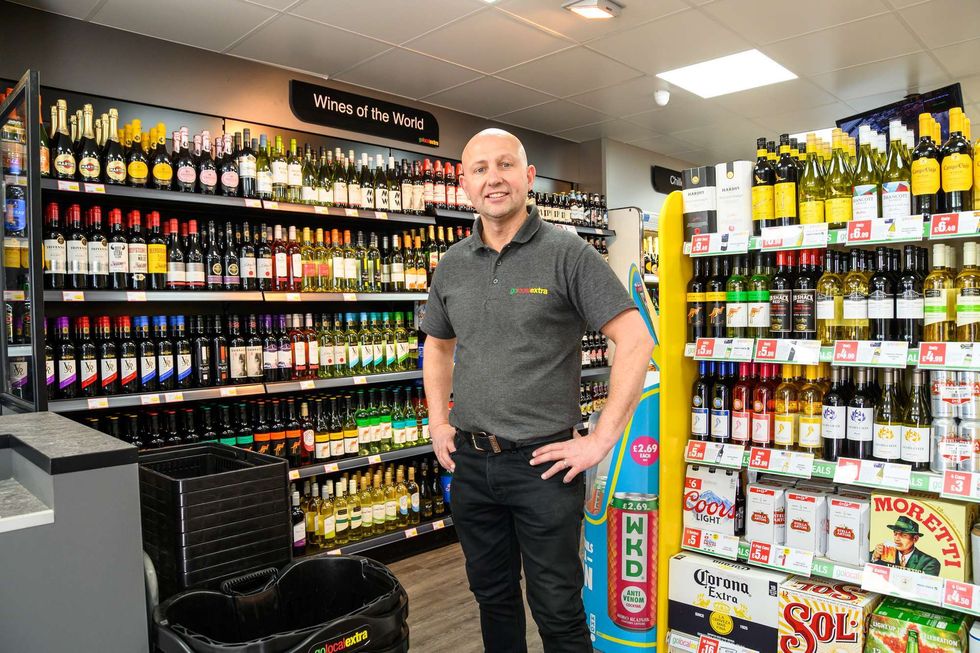 Andy Campbell Photo: Handout
He has run shops for four decades. He has managed ten sites and now manages one. He has watched supermarkets expand into convenience, seen vapes rise and start to fall, navigated a pandemic, scaled back and rebuilt. Through all of it, the core philosophy has not changed. Know your customers by name. Keep your shelves full. Price fairly. Never let a customer wonder what something costs. Work with your team, not above them. Promote relentlessly.
There is no algorithm behind any of it. No dashboard, no data analytics tool. Just Andy Campbell, behind the counter – or more likely out in front of it – making Cheadle's busiest shop the one that people want to come back to. Again, and again, and again.