




Eid al-Fitr is one of the two main, equally important, Eid celebrations for Muslims (the other being Eid al-Adha, which commences after the annual Hajj pilgrimage). Occuring at the end of Ramadan, the month of fasting, Eid ul-Fitr is a festival that marks the ending of those fasts.
It is celebrated by family and other social gatherings, with traditional sweet dishes, feasting, wearing new clothes, shopping and gift-giving. In the UK, the festival was widely celebrated on Friday 20 March. Muslims celebrate Eid ul-Fitr traditionally over the first three days of Shawwal, the tenth month of the Islamic calendar.
That means Eid would be setting a joyous tone for Spring, which is just around the corner, with the clocks moving to British Summer time on Sunday, March 29.
Changing times
Ramadan, culminating with Eid, is already being counted as Britain’s biggest economic occasion after Christmas and Easter. According to 2025 research by the think tank Equi, Ramadan is estimated to contribute between £800 million and £1.3 billion annually to the UK economy, which has grown at least five-fold since 2018 when, according to the landmark report published back then by ad agency Ogilvy, the “Ramadan Bump” already added £200 million to the UK economy.
The Ogilvy research, titled “The Great British Ramadan”, also found that Muslim consumers were disappointed in contemporary engagement by brands and retailers, with 62 per cent saying that they were not being served well.
A now classic 2020 survey commissioned by creative agency Mud Orange also confirmed this, with 63 per cent of British Muslims responding that supermarkets continued to deploy outdated activations across stock, content and design.
“Unlike Christmas and Easter, when supermarkets effectively build a distinct brand role during the cultural moment, Ramadan efforts across supermarket chains follow a homogenous design and product approach which often feels imported, ethnic specific and culturally disconnected from modern British Muslims,” the report states.
Things have certainly moved on – and in the right direction – since then, as our Ramadan report in the previous issue made abundantly clear. Brands and outlets have finally clocked the “Muslim Quid” and have begun enthusiastically to cater for the nation’s Muslim community – 2.6 million fasting Muslims according to he Muslim website 5 Pillars, approximately four per cent of the UK population – over Ramadan and Eid.
5 Pillars also reported that, after a focused 2024 Ramadan campaign, Sainsbury’s, saw a 21 per cent increase in sales, while last year, retailers such as H&M and Asos (added to in 2026 by Next) launched “modest fashion collections” for Ramadan and Eid, and IKEA introduced its first Ramadan-themed home collection, GOKVÄLLÄ, featuring décor and utensils tailored for iftar and suhoor.
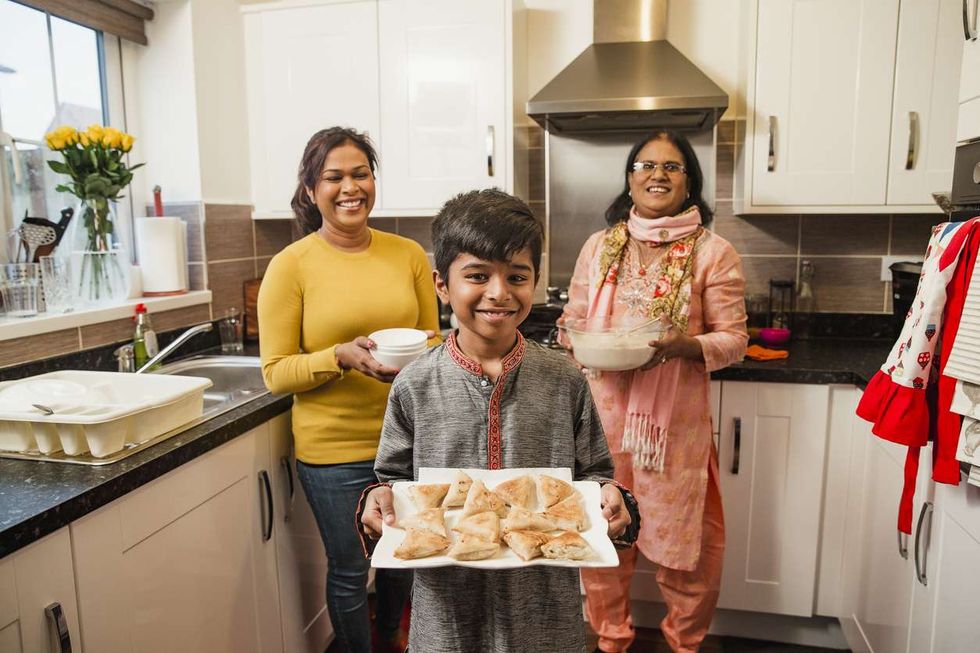 Eid is a period of gift-giving, eating, drinking, visiting and above all, ease.Photo: iStock
Eid is a continuation of Ramadan in the sense that it extends many of the social and culinary aspects of the evening Iftar, while not having to think about the fast on the morrow, and with an atmosphere of celebration and acknowledgment of the Holy Month having been completed: joy, and a relaxation as life returns to normal. It is a period of gift-giving, eating, drinking, visiting and above all, ease.
And no matter how much improvement the supermarkets make in their offerings, independent retailers, with their local knowledge and more personal touch and greater autonomy in stocking, raging and merchandising, will still have the edge in selling products for Eid.
Bestway Wholesale’s Group Trading Director, Kenton Burchell, has noted in the past that independent stores can make use of this gap and increase their engagement with the community.
“Independents have an opportunity to beat the multiples by offering better range, value and promotional activity,” he said, adding that the pandemic-driven trend of shopping locally will also help local stores attract more Muslim shoppers.
“A Barclaycard survey found that over nine in 10 people who shopped locally said that they will continue to do so, meaning Independents – who are able to offer a much more personal touch to the shopping experience - can really capitalise on this trend,” Burchell continued.
“The shopping appetite has phenomenally increased among Muslim customers in the recent days,” said an independent grocer in Blackburn about Eid last year. “The trend can be seen as a precursor to the enhanced retail activity in the days leading up to and immediately following Eid al-Fitr. However, it is vital for retailers to understand how to better control their stockpiles during the festival as part of an agile strategy to win over customers.”
Fine dining for Eid
As Eid ul-Fitr approaches, convenience retailers can play a pivotal role in facilitating the celebrations, catering to the Muslim community’s diverse needs and preferences. Festivals such as Eid also offer a perfect opportunity to tap into the surging in popularity of ethnic food, partly driven by the growing multiculturalism of the UK.
With personal knowledge of their customers and access to cash and carries that supply the ingredients and delicacies Muslim communities are looking forward to, independent stores can have a big potential advantage over the supermarkets, whose “ethnic aisles” might still rely on national purchasing and big standard skus for bulk sales, when the best margins are in the minutiae and detailed knowledge and of traditional and regional tastes and dishes.
To boost sales during Eid ul-Fitr, convenience retailers can curate Eid-specific offerings tailored to the needs and preferences of their customers. This may include creating dedicated Eid displays featuring a variety of festive products such as gift hampers, decorative items, and traditional sweets.
Above all, building strong relationships with local communities are the keys to the success of convenience retailers during Eid. By collaborating with mosques, community centres and cultural organisations, retailers can gain insights into the specific needs and preferences of their Muslim customers. Hosting community events, sponsoring Eid festivities and participating in charitable initiatives further demonstrate retailers’ commitment to supporting and celebrating the diverse communities they serve.
The foundation of much of the cuisine that defines the Eid meal is of course rice, and we sat down with Anna Beheshti, Tilda’s Head of Marketing, to hear how the experts look at it.
“Rice remains one of the most trusted staples across many global cuisines, and demand continues to grow as consumers explore new dishes at home,” she says. “For retailers, the opportunity lies in balancing core staples such as Basmati with convenient formats and emerging varieties. With strong brand loyalty and growing interest in global flavours, the rice category continues to offer dependable growth for independent retailers.”
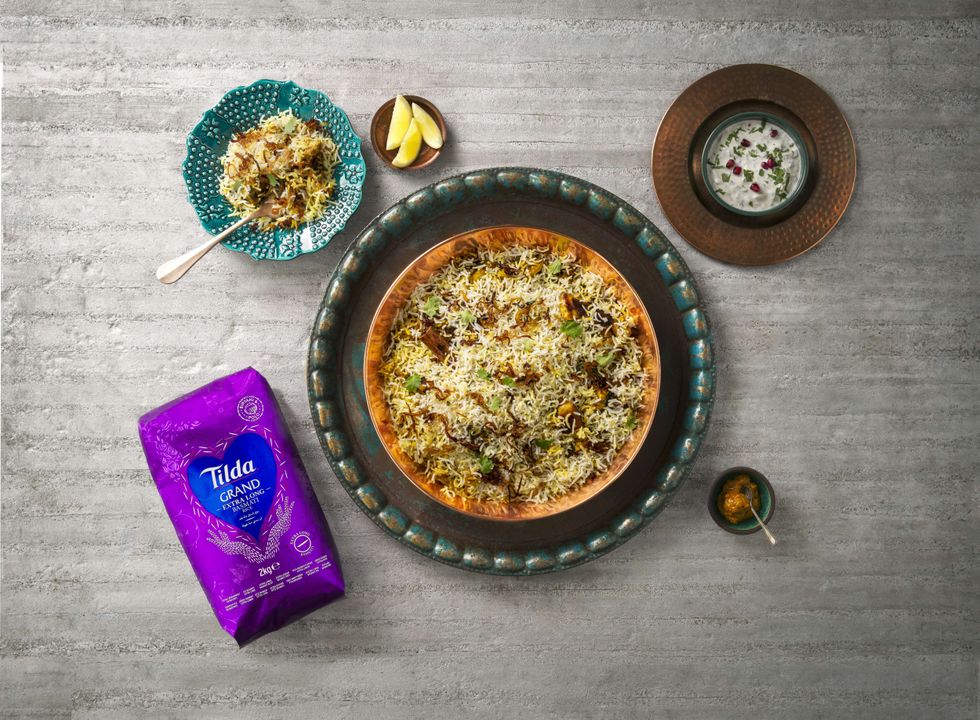 The foundation of much of the cuisine that defines the Eid meal is rice Photo: Handout
And Eid, because of its celebratory and social nature, with big meals being prepared for large family gatherings, is a special opportunity.
“Eid marks one of the most joyful and high-spending occasions in the Muslim calendar, bringing a sharp surge in demand for celebratory foods, gifting items, sweet treats, soft drinks, specialty ingredients and premium product formats, said Anna.
“For convenience retailers, especially those serving diverse and multicultural neighbourhoods, Eid represents a concentrated trading window where visibility, availability and culturally relevant range can significantly elevate footfall and basket spend.
She explains how Tilda caters to Muslims thronging the streets after a month of fasts, dressing up and travelling to enjoy meals out, and of course also to visit relatives and friends, sharing traditional Bangladeshi and Pakistani food such as samosas, Siweya, Rice and Handesh, Noonor Bora, and Fulab. And for all this, much rice is needed!
“Eid is one of the most important trading periods for many independent retailers serving Asian, Middle Eastern and African communities," she says. “Rice sits at the centre of many celebratory meals, so availability, visibility and trusted quality are critical.
“We work closely with wholesalers and retailers to support the category through culturally relevant campaigns, strong distribution and increased visibility during Eid.”
Anna reveals how retailers can benefit from the strength of the Tilda brand, being the No.1 rice brand in the UK by value and now worth £126.3m (and growing +3.3 per cent YOY in value), and with a 22 per cent share of branded dry rice.
“This brand strength helps drive shopper confidence at key seasonal moments like Eid,” she says. “Demand is significant during Ramadan & Eid. In fact, during Ramadan 2025 retailers sold two Tilda Big Bags per minute, or one every 30 seconds, highlighting the scale of demand.”
That’s a lot of rice, and of course every year the market evolves as new tastes and trends are introduced. How does Tilda register these changes and what’s new?
“Within the Basmati segment, we are seeing growing interest in extra-long basmati varieties, as consumers look for premium rice that delivers the best results for celebratory dishes such as biryani. Tilda Grand Extra Long Basmati 5kg has recently been recognised with a Great Taste Award, highlighting the importance shoppers place on quality during special occasions.
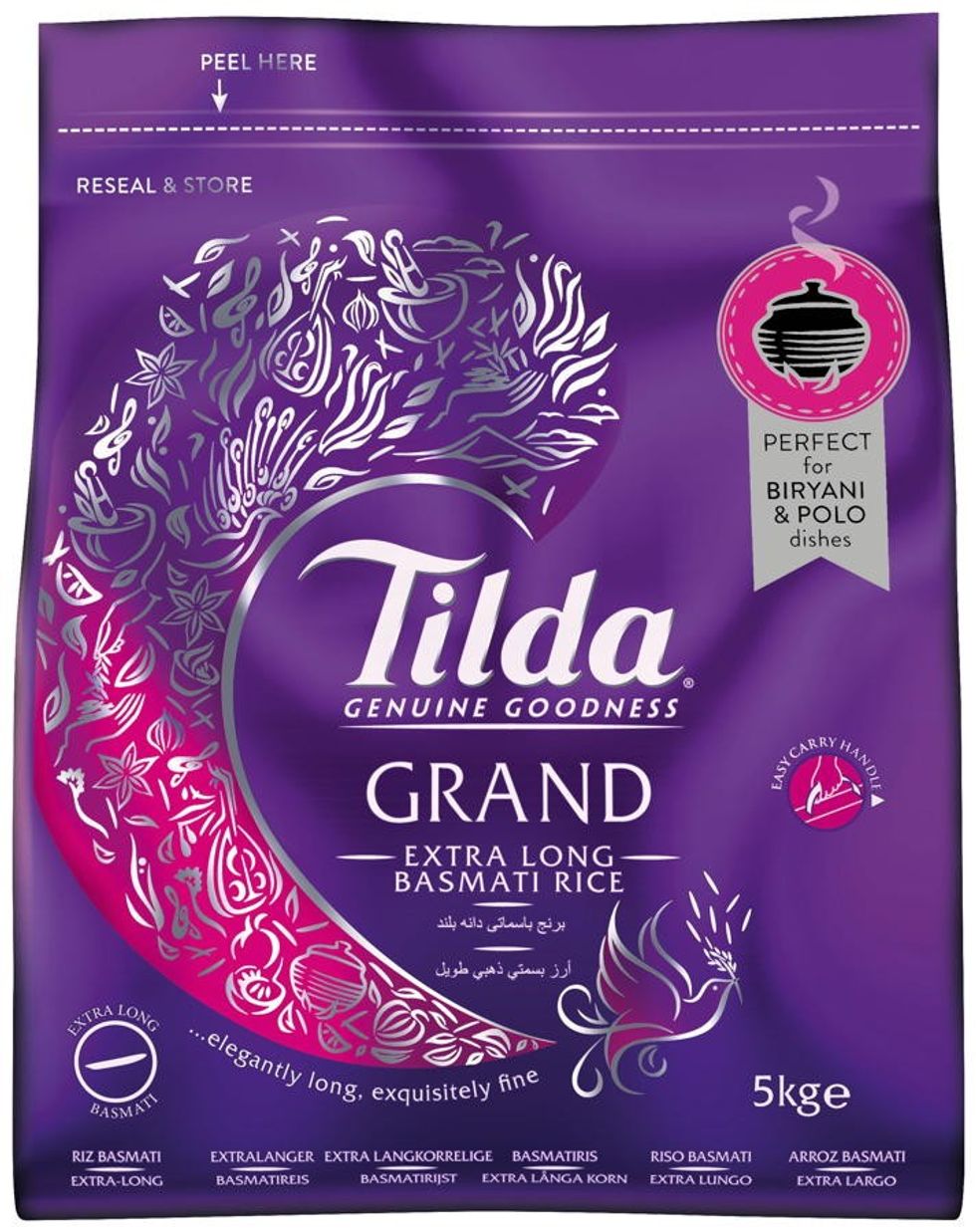 Photo: Handout
Ready-to-heat formats are increasingly popular with younger households. “Tilda Steamed Pure Basmati 250g is the best-selling branded ready-to-heat rice SKU, with Tilda also leading the category in Brown, Pilau and Coconut variants," Anna says.
And of course, independents understand their local communities and how they celebrate, which means that they have the edge over the mults when it comes to marketing to Eid consumers.
“Stocking the right pack sizes and varieties is key, particularly big bags of Basmati, which are central to Eid cooking and family gatherings," she points out. “Visibility and availability are also critical. Clear displays and strong stock levels during the final days of Ramadan can significantly increase sales,” so go check those shelves right now! As Anna says, with Tilda growing by £24.2m over the past three years, stocking well known and loved brands can also help retailers drive confidence and footfall.
What’s best, she confides, is a mix of staples, convenience formats and larger packs to help retailers capture both everyday and celebratory missions. Products like Tilda Pure Basmati 500g (“The best-selling Basmati 500g SKU in the market!”) perform strongly in convenience, while ready-to-heat formats such as Tilda Steamed Pure Basmati 250g also perform well for quick meal occasions.
And sales of rice and many other accompanying products can be enhanced and boosted by careful merchandising at Eid.
“In the days leading up to Eid,” Anna continues, “visibility and simplicity in-store can make a big difference to sales. Many shoppers are preparing for large family meals, so making key ingredients easy to find helps retailers capture those larger basket missions.
“Creating a dedicated Ramadan or Eid display with staple ingredients such as rice, spices, sauces and oils can be very effective. Rice should sit at the centre of this display, particularly larger pack sizes and big bags, which are often purchased for family gatherings.”
She adds that retailers can also increase impact by using secondary displays or pallet stacks in high-traffic areas during the final week of Ramadan, because one of the of the biggest missed opportunities is underestimating demand in the final days of Ramadan and the sighting of the Eid moon.
“Many shoppers purchase rice in larger quantities just before Eid celebrations, so ensuring strong availability of key SKUs and big bags is essential, and retailers can also benefit from expanding slightly into convenient formats, which appeal to younger shoppers and busy households.”
Community service
In short, with Eid al-Fitr convenience retailers can play a pivotal role in facilitating the celebrations of this auspicious occasion, catering to the Muslim community’s diverse needs and preferences. Events such as Eid also offer a perfect opportunity to tap into the surging in popularity of ethnic food.
Mainstream supermarkets are cashing in by selling some ethnic foods, while more and more ethnic stores and supermarkets are appearing – see our interview with Hamza Hussain of ethnic supermarket chain Abu Bakr in this issue.
It’s marketing of specific ethnic ingredients and spices in new blends and multipacks, as well as suggesting recipe inspirations for new customers, can help convenience stores open further paths to sales and profits.
With personal knowledge of their customers and access to cash and carries that supply the ingredients and delicacies Muslim communities are looking forward to, independent stores can have a big advantage over the supermarkets, whose “ethnic aisles” still rely on national purchasing and big standard skus for bulk sales, when the best margins are in the granular and detailed knowledge of what’s wanted locally, and of traditional and regional tastes and dishes.
To boost sales during Eid ul-Fitr, convenience retailers can curate Eid-specific offerings tailored to the needs and preferences of their customers. This may include – as Anna Beheshti describes – creating dedicated Eid displays featuring a variety of festive products such as gift hampers, decorative items, and traditional sweets.
Above all, building strong relationships with local communities is key to the success of convenience retailers during Eid. By collaborating with mosques, community centres and cultural organisations, retailers can gain insights into the specific needs and preferences of their Muslim customers. Hosting community events, sponsoring Eid festivities and participating in charitable initiatives further demonstrates retailers’ commitment to supporting and celebrating the diverse communities they serve.
Lastly...
As a final checklist of what to make sure you have in store for Eid, ensure you have packs of rice (of course!), tinned chick peas/tomatoes, vegetable oil, sunflower oil, atta flour, gram flour, desi ghee, dates, retail spices, lentils and rooh afza [rose syrup]. The shopper mission during Eid will be to stock up on ingredients, sharing snacks and drinks such as Rubicon, to cater for family and friends. A popular Eid meal choice is Biryani, a dish of meat and rice. Highlight rice and Halal meat products within your store as well as cupboard goods if you are stocking them.”
Products should be displayed near the front of the store with correct POS highlighting prices and promotional prices to let customers know outside the store, if you can, that you are stocking a suitable range. Families also often share gifts during Eid – highlight a few last minute options in store such as boxed chocolates, non-alcoholic sparkling celebration drinks and Eid cards if you stock them.
Of course, showing that you know about Eid, are culturally aware and care about the needs of your Muslim customers, will communicaete that your store is a friendly and trustworthy destination long after the festival has passed. THee use of special occasions to showcase your business is a long-term investment in footfall and loyalty, so make the most of it and enter ino the spirit of Eid!