





Ramadan has evolved into one of the most commercially significant periods in the UK retail calendar, reshaping shopper behaviour, store traffic patterns and category performance for nearly a month. For convenience retailers serving Muslim and multicultural communities, it represents not just a seasonal spike, but a sustained trading opportunity that rewards early planning, relevant ranging and strong execution.
This year, Ramadan was expected to begin on the evening of 17 February and conclude on the evening of 18 March, placing it firmly within the late winter trading period. With this issue of Asian Trader landing with retailers just as fasting begins, the timing underscores a critical reality: Ramadan is not a one-week event, nor is it confined to a single category. Instead, it is a four-week cycle of evolving missions, culminating in a powerful second sales peak around Eid al-Fitr, which marks the end of Ramadan.
The Ramadan economy
Across the UK, around 2.6 million British Muslims fast during Ramadan, equivalent to roughly four per cent of the population [Equi, March 2025]. The economic impact extends far beyond food alone. Think tank Equi estimates that Ramadan contributes between £800m and £1.3bn to the UK economy, encompassing grocery retail, gifting, marketing spend, supply-chain investment and charitable activity.
The Equi report, titled Ramadan: Its value to British Society and the Economy, reveals that supermarkets alone generate approximately £228 million to £342 million in Ramadan sales, representing a two to three-fold increase from a decade ago. This growth is being driven by the expanding British Muslim population, increased availability of culturally tailored food products, and evolving dietary preferences among younger generation Muslims.
Beyond supermarkets, British Muslims spend an estimated £200 million to £300 million on clothes, gifts and travel during Ramadan and Eid across high street retailers, independent shops and pop-up souks and bazaars. As retailers expand their inclusive product offerings and the British Muslim middle class continues to grow, this figure is expected to rise significantly over the next decade.
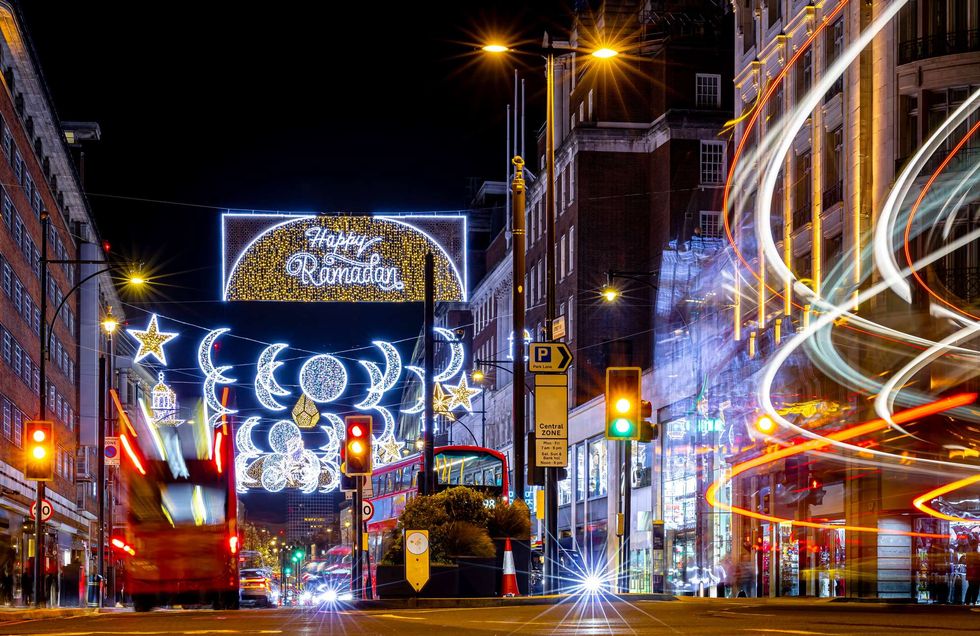 Photo: iStock
The retail opportunity extends across multiple categories. Consumer retail spending encompasses food and drinks from supermarkets and independent shops, Ramadan and Eid clothing, “Eidhi” cash gifts for children, presents from retailers large and small, and Eid travel expenses. Retail marketing spend has also increased substantially, with investment by retail and charity brands in Ramadan and Eid campaigns, including content creation, channel engagement and aisle branding.
For convenience retailers, the opportunity is particularly pronounced. Independent stores benefit from proximity, agility and a deep understanding of local communities – strengths that matter more than ever during a period defined by time-pressured evening shopping and last-minute top-ups.
Shifting shopper behaviours
Ramadan fundamentally alters daily routines. With fasting observed from dawn until sunset, eating occasions compress into two main windows: suhoor, the pre-dawn meal, and iftar, the evening meal when the fast is broken. Family gatherings become more frequent, home cooking intensifies and hospitality plays a central role in daily life.
These cultural rhythms translate directly into retail behaviour. Shoppers tend to stock up in advance of the month, making larger, planned purchases of core staples. As Ramadan progresses, shopping becomes increasingly mission-led, with visits shifting later into the day and peaking in the hours before sunset. Basket sizes grow, but tolerance for out-of-stocks falls sharply.
“Shoppers observing Ramadan often begin to stock up several weeks in advance,” explains Anna Beheshti, Tilda’s Head of Marketing. “Looking at the convenience channel, the focus is on accessibility and efficiency. Shoppers are often time-poor and energy-depleted after a day of fasting, which means they are looking for quick, reliable options close to home, particularly in the late afternoon and early evening ahead of iftar.”
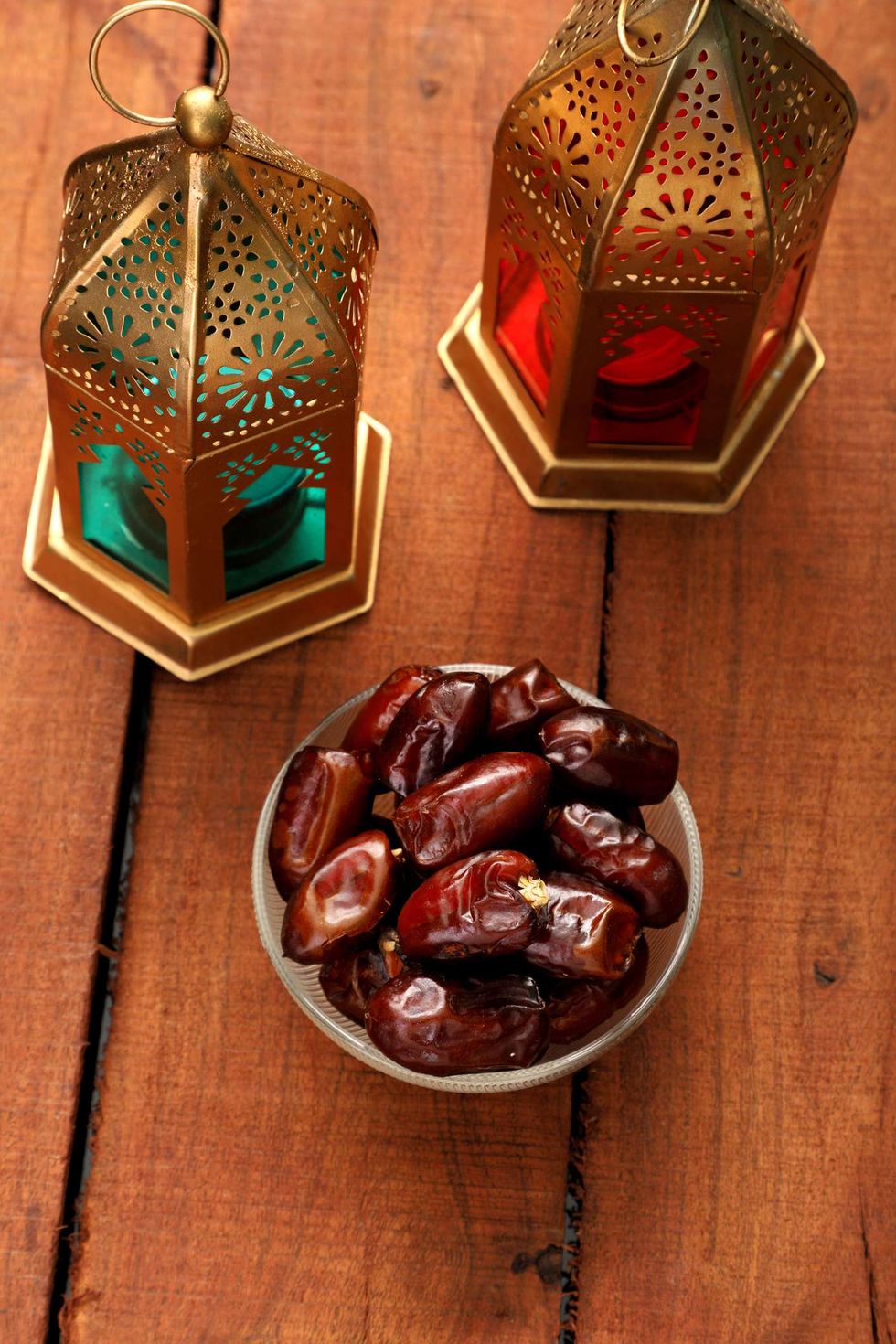 Photo: iStock
Equi’s research illustrates the scale of household spending during the month. A typical four-person fasting household may spend between £305 and £897 across Ramadan, depending on whether purchases skew towards value or premium options. Rice, oils, flour, pulses, drinks and sweets form the backbone of this spend, while gifting and indulgent items increase as Eid approaches.
The Equi report identifies specific dietary changes during Ramadan compared to regular year-round eating patterns. The Ramadan diet differs due to the fasting schedule and emphasis on traditional, high-energy foods.
Dates are a staple for breaking the fast, with households typically consuming three to four kilograms over the month. Other high-demand foods include samosas, sweets, juices and desserts as families look forward to opening their fasts at iftar. Rice and flour consumption increases substantially, with families using 10 to 15 kilograms of rice plus five kilograms of flour for main meals and chapatis. Cooking oils see heightened demand of five to seven litres, whilst meat consumption – chicken, beef and lamb – can reach 10 to 20 kilograms as families prepare curry dishes, samosas and other traditional foods.
Fresh fruits and vegetables also see substantial increases, with households consuming 40 to 70 kilograms for hydration, meals and samosa fillings. Frozen foods such as samosas, kebabs and puff pastries become essential, with families purchasing around 90 pieces over the month as convenient appetisers during iftar.
Rice: foundation of Ramadan meals
Few categories are as closely associated with Ramadan as rice. Used across cuisines and cultures, rice sits at the heart of iftar meals and celebratory feasts, making it both a volume driver and a trust category.
For Tilda, Ramadan consistently ranks alongside Diwali as one of the most important sales periods of the year. “As families stock up for iftar and Eid, we see significant uplift in both value and volume sales, driven by demand for trusted, high-quality ingredients,” says Anna Beheshti, Head of Marketing at Tilda.
As the number one brand in Total Rice, worth £126.3m, with a 22 per cent share of branded dry rice [Circana, 52w/e 27.12.25], Tilda positions itself as a priority brand for retailers looking to drive incremental sales during Ramadan. Larger formats play a particularly important role.
“In the lead-up to Ramadan last year, we sold one Big Bag every 30 seconds – a clear indication of the role our larger formats play in helping families cater for gatherings and celebratory meals,” she explains.
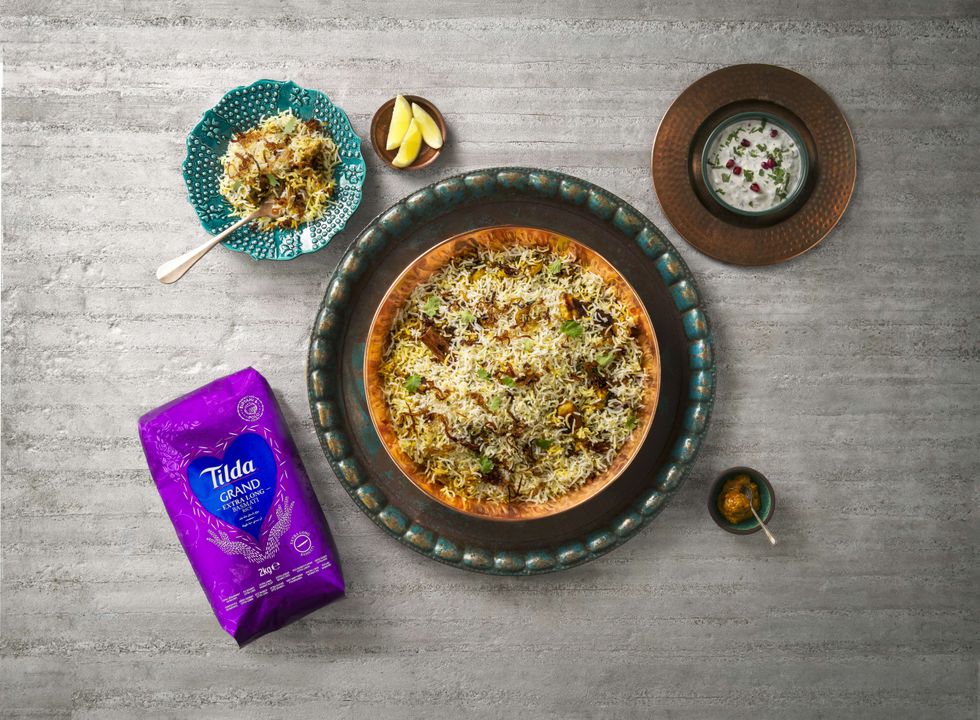 Photo: Handout
However, space constraints in convenience stores require a more nuanced approach. While 10kg and 20kg bags perform strongly through wholesale and larger outlets, convenience retailers are best placed to focus on formats that balance volume with practicality.
“Although our larger formats, such as Tilda Pure Basmati 10kg and 20kg are popular during Ramadan, shoppers don’t necessarily expect to see them in-store due to limited space,” Beheshti says. “What they will be on the hunt for is 5kg bags, alongside smaller block packs, which are seasonal staples.”
Across the category, trusted SKUs dominate. “Tilda Pure Basmati is a safe bet – our 5kg format is the bestselling dry rice SKU in that size, as is our Tilda Pure Basmati 500g, which continues to perform strongly as a trusted, everyday essential,” she adds.
While shoppers may trade up to larger formats earlier in the month, convenience stores play a crucial role in last-minute top-ups and complementary purchases.
“While larger packs drive volumes earlier in the season, convenience retailers can still capitalise on last-minute shopping and top-up missions by offering quick-fix meal solutions,” Beheshti says.
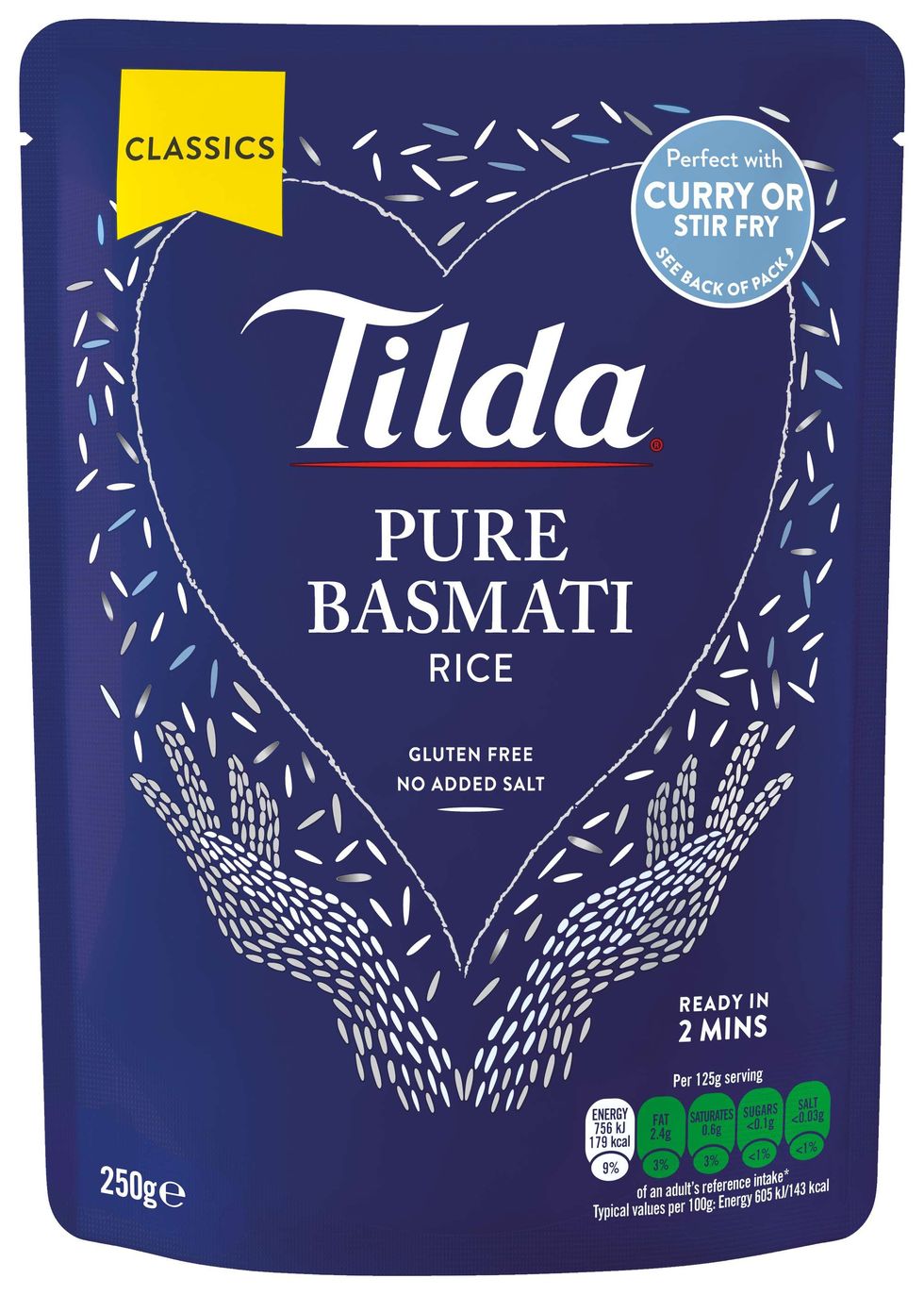 Photo: Handout
As home cooking intensifies, so does the need for shortcuts. Ready-to-heat and quick-prep products allow households to manage busy schedules while maintaining quality.
“For shoppers seeking the ultimate shortcut, our Ready-to-Heat range comes in 28 globally-inspired flavours and allows shoppers to put together a great-tasting meal in minutes,” says Beheshti. “That makes it an ideal choice during busy Ramadan evenings.”
Within this segment, trusted brands again dominate. “Tilda Steamed Pure Basmati 250g is the best-selling branded Ready-to-Heat SKU, and we’re also the number one in Ready-to-Heat Brown, Pilau and Coconut rice [Circana] – all of which are particularly popular choices for time-pressed convenience shoppers during Ramadan,” she adds.
Soft Drinks: Hydration and celebration
Soft drinks play a central role during Ramadan, driven by the need for rehydration at iftar and the importance of hospitality during evening gatherings.
Equi estimates that a typical fasting household may purchase between 60 and 90 litres of drinks over the course of Ramadan, including fruit juices and traditional beverages [Equi, March 2025]. This positions soft drinks as one of the highest-value categories during the month.
For Rubicon, the UK’s leading exotic juice drink brand, Ramadan is a key seasonal driver. Lisa McKenna, Head of Brand for Rubicon, highlights the role of trust and loyalty.
“Traditional shoppers will be looking for products that they know and trust, and our research shows that Rubicon shoppers are incredibly brand loyal over this celebratory period.”
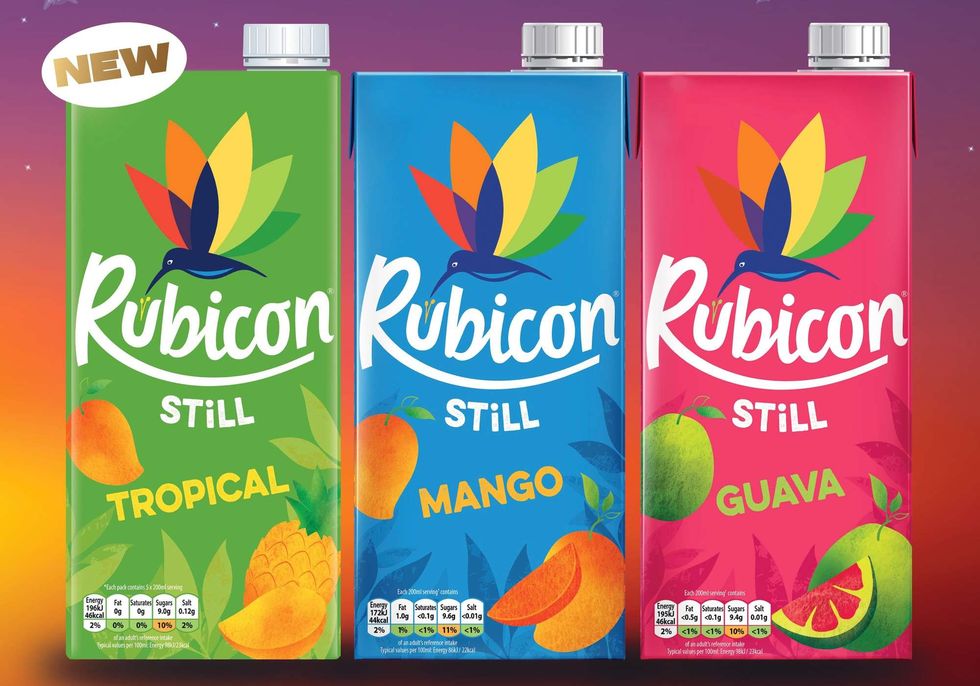 Photo: Handout
Shopping patterns evolve as Ramadan progresses. “We see shoppers stock up on multipacks early on, then top up with singles and 1L packs during the four weeks of Ramadan, switching back to bulk buys towards the end of the month when Eid approaches,” McKenna explains.
“New shoppers also use events and celebrations as inspiration to try something new, so Rubicon’s wide range of rich fruity flavours and formats, available in still and sparkling variants, has broad appeal with shoppers catering for a number of different tastes.”
Rubicon advises retailers to adjust ranges accordingly. Still variants tend to perform strongly early in Ramadan, when consumers are fasting, while sparkling options gain traction closer to Eid celebrations.
“Creating in-store theatre early on is important to drive soft drinks sales during key occasions,” McKenna says. “As well as making the most of our impactful Rubicon PoS in the chillers, we’d advise retailers to also signpost the category and event to entice shoppers.”
Confectionery: Sharing and gifting
Impulse and indulgence categories play a dual role during Ramadan. Throughout the month, shoppers seek treats to share with family after iftar. As Eid approaches, gifting and celebration drive a second spike in demand.
Confectionery suppliers stress the importance of planning for both phases.
“During Ramadan, evening shopper missions increase, as do last-minute trips, as people shop for breaking the fast and gathering with their families,” says Clare Newton, Trade & Shopper Marketing Manager at Swizzels. “Shoppers are also seeking bigger pack sizes, which provide value for money and are convenient for sharing occasions.”
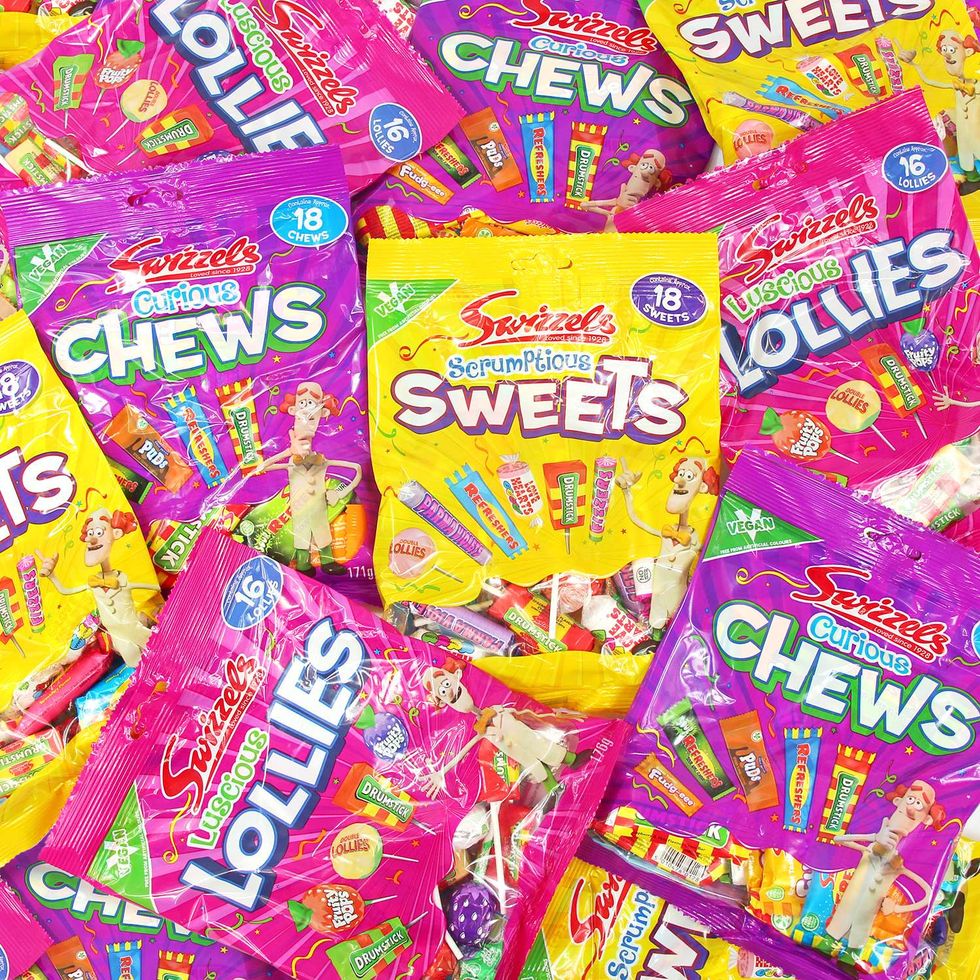 Photo: Handout
Sharing formats stand out as particularly effective. “Swizzels vegan-friendly variety bags (Scrumptious Sweets, Luscious Lollies & Curious Chews) work well in convenience for Ramadan as an ideal treat for sharing at celebrations, offering something for all generations when spending time with family and friends,” Newton says. “Our variety bags stand out on shelves and offer a diverse mix of flavours and textures to suit all preferences.”
Classic singles also retain relevance. “Other favourites include Love Hearts and Refreshers, as a convenient, ready-to-eat treat.”
With Eid al-Fitr marking the end of Ramadan, confectionery demand intensifies. “Shoppers are looking for sweets and treats to mark the occasion and to gift,” Newton adds. “Independent retailers should ensure good stock of suitable confectionery throughout Ramadan and expect heightened demand as it comes to a close.”
Store cupboard essentials
Beyond the headline categories, convenience retailers should ensure strong availability across core store cupboard staples. Oil, flour and dates remain popular in smaller formats, whilst staple spices see increased demand as shoppers cook more frequently and in larger quantities at home.
The Equi report illustrates a typical Ramadan shopping basket for a four-person fasting household, which includes substantial quantities of essential items: three to four kilograms of dates, 10 to 15 kilograms of rice plus five kilograms of flour, five to seven litres of cooking oils, and one to two kilograms of sweets and desserts including baklava, cakes, mithai and chocolates.
For KTC Edibles, Ramadan remains one of the most commercially important periods of the year across categories such as cooking oils, gram flour, canned pulses and ghee. Mehul Patel, Head of Wholesale & Grocery Division at KTC Edibles Ltd, is clear about where retailers should focus.
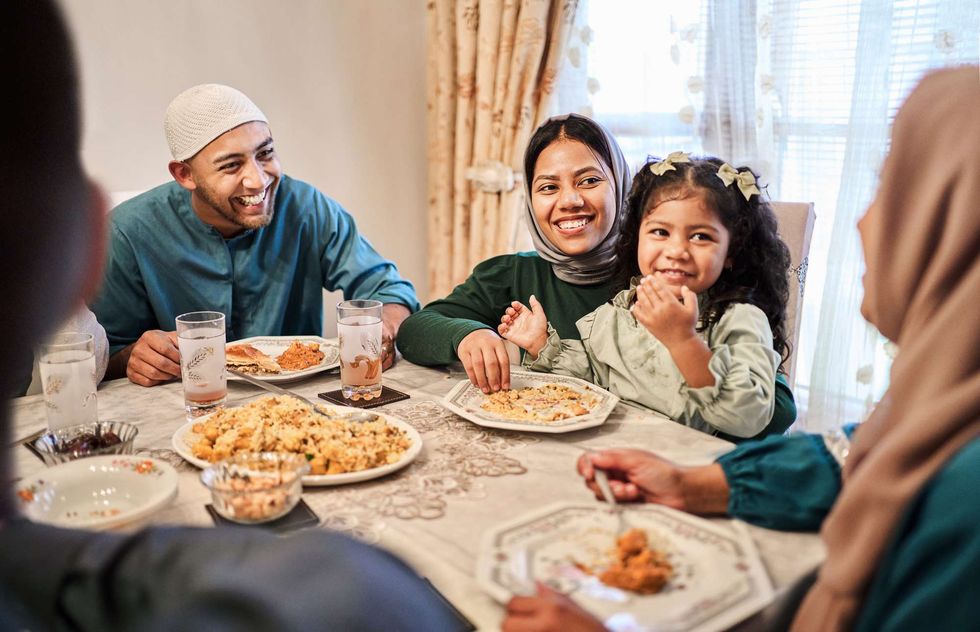 Photo: iStock
“Ramadan is not about chasing trends. It’s about getting the everyday essentials right, every single day.”
Cooking oils form the backbone of Ramadan meal preparation. Sunflower, vegetable and rapeseed oils are used daily for frying, curries and batch cooking, driving high-frequency purchases. Gram flour, particularly in 2kg family packs, is another seasonal staple, widely used for pakoras and savoury snacks served at iftar.
Canned chickpeas, lentils and tomatoes also see a strong uplift due to their versatility and speed of preparation, supporting both evening meals and lighter suhoor dishes. Ghee plays a more nuanced role, spanning everyday cooking and premium celebratory dishes as Eid approaches. Demand covers pure butter ghee, blended options and vegetable ghee, reflecting different usage occasions and price points.
“These are high-rotation staples that drive repeat footfall throughout the month,” Patel says. “If retailers keep everyday cooking essentials available in the right pack sizes, shoppers will return week after week throughout Ramadan.”
Bakery, snacks and premium treats
For Regal Food Products Group, Ramadan is defined as much by social connection as by fasting.
“Shopper behaviour during Ramadan continues to evolve,” says Faisel Ali, Sales & Marketing Director at Regal Food Products Group. “Shoppers are not just looking for core essentials; they also want easy access to quality options that help them mark the occasion properly.”
Products such as cake rusk and puff pastries fit naturally into suhoor and iftar routines, while cookies, popcorn and savoury snacks like Bombay Mix support sharing and hospitality.
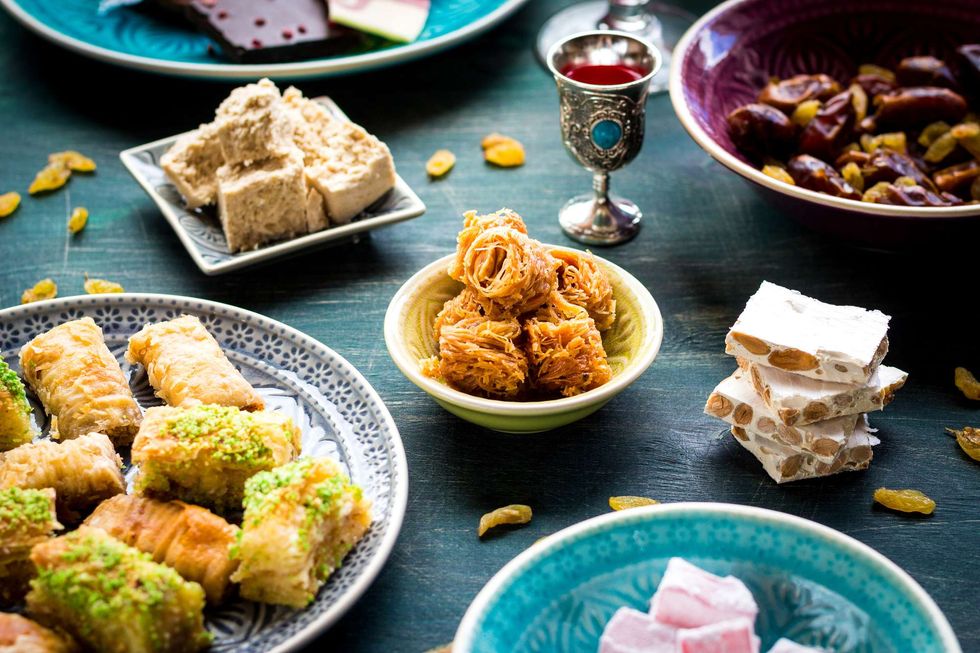 Photo: iStock
“Together, these products help retailers meet practical needs while also supporting the social and communal aspects of Ramadan, making them ideal for the convenience channel,” Ali notes.
Regal has also focused on premium and gifting-led lines. “We’ve developed products such as the Regal Baklawa Collection and our Premium Biscuit Assortment, designed to offer independents attractive gifting solutions throughout Ramadan,” Ali says.
“By stocking these kinds of ranges, convenience retailers can better serve their local communities, drive incremental spend and position themselves as a trusted destination during the holy month.”
Relevance beats scale
The convenience channel’s inherent strengths position it well to capture Ramadan spending, but retailers need to activate these advantages effectively.
“Independents should focus on achieving a significant uplift in sales versus the rest of the year by focusing on their strengths – relevance and value,” advises Beheshti. “By tailoring their ranges to local communities and cultural preferences, independent retailers can create more relevant offers and build stronger shopper loyalty.”
Practical steps include creating dedicated fixtures for the season and ensuring popular lines such as rice, spices, dates and Ramadan calendars are well stocked. “In the run-up to Ramadan, this could be as simple as creating a dedicated fixture for the season,” Beheshti notes.
Value communication at fixture proves crucial. “Clearly highlighting promotions, putting together Ramadan-specific bundles and even exploring online-only offers can help drive cross-category sales and reinforce independents as convenient, one-stop destinations throughout the season,” she explains.
Newton emphasises the importance of personalisation. “Independent retailers can compete with multiples by creating a more personalised shopping experience, whether that’s through flexible opening hours to cater to late-night shoppers, honing their product offering based on requests from their community or monitoring trends throughout Ramadan and having the agility to be able to update stock accordingly.”
This approach builds long-term loyalty. “Ramadan is a great opportunity to attract new customers and build shopper loyalty if retailers can demonstrate their ability to cater for the occasion and make it easy for people to find everything they need in their local store,” Newton adds.
Regal Food echoes the importance of visibility and promotions.
“Shoppers are actively looking for the best possible offers during this period, so it’s essential for retailers to provide strong value through well-priced promotions that resonate with local shopping needs,” Ali says, adding: “Ensuring promotions are highly visible and clearly marked with effective point-of-sale materials helps attract attention and drive impulse purchases.”
KTC’s Patel notes that independent retailers are well placed to outperform the multiples during Ramadan by focusing on depth rather than over-ranging.
“Stocking the right everyday essentials, in the pack sizes shoppers actually use, and maintaining strong availability during evening peak hours makes a bigger difference than short-term discounting. Dedicated Ramadan bays or clearly signposted essentials zones help busy shoppers shop quickly and build bigger baskets,” he suggests.
Merchandising for success
Effective merchandising during Ramadan requires understanding both the practical shopping mission and the cultural significance of the period.
“During Ramadan, effective merchandising is all about visibility, relevance and ease, particularly for shoppers visiting in the run-up to iftar,” says Beheshti. “Using culturally appropriate colours such as golds, greens and blues can help create an immediate visual cue in-store, while front-of-store displays ensure key products are the first thing shoppers see when they walk through the door.”
Creating dedicated spaces works particularly well. “Creating a branded Ramadan aisle or dedicated fixture featuring core staples such as rice, supported by exclusive offers, can help simplify the shopping journey and encourage additional purchases,” Beheshti explains. “Clear messaging and strong calls to action are especially effective during evening missions when shoppers are focused on completing a specific meal shop quickly and efficiently.”
Newton recommends standout displays using trusted brands. “Retailers should create engaging Ramadan displays, using standout products from well-known, trusted brands. These displays should be clearly signposted to make for an easy shopping experience and well-stocked throughout the period to encourage repeat customers.”
Bundle deals prove particularly effective. “Bundle deals are effective for evening missions because people are often shopping for food to share at gatherings with family and friends,” Newton notes. “As such, grouping complementary products together, offering multibuy deals and stocking larger sharing formats can help to appeal to shoppers looking for great value.”
Ali adds that featuring sharing packs, gifting ranges and premium options at the front of store or near tills can also capture last-minute purchases. “Keeping these displays well-stocked and refreshed throughout the day ensures retailers are ready for increased footfall in the run-up to iftar,” he says.
For soft drinks, McKenna emphasises the importance of early activation. “Creating in-store theatre early on is important to drive soft drinks sales during key occasions, dialling up interest and excitement at the fixture. As well as making the most of our impactful Rubicon PoS in the chillers, we’d advise retailers to also signpost the category and event to entice shoppers.”
KTC, however, advocates a simple, practical approach. “Grouping oils, gram flour, canned pulses and tomatoes together makes shopping easier during busy evening missions,” Patel says. “Clarity and availability matter more than elaborate displays.”
Supplier support and promotions
Leading suppliers are backing the Ramadan opportunity with substantial trade support to help retailers maximise sales.
Tilda is offering a 10 per cent extra free promotion on Pure Basmati 10kg and 20kg formats, helping retailers drive volume sales. “We work closely with our network of independent retailers to help them maximise the sales opportunity Ramadan presents,” says Beheshti. “This includes providing branded POS materials to drive visibility and stand-out in-store, as well as supporting in-store promotional activity to help retailers attract and convert shoppers during peak periods.”
The company’s approach combines multiple support elements. “Through a combination of strong trade support, promotional activity and close collaboration with wholesalers, we aim to ensure independents are well-equipped to meet increased demand during Ramadan,” Beheshti explains.
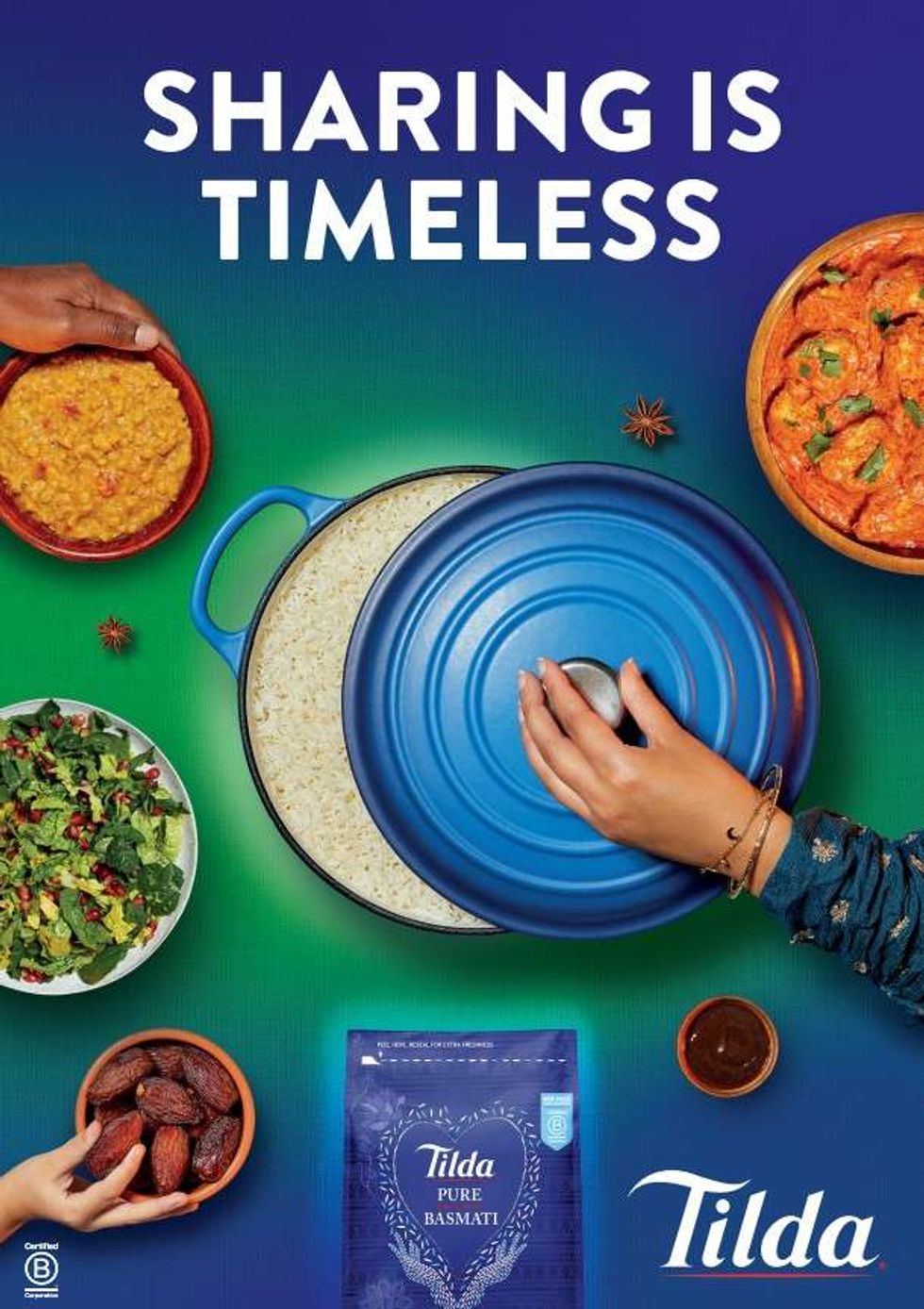 Photo: Handout
Tilda has also launched a Ramadan-led Q1 campaign, extending into Eid, under the core message, “Sharing is Timeless”.
“It’s a heartwarming message which celebrates the role of rice at the heart of shared meals and moments of togetherness during this key period, and one which will be communicated across TV, out-of-home, radio, influencers and in-store POS in a fully integrated campaign,” Beheshti says, adding that there will be increased support in key UK regions including Manchester, Birmingham, Bradford and London, ensuring strong visibility within core communities.
The campaign will also be supported by TV presence through Tilda Cricket World Cup spots on Sky Sports, helping to build awareness throughout Ramadan and beyond.
Rubicon similarly provides comprehensive point-of-sale support. “We have a range of Rubicon products that cater for all shoppers’ needs, with the brand’s bold, bright and exotic range of flavours,” says McKenna. “Rubicon is perfectly placed to help retailers maximise sales opportunities throughout the seasonal sales peaks that Ramadan and Eid bring.”
Regal Food has introduced a range of new products ahead of Ramadan and Eid, designed to cater to both everyday enjoyment and gifting occasions. Regal Bakery’s new Butter Cookies, available in pistachio, jam & coconut, cashew, almond, and sesame, are perfect for sharing with family and friends during the holy month.
“Alongside this, we’ve launched Regal’s Pistachio Cake Slices, ideal for snacking or serving at iftar gatherings. For those looking for a premium gifting option, our Regal Premium Biscuit Assortment has been carefully curated to offer a high-quality, ready-to-give solution, helping independents provide their shoppers with convenient, attractive options throughout Ramadan and Eid,” Ali says.
KTC works closely with wholesalers and retailers during Ramadan by sharing clear insight into which categories, formats and pack sizes drive demand. “Our role is to help retailers plan confidently, prioritise the right lines and keep shelves full during a high-pressure trading period,” Patel says.
Avoid common pitfalls
Despite the significant opportunity, many convenience retailers still miss potential sales during Ramadan through avoidable mistakes.
“One of the biggest missed opportunities during Ramadan is underestimating the importance of value-led initiatives, including stocking slightly larger formats than usual to reflect increased household demand,” warns Beheshti. “Shoppers are often buying in greater quantities during this period, and retailers who fail to adapt their ranges risk missing out on incremental sales.”
Community engagement represents another overlooked area. “Another common gap is not making the most of opportunities to connect with local communities through communication both in and out of store,” Beheshti notes. “Retailers can drive engagement, and sales, by activating for Ramadan across different touchpoints – from eye-catching in-store displays and clear signposting to community-focused messaging on social media.”
Integration between channels proves crucial. “When this external communication is supported by strong in-store execution and key products are easy to find during busy evening periods, it creates a more seamless experience for shoppers, helping retailers make the most of the season,” she explains.
For KTC, the biggest pitfall is under-planning. “Retailers who prepare early, back everyday essentials, and ensure strong availability through the evening rush are best placed to maximise sales across the full month and into Eid,” Patel notes.
Ali adds: “Convenience stores can sometimes miss opportunities during Ramadan by not fully ranging for the breadth of shopper needs across the day, from suhoor to iftar and evening gatherings. Time-pressed shoppers are looking for stores that can offer a complete solution in one visit, and gaps in range can lead to missed sales.”
Regal looks to bridge this gap by offering a portfolio that makes ranging simpler for independents.
“From bakery lines and sweet and savoury snacks to juices, chai, sauces and marinades, fry mixes and more, we enable retailers to cover multiple meal occasions and shopping missions,” Ali explains: “By consolidating their Ramadan range with a trusted supplier, retailers can save time, improve availability and better serve their local communities throughout the holy month.”
The charitable dimension
Ramadan’s economic impact extends beyond commercial transactions to encompass substantial charitable giving and community engagement. The Equi report estimates that Ramadan drives a charitable contribution of £238 million to £359 million through donations, volunteering and social cohesion activities.
Mosques across Britain serve approximately 3.8 million free iftar meals during Ramadan, worth an estimated £15 million. Each day, around 125,000 iftar meals are provided at British mosques, costing an estimated £0.5 million daily. This has a direct impact on the local economy, as mosques source food and supplies from supermarkets and independent retailers, supporting local businesses.
Ramadan inspires giving across multiple causes, from fundraising for food banks to supporting vulnerable children, sustainable development initiatives and large-scale poverty relief campaigns both at home and abroad. This significant economic and social impact strengthens community engagement and charitable networks across the UK.
For retailers, understanding this charitable dimension can inform community engagement strategies and demonstrate authentic support for local Muslim communities beyond purely commercial considerations.
Future growth
The Ramadan economy in the UK shows every sign of continued growth. Several factors will drive this expansion over the coming decade.
The British Muslim population continues to grow, with younger generations increasingly comfortable expressing their faith through consumer choices whilst maintaining high expectations for product quality, convenience and value. This demographic shift is creating opportunities for retailers who can authentically engage with Muslim consumers whilst avoiding tokenistic gestures.
According to the “Great British Ramadan” report, first published in 2018 by Ogilvy Noor, 62 per cent of British Muslims feel underserved by consumer brands, yet 78 per cent express interest in companies that offer products for Ramadan and Eid. In a 2023 survey, 44 per cent of British Muslims described themselves as brand loyalists – typically purchasing brands they know and love [Nano Interactive].
Supermarkets and major retailers have begun responding with increasingly sophisticated Ramadan strategies. In recent years, almost all major supermarket chains have run some form of Ramadan advertising campaign.
Supermarkets and independent food retailers are estimated to invest between £159m and £274m in the Ramadan value chain, reflecting the scale of sourcing, logistics and operational planning required to meet demand [Equi, March 2025]. Retail marketing spend linked to Ramadan is estimated at between £5m and £25m, underlining the increasing competition for shopper attention.
Product innovation continues apace. Beyond traditional categories, retailers are exploring opportunities in modest fashion, home décor, gift items and celebration accessories. IKEA introduced a Ramadan-themed home collection in the UK for the first time in 2025, including its new product line GOKVÄLLÅ, featuring decor, furniture and cooking utensils designed to create warm, inviting spaces for iftar and suhur.
Digital engagement is evolving rapidly, with personalised advertising on connected TVs, YouTube and ad-supported FAST channels becoming prominent platforms for Ramadan campaigns. Radio and satellite TV channels remain crucial mediums for reaching British Muslim audiences, particularly during Ramadan when viewership and listenership increases substantially.
Strategic retail moment
Ramadan 2026 represents a £1.3 billion economic opportunity that extends far beyond the convenience channel but offers particular potential for independent retailers who can combine the agility, local knowledge and community connections that are their natural strengths.
The month’s distinctive shopping patterns – early stock-up missions, evening iftar shops, focus on sharing and celebration, culminating in Eid gifting and entertaining – require retailers to think differently about ranging, merchandising and promotional strategies.
As the Equi report concludes, “Recognising and supporting the Ramadan economy, and the contributions of British Muslims during Ramadan, is not only an economic imperative but also a vital step towards building a more cohesive and equitable society.”
For convenience retailers, that recognition begins with understanding the opportunity, activating effectively across categories and fixtures, and approaching Ramadan not as a one-off promotional period but as an annual fixture deserving of the same strategic attention given to other major seasonal events.
The retailers who get this right – combining strong ranging, distinctive merchandising, clear value communication and authentic community engagement – will not only maximise their Ramadan 2026 sales but build the foundations for sustainable growth as the British Muslim population and the Ramadan economy continue their upward trajectory in the years ahead.
Regional impact
The economic significance of Ramadan extends well beyond individual store sales, driving substantial regional economic activity. Abu Bakr Supermarket’s annual Ramadan Sale across its stores in Leeds and Batley illustrates the scale of this impact.
The retailer’s promotion includes discounted staples such as Elephant Medium Flour 25kg, Habib Basmati Rice 20kg, Shan Spices, Willow Butter Case, T&L Sugar Case, Tamara Ajwa Dates 450g, Heera Gram Flour 2kg, Heera Sunflower Oil 5lt, Hamdard Roohafaza, TYJ Pastries, Regal Sauces 500ml and Elmlea single/double cream.
Yorkshire is home to approximately 442,000 Muslims. Based on an average household size of 3.8 people, this represents around 116,000 families. With average household spend during Ramadan and Eid estimated at £1,500, the total estimated spend reaches £174 million across the region. Even conservative estimates of 110,000 households spending £1,200 would generate £132 million.
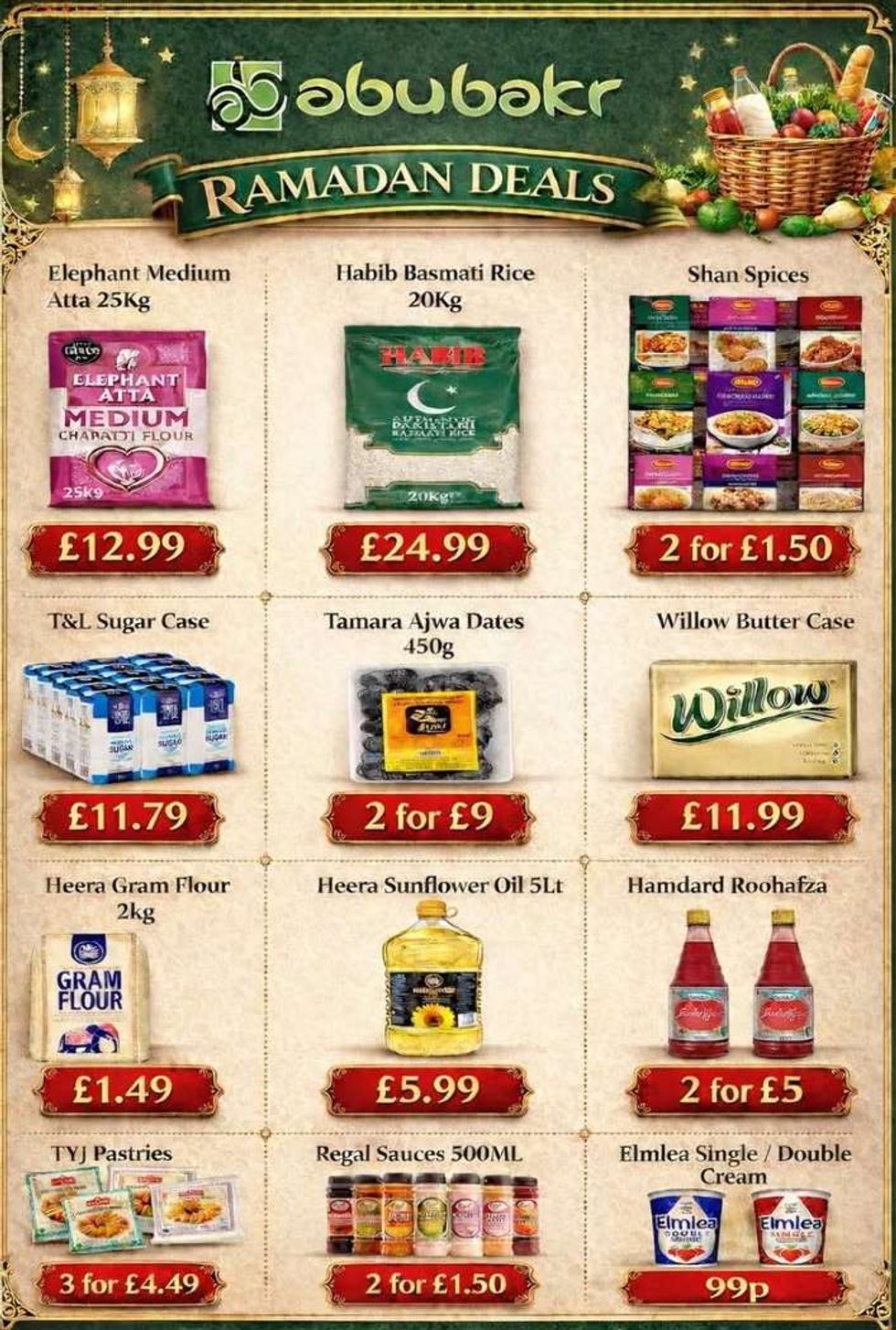 Photo: Handout
“Ramadan is a deeply important time for our customers and the wider Yorkshire economy,” says Hamza Hussian, CEO of Abu Bakr Supermarket. “Our Ramadan Sale is designed to support families with affordable essentials, while also driving footfall, employment and spending across local businesses.”
The economic ripple effects extend across the supply chain. “As a Yorkshire-based retailer, we work closely with local suppliers and staff, meaning the increased demand we see during Ramadan has a direct and positive impact on the regional economy,” Hussian explains.
This total includes food, clothing, gifts and charitable giving. When local supply chains, staffing, logistics and reinvestment are included, the Abu Bakr Ramadan Sale accounts for a significant portion of wider economic activity across the region, supporting independent retailers, local jobs and regional suppliers.