




Diageo is set to nearly double Guinness production by 2031 as new chief executive Dave Lewis launches a sweeping turnaround plan that will also see a “significant” reduction in the drinks giant’s 30,000-strong global workforce.
Lewis, who earned the nickname “Drastic Dave” during his time at Tesco for his aggressive cost-cutting approach, outlined the plans after Diageo reported a fall in sales but operating profit slightly ahead of expectations.
Lewis declined to say how many jobs would go, but said he had identified “massive” duplication across the business since taking the top job.
“Nobody [inside the company] is saying to me that this is the wrong thing to do,” he said, while acknowledging that the consequences of the cuts would be difficult for employees.
At the same time, Lewis is betting heavily on one of Diageo’s strongest-performing brands Guinness.
The company plans to invest heavily in Guinness, with the aim of capitalising on its continuing global popularity, particularly in North America, while increasing supply to avoid shortages that have affected the brand in the UK in recent years.
“We’re going to double the capacity of Guinness during the course of this plan [by 2031],” Lewis said, describing the brand’s future as “very bright”.
Guinness production capacity is expected to rise from 8.2m hectolitres today to 15.7m hectolitres by 2031 – an increase equivalent to around 300 Olympic-sized swimming pools of stout every year.
The move will be closely watched by UK convenience retailers, who have faced periods of Guinness shortages during peak trading occasions, including the Christmas period. Increased capacity could help Diageo better meet demand as the brand continues to attract consumers beyond its traditional markets.
Lewis also signalled a shift away from Diageo’s previous heavy emphasis on premiumisation.
The strategy, which saw the company build a portfolio increasingly weighted towards premium spirits, has become more challenging as consumers under financial pressure have become less willing to trade up.
Rather than disposing of brands or pursuing acquisitions, Lewis said Diageo would focus on managing a broader portfolio, including mid-market products and smaller pack sizes designed to appeal to more cost-conscious shoppers.
For convenience retailers, the move could prove significant as shoppers continue to balance affordability with the desire for branded products.
Lewis also admitted that Diageo had failed to make enough of the fast-growing ready-to-drink (RTD) category, including pre-mixed cocktails and canned spirits.
“We’re just going to roll our sleeves up and get on with our own business,” he said.
The strategy marks a sharp change of direction for Diageo following the departure of former chief executive Debra Crew, whose tenure was hit by strategic missteps and a surprise profit warning.
Lewis was appointed in November after Crew’s exit, which followed the death of longtime chief executive Sir Ivan Menezes.
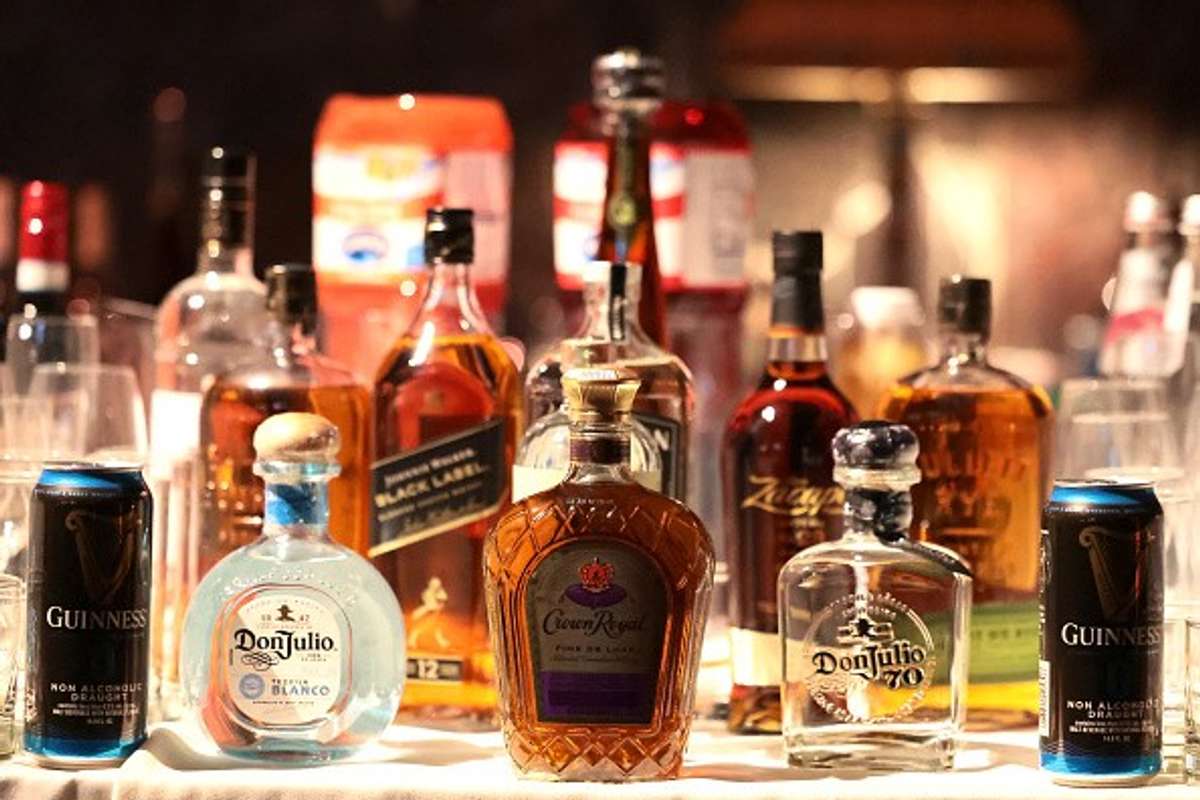
Diageo, whose portfolio includes Johnnie Walker, Smirnoff and Guinness, had enjoyed strong growth in the years immediately following the pandemic but subsequently lost investor confidence.
Lewis is now attempting to combine aggressive cost-cutting with renewed investment in the brands that still have the power to drive growth – with Guinness firmly at the centre of that strategy.