



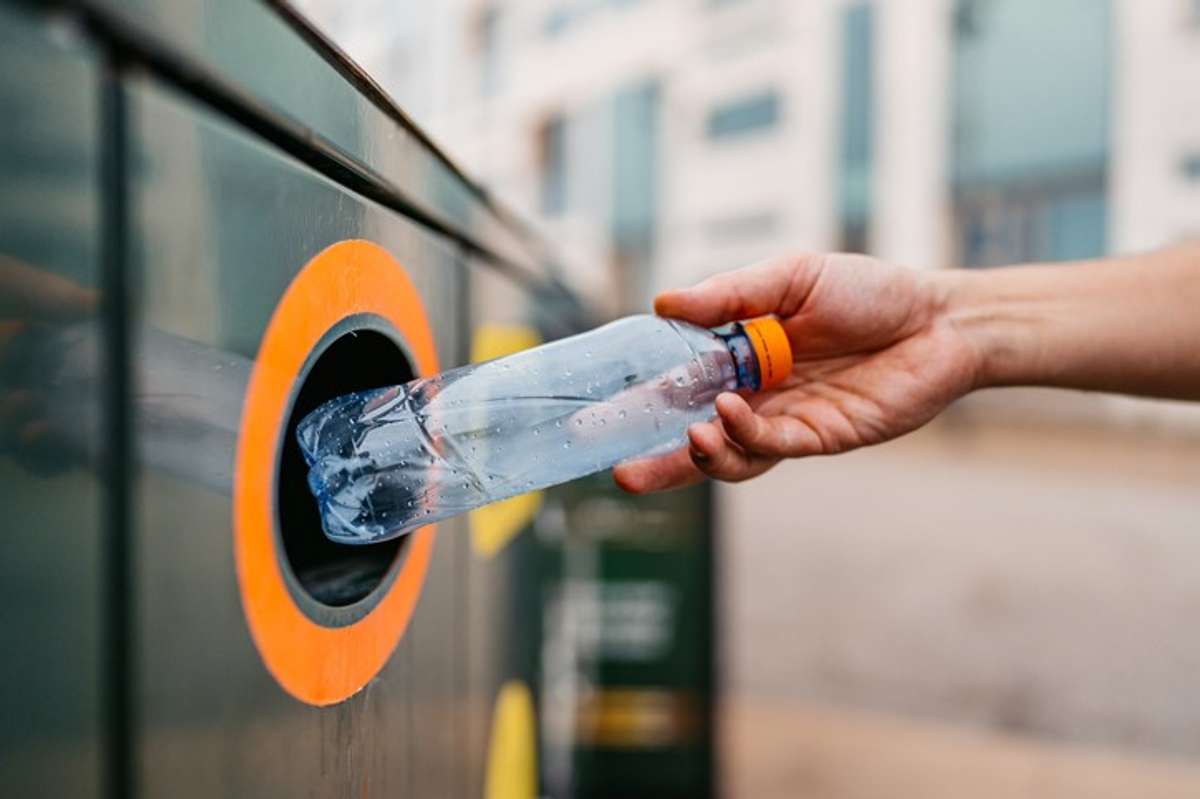

As the convenience retail sector preps for Deposit Return Scheme (DRS) set to come into effect on October next year, new research has found that the scheme could have implications beyond recycling, potentially influencing shoppers' choice of retailer.
New YouGov research explores awareness of the scheme, preferred return methods and the role convenience could play in encouraging participation and influencing shopping decisions.
Awareness of the Deposit Return Scheme remains low, with 61 per cent of UK supermarket shoppers saying they have never heard of it. Another 24 per cent know little about how it works, while just 13 per cent describe themselves as very or fairly familiar.
Despite limited awareness, 71 per cent say they would be likely to return empty drinks containers to reclaim a 20p deposit. Only 13 per cent indicate they would be unlikely to participate.
Willingness to participate is high across all age groups, ranging from 67 per cent among 35–44-year-olds to 76 per cent among those aged 18–24.
The findings suggest that despite limited awareness of the scheme, there is broad willingness to return containers, regardless of age.
Supermarkets emerge as the preferred destination for returning containers, although shoppers differ on where machines should be placed.
More than a third (35 per cent) favour machines outside supermarkets or grocery shops, compared with 22 per cent who prefer them inside. Another 11 per cent would choose local convenience stores, while eight per cent favour dedicated recycling points.
However, collection services that eliminate the need for a separate trip attract even greater interest.
More than four in five shoppers (84 per cent) say they would be likely to use a collection service alongside regular household recycling. Dedicated home collections appeal to 75 per cent, followed by grocery delivery collections (61 per cent).
Age differences are particularly noticeable for grocery delivery collections. Nearly three-quarters of 25–34-year-olds (73 per cent) would be likely to use this option, compared with slightly more than half (51 per cent) of those aged 55 and over.
These preferences highlight the appeal of integrating container returns into existing household routines, rather than requiring additional journeys.
The Deposit Return Scheme could have implications beyond recycling, potentially influencing shoppers' choice of retailer.
Nearly two-thirds (64 per cent) say they would be more likely to shop at a retailer that makes it easy to return drinks containers and reclaim their deposit.
The potential influence is particularly strong among younger shoppers. More than three-quarters of 18–24-year-olds (77 per cent) say convenient return facilities would make them more likely to shop at a retailer.
By comparison, 55 per cent of those aged 55 and over express the same sentiment, while 35 per cent say such facilities would make no difference to their shopping decisions.
For retailers, providing easy access to returns could therefore offer an additional way to attract shoppers, particularly younger consumers.
When it comes to reclaiming deposits, shoppers favour direct refunds over retailer-specific rewards.
More than two in five (43 per cent) prefer receiving money on their payment card or digital wallet, followed by cash (25 per cent). Retailer vouchers (10 per cent) and loyalty points (nine per cent) attract considerably less interest, while four per cent would choose to donate their deposit to charity.
While willingness to participate is high, practical barriers could discourage shoppers from returning containers.
Distance is the leading concern, with 61 per cent saying return points being too far away would put them off. Nearly half (49 per cent) cite queues, while 42 per cent point to the time involved in making returns.
Uncertainty about where or how to return containers could deter 36 per cent, followed by the need to store empties at home (30 per cent) or carry them to return points (29 per cent).
These concerns are broadly consistent across age groups, although shoppers aged 55 and over are more likely to be discouraged by queues than 18–24-year-olds (52 per cent vs. 39 per cent).
Only seven per cent say nothing would deter them from returning containers to reclaim their deposit.
Overall, the findings point to strong stated willingness to participate in the Deposit Return Scheme despite limited awareness. However, making returns accessible, straightforward and compatible with existing routines could be important in translating that willingness into action.