



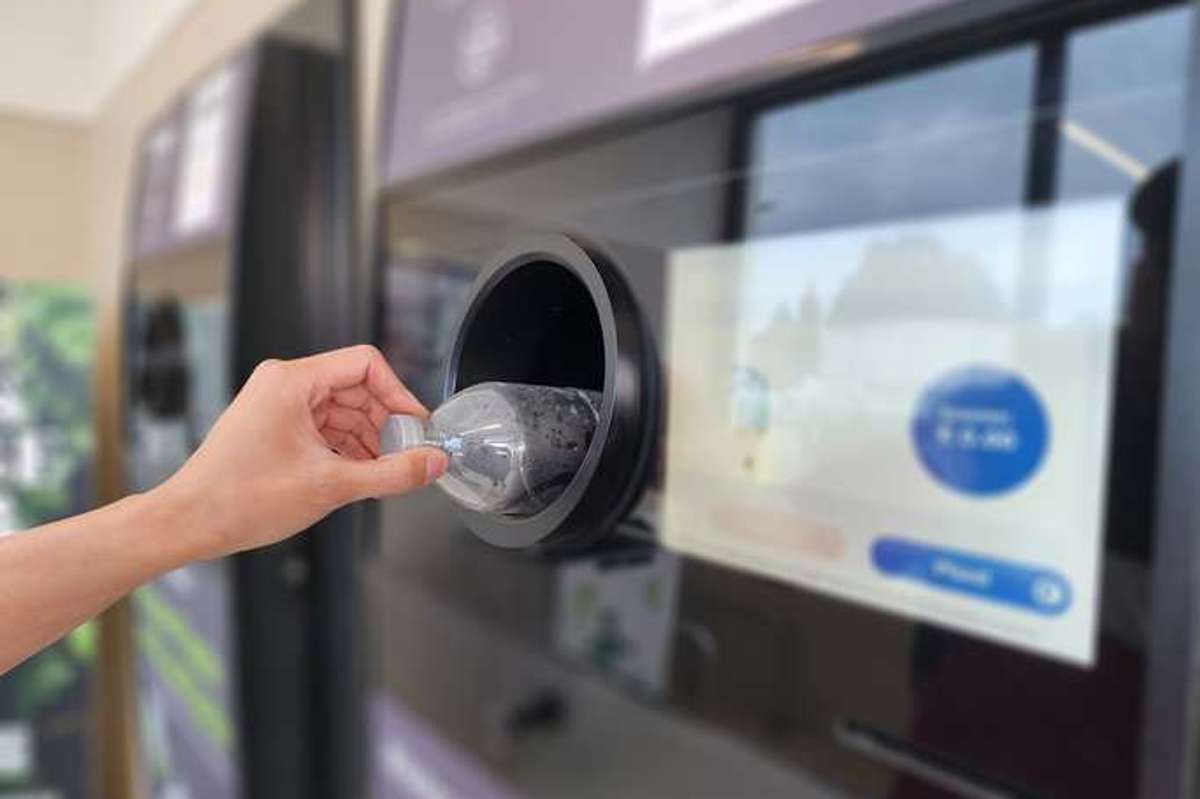

With less than 12 months until the UK’s Deposit Return Scheme (DRS) launches, Unitas Wholesale chief executive John Kinney has called for clearer commitments on collection arrangements, retailer compensation and investment protection, saying "retailers should not be expected to finance DRS, and they certainly should not be expected to subsidise it".
Supporting the introduction of DRS, Kinney has stressed that practical and financial arrangements must be resolved in advance to prevent independent retailers from facing avoidable operational pressures.
In a LinkedIn post on Wednesday (Oct 28), Kinney outlined four priorities he believes need to be addressed before launch, including transparent deposit pricing, guaranteed collection services, protection for retailers investing in reverse vending machines (RVMs), and a handling fee that covers the full cost of operating return points.
On pricing, Kinney called for manufacturers to display the deposit separately from the product’s selling price on price-marked packs (PMPs).
He stated, "For PMP's, manufacturers should clearly show the additional deposit alongside the selling price; £1.09 + 20p DRS.
"Consumers should know exactly what they will pay before reaching the till. This needs to become a consistent industry standard accepted by all manufacturers."
Kinney also called for collection service-level agreements (SLAs) that guarantee collection frequencies based on the number of containers handled by each retailer.
"Retailers need collection Service Level Agreements, with guaranteed collection frequencies based on the number of containers they process," he wrote. "This should not be left to the waste collection companies to decide. Independent stores cannot afford to have valuable space occupied by returned containers."
Calls to protect retailer investment
A further concern relates to retailers investing in reverse vending machines to accept returned containers. Kinney argued that commercial DRS return points should be restricted to genuine retail outlets, rather than allowing other businesses to enter the scheme and compete for return volumes and handling fee income after retailers have committed funds.
"Retailers are being encouraged to invest significant sums in reverse vending machines, " pointed out.
"Those investments need protecting. I believe commercial DRS return points should be restricted to genuine retail outlets only, rather than opening the scheme to other businesses seeking to capture return volumes and handling fee income after a retailer has made their financial commitment.
"Statements from EFC that the scheme may be opened up to other businesses are concerning as this was supposed to be a return to retail scheme. If we expect retailers to invest, we must provide a stable operating environment."
Kinney also stressed that retailers should not be expected to finance DRS, and they certainly should not be expected to subsidise it.
"Retailers will be refunding deposits and incurring the costs of operating return points," he stated. "Exchange for Change must guarantee speedy reconciliation and payment. But equally importantly, the Retailer Handling Fee must cover the full cost of operating a return point.
"It does not necessarily need to generate a profit, but retailers should not be left subsidising the scheme. I also believe that any interest earned by EFC on funds attributable to retailer handling fees should be ring-fenced to support those fees, not used to cross-subsidise other parts of the scheme."
"An annual independent audit should verify that retailers are being fairly and speedily compensated, that allowances keep pace with inflation and that scheme revenues are being allocated appropriately."
To ensure retailers are compensated fairly, Kinney called for an annual independent audit to check that payments are made promptly, allowances keep pace with inflation and scheme revenues are allocated appropriately.