




Some of the UK’s biggest retailers and hospitality businesses have urged chancellor John Healey to reduce employment costs and ease business rates ahead of his first Budget, warning that rising taxes are putting pressure on jobs, investment and high streets.
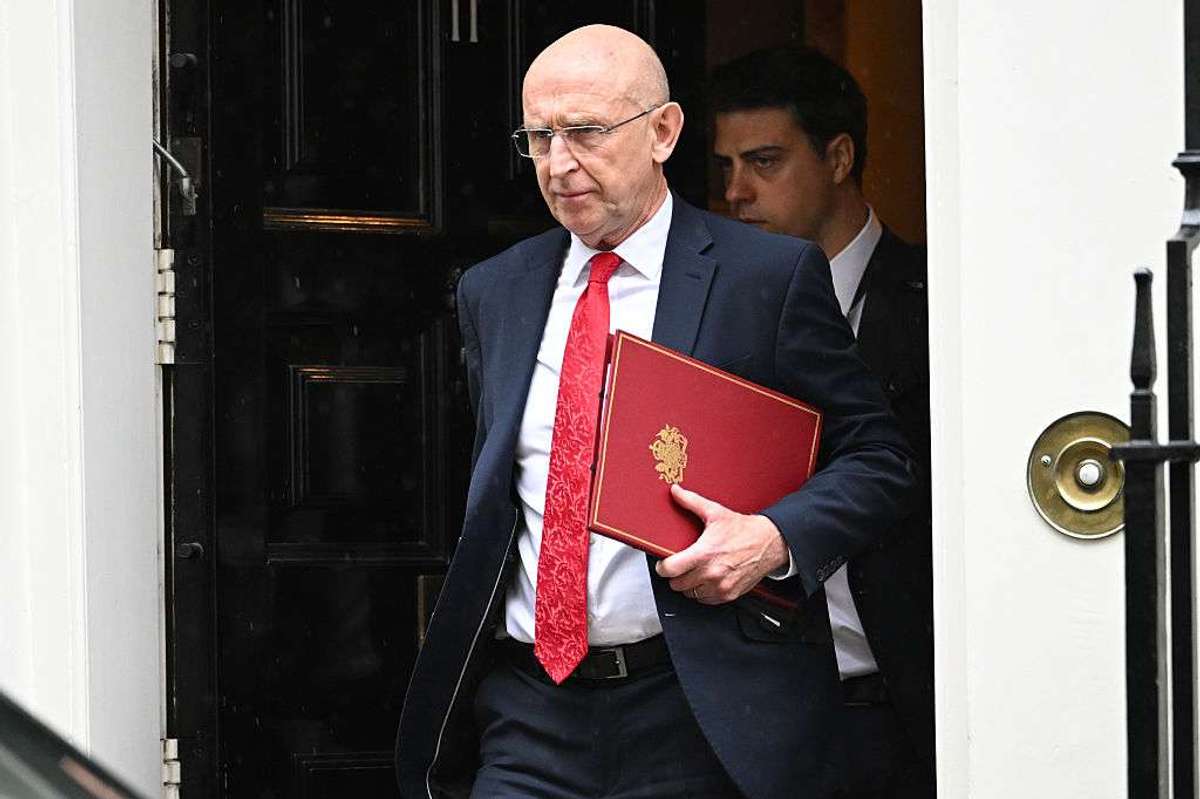
Leaders from Tesco, Marks & Spencer, Sainsbury’s and the Co-op, alongside Costa Coffee and other businesses, met Healey at No 11 on Tuesday (13 October) to discuss the impact of rising employer National Insurance (NI) contributions and other business costs.
The businesses want the government to raise the annual earnings threshold at which employers begin paying NI from £5,000 to £6,000, partially reversing a change introduced by Healey’s predecessor, Rachel Reeves. They argue that the lower threshold has added to the cost of employing young people and part-time workers.
Retailers are also seeking relief from business rates, with the British Retail Consortium (BRC) calling for a freeze in the CPI-linked increase and the removal of shops from the high-value multiplier.
Helen Dickinson, chief executive of the BRC, said the industry was facing mounting pressure after two years of higher taxes and employment costs.
“Retail is a major driver of growth, supporting jobs, investment and communities across the country, and providing vital first jobs and career opportunities for young people,” she told The Guardian.
“But after whacking up retailers’ taxes by 20 per cent in two years, including an extra £6.5 billion in new employment costs, any new costs will be paid by consumers at the till and make it harder for retailers to create jobs.”
Dickinson described the meeting as a “positive discussion” about growth and tackling youth unemployment, adding that the Budget was an opportunity to ease costs, make taxation fairer and unlock investment.
Public backs action on living costs and jobs
The BRC is also highlighting public support for action on household costs, youth unemployment and high streets ahead of the Budget.
Polling by Opinium, commissioned by the trade body, found that 89 per cent of UK adults want the government to prioritise reducing the cost of living, while 83 per cent support action on youth unemployment.
Improving high streets was identified as an important Budget priority by 77 per cent of respondents.
The findings come amid pressure on retailers to absorb rising operating costs while maintaining competitive prices and investing in their stores and workforces.
According to the BRC, the retail industry employs 2.8 million people directly and supports a further 2.7 million jobs across the wider economy. It estimates that the sector will pay £41bn in business taxes in 2026/27, a 20 per cent increase over two years.
The trade body also said the industry had lost 122,000 jobs over the same period, while one in seven high street properties stood empty.
The BRC argues that reducing employment costs and easing business rates would give retailers more scope to invest in recruitment, training, stores and technology, helping improve productivity and support high street communities.