



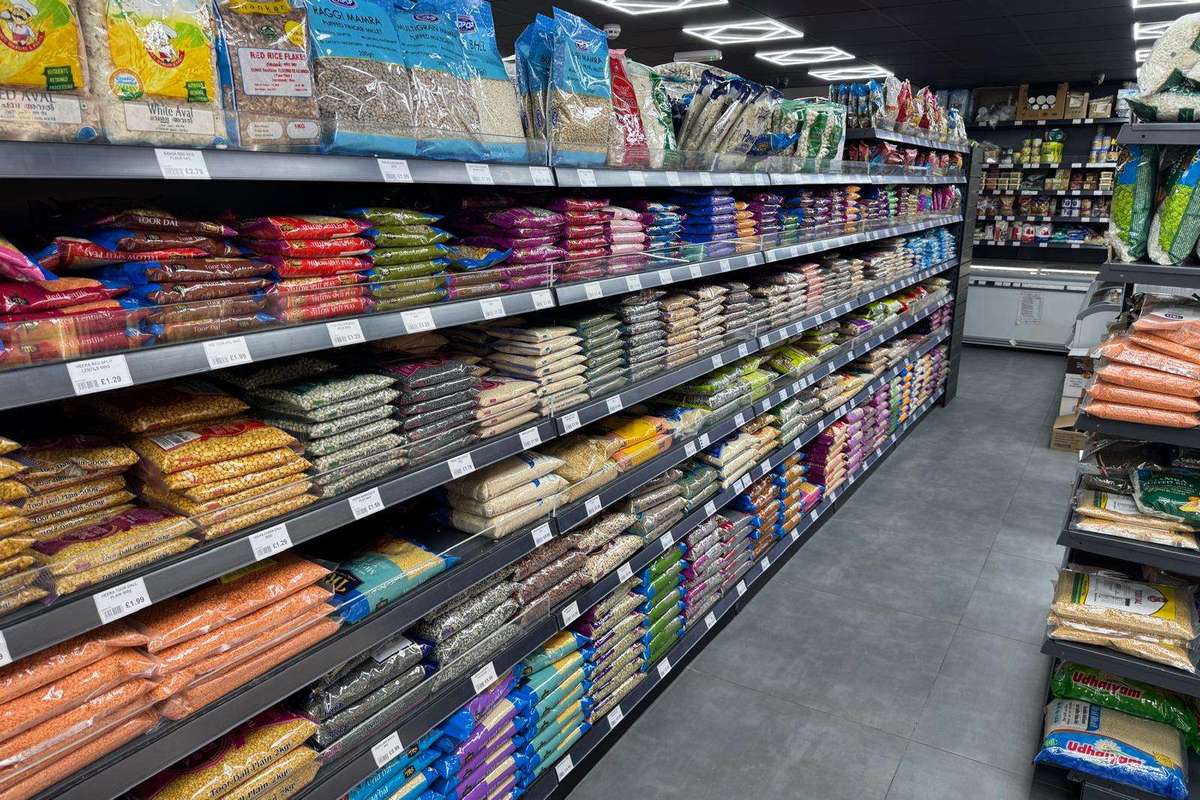

World food and drink has firmly established itself as a core category within UK convenience retail, with the latest Asian Trader retailer survey highlighting both the resilience and continued growth potential of the sector. Conducted among convenience retailers across the UK, the research reveals that world food products are no longer viewed as a niche offer aimed solely at ethnic communities, but as an increasingly mainstream part of the convenience shopping mission.
Read the category feature: World foods bring world of opportunities
Perhaps the clearest indication of the category’s growing importance comes from retailers’ views on its contribution to overall store performance. More than six in 10 retailers surveyed (65.2 per cent) described world food and drink as either “extremely important” or “very important” to their business, underlining the category’s commercial significance across symbol groups, independent convenience stores and forecourt retailers. A further 20.8 per cent said the category was “moderately important”, while notably none of the respondents described it as “not important”. The findings reinforce how embedded world food has become within modern convenience retailing.
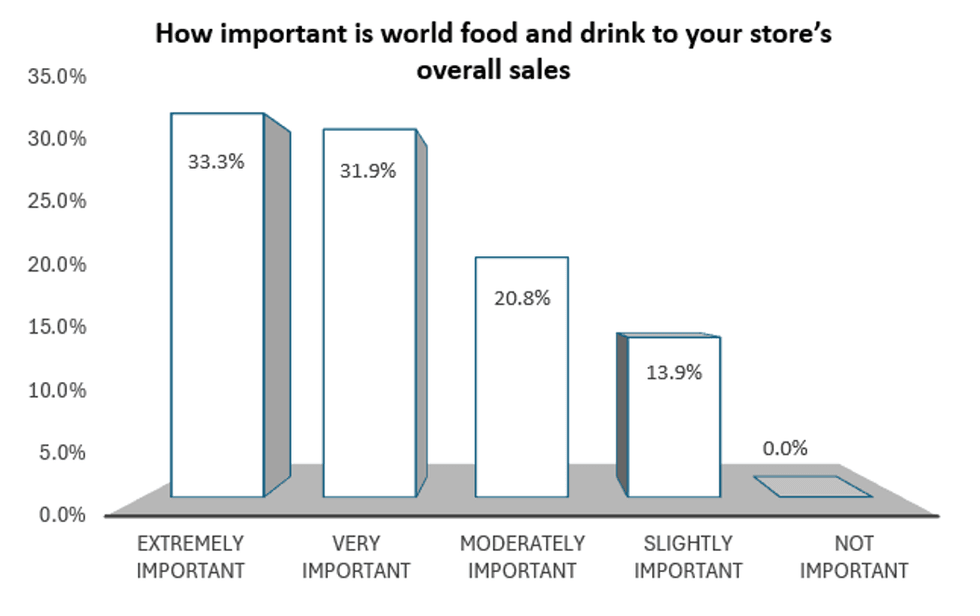 Photo: Asian Trader
Sales performance over the past year paints a picture of relative stability, with encouraging signs of growth. The largest proportion of retailers (41.7 per cent) said sales were performing about the same as last year, suggesting that the category has maintained momentum despite wider pressures on disposable income and consumer spending. However, more than a third of retailers (34.7 per cent) reported sales growth, including 8.3 per cent who said sales were “much higher” than the previous year. Only 18.1 per cent reported declining sales, indicating that while challenges remain in some locations and product segments, the category overall continues to demonstrate resilience.
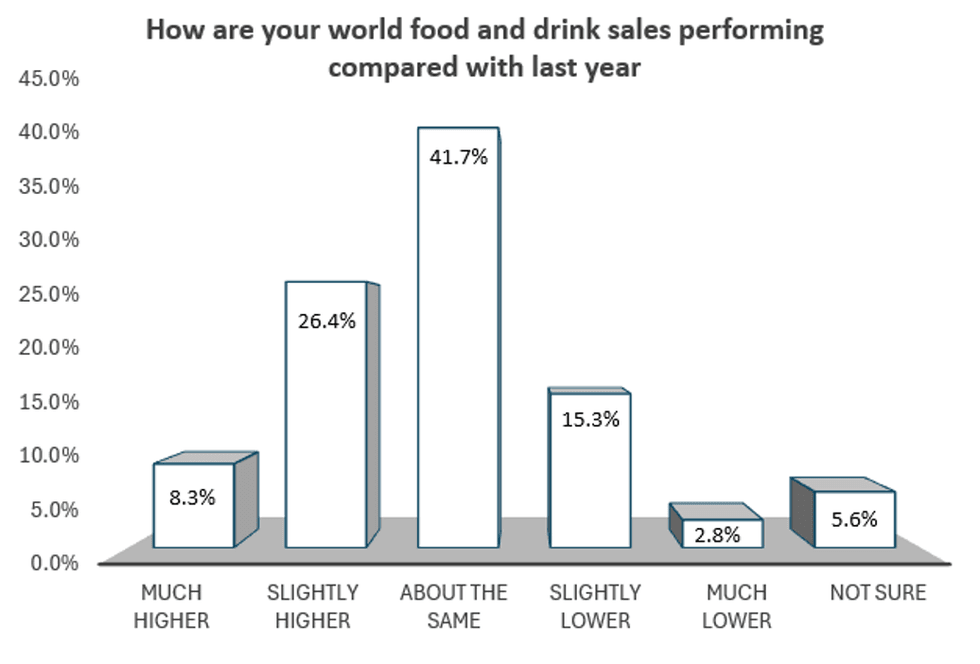 Photo: Asian Trader
While the wider survey showed strong performances from drinks and snacks, the data also highlights the continuing importance of grocery and cooking products within the world food fixture. Grocery and cooking lines achieved penetration of 76.7 per cent across surveyed stores, reflecting the strong demand for staple products such as sauces, noodles, rice, seasonings and cooking ingredients. These products continue to drive repeat purchasing and contribute significantly to basket spend, particularly among shoppers looking to recreate authentic cuisines at home.
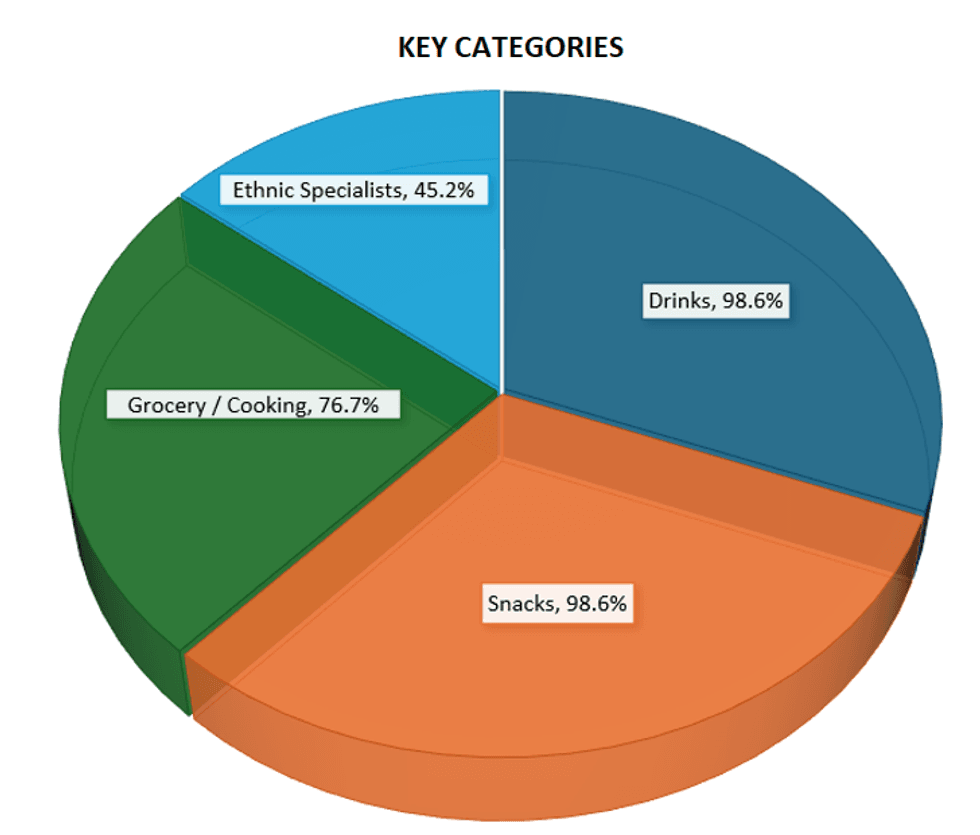 Photo: Asian Trader
The survey also indicates that authentic ethnic specialist brands continue to hold an important position within the category, although distribution remains more concentrated. Around 45.2 per cent of retailers said they stock ethnic specialist brands, suggesting these products are especially important in stores serving multicultural communities or locations with stronger demand for authentic regional ingredients.
When retailers were asked which cuisines perform best in-store, Eastern European products emerged as the leading choice, selected by 33.3 per cent of respondents. This reflects the continued importance of Eastern European communities within many UK convenience catchments, alongside growing mainstream consumer interest in international cuisine. South Asian cuisine ranked strongly in third place at 20 per cent, underlining its enduring popularity and the strength of products linked to Indian, Pakistani and Bangladeshi cooking traditions. Interestingly, 28 per cent of retailers said all cuisines perform equally well, suggesting many stores are now seeing broad-based demand across multiple world food segments rather than reliance on a single shopper demographic.
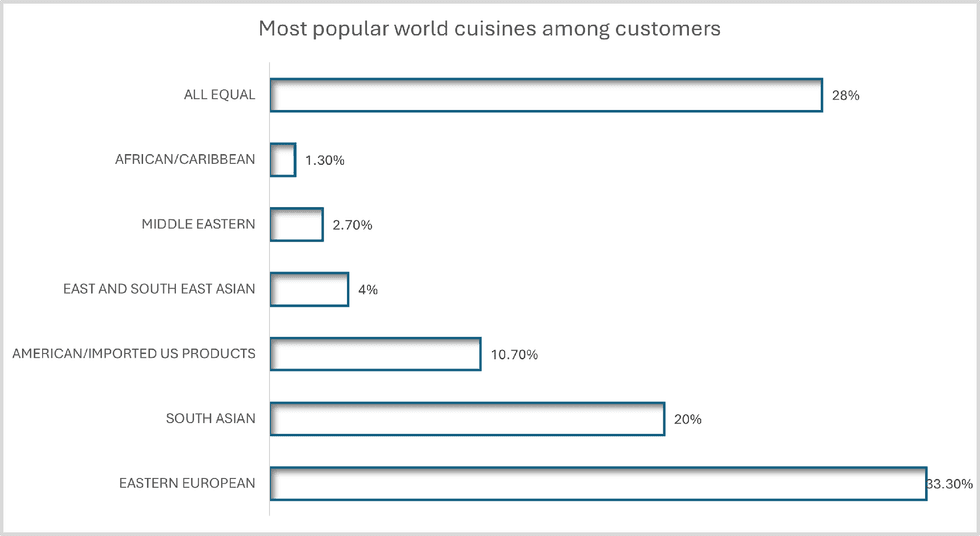 Photo: Asian Trader
The survey findings also challenge the perception that world food is driven solely by ethnic communities. The largest proportion of retailers (40.3 per cent) said demand primarily comes from their general customer base, reinforcing the increasingly mainstream appeal of international cuisines and ingredients. Local ethnic communities remain highly important, however, accounting for 27.8 per cent of responses. Younger shoppers seeking variety and experimentation were also identified as a growing contributor to demand, highlighting how world food continues to benefit from evolving consumer tastes and social media-driven food trends.
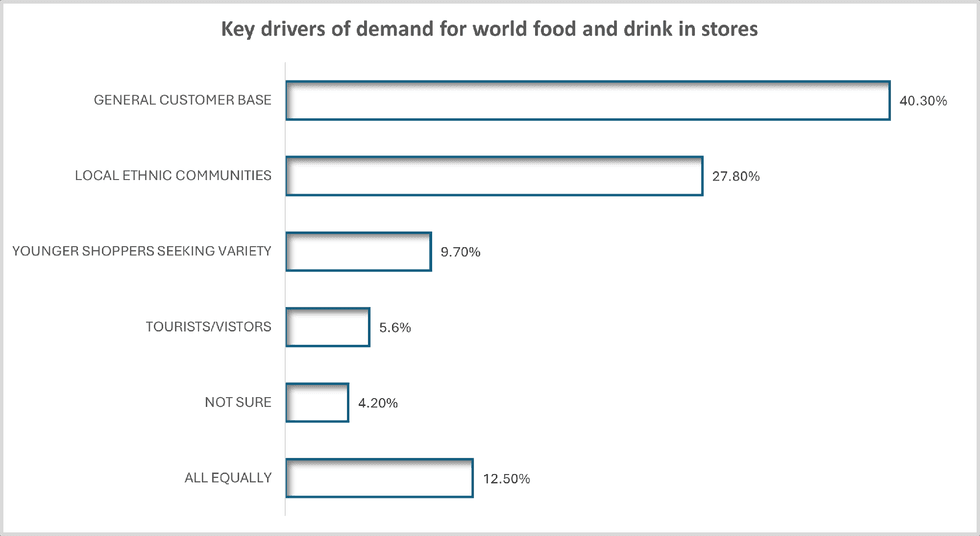 Photo: Asian Trader
In terms of pricing, affordability remains crucial. The £1-£2 price band emerged as the strongest-performing segment, cited by 45.8 per cent of respondents, while products priced between £2 and £5 also performed strongly at 37.5 per cent. This suggests that value-conscious shoppers continue to dominate purchasing behaviour, although consumers remain willing to spend slightly more for quality, authenticity and convenience. Premium products above £5 generated only limited traction, indicating that the category still relies heavily on accessible price points within convenience retail.
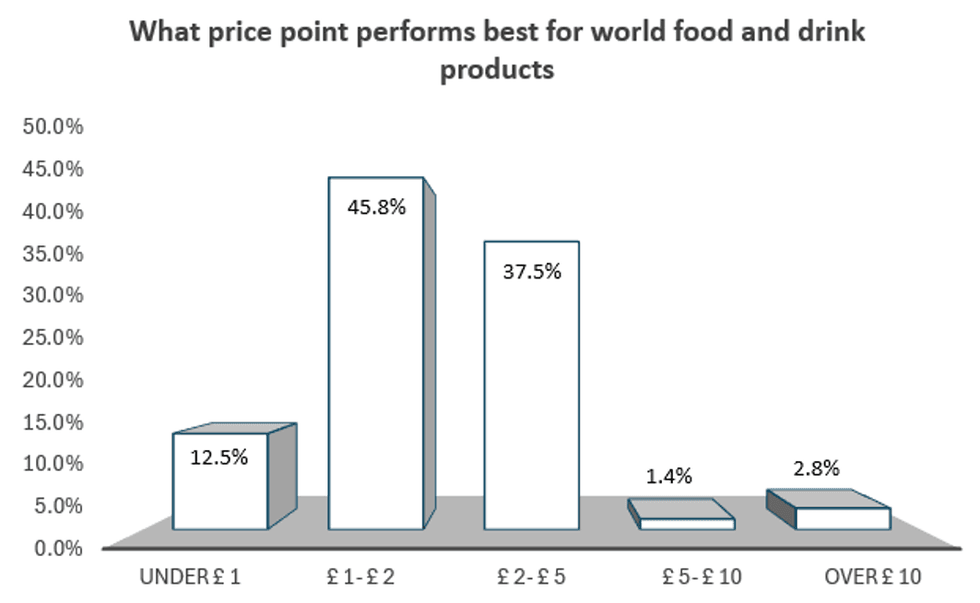 Photo: Asian Trader
Despite ongoing economic pressures, retailers remain broadly positive about the future of the category. More than four in five respondents (81.9 per cent) said they plan to maintain their current world food and drink range, reflecting confidence in consistent category performance. Meanwhile, 18.1 per cent are actively expanding their range, suggesting retailers continue to identify opportunities for growth in selected cuisines and product areas. Significantly, none of the retailers surveyed said they planned to reduce their range, reinforcing the category’s stability and long-term relevance within convenience retail.
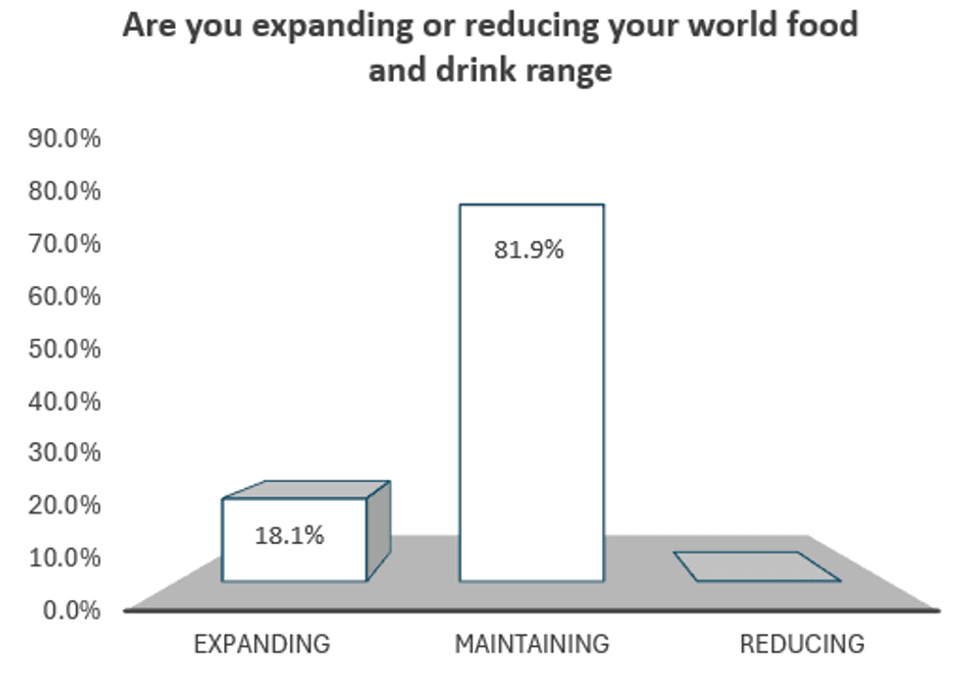 Photo: Asian Trader
Operationally, the category also appears relatively easy to manage for most stores. Two-thirds of retailers (66.7 per cent) reported no major challenges in running their world food range. Among those facing difficulties, limited shelf space emerged as the biggest issue, reflecting the constant battle within convenience retail to balance category breadth with available space. High wholesale costs were also cited as a concern by some retailers, particularly as inflationary pressures continue to impact margins and pricing flexibility.
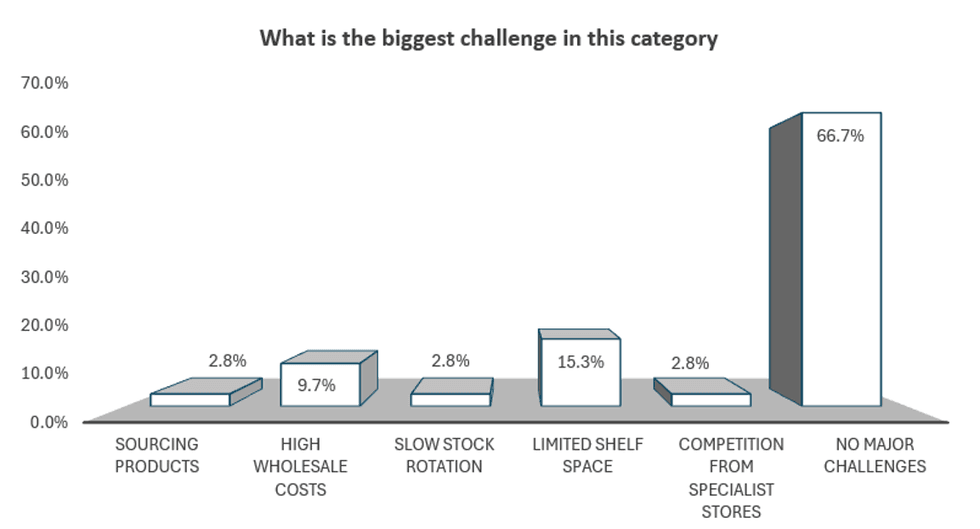 Photo: Asian Trader
Although some responses around best-performing brands reflected broader mainstream grocery names rather than purely world food specialists, the survey still highlighted several authentic ethnic brands performing strongly in-store. TRS and Ashoka emerged among the leading specialist names, demonstrating continued shopper loyalty towards authentic grocery products. Brands including East End, Natco and Shan also achieved strong visibility, particularly in stores serving multicultural communities. Within grocery and cooking, Maggi stood out as a particularly strong performer, alongside established brands such as Tilda, Sharwood’s and Blue Dragon, reflecting continued demand for convenient meal solutions and internationally inspired cooking products.
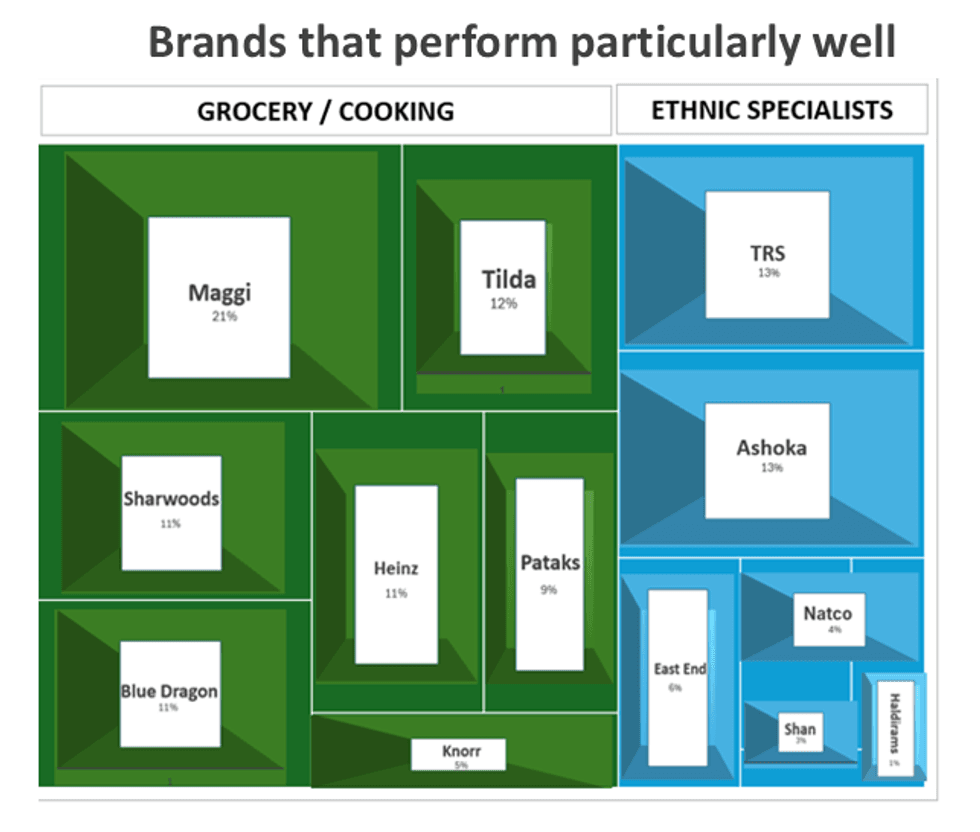 Photo: Asian Trader
Overall, the findings suggest world food is no longer an emerging trend within convenience retail, but a mature and increasingly mainstream category with stable demand, strong shopper relevance and further opportunities for growth. As UK consumers continue to embrace international cuisines and authentic cooking experiences, retailers appear confident that world food will remain an important contributor to both footfall and basket spend in the years ahead.