



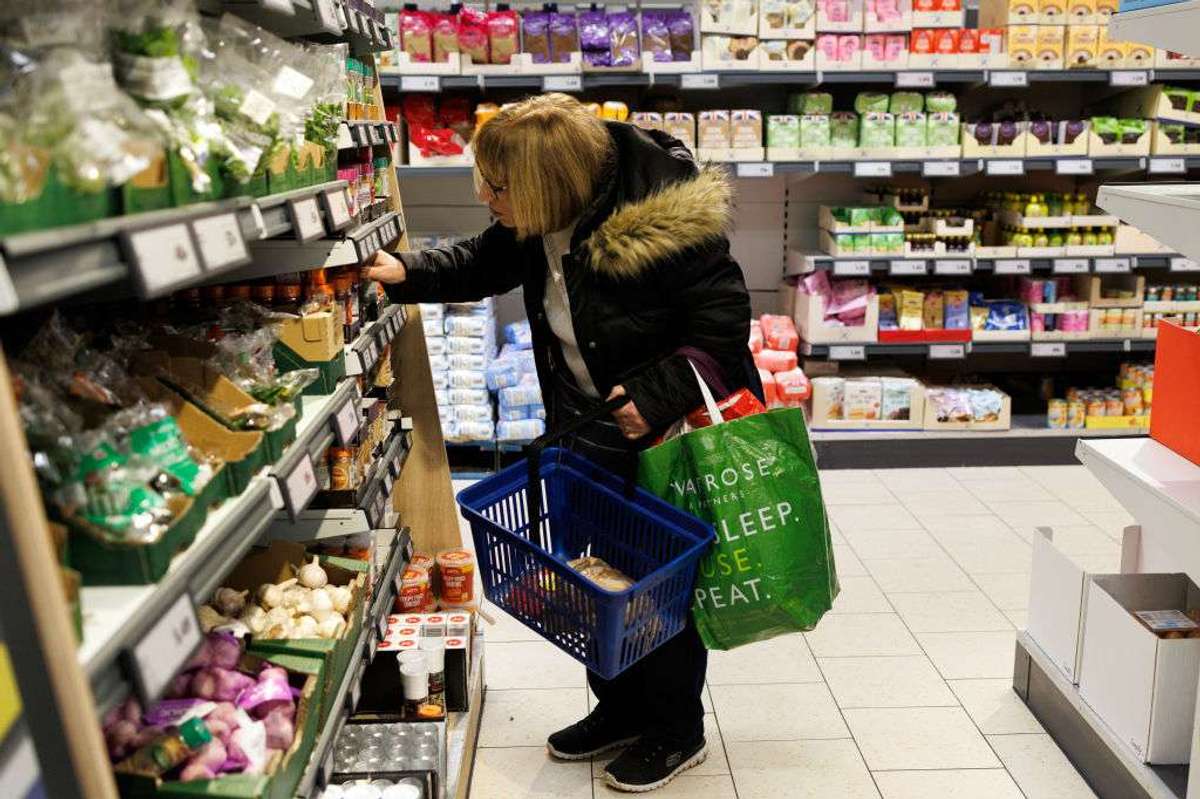

The UK's grocery sector could be facing its most significant obesity policy shake-up in years after MPs called for mandatory healthy food sales targets for supermarkets, tougher restrictions on promotions and advertising, and compulsory front-of-pack nutrition labelling to help tackle England's escalating obesity crisis.
The sweeping recommendations from MPs that would reshape how food is promoted, displayed and sold across England.
The Health and Social Care Committee calls for a new, bold approach to tackle England’s decades-long obesity epidemic that is costing the country tens of billions a year.
The government must prioritise preventing obesity in future generations over the interests of the food and drink industry, MPs say, as they make recommendations to better regulate advertising, promotions and labelling of food, as well as making it easier for people to access healthier options.
Proposals in the cross-party Committee’s new report aim to fix a food environment that pushes consumers towards high fat, sugar and salt (HFSS) products which are typically cheaper than nutritious foods.
The Committee urges Ministers to quickly bring in mandatory reporting and targets for supermarkets, backed up with penalties, on the amount of healthy food they sell, and new planning policies to stop fast food outlets opening close to schools.
The report also recommends improvements to the NHS’s successful Healthy Start cards, given to pregnant women and parents of young children to buy fruits and vegetables.
MPs challenge the government to be more courageous in the face of industry lobbying against restrictions, which has meant that attempts to tackle obesity through food policy have continually failed. This report comes from the Committee’s food and weight management inquiry.
A second report, focusing on weight treatment and medication, will be published later this year. A summary of the report’s main findings is below.
Health and Social Care Committee Chair Layla Moran MP said: “When we say the ‘food environment’, we mean the constant bombardment of promotions and adverts we see and hear in our daily lives – on our screens, on children’s journeys home from school, as we set foot in shops and queue for the checkout.
“The central message of this report is that we need to tackle England’s escalating obesity crisis through prevention. That means bearing down on environmental factors that push people to eat unhealthily – that coerce struggling families to buy their children products that fill them up without nourishing them."That is why the government’s food policy needs an overhaul. Perversely, the worst options are the cheapest while the healthiest are harder to access.
“Attitudes of obesity being purely down to the individual failings are outdated and deny the reality of those living with obesity and excess weight in this country needs robust challenge."
Key facts and stats
- In 2024, 30% of adults in England were living with obesity, a further 36% were overweight, according to NHS England. 28% of children aged 13 to 15 were overweight or obese.
- The Department of Health and Social Care, citing research by Frontier Economics, said obesity costs the UK £74.3 billion per year, including £11.4 billion to the NHS, £8.9bn to business, £0.4 billion to social care and costs from reduced quality of life of £48.1 billion.
- Between August 2024 and July 2025, nearly £680m was spent on advertising food and soft drinks through TV, radio and outdoors. Products such as sweets, chocolates and crisps accounted for 29% of that spend (£196m), whereas fruit and vegetables were 3%.
The Food (Promotion and Placement) (England) Regulations 2021 should be updated no later than January 2027 to include a requirement to place fruits and vegetables in prominent instore locations like checkouts and store entrances and extend the definition of a prominent location on a website to include 'special offers' pages.
Recommendation:
- The healthy sales reporting policy should be launched as soon as possible, with targets for major supermarkets set within the next 12 months, and for the wider food industry within this Parliament. If the government is committed to this policy it should be accompanied by a strict enforcement regime overseen by the Food Standards Agency with, for example, penalties on a sliding scale that could include fines. We would encourage government to use such revenue to make healthy food cheaper.
- As part of the sales reporting, retailers should also be required to report on the number of promotions – such as buy one get one free – offered on HFSS foods compared with foods like fruit and vegetables.
Front-of-pack labelling
Front-of-pack labelling about the nutritional value of food should enable customers to make quick, informed choices. The Committee heard support for the traffic light system, as well as criticism of it for being reductive. However, the Food and Drink Federation told us new labelling regimes can take two years for producers to adopt, and that the traffic light system would be easier to roll out as it is also used in European countries. Recommendations:- The government should introduce mandatory front-of-pack labelling by January 2028. Whilst imperfect, the traffic light system is familiar to customers and already widely used by producers, meaning full implementation should be swift.