



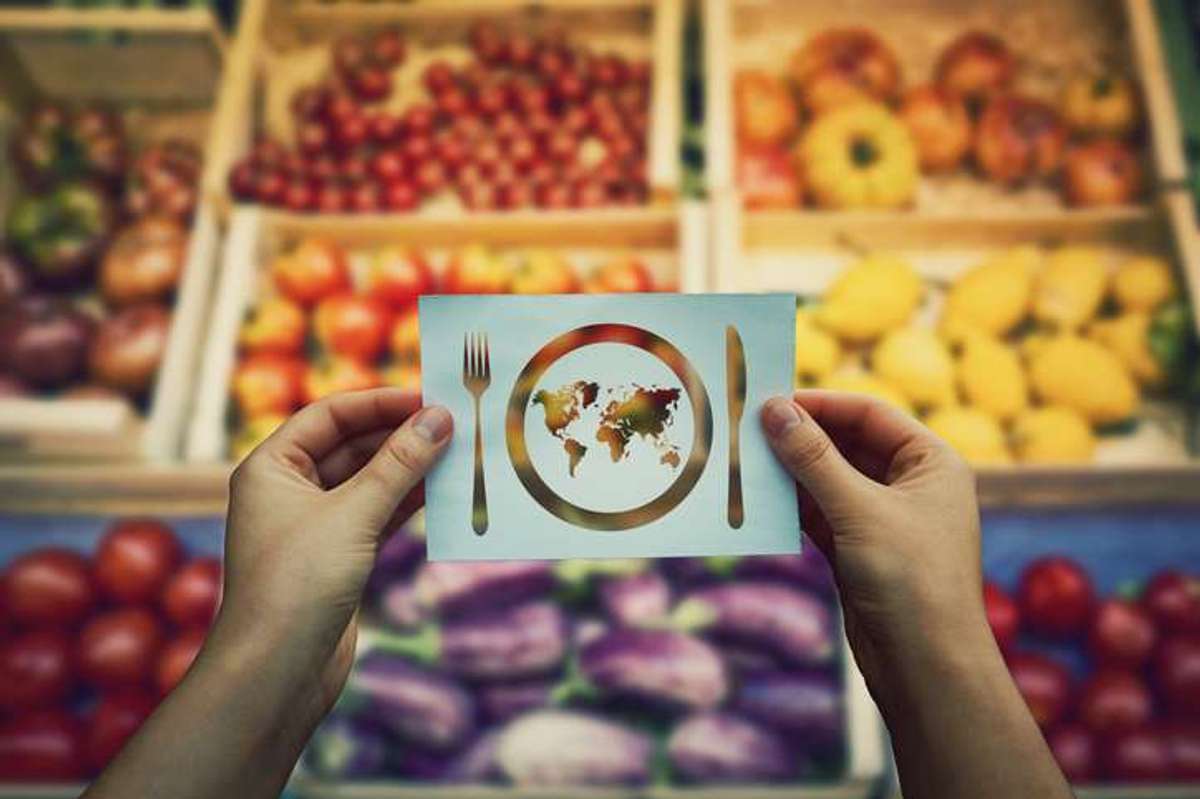

There was a time when the “world foods” section in a British convenience store meant little more than a few jars of curry sauce, soy sauce bottles, instant noodles and perhaps a limited range of spices sitting quietly on a single shelf.
The category was viewed largely as a specialist proposition aimed at specific ethnic communities, with many retailers seeing it as functional rather than commercially exciting.
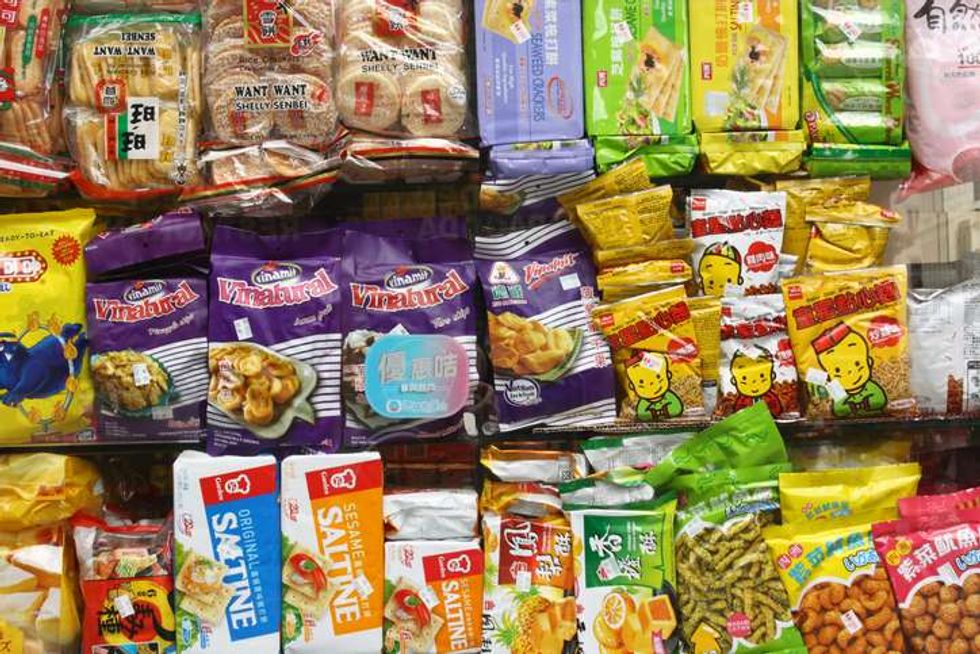
Today, world foods have become one of the most vibrant, fast-moving and culturally significant categories in UK convenience retail. From Korean ramen and Japanese confectionery to Caribbean marinades, Middle Eastern ingredients, Indian snacks, African staples and Eastern European products, global cuisine has firmly entered the mainstream British shopping basket.
This is not a recent phenomenon. The story of world foods in the UK convenience sector is, in many ways, the story of modern Britain itself, shaped by immigration, travel, curiosity and the enduring human love of good food.
The seeds were planted in the post-war decades as large-scale migration from the Indian subcontinent, the Caribbean and parts of Africa brought not just people but entire culinary traditions to British high streets.
By the 1970s and 1980s, independent Asian and Caribbean grocers were already stocking specialist ingredients that the major multiples ignored entirely. These small stores became lifelines for diaspora communities seeking familiar flavours.
The 1990s marked a turning point. The boom in restaurant dining, particularly Indian and Chinese, exposed millions of British consumers to flavours they wanted to recreate at home. Supermarkets began taking notice, but it was the convenience sector, already embedded in diverse urban communities, that was best positioned to respond quickly.
Social media, international travel, food delivery apps and a generation of young, adventurous eaters have since turbocharged growth.
Today, Britain is a nation of biryanis and baos, jerk chicken and kimchi, borscht and burritos. From Mexican tortillas to Japanese ramen, Polish pickles to Caribbean hot sauces, the world foods category has exploded in popularity.
Some stores are leveraging on the world food range to create an unique positioning. Croydon-based Freshfield Market, run by retailer Benedict Selvaratnam, and Asian & Afro store in Ipswich, run by Sajeev and Deepa Bada, are some prime examples of how a convenience store can stand apart from nearby stores and even supermarkets, if they are stocking a wide range of ethnic food items.
According to George Phillips, Commercial Director at Wanis International Foods, exclusive distributor of Tropical Sun, world Foods is a significant and rapidly expanding segment within UK grocery retail, driven by changing demographics, increased cultural confidence and the continued mainstreaming of global cuisines.
“With 90% of UK adults now eating world cuisines at home, engagement with the category is close to universal.
“The category is now a core part of the UK grocery and convenience landscape, worth close to £3bn annually and continuing to outperform many traditional categories,” he said.
Growth is being driven by both demographic change and evolving consumer behaviour. According to Kantar, nearly half of all World Food sales now come from cooking sauces, marinades, accompaniments and core ingredients, reflecting the continued shift towards scratch cooking.
At the same time, Mintel research shows that around half of consumers believe meals cooked at home using world flavours can feel as special as eating out, helping to sustain demand as shoppers look for more affordable alternatives to foodservice.
With the market forecast to continue rapid growth, driven by 16–34-year-olds experimenting with global cuisines at home.
Phillip added, “This is reflected in wider food trends, with platforms such as Just Eat reporting that dishes like Korean fried chicken and Pad Thai are now replacing more traditional favourites in the UK’s top takeaway choices, highlighting the growing mainstream appetite for global flavours, often driven by travel, social media and cultural influence.”
As the UK’s number one World Food brand, Tropical Sun is performing strongly within this market, with retail sales exceeding £55m and consistent double-digit year-on-year growth.
Sector leaders and stakeholders agree that the spectrum of food choices have widened massively.
According to Anna Beheshti, Tilda’s Head of Marketing, world food and drink is seeing strong growth, as global cuisine becomes an everyday staple for UK shoppers.
“Whether it’s midweek meals or hosting at home, more people are looking to recreate authentic dishes in their own kitchens.
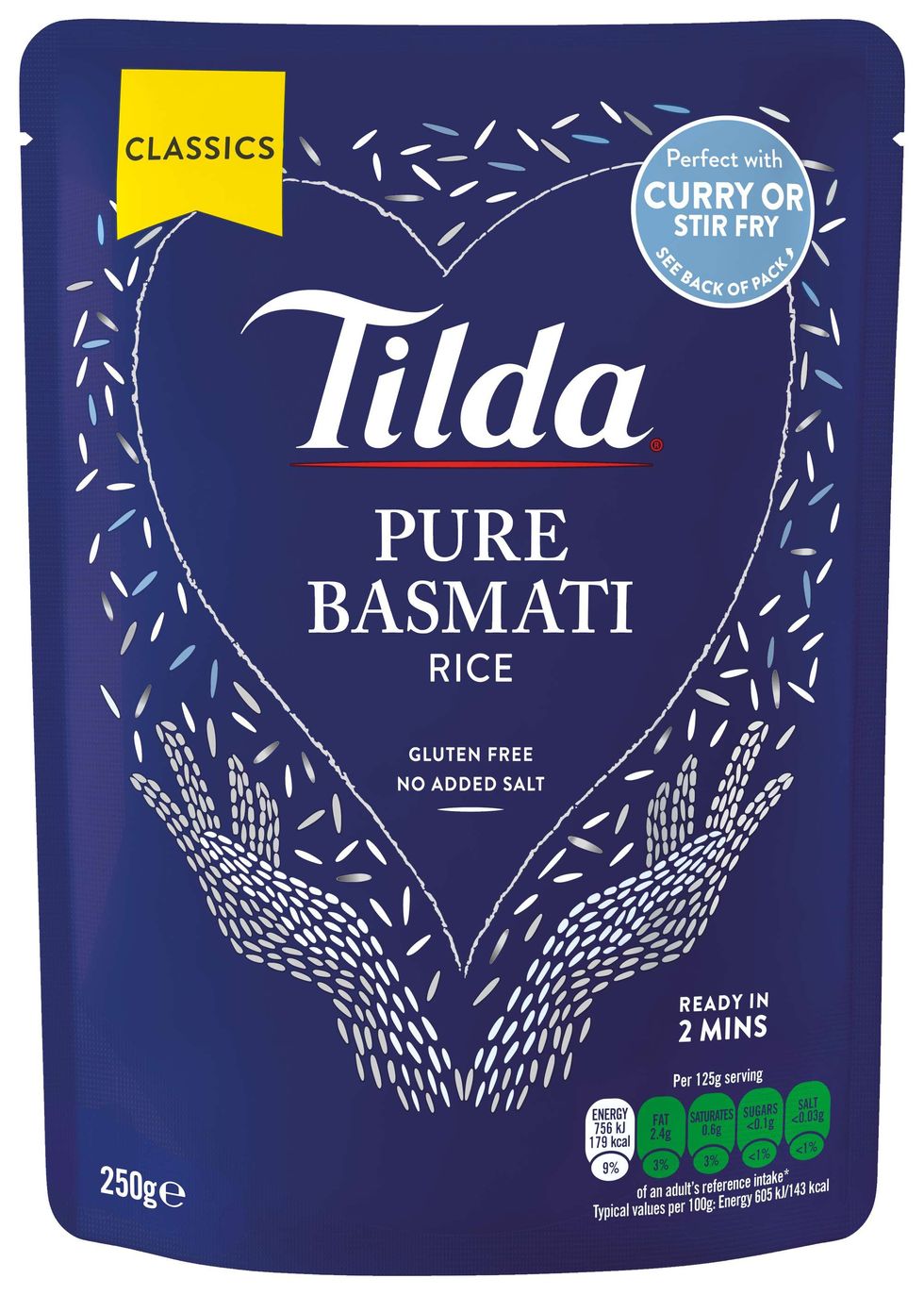
“The category is growing, with staple carbohydrates such as Tilda Long Grain 1kg and Tilda Pure Basmati – the number one SKU across its 500g, 1kg, and 5kg formats1 – driving this momentum,” she added.
As the number one brand in total rice, Tilda is now worth £125.7 million, up +1.4 per cent in value and +1.3 per cent in volumes, having sold more in value than any other rice brand in the last year.
Navigating the categories
Understanding which products to stock is the retailer's most critical decision, especially when the category is broad and, importantly, highly localised.
What works brilliantly in a store serving a large South Asian community will differ from one in a predominantly West African neighbourhood or a mixed urban area.
The key is to have better understanding of the community demographic and stock accordingly.
Indian and South Asian foods remain the bedrock of the world foods fixture.
The UK's love affair with Indian cuisine is long-standing and shows no sign of cooling. Key products include curry pastes and sauces, spice blends and of course authentic basmati rice.
Authenticity in rice equates to Tilda, which continues to bring new shoppers into the category.
Beheshti from Tilda told Asian Trader, “Our household penetration now stands at 25 per cent and we’ve recruited more than 250,000 new buyers over the past year alone.
“This has been driven by a combination of over 50 years’ sourcing expertise and a broad, flavourful portfolio that caters to a wide range of shopper needs from trusted dry rice staples to quick and convenient Ready to Heat formats.
“It’s this balance of quality, authenticity and convenience that continues to drive both shopper loyalty and category growth.”
 Tilda
Tilda
The category is growing, with staple carbohydrates such as Tilda Long Grain 1kg and Tilda Pure Basmati, the number one SKU across its 500g, 1kg, and 5kg formats, driving this momentum.
Consumers are seeking quick meal solutions that don’t compromise on flavour or authenticity and can be prepared quickly at home. Tilda is well positioned to meet this need, with over 27 varieties in Ready to Heat range, offering a wide selection of flavours in just two minutes.
Beheshti added, “Generational differences are also shaping the category. Younger shoppers have become more confident experimenting with bold, global flavours and cuisines, and sticky rice is now the fastest-growing variant.
“At the same time, more traditional shopping missions continue to support larger pack formats, particularly during key ethnic calendar moments such as Ramadan, where Tilda sold two big bags per minute in 2025.”
There is also growing interest in cultural storytelling and heritage-led cooking, particularly among younger consumers. Collaborations that celebrate authentic food traditions are resonating strongly – something which Tilda is tapping into with the launch of our new limited-edition Jamaican Spiced Pumpkin Rice pouch.
Created in partnership with the Original Flava brothers, it draws on family recipes and Caribbean food culture to bring bold, accessible flavour to a new generation of shoppers, while aligning with the wider trend towards discovery-led cooking at home.
Beyond big flavour, sustainability and health remain front of mind too, with more shoppers considering ethical sourcing and environmental impact when making purchasing decisions.
Beheshti told Asian Trader, “Tilda is proud to be the first rice brand in the UK to achieve B Corp certification, reflecting our ongoing commitment to responsible sourcing and production.
“Looking ahead, we expect continued growth for products that deliver on authenticity, ease and flavour discovery, and brands like Tilda that meet these trends and connect with shoppers through culture, storytelling and sustainability are best placed to drive long-term loyalty and growth.”
Over the past year in particular, international flavours have been at the heart of Tilda’s new product developments (NPDs). The latest launch is Tilda’s Chinese Special Fried Rice and Soy & Ginger Sticky Rice 250g pouches, as well as the Sticky Rice 500g.
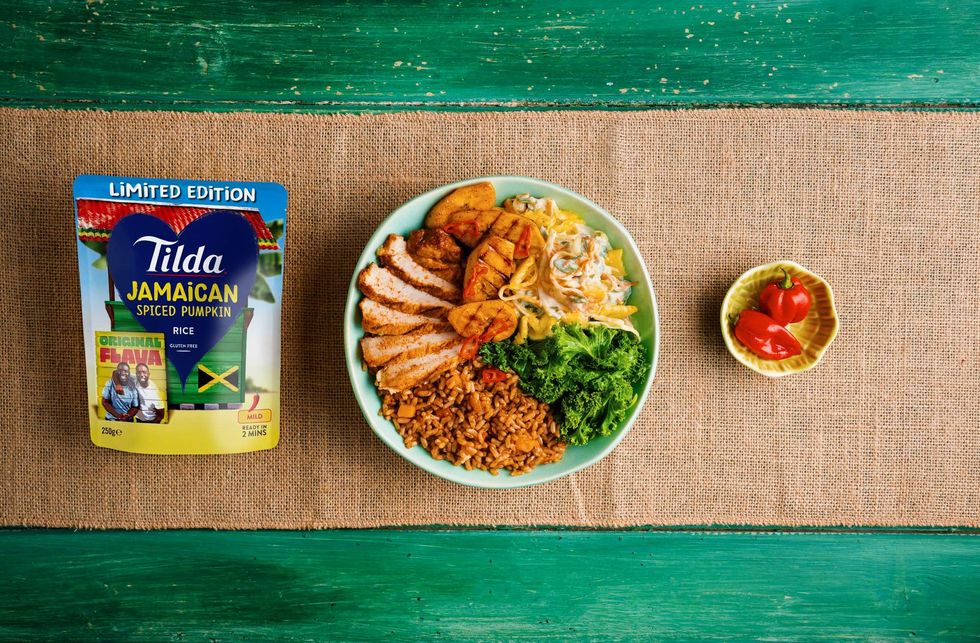 The limited-edition Tilda and Original Flava collaboration aims to inspire shoppers with exciting flavours and innovative meal ideas. Tilda
Beheshti informed, “We’re even exploring this trend in our Kids portfolio, with the launch of Tilda Taste Travellers – a range of veg-packed pouches – making global flavours accessible for children, with meals like Thai Green Curry and Japanese Katsu Curry.”
Tilda’s entire portfolio is being backed by its newly-launched brand campaign ‘Live Like You Mean It’, which is all about celebrating food as one of the most powerful ways to show care.
“The campaign will be supported by a programme of activity across wholesale and independent retail, with targeted activation across communities, to drive engagement, increase visibility and support demand within the World Foods category.”
Keep it moving
The world foods category has a particular structural advantage that it draws in shoppers who are not just browsing but actively seeking specific products, making them high-intent, high-basket customers.
A shopper who comes in for a specific spice blend or a sauce rarely leaves with just that one item.
According to Phillips from Wanis International Foods reveals, the next phase of growth is likely to be driven by culturally rooted cuisines.
Like West African, which is following a similar trajectory to Caribbean food 10–15 years ago, supported by a growing UK diaspora and increasing crossover into the mainstream, with dishes like jollof rice becoming more widely recognised.
Thai and Japanese cuisines are delivering double-digit growth (+10 per cent and +15 per cent respectively), while the global influence of K-pop and Korean media continues to drive highly visible, trend-led demand for Korean food.
Phillips told Asian Trader, “Established favourites such as Indian and Tex-Mex remain dominant, but newer cuisines are rapidly gaining traction.
“Emerging cuisines such as Filipino and regional Latin American are also beginning to build momentum, particularly among younger, trend-led consumers.
“For retailers, the opportunity lies in balancing these different growth areas, backing high-demand, high-visibility cuisines while selectively introducing newer products that tap into evolving consumer tastes and drive incremental sales.”
As the UK’s one of the leading world food brands, Tropical Sun is well placed to support this shift, with a broad, ingredient-led range that appeals both to core diaspora shoppers and to a growing audience looking to experiment with global flavours at home.
The Mexican food category has extraordinary mainstream penetration, tortillas, salsa, guacamole, refried beans and fajita kits have become staples for millions of British households.
New product launches such as the Pekis Tex-Mex range of heat-and-eat taco fillings reflect how brands are innovating to meet consumer demand for speed without sacrificing flavour.
A well-established category with strong loyalists among the UK's Caribbean community, Carribbean food segment also benefits from powerful mainstream crossover appeal.
Key products in this include jerk seasoning, scotch bonnet hot sauces, ackee, callaloo, coconut milk and specialty beverages.
West African cuisine is also rapidly moving beyond its diaspora base. Products such as jollof rice ingredients, palm oil, suya spice, dried fish and plantain are high-demand lines, while plantain chips and coconut peanuts are excelling as crossover snack options in impulse-led convenience environments.
Innovation continues to play a key role in driving excitement and attracting new shoppers into this category.
For convenience retailers, Wanis International Foods, along with Tropical Sun, continues to stand out when it comes to procuring the different lines of food and drinks from across the world.
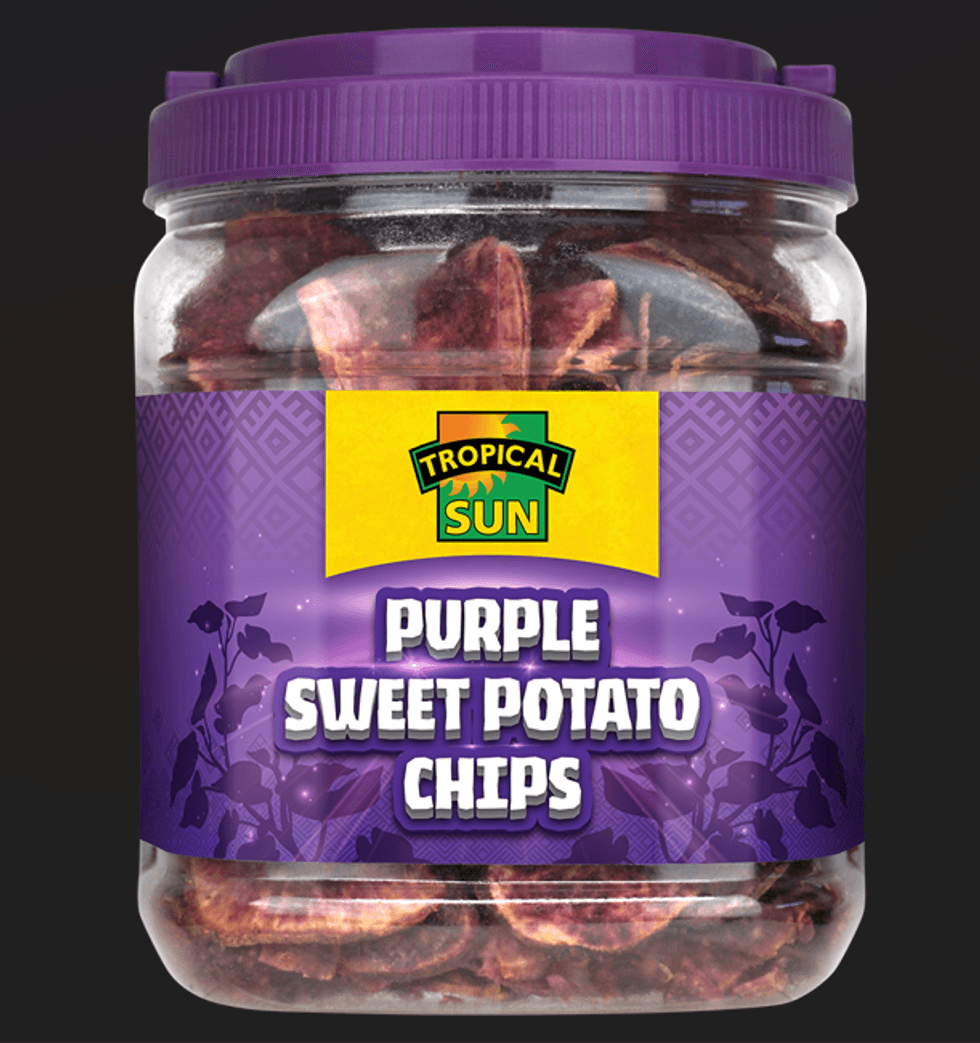 Tropical Sun unveils purple sweet potato crisps Image: Wanis International Foods
Phillips from Wani International Foods says, “We are seeing strong engagement with products that tap into current consumer trends around bold flavours, unique ingredients and global inspiration, particularly within snacks, drinks and cooking aids.”
As one of the UK’s leading World Food brands, Tropical Sun continues to support independent retailers by delivering a comprehensive range of authentic, high-quality products alongside category insight and expertise.
“Alongside NPD, marketing support is essential to driving awareness and trial,” Phillips added. “This includes a mix of in-store activity, digital campaigns and social media engagement, helping to create visibility and encourage shoppers to explore new products within the category.”
Beverages deserve special mention as one of the fastest-growing sub-categories within world foods. Coconut water has become a genuine mainstream health drink, with
Tropical Sun's canned formats performing particularly strongly in 2025 as consumers increasingly position it as a better-for-you alternative to traditional soft drinks.
Other growing lines include sugarcane juice, tamarind drinks and Caribbean fruit-flavoured beverages. These products deliver strong margins and drive incremental basket spend.
Interestingly, world food cuts across categories. Each section in the store can have top leading brand and variety of something to offer from global cuisine.
Like in the dairy section. While milk, yoghurt, cheese and butter dominate, it is always a good idea to dedicate some shelf space to Greek-style and other Mediterranean yogurts as well as to wide selection of European cheeses such as French Brie, Italian Mozzarella, and Dutch Gouda.
When expanding in the global ranges, the safest bet is to go with the leading brands. Müller Greek-style yogurts offer a range of thick, creamy options under the Müller Bliss (indulgent) and Müller Light Greek (fat-free) brands.
Muller offers a range of products like Müller Corner, Müller Light, Müller Bliss, Müller Rice, FRijj, Müller x Myprotein, all of which are seeing a good momentum among Brits.
Coming in two flavours and in a convenient ‘top hat’ form to be eaten on-the-go, Müller x Myprotein CRUNCH yogurt is a must-stock for those looking for healthier options.
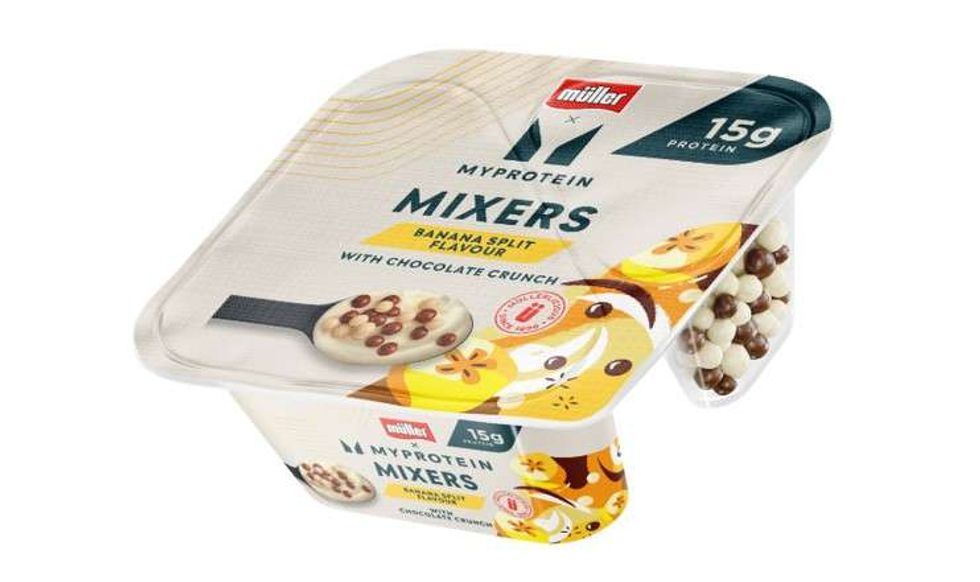 Image: Müller
Müller Yogurt & Desserts last year launched a new Raspberry and White Chocolate flavour Müller Rice co-created with England international Declan Rice.
Using the original creamy Müller Rice recipe as its base, this HFSS-compliant SKU includes a layer of raspberry and white chocolate to create an easy-to-grab product which can be enjoyed as an on-the-go snack, or as a post-meal treat.
Make the best of world food craze
The world foods category is being shaped by several fast-growing consumer trends. The rise of the “fakeaway” culture, driven by cost-of-living pressures, has boosted demand for cooking sauces, spice blends and meal kits as shoppers recreate restaurant-style meals at home.
Social media platforms such as TikTok and Instagram are also driving interest in cuisines including Korean, Japanese and West African food, creating strong sales opportunities for retailers who respond quickly to trends.
Health-conscious consumers are increasingly drawn to products such as rice, pulses, spices and coconut-based ingredients, while demand is also growing for clean-label, plant-based and halal-certified products.
Shoppers are also becoming more adventurous, seeking authentic regional dishes rather than generic world cuisine options, while fusion products blending global flavours with British favourites continue to attract younger consumers.
For independent retailers, success in world food and drink really comes down to getting the basics right.
Independents are well placed to serve their local communities, so offering a balance of larger formats for family cooking alongside more convenient options for quick meals can help maximise sales.
Core staples are essential, and bestsellers such as Tilda Pure Basmati, the biggest selling dry rice 500g SKU in the market are key drivers of both value and volume, so should be well stocked and clearly visible in-store.
Merchandising also plays a key role here – positioning rice alongside complementary categories such as meat, vegetables and sauces can help tap into evening meal missions and encourage shoppers to trade up their baskets.
Beheshti from Tilda pointed out, “Our 250g formats are especially popular for these missions, with flavours such as Pilau, Wholegrain Basmati, Sticky, Golden Vegetable, Long Grain, Spicy Mexican and Chinese Special Fried Rice all performing strongly.
“Boil-in-the-bag always remains a go-to for shoppers, and our 250g boil-in-the-bag range tops shoppers’ lists as the number one choice in the segment.”
Tapping into the growing appetite for global flavours is also key. Shoppers are becoming more confident experimenting with different cuisines at home, and this is reflected in strong performance across segments like jasmine rice, where Tilda continues to hold the number one position across both block and boil-in-the-bag formats.
World foods work best when treated as a strategic category, not an add-on. With rice as the anchor, supported by dried staples, milk powder, hot drinks, honey and snacks, retailers can deliver increase in basket spend, strong loyalty and consistent, repeat-driven growth.
For retailers, this means allocating greater focus and shelf space to innovation rather than relying heavily on existing, well-established lines.
 iStock image
Perhaps most importantly, store’s stock and merchandising should reflect the demographic reality of its catchment area.
Phillips from Wanis International Foods, agrees, “Understanding local demographics remains important, retailers should recognise that many World Food products now have broad appeal across multiple customer groups, creating an opportunity to expand ranges with confidence.
“Our advice is simple- focus on a strong core range first. Categories such as rice, flours, pulses, sauces, seasonings, snacks and drinks drive the majority of sales and should form the backbone of any World Food fixture.”
Phillips advices retailers to organise stock by product type rather than cuisine, grouping all sauces, flours or drinks together.
“This improves shopability and encourages cross-category purchasing, as shoppers are more likely to try new products when displayed alongside familiar ones.
“Retailers who organise their range by product type, grouping sauces, flours, snacks and drinks together are better placed to encourage cross-category purchasing and drive discovery.
“World snacks such as plantain and cassava chips are a particularly strong opportunity, acting as an easy entry point into new cuisines and performing well as impulse purchases when positioned near tills,” Phillips shares with Asian Trader.
One of the highest-value opportunities in world foods is cross-category activation. World cuisine is naturally multi-category, spanning ambient, chilled and frozen, yet these are usually merchandised in isolation.
Position basmati rice near curry sauces and pickle. Put coconut milk next to jerk seasoning. Link Tilda pouches with complementary sauces. This reduces the shopper's cognitive load and demonstrably increases basket size.
World foods has a rich cultural calendar that creates regular, predictable demand spikes. Planning stock and promotions around key dates in the world food calendar — Eid, Diwali, Chinese New Year, Caribbean Carnival season, Vaisakhi — means customers know they can depend on you to have the items they need ahead of special occasions.
The Floor Is Yours
World food retailing often involves complex supply chains, fluctuating costs and the constant challenge of maintaining authenticity. Customers are not merely looking for substitutes; they are searching for the exact brands and flavours they grew up with.
The safest way, as suggested by retailer Deepa, also the winner of Asian Trader Award World Food Retailer of Year in 2025, is to stock “top brands for each area”.
As the world foods category matures, industry experts are urging retailers to increasingly need to move beyond simplified “flavour cue” merchandising and offer greater authenticity, education and cultural depth.
Mexican cuisine is often highlighted as one example of where UK retail still has significant room for improvement.
Despite growing consumer interest in tacos, burritos and street-food-inspired flavours, many stores continue to reduce Mexican food to a narrow range of fajita kits, salsa jars, nachos and seasoning mixes. Retail experts argue that this approach risks oversimplifying one of the world’s richest and most diverse food cultures.
Increasingly, shoppers are beginning to look beyond basic meal kits and seek more authentic ingredients such as corn tortillas, masa harina, achiote, dried chillies and regional cooking sauces.
According to retail expert from Phil Mc Mahon from Really Good Culture, the issue reflects a broader challenge across the entire world foods category.
“The World Foods aisle should be a place of discovery, but it often feels more like an archive shelf,” the expert says. “That’s fine if you already know what you’re looking for, but not especially good at helping people understand a cuisine or build a meal.”
For retailers, the opportunity lies not in removing mainstream “Mexican-style” products, but in building the next layer of authenticity around them.
Today, the world foods category is driven not by a fad or a fleeting trend but by the changing face of Britain, be its demographics, its culture, its appetite for new experiences or even its pragmatic desire for good, affordable food at home.
With demand extending well beyond core ethnic shoppers into the mainstream, such product range continues to outperform many traditional grocery categories and represents a significant, long-term growth opportunity for wholesalers and retailers.
The world foods aisle is no longer just another shelf in the store. Retailers who continue to treat it as an afterthought risk missing one of the biggest shifts happening in British food culture.
Winning in World Foods
Anna Beheshti, Head of Marketing at Tilda, shares her key advice for convenience retailers looking to maximise the growing opportunity within world foods.
- For independent retailers, success in world food and drink really comes down to getting the basics right.
- Core staples are essential, and bestsellers such as Tilda Pure Basmati – the biggest selling dry rice 500g SKU in the market – are key drivers of both value and volume, so should be well stocked and clearly visible in-store.
- Having the right range mix is just as important. Independents are well placed to serve their local communities, so offering a balance of larger formats for family cooking alongside more convenient options for quick meals can help maximise sales.
- Merchandising also plays a key role here – positioning rice alongside complementary categories such as meat, vegetables and sauces can help tap into evening meal missions and encourage shoppers to trade up their baskets.
- Convenience formats continue to perform strongly, particularly as more shoppers look for quick, reliable meal solutions.
- Work closely with Tilda to help them maximise key seasonal opportunities such as Diwali and Ramadan, as it provides POS, display guidance and activation support to help drive footfall and increase basket spend.
Bear in mind
George Phillips, Commercial Director at Wanis International Foods, exclusive distributor of Tropical Sun, highlights the key trends set to shape the future of the world foods category.
- World Food is that it is no longer a secondary or specialist fixture, it is becoming a key driver of footfall and basket spend within store.
- Shoppers are using the category not just for staple purchases, but as a destination for discovery.
- Shoppers moving beyond single-cuisine missions and instead mixing flavours and ingredients across multiple cuisines.
- Consumers are more likely to add a new sauce, seasoning or snack to their basket.
- Consumers recrearting restaurant-style meals in a more affordable way, supporting strong demand for core ingredients such as rice, flours, pulses and seasonings.
- West African food is following a similar trajectory to Caribbean food with dishes like jollof rice becoming more widely recognised.
- Thai and Japanese cuisines are delivering double-digit growth (+10% and +15% respectively)
- Global influence of K-pop and Korean media continues to drive highly visible, trend-led demand for Korean food.
- Established favourites such as Indian and Tex-Mex remain dominant, while newer cuisines are rapidly gaining traction.
Quick Wins
Asian Trader shares five quick ways to have a better world food range
- Audit your current range against your community demographics — are you missing a key cuisine entirely?
- Create a dedicated world foods bay with clear cuisine-based navigation and shelf signage.
- Identify the top three cultural moments relevant to your catchment area and plan stock and promotional displays around them.
- Stock gateway products — plantain chips, coconut water, a Tex-Mex kit — in a high-visibility, impulse-purchase location.
- Talk to your wholesaler about which SKUs are trending nationally and locally, and ring-fence shelf space for newness and innovation.