



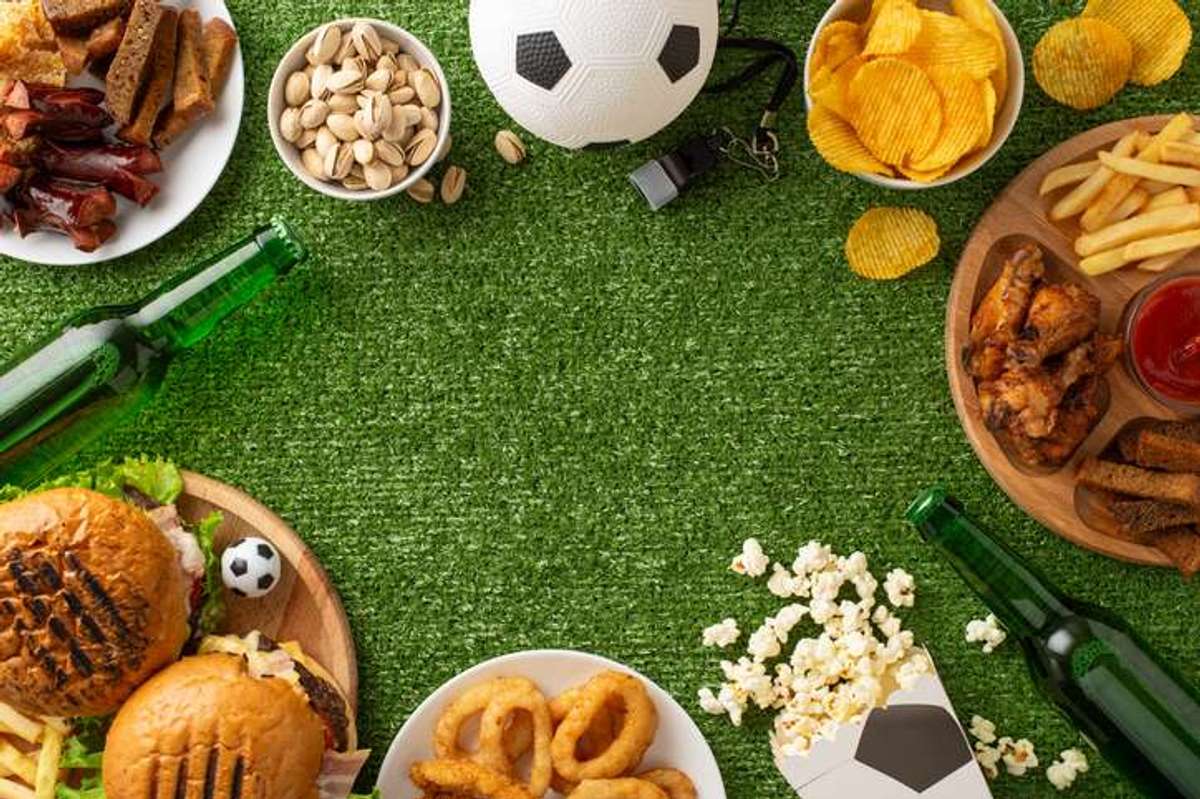

Convenience retailers could emerge as key beneficiaries of the FIFA World Cup 2026, with a new YouGov research suggesting Britain's late-night viewing habits will drive more football fans to stay home and stock up on food, drinks and alcohol for at-home consumption.
The findings indicate that the tournament's North American time zones may shift spending away from pubs, bars and takeaway services towards grocery and convenience purchases, creating fresh opportunities for retailers to cater to match-night occasions.
The FIFA World Cup 2026 in Canada, Mexico and the U.S. is set to create a different viewing environment for British fans compared with recent major football tournaments. With many matches, including potential home nation fixtures, scheduled for nighttime kick-offs, the tournament may influence not only how people watch football but also where and how they buy during the competition.
New YouGov research suggests the tournament is likely to be a more home-based viewing experience, with potential implications for retailers, grocery brands, food delivery services and hospitality operators.
How many Britons intend to watch World Cup 2026 and will they watch matches live?
More than half of Britons (56 per cent) expect to watch at least some World Cup matches, with 28 per cent planning to watch mainly home nation fixtures or key games.
Compared with previous major football tournaments, 35 per cent expect to watch fewer matches live, while 15 per cent expect to watch more. Another 38 per cent think they’ll watch a similar number of matches.
The decline is most evident among older age groups. Roughly two-fifths of adults aged 55+ (40 per cent) expect to watch fewer matches live, compared with 21 per cent of 18–24-year-olds.
Younger adults are the most likely to say they will watch more matches live. Around a quarter of 18–24-year-olds (26 per cent) and 25–34-year-olds (25 per cent) expect their live viewing to increase.
Where will Britons watch World Cup 2026 matches?
Among those likely to watch the tournament, home remains the dominant location for viewing home nation matches.
More than half (52 per cent) expect to watch mainly at home with household members or family, while 26 per cent expect to watch alone at home.
Around eight per cent say they will primarily watch home nation matches in pubs or bars, and six per cent expect to watch at home with friends or at hosted gatherings.
Younger adults are more likely to watch socially. Among 18–24-year-olds, 16 per cent expect to watch mainly in pubs or bars and 13 per cent at home gatherings with friends.
Kick-off times appear likely to reinforce home-based viewing.
Three in five viewers (60 per cent) say the later starts to matches make them more likely to stay at home rather than watching games out of home. This includes 46 per cent who say they are much more likely to stay in and 14 per cent who are slightly more likely.
Only four per cent say the later kick-offs make them more likely to go out to watch matches.
Will World Cup 2026 boost grocery sales more than food delivery?
When asked how the tournament timing might affect specific activities compared to previous tournaments, viewers are more likely to say they will prepare food and drinks at home (26 per cent) than increase their use of food delivery services (14 per cent).
Similarly, 18 per cent say they are more likely to buy alcohol for home consumption, while 10 per cent expect to purchase more low- and no-alcohol drinks for home use.
The findings also point to a decline in outdoor entertaining. While 11 per cent say they are more likely to have a barbecue, twice as many (22 per cent) say they are less likely to do so.
Taken together, the results suggest that later kick-offs may not generate the same boost to takeaway and delivery providers.
World Cup promotions generate limited consumer interest
Potential World Cup promotions receive a mixed response from viewers. Late-night food and grocery delivery deals after 9pm appeal to 21 per cent of viewers, while 53 per cent find them unappealing.
Half-time food and grocery offers perform similarly, appealing to 20 per cent and unappealing to 51 per cent.
Pre-match grocery bundles appeal to 20 per cent of viewers, while 48 per cent do not find them appealing. Next-day breakfast or recovery offers perform least strongly, appealing to 17 per cent and not appealing to 56 per cent.
What World Cup 2026 means for retailers, grocers and hospitality brands
World Cup 2026 viewing in Britain is likely to be more home-centred than previous major tournaments, with later kick-off times encouraging more at-home viewing and fewer trips to pubs and bars.
This could shift spending towards grocery and at-home food and drink occasions, while the limited appeal of tournament-themed delivery promotions suggests only modest opportunities for additional demand.