



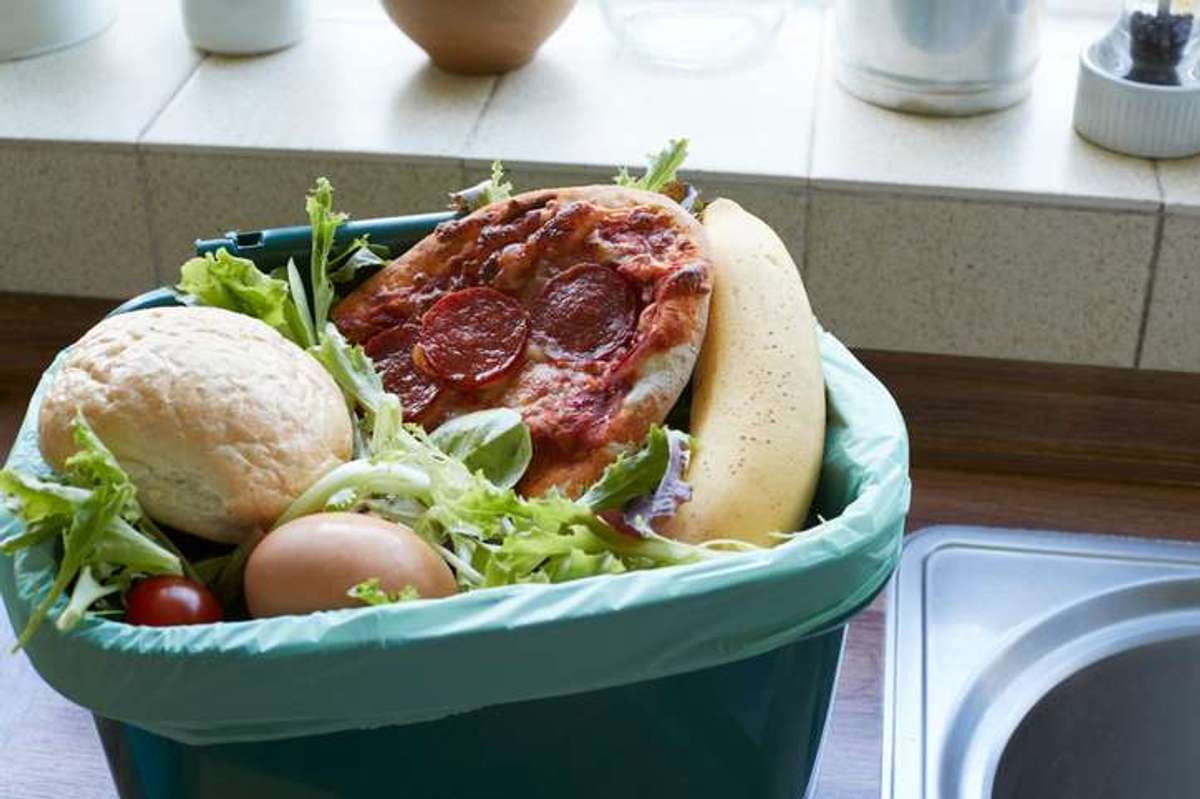

Almost half of UK consumers admit they waste too much food during the summer months, highlighting an opportunity for retailers to help shoppers better manage food at home through clearer guidance on storage, date labels and leftovers.
Research by appliance brand AEG found that 48 per cent of Brits recognise they are wasteful with food, yet only one in 10 (10 per cent) consciously tries to avoid food waste altogether. The issue is particularly pronounced during summer, when holidays and eating out more frequently lead to higher levels of food being discarded.
The findings, released as part of AEG's new Food for Thought: The Waste Less Index campaign, reveal that widespread misconceptions about food safety and storage are driving unnecessary waste.
One of the biggest misconceptions surrounds reheating leftovers. Two-thirds (66 per cent) of consumers worry about food safety when reheating meals, while one in six only reheats certain foods. Seafood (28 per cent), rice (14 per cent) and chicken (12 per cent) are the foods consumers are most hesitant to reheat.
Confusion over food date labels is also contributing to avoidable waste. The research found almost one in four (23 per cent) consumers avoid eating food once it has passed its best-before date, while one in six adults cannot explain the difference between best-before, use-by and sell-by dates.
Many shoppers mistakenly treat best-before dates as food safety deadlines rather than indicators of quality, states the report. Best before dates indicate how long a product will retain its peak quality and freshness, but foods are generally still edible after this date.
In contrast, use-by dates relate to food safety and products should not be eaten after this date.
The report also found that more than half (52 per cent) of consumers believe food "goes off too quickly", although AEG argues much of this is due to incorrect storage or judging food purely by appearance.
Wilted salad leaves or softened vegetables are often still suitable for cooking, while simple storage measures—such as keeping refrigerators between 3°C and 5°C, covering liquid-based foods to prevent cross-contamination, storing bread in the freezer and using paper towels to absorb moisture from salad leaves—can significantly extend shelf life.
AEG said many people mistakenly believe reheating these foods is unsafe when, in reality, the risk lies in how they are cooled and stored before reheating.
The company advises refrigerating leftovers within two hours of cooking and ensuring food is reheated thoroughly before consumption.
Michael Forbes, product training manager at AEG, said many consumers overlook the importance of correct appliance settings and storage techniques in reducing waste.
"There are a lot of simple habits and tricks people can adopt to help keep their food fresher for longer when storing it in their fridge freezer.
"One that a lot of people aren’t aware of but can make a big difference is making sure anything that is wet/liquid based is properly covered, as this will prevent cross-contamination in the fridge.
“You can also place a paper towel in a bag of salad leaves to absorb excess moisture (but make sure to change it regularly), store bread in the freezer, or keep vegetables in the fridge drawer, which can add days, sometimes weeks, to how long they stay fresh.
“The other important thing to check is that your fridge is set to the correct temperature; the optimum temperature for keeping food fresh is between 3C and 5C, with 4C being the optimum. You should also avoid packing your fridge too densely, as this will prevent the cold air from circulating evenly; make sure there is space for air to flow between items and the back wall."
With almost half of consumers acknowledging they waste too much food, the findings underline the continued need for clearer consumer education around food storage, leftovers and date labels, areas where retailers can play an important role through in-store messaging and shopper guidance.