





The convenience sector has never been more central to community life – nor has it faced a more complex web of responsibilities. From championing public health initiatives to combating retail crime and navigating an increasingly demanding regulatory landscape, independent retailers are proving their worth as the beating heart of British neighbourhoods.
This year’s Responsible Retailer of the Year award winners at Asian Trader Awards, Paul and Pinda Cheema of Malcolm's Stores Costcutter in Coventry, exemplify this commitment, taking their duty of care to unprecedented levels.
Fighting for the sector
The Cheema brothers' approach to responsible retailing extends far beyond their own premises. Recognising that the illicit trade in tobacco and vapes poses an existential threat to legitimate retailers, they took extraordinary action – hiring a fraud team to conduct mystery shopping exercises at 32 local stores. The results were stark: every single store was found to be selling illegal products.
“Protecting our staff and customers has never been more important,” Paul Cheema explains in his award entry. “As a responsible retailer, we know our duty goes far beyond the shop floor – it's about standing up for the welfare of our people and our community at large.”
This discovery galvanised the brothers into wider action. Now working closely with their local council and MP, they're pushing for enforcement on a broader scale, demonstrating how individual retailers can catalyse systemic change. Their work highlights a crucial truth: responsible retailing isn't just about compliance within your own four walls but also protecting the integrity of the entire sector.
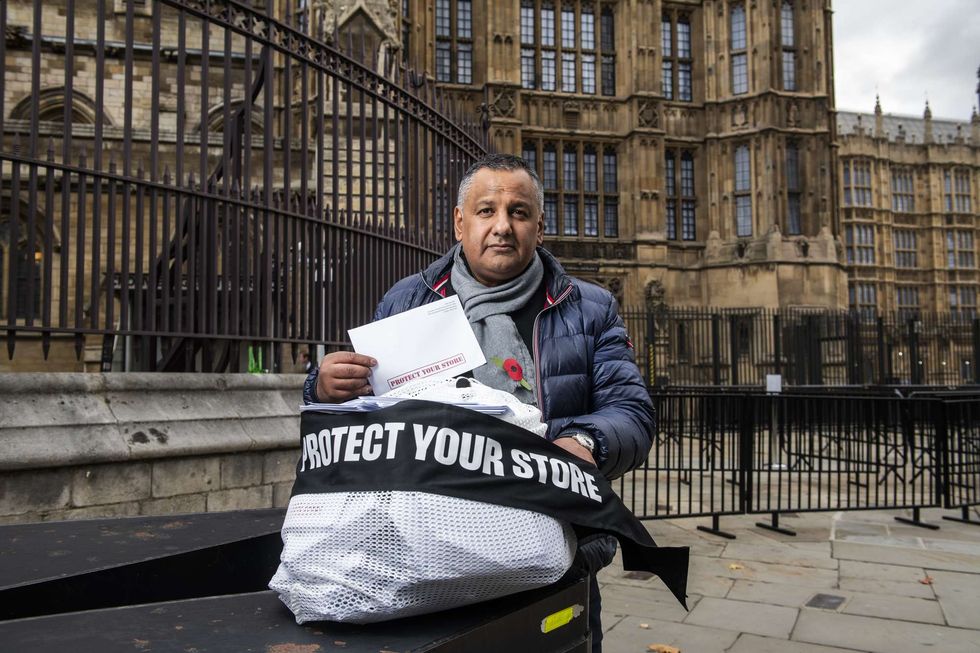 Paul CheemaPhoto: Handout
The brothers' activism extends to the legislative arena. Paul has become a prominent campaigner against the proposed Tobacco and Vapes Bill, warning of unintended consequences that could harm both retailers and the communities they serve. His open letter to the business secretary articulated concerns shared by thousands of convenience store operators across the UK.
“Right now, the government's proposed Tobacco and Vapes Bill is one of the biggest challenges we face,” Paul states. “While we understand the ambition to create a smoke-free generation, the reality is this legislation risks driving many customers straight to the illicit trade. That doesn't just hurt legitimate businesses like ours – it puts our staff directly in the firing line of frustration and abuse.”
The human cost
The Cheemas' concerns about staff safety are far from theoretical. Abuse of convenience store workers has reached crisis levels, and the brothers fear that asking staff to challenge customers for ID “well into their adult years” as a consequence of the proposed generational ban will only exacerbate the problem.
“My team members aren't just employees – they're family,” Paul emphasises. “They shouldn't have to face anger and intimidation just for doing their job.”
This recognition of the human dimension of responsible retailing runs throughout the Cheemas' operation. In their store, practical safety measures combine with a culture of support and empowerment. CCTV coverage provides a visible deterrent to antisocial behaviour, while panic buttons at every till ensure that help is always within reach should team members feel threatened.
The Cheemas' activism helped spark a nationwide movement. The “Protect Your Store, Have Your Say” campaign spearheaded by Paul has seen more than 1,000 letters sent to the business secretary, calling out the dangers of the Tobacco and Vapes Bill for the convenience sector.
“Retailers are stepping up because this Bill poses a real threat to our livelihoods and the communities we serve,” Paul said when the campaign broke the 1,000-letter milestone in July. “This isn't just bad policy, it's dangerous. We all want to help reduce smoking, but not at the expense of our staff safety or livelihoods.”
The campaign's impact grew more significant in October, when polling of 500 corner shops revealed that one in 10 owners would consider closing down if the Bill becomes law. Armed with 1,435 signed letters, Paul hand-delivered the correspondence to Business Secretary Peter Kyle at Westminster.
The survey, commissioned by C-Talk and carried out by Merlin Strategies, painted a sobering picture. Four in five retailers view the Bill as an unprecedented threat to their business, whilst more than a third said they would need to lay off employees or reduce hours. Over a quarter warned they would have to raise prices across the board to compensate.
“Retailers are in a world of pain right now with higher NICs, higher business rates and higher wage costs all in the last year,” Paul commented. “On top of that, the government now wants to slap more regulations on us with their Tobacco and Vapes Bill – bringing in an unworkable generational ban and reducing access to information for those wanting to make better choices, all while failing to prevent the illicit trade.”
The polling also highlighted the vital role corner shops play in their communities. Almost two thirds employ mothers, whilst a similar proportion provide jobs for young people. Nearly all retailers report that their shops are regularly used by older customers, and four in five say vulnerable members of the community rely on them.
Age verification headache
Whilst the Cheemas’ campaign against aspects of the Tobacco and Vapes Bill, they remain utterly committed to preventing underage sales. This commitment is shared across the responsible retailing sector, but it presents increasingly complex challenges as both regulation and technology evolve.
Kate Rand, Chief Executive of Serve Legal, which conducts over 200,000 independent audits every year across all age-restricted products in the UK and Ireland, offers crucial insights into the current state of compliance. Her company was founded after the team experienced the pain of licence loss first-hand – when the founders lost their pub licence due to an underage sale and found no service existed to help prove due diligence.
“Responsible retailing has clearly moved beyond simply following regulations,” Rand observes. “This year alone has brought on-the-spot fines, a ban on disposables, and now Digital ID is entering the scene as a valid form of age verification for alcohol.”
Serve Legal's alcohol compliance audits reveal persistent weak points. Weekends and evenings remain the most vulnerable times across the industry, with pass rates dropping by around eight per cent. Staff age also plays a role – in categories such as energy drinks, a 20-year-old is far more likely to miss an ID check than a 40-year-old.
“These numbers show that responsible retailing is as much about people as it is about policy,” Rand notes.
 Serve Legal's alcohol compliance audits reveal persistent weak points in age verificationPhoto: iStock
The introduction of Digital ID for age verification represents both an opportunity and a challenge for retailers. Under government proposals, every UK citizen and legal resident will hold a smartphone-based Digital ID by 2029, which will carry personal details including name, date of birth, and photo, and is expected to become a valid proof of age for alcohol sales by the end of next year.
However, as Rand points out in a November 2025 analysis, the transition could be messy. The conversation has largely ignored those on the retail frontline – the very people who'll have to verify these IDs in busy stores.
“Retailers are already contending with multiple private Digital ID providers, each offering different systems, technology and verification methods,” Rand explains. “The government's announcement adds yet another layer of uncertainty.”
The fundamental questions facing retailers are practical and pressing: Should businesses invest in current systems now, or wait for the official version due in four years? Can existing tills and scanners even support these new forms of ID? How much training – and money – will it take to get every member of staff ready?
Smaller independent retailers face particularly difficult choices. If they have to install and maintain several different Digital ID systems to accept multiple formats, that could mean significant cost and confusion.
Serve Legal's nationwide audits show that even with physical ID, compliance can slip under pressure. Pass rates for alcohol sales have fluctuated between 74 per cent and 79 per cent since 2021, dipping to 72 per cent to 74 per cent on weekends and evenings when stores are busiest.
“Introducing unfamiliar technology into that environment risks adding another layer of uncertainty at the exact times compliance is most vulnerable,” Rand warns.
The timing presents additional concerns. As the festive season approaches each year, thousands of temporary staff step behind tills, many without full familiarity with Digital ID or the legalities surrounding it.
Nevertheless, Rand sees long-term potential: “Digital ID could eventually make proof of age faster, safer, and more reliable. But that outcome depends on collaboration and clarity, not confusion.”
She advises retailers to explore available options, understand how different systems work, and share experiences within the industry. “A cautious, informed approach will go a long way towards building confidence and consistency before Digital ID becomes the norm.”
Technology-driven solutions
Beyond Digital ID, other technological solutions are emerging to support responsible retailing in the age verification space. Privately SA's AgeAI solution has demonstrated significant impact in UK vape stores, with data revealing that deployments prevent on average eight underage customers per store per day from purchasing vapes.
The six months' field data, gathered from UK stores using AgeAI devices, showed that each device scanned an average of 92 customers per store daily, identifying up to eight as underage. With fines exceeding £1,500 for underage sales, the findings underscore both the scale of the challenge and the effectiveness of automated solutions.
“Asking for age ID can be a major source of conflict and automation is a hugely effective way of addressing this,” said Ankush Panwar, AgeAI Product Manager at Privately SA, when the data was released in February 2025. “Age estimation removes the potential for friction and allows store owners and managers to make smart and AI-based decisions.”
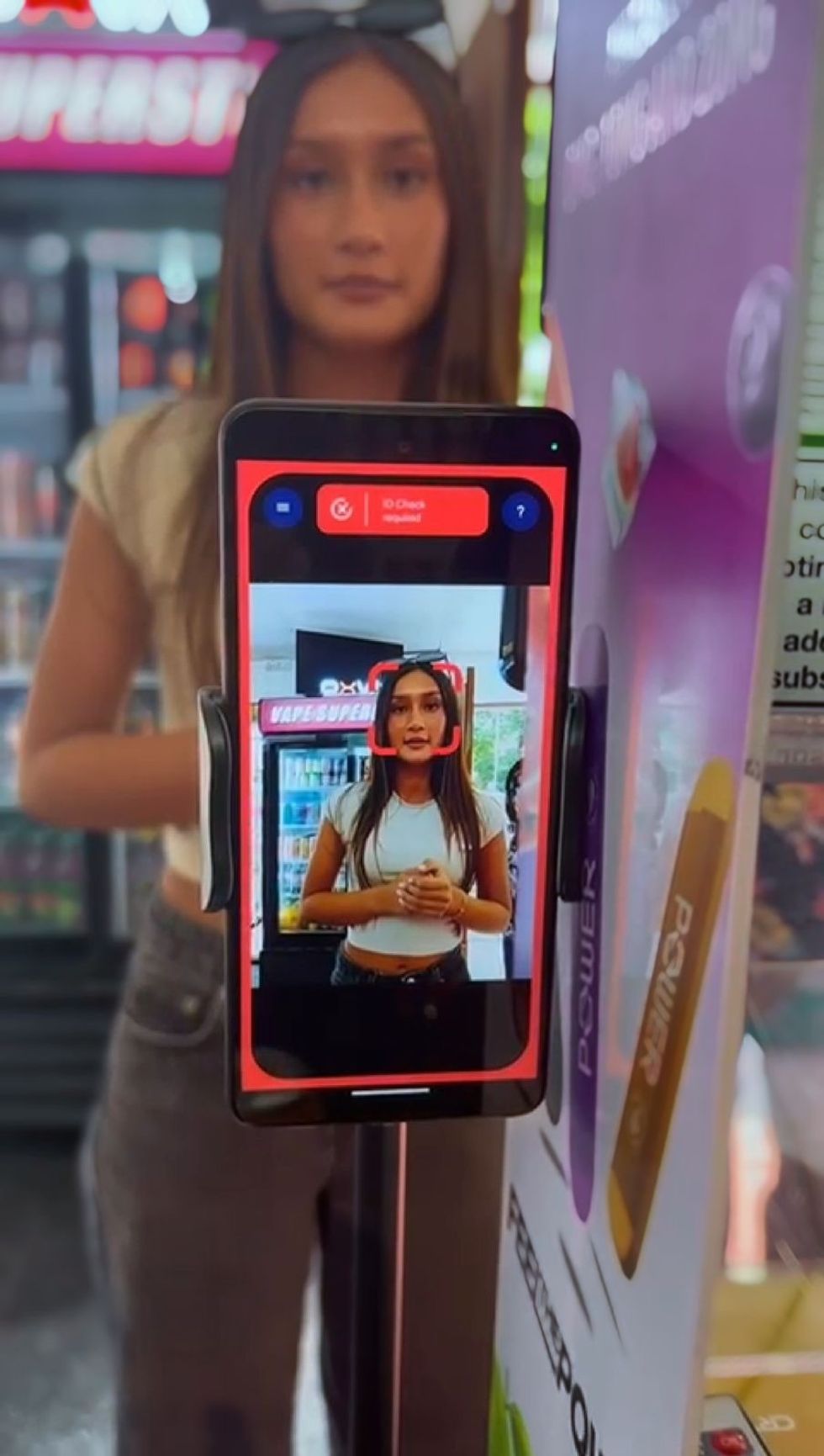 Privately SA's AgeAI solution Photo: Handout
AgeAI removes subjectivity from age verification by providing instant and highly accurate facial age estimation. It's fully anonymous, with no images transmitted or stored, ensuring full GDPR compliance. In October 2024, the technology received Primary Authority approval from Peterborough & Cambridgeshire Trading Standards, endorsing it for use by retailers across the UK.
“With age estimations so accurate – it can identify 18 to 20-year-olds with 100 per cent accuracy as being under 25 – stores can automate age checks, support their field staff and more effectively avoid the costly fines that come from selling age-inappropriate products to minors,” explains Deepak Tewari, Chief Executive of Privately SA.
A unique feature is AgeAI's automated “refusals register”, which digitally records instances where purchases are denied due to age restrictions. This simplifies compliance for retailers, ensures accurate reporting, and enhances staff accountability.
“Using AI and automation for this purpose is a triple win,” Panwar continues. “It's frictionless for customers, store owners can mitigate the risk of sales to minors and the subsequent fines, and it shows the vape industry is serious about preventing underage sales.”
Youth vaping challenge
The issue of youth vaping has emerged as a critical area where retailer responsibility intersects with technological innovation and regulatory pressure. Research from IKE Tech, released in September 2025, revealed that three in four Britons believe smarter technology holds the answer to curbing youth vaping.
The study, which surveyed 2,000 UK adults and 500 UK 15 to 17-year-olds, found that 61 per cent of respondents across all demographics identify peer pressure and social influence as the primary reasons why young people start vaping. Worryingly, 61 per cent of both adults and young people surveyed believe current age verification methods are too easy to bypass.
“Youth vaping remains a serious concern,” said John Patterson, President of IKE Tech. “While it's potentially encouraging that limiting appeal through packaging and regulated flavour descriptions could reduce the number of children vaping, it's significant that 38 per cent of young people say they would still try vapes despite these measures. This underlines that proposed packaging changes and the current Tobacco and Vapes Bill alone are not enough to solve the problem.”
Patterson argues that the proposed steps – age-gating at point of sale, banning disposable vapes, and restricting marketing – may satisfy regulatory requirements but ignore how easily children can still access vapes through social circles, irresponsible retailers, or with fake IDs.
 IKE Teck survey found peer pressure and social influence as the primary reasons why young people start vapingPhoto: iStock
Recent data shows that social drivers now outrank flavour as an appeal for UK children, with peer pressure and social influence at 59 per cent and easy access via friends, stores or online at 41 per cent being key drivers.
“To make meaningful progress, we must move beyond viewing less appealing packaging and traditional age checks as sufficient, and instead focus on preventing access at the point of use,” Patterson contends. “This means embracing technology that verifies a user's age before a device can be activated, shifting the focus from the point of sale to the point of use.”
The IKE Tech report found strong support for this approach. Over half of respondents support checks at the point of sale, with 52 per cent supporting verification at the point of use – such as a digital “child lock” with biometric identification. Critically, among 15 to 17-year-olds, point-of-use technology is seen as the most effective way to prevent underage access, with 54 per cent support.
Londis retailer Atul Sodha believes point-of-use technology could be transformative: “We need a belt-and-braces approach to age verification in order to ensure we keep within legal frameworks, while helping the government achieve its smoke-free objectives. A triple-lock effect of manufacturer technology, retailer vigilance, and point of use age verification within vapes would not only help in eliminating youth use, but will also help resolve the challenges we face in anti-social behaviour, youth theft and verbal and physical abuse of staff during point-of-sale process.”
Regulatory developments
The regulatory landscape continues to evolve rapidly, placing fresh demands on retailers committed to responsibility. In October, the government launched a call for evidence on proposals to introduce a licensing scheme for the retail sale of tobacco, vaping and nicotine products across England, Wales and Northern Ireland.
The eight-week consultation, published by the Department of Health and Social Care, seeks views on how a new licensing framework could operate – including how licences are granted, their duration, and the conditions retailers would need to meet. The stated aims are to protect public health, particularly children, and prevent crime by ensuring only law-abiding retailers are permitted to sell these products.
Meanwhile, the government has also moved forward with plans to ban the sale of energy drinks to under-16s. Announced in September, the proposal would make it illegal to sell high-caffeine energy drinks containing more than 150mg of caffeine per litre to anyone aged under 16 years across all retailers.
Health and Social Care Secretary Wes Streeting framed the move as addressing a growing problem: “Energy drinks might seem harmless, but the sleep, concentration and wellbeing of today's kids are all being impacted, while high-sugar versions damage their teeth and contribute to obesity. By preventing shops from selling these drinks to kids, we're helping build the foundations for healthier and happier generations to come.”
Andrea Martinez-Inchausti, Assistant Director of Food at the British Retail Consortium, welcomed the announcement: “BRC members banned the sale of certain energy drinks to under 16s many years ago, so we welcome this announcement as it will ensure a level playing field across all businesses who sell energy drinks. But most importantly, it will protect young consumers.”
Rand highlights the power of proactive action. “With energy drinks, the under-16s restriction isn’t even law yet, but many of our clients have already started auditing against it - and they’ve seen compliance rise by around 10 per cent. It’s proof that when you stay ahead of regulation, results follow,” she says.
Health promotion, community support
Responsible retailing extends beyond preventing underage sales to actively promoting healthier choices and supporting community wellbeing. In Scotland, the SGF Healthy Living Programme has demonstrated the positive impact retailers can have through sustained community engagement.
In November, the programme celebrated a major milestone – serving healthy breakfasts to more than 50,000 pupils since launching its Welby Breakfast initiative in 2017. The achievement was marked at Coylton Primary School in Ayrshire, where pupils took part in a special breakfast event.
Kathryn Neil, Programme Director of the Healthy Living Programme, said: “This is a huge milestone for the HLP team. Providing 50,000 breakfasts to children across Scotland is something we're incredibly proud of. None of this would have been possible without the fantastic support of retailers, symbol groups, and wholesalers who make every event possible.”
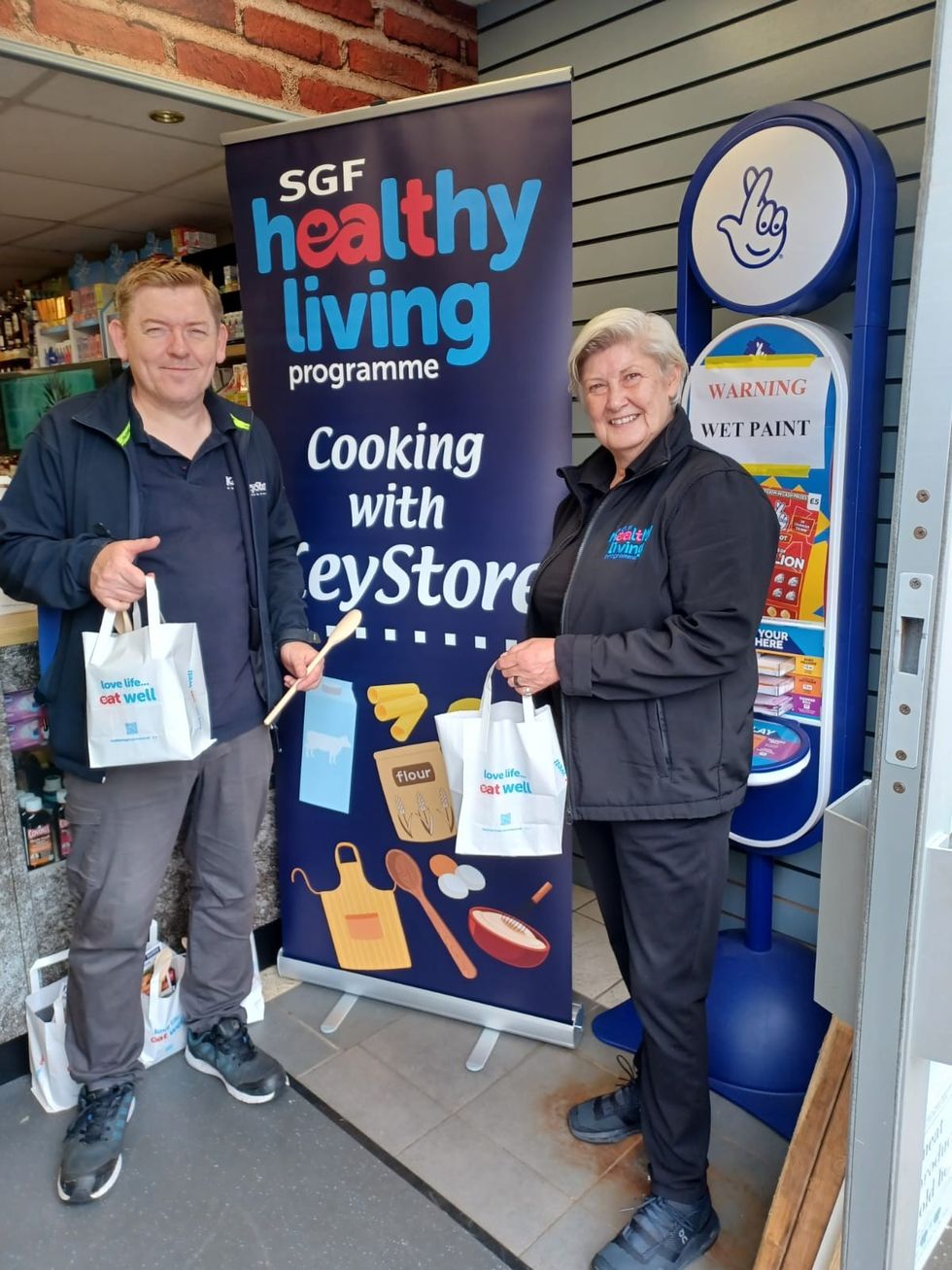 KeyStore staff with free meal kits for SGF Healthy Living campaign Photo: Handout
The initiative connects young people with their local convenience store retailers, showing how these stores can offer a variety of healthier food options. Each breakfast session is fun, interactive, and designed to help children understand the importance of starting the day with a nutritious meal.
“The healthy eating message is so important, and for HLP to help create stronger links between retailers and their communities is vital,” Neil added. “By enabling local stores to positively influence their customers' shopping habits, we're helping to build a foundation for healthier families across Scotland.”
The programme's reach has expanded beyond breakfast events. In July, Glasgow-based wholesaler JW Filshill launched its KeyStore summer campaign in partnership with the Healthy Living Programme, giving away free tomato pasta meal kits to support families during the school holidays.
Craig Brown, Filshill's Chief Sales and Marketing Officer, commented: “Our KeyStore estate works closely with the Healthy Living Programme all year round and we regularly hold Welby Breakfasts in stores to educate children and adults about healthy eating. When Gillian (Edgar, Field Manager for the Healthy Living Programme) and her team approached us about doing something special this summer to help support retailers and their customers in our 150th anniversary year, we felt that offering free meal kits would be really appreciated by families and give them a boost during the holidays.”
Edgar explained the initiative's rationale: “School holidays can be difficult for families who rely on free school meals to help them budget, so these kits take a bit of pressure off them. The Tomato Pasta recipe is nutritionally balanced and approved by the Scottish government's Parent Club and we're working with KeyStore outlets on estates and those with a strong community focus where we know there will be good local engagement.”
Sustainability and the environment
Environmental responsibility is increasingly central to the convenience sector's role in communities. The Deposit Return Scheme, set for an October 2027 launch across the UK, represents a significant new obligation for retailers – but also an opportunity to demonstrate environmental leadership.
Research from Suntory Beverage & Food GB&I, examining the success of Ireland's DRS, shows that retailers can benefit from the scheme if they invest and build the consumer journey around their reverse vending machines (RVMs). Irish retailers reported that the DRS is helping to build shopper loyalty and is rewarding those that make the experience better for consumers.
With redemptions of vouchers often taking place immediately in the store where containers are returned, the retailers that have benefitted most are those who have worked to overcome initial challenges. Taking quick action when maintaining, cleaning and emptying RVMs, or by making simple additions like hangers for bags and bins to empty out liquids, can make the journey better and create loyal shoppers.
The UK Deposit Management Organisation (DMO), rebranded as Exchange for Change in January, which will deliver the scheme in England, Scotland and Northern Ireland, has made significant progress in preparation.
John Bason, Chair of Exchange for Change, said: “We are making great strides as we progress towards the scheme going live in October 2027 and with our full committee structure now in place, we can move forward with even more clarity, focus and governance oversight as we deliver a deposit return scheme that works for everyone.”
The scheme in three nations will cover drinks containers made from PET plastic, steel and aluminium between 150ml and three litres.
Meanwhile, Wales has taken a major step towards launching its own DRS, with the devolved government starting the process to appoint the country’s DMO. The Welsh government aims to introduce its scheme in October 2027 itself, but its proposal to include glass containers in the scheme has raised some opposition from convenience retailers.
Culture of responsibility
For Paul and Pinda Cheema, responsible retailing isn't a marketing concept or compliance exercise – it's the foundation of their entire business model.
“When it comes to revenue and reputation; you can't achieve the former without the latter,” Paul reflects in his award entry. “Revenue is secondary, reputation is everything. Being a responsible retailer is absolutely at the forefront of our business.”
This philosophy extends to how they view their role in the community. “We believe that being a responsible retailer means looking after our people, our customers and our community as a whole,” Paul states. “We take pride in creating a store that's safe, welcoming, and supportive – a place where staff feel protected, and customers feel valued.”
Their commitment to both local and national action demonstrates a sophisticated understanding of how individual responsibility and systemic change must work together. “And whether it's through technology, training, or campaigning at a national level, we'll keep doing everything we can to protect the people who make our store the beating heart of our neighbourhood,” Paul pledges.
As the sector navigates an increasingly complex landscape of regulation, technology, and community expectation, the Cheemas’ example shows that responsible retailing requires vision, courage and unwavering commitment. From implementing practical safety measures to campaigning for sensible legislation, from embracing new verification technologies to building strong local partnerships, they demonstrate that responsibility is not a burden to be shouldered but an opportunity to lead.
The challenges facing the sector are formidable: the illicit trade undermining legitimate businesses, regulatory pressures that risk unintended consequences, staff safety concerns at crisis levels, and new technologies requiring significant investment and training. Yet retailers like the Cheemas, supported by innovative technology providers, industry bodies fighting for proportionate regulation, and programmes promoting health and sustainability, are rising to meet these challenges.
Their success proves that responsible retailing is not just about compliance or risk mitigation – it's about building stronger, healthier, safer communities. As Paul Cheema puts it, responsible retailers don't just serve their neighbourhoods – they are “the beating heart” of them.