



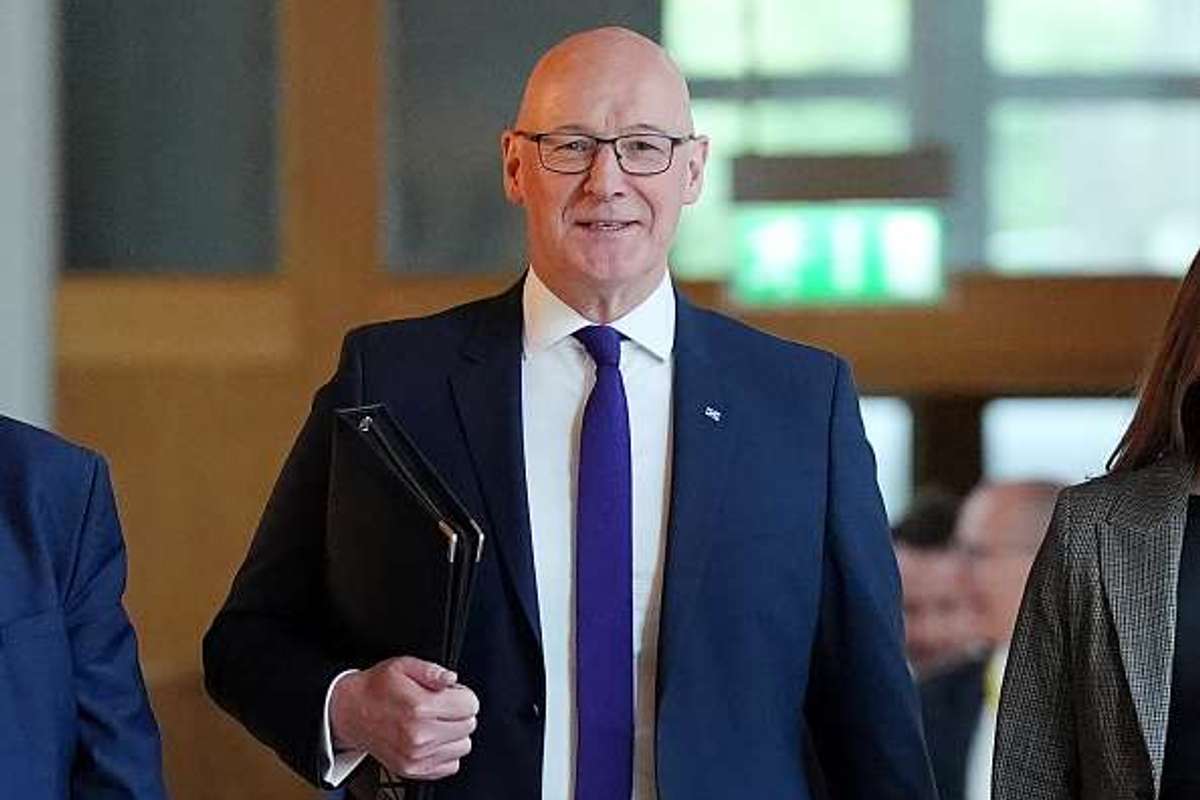

SNP leader John Swinney today (May 19) has reiterated his plan to legally cap the price of some food items in supermarkets ahead of his anticipated re-election as first minister.
Speaking on the BBC's Today programme Swinney said, "Throughout the election campaign, I heard loud and clear from members of the public just the difficulty they're having in affording the most basic shopping items.
"That obviously has an impact on people's nutrition, and that's where the responsibilities of the Scottish Government kick in."
Swinney said he has a "public health responsibility" to ensure people can afford to buy healthy food.
Asked why politicians are better placed than markets to determine food prices, Swinney said, "Because people are struggling in our households".
Swinney said "engagement" with producers and retailers on the legislation would be "crucial to get it right" but the challenge he has is "facing up to members of the public who are really struggling".
Under the SNP manifesto pledge, large supermarkets would be compelled to limit the cost of up to 50 essential items such as milk, eggs, cheese and rice. The party also promised to cap bus fares at £2 and expand childcare.
Swinney is expected to be named as first minister after his party won the most seats at the Scottish Parliament election.
The food price policy, mentioned in SNP manifesto, has received mixed response, including trade association the Scottish Retail Consortium (SRC), describing it as a "gimmick".
The SRC's Ewan MacDonald-Russell told the programme the policy risked forcing small shops - which are not covered by the proposed legislation - to be uncompetitive.
The Scottish Grocers' Federation claimed the proposals could create a competitive disadvantage for smaller local shops and "distort the market" by changing consumer behaviour.
The Food and Drink Federation Scotland, which represents manufacturers, said the policy had a "real risk of undermining investment, resilience and food security".
The Institute for Fiscal Studies, meanwhile, described the price cap as "very radical and risky" – warning it could lead to shortages or reductions in quality.