



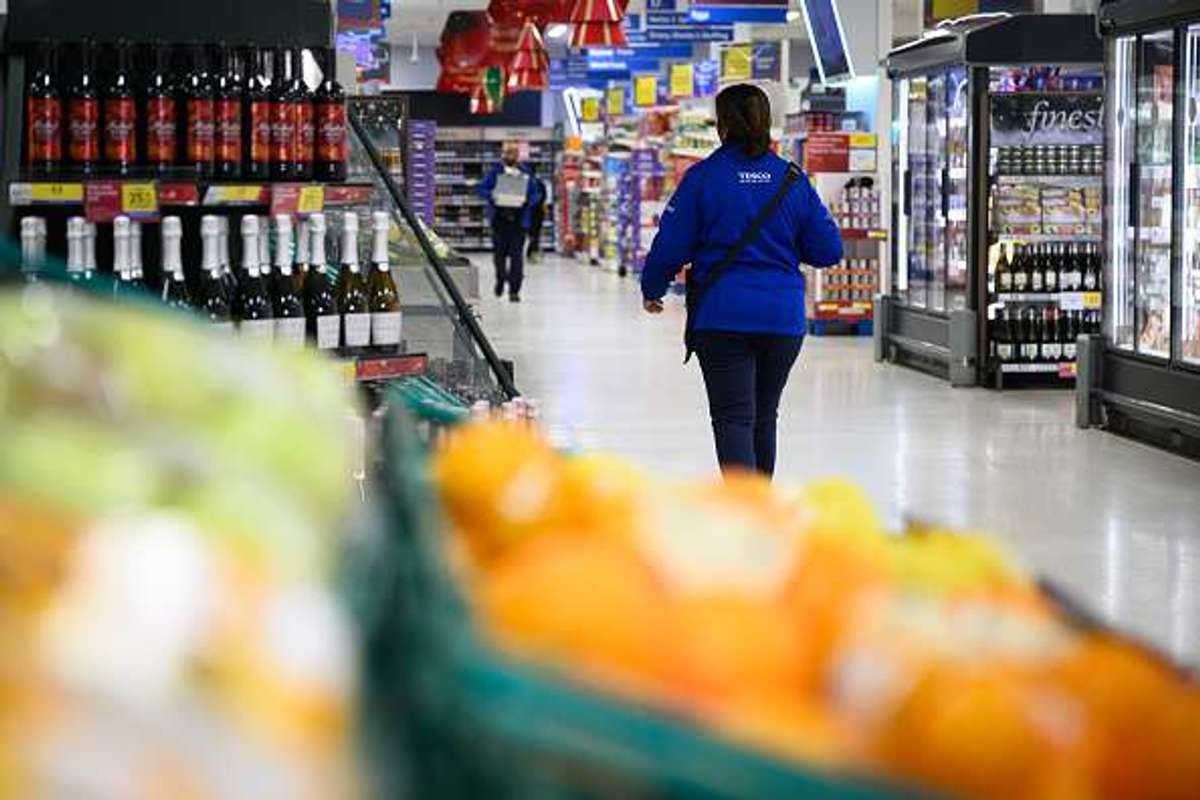

Britain's biggest supermarkets are ramping up their battle for grocery market share, as Tesco reveals aim for achieveing 30 per cent market share, Marks & Spencer eyeing up Brits’ weekly shops and discounters continuing to undercut the entire sector on price, leaving smaller independent convenience stores increasingly squeezed from all sides.
At the top of the market, Tesco is in commanding form. The supermarket achieved its highest market share in over a decade, with sales excluding VAT and fuel growing by 4.6% to £66.6 billion, reports stated on Friday (May 15).
Chief executive Ken Murphy took home a pay packet of £10.8 million for the 2025/26 year, including £1.5 million in basic pay, a £3.4 million annual bonus, and a £5.7 million long-term bonus which included shares in the company.
For the current financial year, Murphy's bonus has been explicitly tied to market share performance, alongside profit growth and carbon reduction targets, as the retailer doubles down on its goal to capture 30 per cent of UK grocery sales. Murphy has hotted up competition with German discounters Aldi and Lidl through price-match schemes, and Tesco now offers more than 600 products price-matched to Aldi — triple the number from a year ago.
M&S Comes for the Weekly Shop
While Tesco fights to extend its lead, Marks & Spencer is making a bold charge from the premium end of the market — with its sights firmly set on the weekly shop.
M&S Food accounts for more than half — 54 per cent — of the retailer's total revenues, and a string of major warehouse investments suggests the FTSE 100 retailer is hungry for a bigger slice of the grocery pie.
The retailer recently paid £66 million for a 437,000 sq ft warehouse from online retailer Asos and announced the start of construction on a new £340 million food distribution centre in Northamptonshire described by its food logistics chief as a "major step in transforming M&S into a true destination for the weekly shop."
Sales in the firm's food business jumped 5.6% year on year at Christmas, as M&S toasted its biggest-ever grocery market share reaching 4% in November.
The Discounters Hold the Price Crown
While the big names battle over market share, Aldi and Lidl continue to hold the most powerful card of the lowest prices.
Aldi secured the cheapest supermarket title in April, with an average price of £172.77 for a basket of 96 popular items. Lidl, with Lidl Plus discounts, came in second at £175.20 — while Waitrose, at the other end of the spectrum, cost £242.04 for the same basket, a difference of 40%, according to the latest findings by Which?.
Aldi was the cheapest supermarket for 10 of the 12 months of 2025, with Lidl taking the crown for the remaining two. For shoppers doing larger branded shops, the picture shifts slightly.
Supermarkets across the sector are grappling with the threat of food inflation linked to the Iran war, with some industry forecasters warning prices could reach double figures. Both Tesco and Sainsbury's have declined to put a number on likely price rises, while calling on the government to cut grocers' energy bills.
For British shoppers, the war between the supermarkets may yet prove to be the one piece of good news in a difficult economic landscape.