



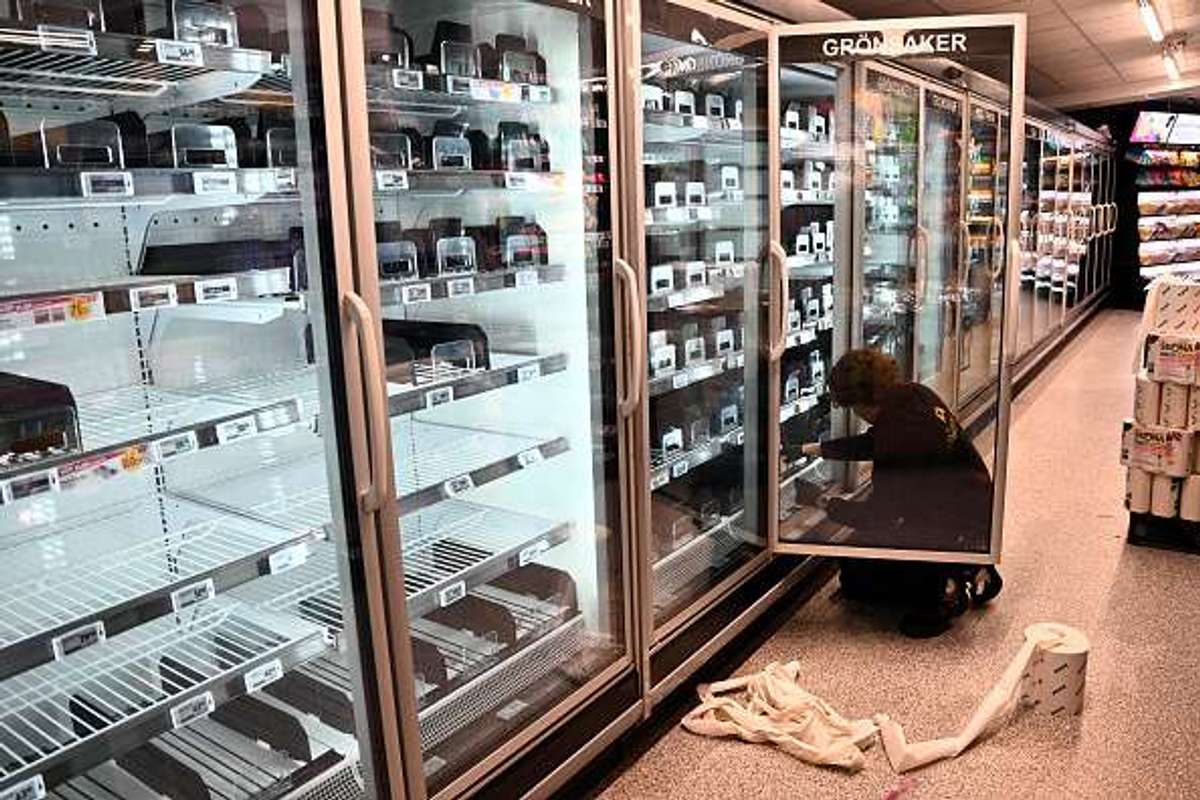

Supermarkets across seven European countries have been hit by a suspected cyber-attack targeting internet-connected refrigeration systems, raising fresh concerns over the vulnerability of frozen systems in stores and supermarkets.
The incidents have affected stores in Belgium, Luxembourg, Sweden, Ireland, the Netherlands, Estonia and Finland, with millions of euros worth of stock reportedly lost.
Around 40 Delhaize supermarkets in Belgium and Luxembourg were affected, alongside a smaller number of stores operated by other retailers. The attack reportedly involved hackers remotely switching refrigeration units into defrost mode, causing temperatures to rise and putting food stocks at risk.
Belgian refrigeration manufacturer Sabcobel confirmed that the units' evaporators had been switched to defrost mode. Its chief executive Stephan Moelans told Belga news agency that the incident was a cyber-attack and that the company had worked through the night to disconnect affected units from the network.
The incident follows a similar attack in France in October, when hackers reportedly took control of refrigeration systems at up to 700 supermarkets. Temperatures in some units rose from as low as -27C to above 50C, forcing retailers to discard large quantities of fresh meat, dairy and frozen food.
The latest attack has also resulted in significant losses. A Delhaize store in Hoeilaart, Belgium, estimated that it had lost £83,500 worth of produce, excluding the potential losses from having to close the shop.
Carrefour said 15 of its Belgian stores had been affected, but that immediate measures had been taken to keep all branches open. Colruyt Group, which operates Spar stores in Belgium through a franchise system, confirmed that five shops had experienced attacks on their refrigeration systems. In Sweden, seven of Coop's 800 stores were affected, although the company said the situation was under control. Some K-stores in Finland also reported refrigeration malfunctions.
Moelans said that, following the French incident, Sabcobel had been working to protect customers' refrigeration systems against the vulnerability. However, he said the units required physical modifications rather than software updates alone.
Most supermarket refrigeration systems are connected to the internet to enable remote maintenance, monitoring and fault alerts. While this allows technical issues to be managed remotely, it also creates potential vulnerabilities if systems are not adequately protected.
National cyber-security agencies in Belgium and Sweden are monitoring the latest incident. The UK's National Cyber Security Centre said it was working with international partners and industry to understand the details of the attack. No incidents have been reported in the UK.
The incidents highlight the importance of securing connected refrigeration equipment, which plays a critical role in maintaining food safety and preventing stock losses across grocery retail.