




Step inside Premier Queen Street in Sheffield and the store makes its case before anyone speaks. A beer cave of 13 bays, packed with chilled beers, ciders, wines and ready-to-drinks, anchors the floor, fronted by a plinth built for eye-catching promotions. Specialist ranges for students from the city’s two universities, many of them from India and China, in food to go, ambient and chilled. One judge who toured it called the ambience “bordering on perfection” and said “you feel you could eat your dinner off the floor”.
Beside the beer cave sits the group’s first Vape Vault, and the man who built it has already planned its funeral. Sheffield, he noticed, was full of students and “a lot of people selling a lot of illegal vapes”. So why not do it “professionally, properly”?
Then comes the twist. “If tomorrow something happens with regulation, we need to shut down,” says Jeyaseelan Thambirajah. “It is only the window side. I can open an ice cream bar and sell to the public from the window.”
That is Seelan, as he is known, in one idea: build the boldest thing on the shop floor, and keep the ice-cream scoop ready in case the law changes.
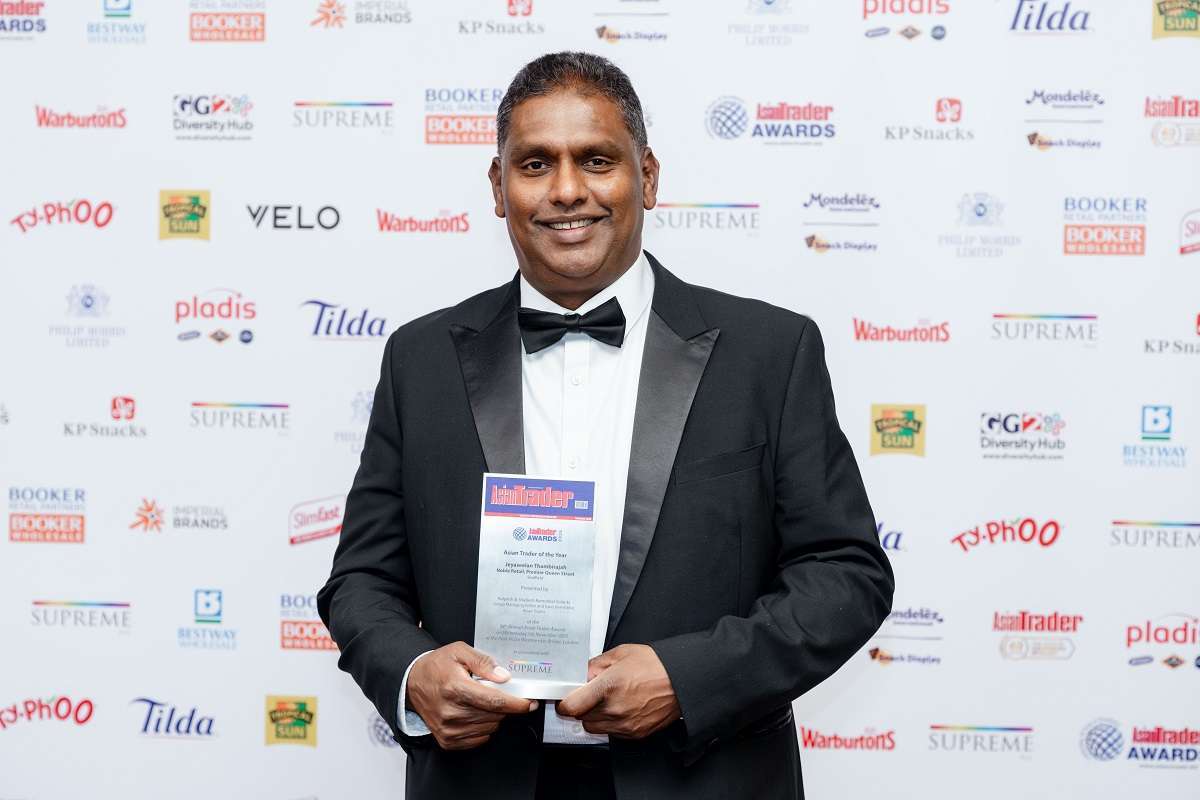
It is a mindset that has made the owner of the MSP & Noble Group the Asian Trader of the Year 2025, the top prize at the Asian Trader Awards, three years after his chain was named Convenience Chain of the Year. “I never expected, but it was a brilliant, amazing day,” he says, dedicating the win to the convenience sector, independent retailers, staff and wholesalers.
His name, it turns out, saw this coming. In Tamil, Jeyaseelan means “one who has made victory a habit”. After the 2022 chain title and now the sector’s highest honour, it reads less like a label than a track record.
From one shop to 20
Seelan did not start with a cave of anything. Born in Sri Lanka in 1976, he was flown alone to Germany – or Deutschland, as he still fondly refers to it – aged 12 under a guardian scheme for children from the war-torn country. He studied business management, trained in accountancy and purchasing, and served 13 months of conscripted military service. He reached England in July 2000 to study, and took a part-time job in a small convenience store in Burnt Oak, Edgware. When he finished his qualification, the shop came up for sale. He bought it.
Today that single shop has become 20, up from 18 when Asian Trader profiled him in 2023, with two more due in Cambridge by February. The group employs about 180 people, eight of them in head office.
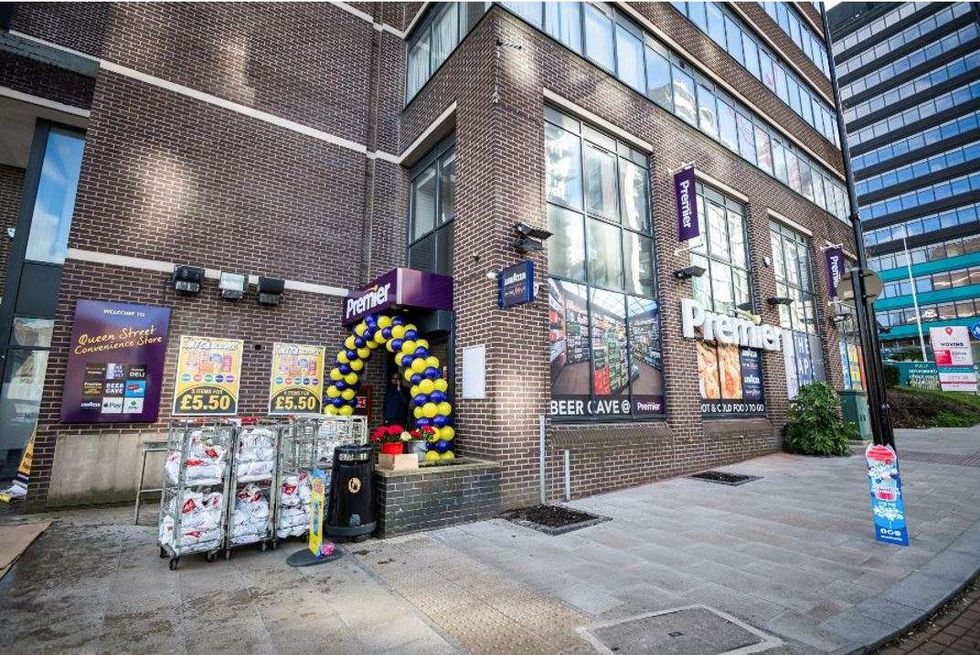 Premier Queen Street in SheffieldPhoto: Handout
He still shuns the high street. “High street is dying,” he says, and he hunts for what it leaves behind. The group has bought a pub and an old fire station; old car showrooms and furniture stores catch his eye too. Give him about 2,000 houses nearby and he can see the potential.
Head office happiness
So what changed since 2023? Not just the store count, he says, but the climate. “It’s all about shoplifting, risk, finding the right staff, management issues, a number of things.” His answer was a head office team of eight, covering HR, accounts, maintenance, inventory and operations. “I feel like, oh, I should have done it about 10 years ago.”
It frees the stores. Managers now enjoy “almost 100 per cent freedom”, while head office handles inventory, prices, purchasing, merchandising, maintenance and recruitment, leaving managers more time on the shop floor.
Standards are audited weekly. Operations managers walk each store, noting empty gaps and missing labels, and the findings flow straight to head office. A team then descends within two days. “We just go and fix the problem,” he says; not “two weeks, three weeks”.
His own test takes seconds. He checks the entrance, freshness, labels, cleanliness, promotions and staff uniforms, because shoppers give a store “maximum two to three minutes”. “It’s all about welcome, isn’t it?”
Shoplifting, which he called “massive” in 2023, has not eased as he had hoped. “It’s not settling down,” he admits, though CCTV, staff training and “more systematic operations” are helping.
Follow the flow
Spend time on his shop floors and one word keeps returning to mind: flow. Seelan studied retail in Germany for almost four years, and shoppers, he says, walk predictable paths. Next to the sandwiches, they expect crisps or soft drinks. Next to the vapes, “there must be wine or alcohol”. “We need to follow the flow.”
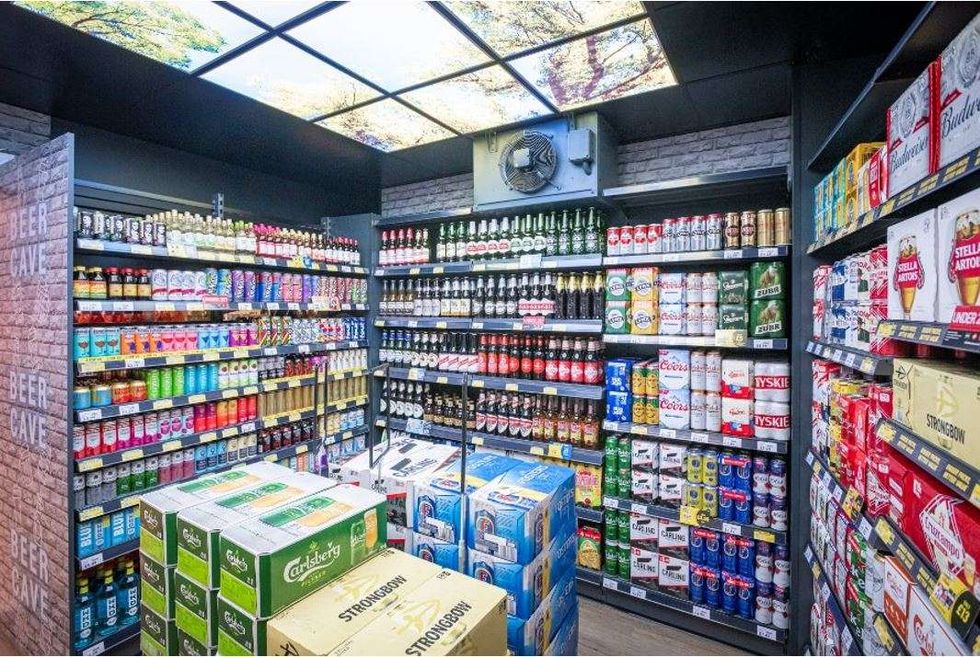 Photo: Handout
He dresses the idea up, literally. Wearing the right shirt demands the right shoes, he says, and a shop is no different. “It’s part of the merchandising, isn’t it? It’s all about fashion.” His merchandising and layout teams, he concedes, “sometimes … are not happy with me”.
Cheaper than the big boys
Price is his sharpest weapon. Seelan price-marks his lines and runs “35 to 50” promotions every four weeks, and he reckons the supermarkets cannot follow. “They are looking at the corporate way. We are looking for the independent way.”
Take chicken nuggets, for instance. In housing estates and working-class areas, shoppers look to buy in bulk – often picking up five kilos at a time. While Tesco or anywhere else charges a rigid £4.99 per pack, Seelan's agility allows him to bundle them. “We are happy to give the customer £3.50 [per pack] and we are still making decent margin.” It acts as the perfect anchor for the after-work rush; the shopper who comes in for the nugget deal leaves with a case of beer and a package of crisps, having spent “almost £30 to £40”.
Frozen, air-fry and microwave lines are now among his investment priorities, spotted by an inventory and systems manager who analyses sales every three months. Cigarette sales fell five years ago and vaping surged; the lesson stuck. Refits are no longer £100,000 affairs. “If we invest each store £10,000 to £15,000, it brings a decent outcome.”
Backwards to go forwards
In 2023, Seelan showed off a food-to-go concept store in Grantham, selling Tango slush at £2 while petrol stations charged £3 or £4. Ask about food to go now and slush is not what he means. “The food to go means we need to buy from local farmers all the pies, sandwiches, cakes, fresh sandwiches, and then make sure that is laid out properly.”
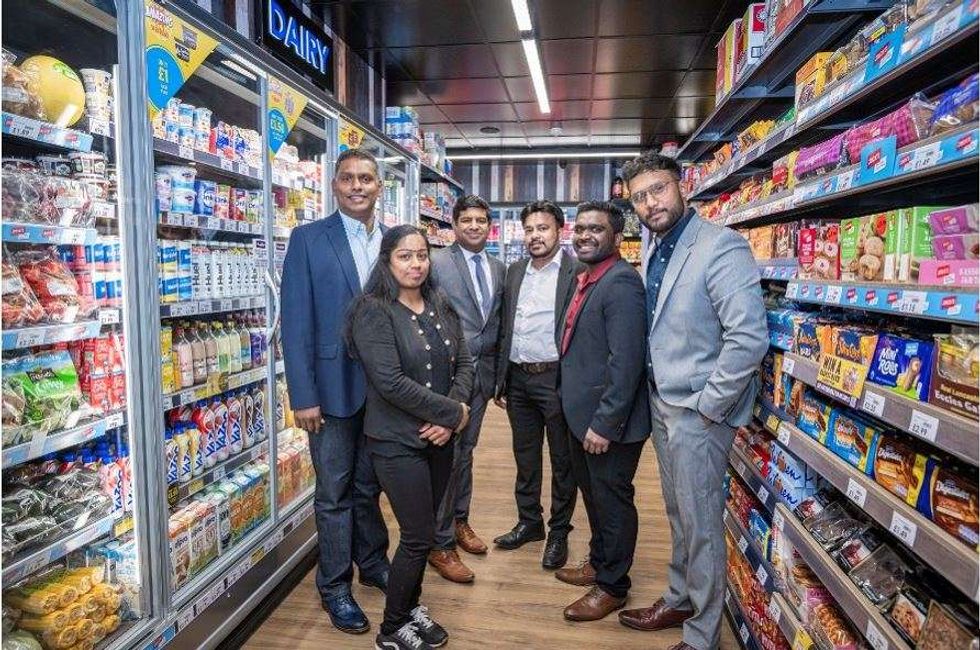 Photo: Handout
Two weeks before we spoke, he sat down with a bakery that has traded for 60 years. They struck a deal: it will supply more than 20 stores “at a decent cost price”. Sainsbury’s and Tesco have factories, he says, “but it’s not handmade”. His conclusion is delightfully contrarian. “I think we have to go backwards 20 years,” he says, then present it the modern way.
The boss who listens
At a meeting every Friday they ask what the group is doing right, what it is doing wrong and why. “I have to listen a lot,” says Seelan. Recently, a manager arrived with a stock of wine that was about six months old. Could they discount it? “Why can’t we do it?” he replied. “Put a two for £10, and you will have done it within three weeks. The wine is gone, finished.”
His managers are home-grown. “Whoever is on the shop floor, they become the manager,” he says; the group will not hire managers “from a third party”. The cleverest can move to head office. Our roving judge noticed, saying staff “ooze praise for their boss”.
The group also backs football and tennis clubs, homeless people and local schools. “We just make sure customers are happy, community is happy, the business is all right.”
There is one thing he misses. “When I had two stores, I worked on the till,” he says. “I miss my customers, to say hello to them.”
Habits and regulations
The biggest challenge now, he says, is “regulation”, followed by finding the right staff. “When I started 25 years ago, it was an easy operation, and today it’s a number of regulations,” he says, drawing a parallel to the automotive world: “About 25 years ago, we had different cars, and today [they are] all technology cars.”
Circling back to that automotive comparison, he applies the same logic to consumer habits. A single pack of cigarettes, he notes, costs about £20, against a minimum wage of about £13. Yet he sees no end to the habit. “At the end of the day, people have got to smoke, right? If they have the habit, they will buy cigarettes or vapes. Everybody once predicted there would be no petrol or diesel cars by 2030, he points out, yet the world is still fighting over fuel.”
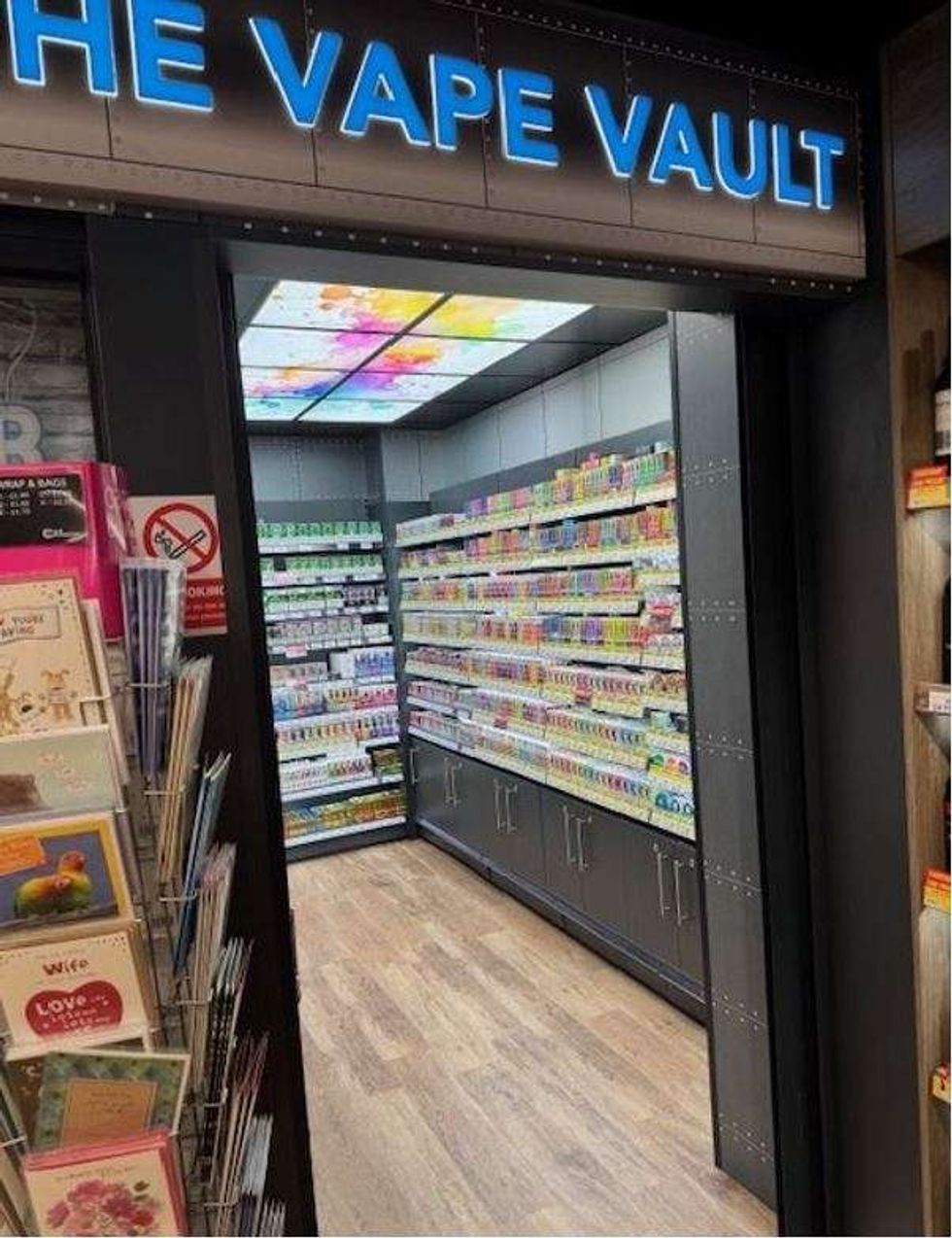 Photo: Handout
His response to the next rule change is the same: “We can’t just run away. We need to find the solution.”
Knocking on doors
His next big bet is on the doorstep. Six months ago, Seelan spent £500,000 on new Mercedes vehicles for home delivery – a massive investment in and compliment to the premium engineering of his former home, Deutschland. The service, run in-house alongside the Snappy Shopper platform, now makes about 600 deliveries a week averaging £28, which he estimates at £1 million of extra sales.
A newly hired home delivery and growth manager has until the end of February to hit 1,000 a week. “People become lazy,” he says. “You’ve got to go [to their] home and knock [on] the door and sell the products.”
For independents who refuse to move, he is blunt. “If they don’t upgrade the stores to a decent standard, I think those stores will be in trouble.” His own five-year plan involves tidying, re-merchandising and delivery rather than a fresh round of new investment. As for acquisitions, “We don’t want to buy one or two stores,” though if another group offered 20, “we might consider taking the whole lot”.
Seelan believes he is the first Sri Lankan British retailer to win Asian Trader of the Year, and hopes it inspires others: if he can do it, so can they. His LinkedIn page drew more than 5,000 likes after the win. “It was a shock to me.”
His advice to newcomers is blunt. “The convenience store is never going to end,” he says, but retailers must work smart rather than hard. Habit, as his name suggests, helps: a weekly store check, a Friday meeting, a Plan B waiting behind the window. “That’s the future.”