



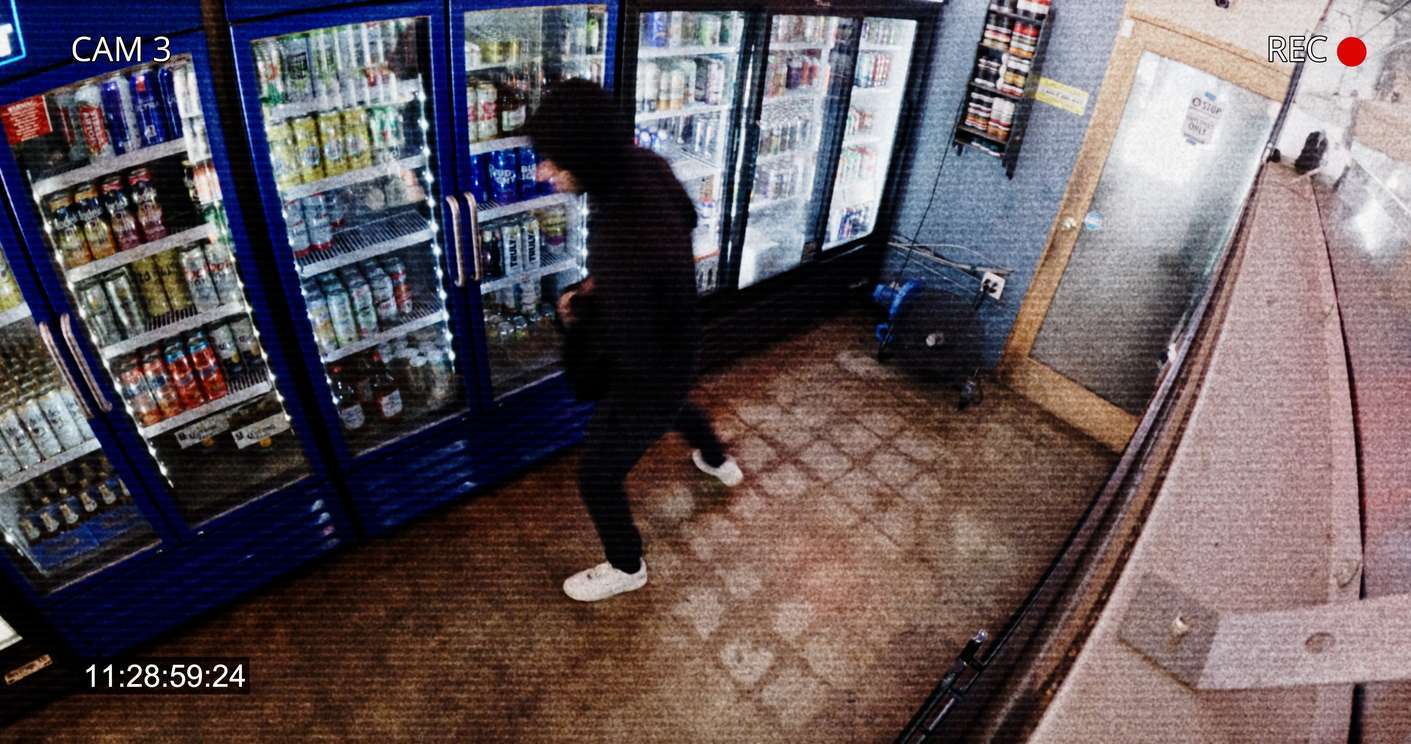

For years, the focus on shop theft has been on the person walking out of the door with the stock. That is understandable. But on a recent episode of our High Street Matters podcast, criminologist Professor Emmeline Taylor, from City St George’s, University of London, made a point that has stayed with me: we also need to ask who is waiting at the other end.
Professor Taylor’s research for the National Business Crime Centre looked at where stolen goods end up. What she found is uncomfortably simple. Thieves who sell something after the event typically get around a third of the retail price, but those with a buyer already lined up get at least half. That is a powerful incentive to steal to order, and it explains why offenders are increasingly working from shopping lists rather than grabbing whatever they can carry. Many are stealing to feed a drug addiction, and the people placing the orders get far less attention than the thieves do.
In the year to March 2026, the ONS recorded 507,086 shop theft offences, down 4 per cent on a record of around 530,000 the year before. I welcome any fall, and police forces deserve credit for the effort they have put in. But Professor Taylor likened recorded crime to an iceberg, and I think that is the right picture. Industry estimates put the real number of incidents in the millions, and a 4 per cent fall may reflect shifting reporting practices rather than less crime. In our own survey in June, more than 45 per cent of members who experienced theft told us they did not report it.
When I ask why, fatigue is part of the answer, but it is fatigue caused less by the sheer volume of crime than by the perceived lack of action. Retailers take the time to report, copy the CCTV and gather the evidence, and then find the police may not attend. It does not take many experiences like that before confidence goes. I believe the police want to bridge that gap, and reporting has become easier, but too many retailers still feel they are out on their own.
The third part of the puzzle is the rise of illicit shops on our high streets, selling stolen, counterfeit and illegal goods. They put off good customers, they bring antisocial behaviour with them, and legitimate retailers simply cannot compete on a level playing field. They are also harder to challenge than a lone thief, because they are more organised and more intimidating. If we can close off the market for stolen goods, we make theft less attractive to the organised criminals behind it.
There are encouraging signs. The government has extended the time a shop can be closed from three months to six, which is very welcome, and I would like to see landlords held to account too. You do not want an empty property, but you do not want a bad tenant either. Bira sits on the Retail Crime Forum and is part of work streams on the Retail Crime Action Plan, looking at product tagging, education and easier reporting.
There are also two things you can do. The Metropolitan Police told me that if you suspect a shop is trading illegally, you should report it anonymously through Crimestoppers rather than the normal system, and they will pass it to the police. And Professor Taylor’s advice is to get involved with your local Business Crime Reduction Partnership, Business Improvement District or neighbourhood policing officer. Offenders do not like visibility or shared intelligence, and that is what turns a one-off incident into a pattern the police can act on.
 Andrew Goodacre Photo: Handout