



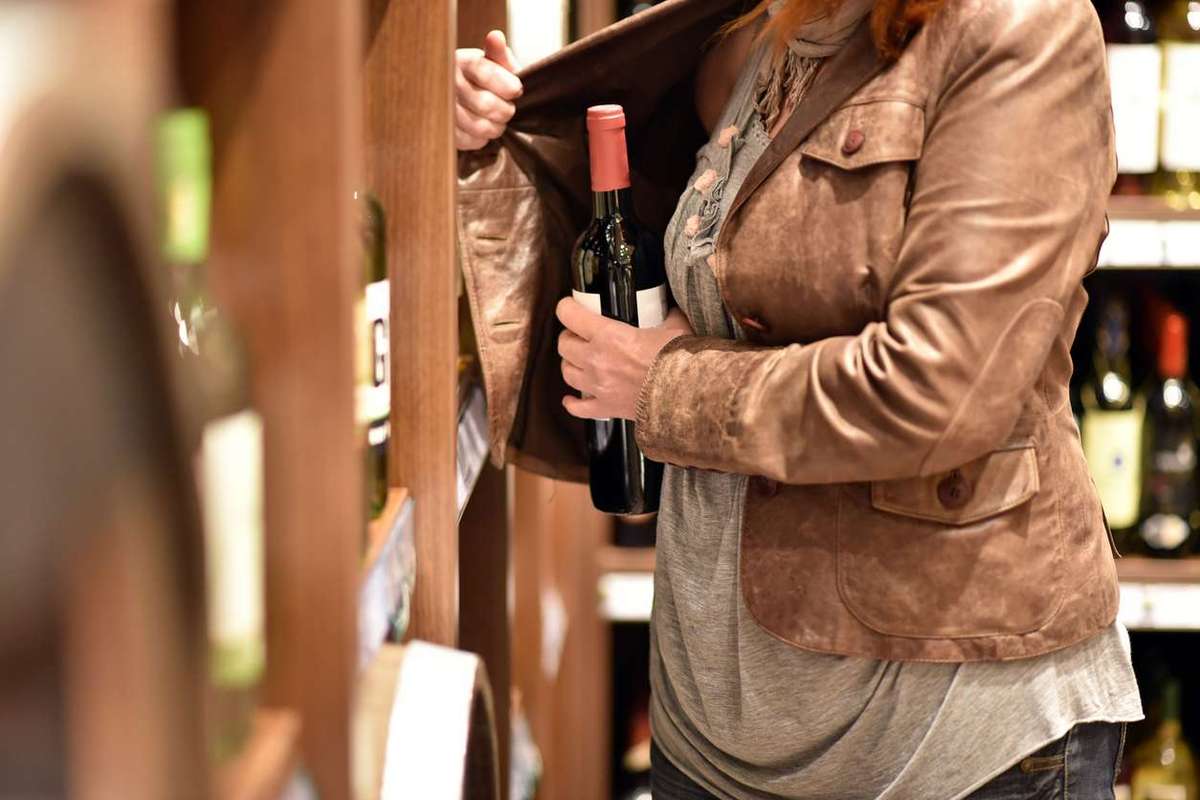

Stolen goods markets are not simply a consequence of theft but a key driver of it, with online marketplaces, car boot sales, informal networks and repeat buyers providing easy routes to turn stolen goods into cash, finds a new report new report commissioned by the National Business Crime Centre (NBCC), calling for greater action to disrupt the illicit markets.
The report, Stolen Goods: Mapping Illicit Markets and Identifying Opportunities for Disruption, argues that tackling shop theft cannot be limited to catching those carrying goods out of stores.
Instead, police, retailers, manufacturers, online platforms and policymakers need to focus on the markets that allow stolen goods to be monetised in the first place.
The research, carried out by the Aptus Business Crime Research Centre, involved 39 interviews with senior representatives from policing, retailers, industry bodies, property-marking companies, online marketplaces and Business Crime Reduction Partnerships, alongside interviews with 10 recently active acquisitive offenders.
The report found that offenders repeatedly described established buyers, repeat customers, online resale channels and businesses willing to purchase stolen goods.
In some cases, offenders said they were effectively “stealing to order”, with disposal routes already established before the theft took place. These routes range from local buyers operating through shops, pubs, market stalls and residential properties to online marketplaces and organised national and international distribution networks.
The report states, "Independent stores such as vape shops were widely cited as primary receivers of stolen food, tobacco, alcohol and household goods. Several interviewees - including offenders - described shopkeepers providing lists of products they wished to purchase, indicating established and organised arrangements rather than ad hoc transactions.
"These 'shopping lists' could be communicated verbally, written down or sent via text message. The products most frequently mentioned included alcohol, tobacco, energy drinks, coffee, chocolate, laundry products, toiletries and health and beauty products – all categories characterised by strong consumer demand, rapid turnover and relatively low traceability.
"Where established relationships existed, transactions could be completed within minutes of the theft occurring ensuring minimal time that the thief was in possession of the stolen items.
"The significance of these physical disposal routes lies not only in the volume of goods they absorb but also in their role as trusted local marketplaces for thieves.
"As one offender observed, 'Everybody knew where to take stuff'. Such comments suggest that, in some communities, disposal routes may become normalised and embedded within local economies, creating enduring markets for stolen property."
One of the biggest challenges identified by the NBCC is what it calls the “missing middle” of stolen goods markets.
Police and retailers may know who is carrying out thefts and where offences are happening, but there is considerably less intelligence about the people and businesses that help move the goods onwards.
These can include intermediaries, handlers, repeat buyers, storage providers, online resellers and businesses prepared to purchase, store or distribute stolen products. The report says these actors can sit between prolific offenders and organised crime groups, making them an important potential point of disruption.
However, intelligence about these networks is currently fragmented between retailers, Business Crime Reduction Partnerships, Business Improvement Districts, Trading Standards and police forces.
The report says the newly established High Street Organised Crime Unit could help bring this information together, but its effectiveness will depend on creating systematic routes for local intelligence to be aggregated and acted upon nationally.
Everyday groceries can become “hot products”
The report also challenges the idea that stolen goods are necessarily high-value or easily concealed products.
Everyday FMCG lines can become attractive to thieves when they have strong demand, reliable resale values and limited traceability.
The report specifically identifies toothpaste, baby formula, laundry detergent and razors, alongside coffee, alcohol, meat and over-the-counter medicines, as examples of products that can become sought-after commodities in illicit markets.
It argues that the traditional “CRAVED” model of stolen goods – products that are Concealable, Removable, Available, Valuable, Enjoyable and Disposable – needs to be reconsidered.
For modern high-volume theft, the key question may be less about whether an item can be hidden and more about how quickly and reliably it can be converted into cash.
That makes resale potential, rather than simply the physical characteristics of a product, an important factor in determining what gets stolen.
Online resale under scrutiny
Online marketplaces are identified as an increasingly important part of the stolen goods ecosystem.
The report says retailers and brand owners have identified a number of indicators that can raise suspicion around online listings, including damaged or torn packaging, security tags still attached, prices consistently 19–30% below market value, and repeated sales of small quantities of identical products.
Health and beauty products – including razors, pregnancy tests, nicotine replacement products, vitamins and electric toothbrushes – featured prominently in analysis undertaken by the policing intelligence unit OPAL.
Some retailers are already monitoring online marketplaces, scraping listings and conducting test purchases where they suspect stolen goods are being offered for sale.
But proving the provenance of mass-produced FMCGs remains difficult because individual products generally lack serial numbers or other unique identifiers.
Car boots offer another route
The report also highlights physical resale markets, particularly car boot sales.
A Metropolitan Police officer interviewed for the research described car boot sales as the single largest and fastest-moving disposal route for stolen tools, with large quantities able to move quickly and with limited traceability.
A separate police operation recovered around £2m-worth of stolen tools and equipment, uncovering an organised network involving car boot sales, online marketplaces, freight theft and suspected international disposal routes.
The report says enforcement is complicated by fragmented responsibility between police, local authorities and Trading Standards, while car boot trading itself operates without modern legislation specifically governing the sector.
Traceability becomes a key weapon
For retailers and manufacturers, perhaps the most significant recommendation is greater traceability.
The NBCC says the ability to establish the provenance of goods remains one of the biggest weaknesses in tackling stolen goods markets.
It recommends expanding the use of forensic marking, product identification at manufacture, product registration, warranty schemes and interoperable ownership databases.
It also points to Tobacco Track and Trace as an existing model that could provide lessons for other categories. The report says the system is capable of identifying the movement of individual tobacco packs and pallets through the supply chain, but access is largely restricted to HMRC and Trading Standards.
It recommends considering extending access to frontline police officers and exploring whether similar tracking could be applied to vaping products.
The report also introduces a new Six Vs Framework for understanding stolen goods markets - Volume, Value, Velocity, Volatility, Violence and Visibility.
Among its findings, the report highlights:
- Stolen goods are routinely sold through a spectrum of disposal routes, from local independent retailers, pubs and car boot sales to online marketplaces and international export networks.
- Police and retailers generally have good intelligence on where theft occurs but far less understanding of the markets that facilitate resale - a gap that can limit efforts to disrupt the wider operating models behind repeat and organised retail crime.
- A "missing middle" of handlers, repeat buyers, online resellers, storage providers and market facilitators represents one of the greatest opportunities for disrupting stolen goods markets and the criminal networks that rely on them.
- Improved traceability, forensic marking, product registration and benefit-denial technologies could significantly strengthen enforcement and reduce the profitability of theft.
- Existing legislation provides many of the powers needed to tackle illicit online trading, but stronger implementation, intelligence sharing and accountability are required.