



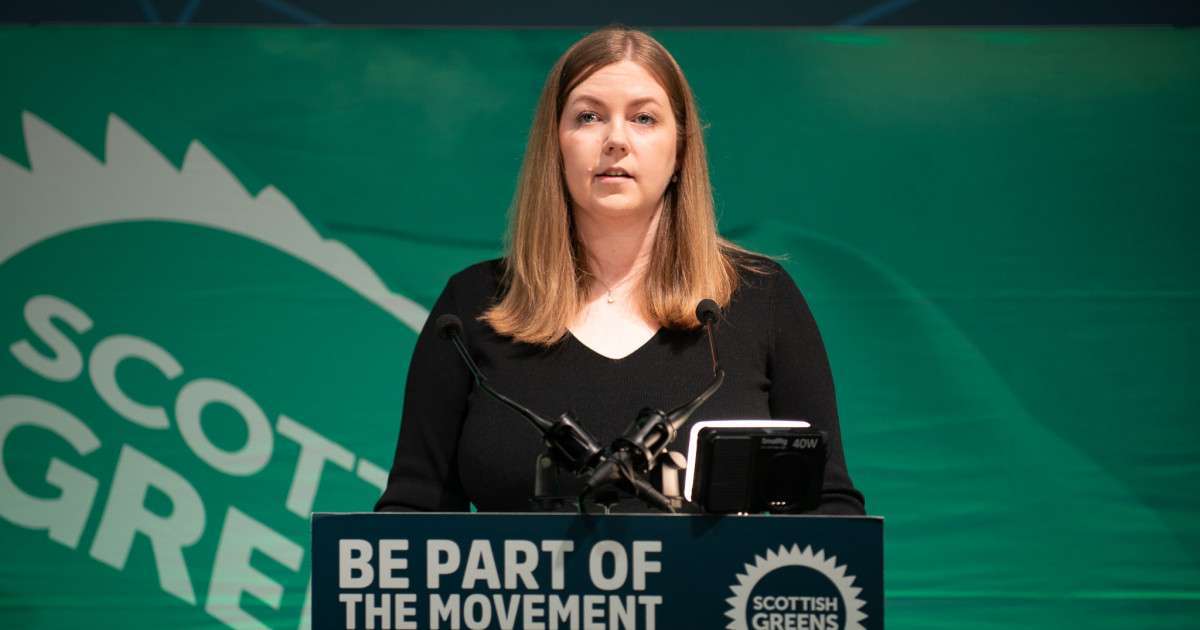

The Scottish Greens have called for a licensing system for retailers selling vaping products, alongside further restrictions on flavours, packaging and where vapes can be used, following new figures showing higher vaping prevalence among younger adults in Scotland.
The calls came after the publication of the Scottish Health Survey 2025 on 17 November, which found that one in 10 (10 per cent) adults in Scotland currently used e-cigarettes or vaping devices. The proportion was higher among younger adults, reaching around 15 per cent among those aged 16-24.
Overall adult vaping prevalence remained unchanged from 2024, with the survey reporting that it had stayed within the 10-12 per cent range since 2022.
Scottish Greens co-leader and public health spokesperson Gillian Mackay MSP said the findings demonstrated that more needed to be done to address nicotine use among young people.
“The Scottish Greens fully support creating a smoke-free generation but we must also take bold action on vaping or we risk allowing nicotine addiction to continue to flourish, particularly amongst young people,” she said.
The party wants the Scottish Government to introduce a licensing scheme for premises selling vaping products, giving local councils powers to refuse licences, enforce safety standards and take action against businesses breaking the rules.
It is also calling for a ban on smoking and vaping outside schools and in playparks, and wants ministers to work with the UK government on restrictions covering advertising, promotions, flavours, colours and branding on vapes and nicotine pouches.
Mackay said the proposed licensing system would help strengthen oversight of the retail market, while restrictions on product presentation would help address the appeal of vaping.
The proposals come as the UK moves towards a tighter regulatory framework for nicotine products. The Tobacco and Vapes Act 2026, which received Royal Assent in April, introduces measures including restrictions on the promotion and advertising of nicotine products to children, alongside new age-of-sale provisions.
What the survey actually shows
Although the Greens have cited the survey as evidence of the need for further action, the figures themselves measure reported product use rather than health outcomes or the reasons behind vaping uptake.
The Scottish Health Survey found that vaping prevalence among adults had remained relatively stable in recent years. It also reported that 12 per cent of adults were current cigarette smokers in 2025, continuing a longer-term decline from 26 per cent in 2008.
The survey's own assessment of vaping is more nuanced than the language used in the Greens' statement. It says e-cigarettes are considered less harmful than tobacco products and can serve as a smoking cessation aid when users switch completely. However, it advises that they should not be used by non-smokers or young people, noting that they can cause nicotine addiction and expose users to toxicants. Their long-term health effects remain unknown.