





If the Diwali issue of Asian Trader seems a little weighted towards the broad and important category of nicotine – encompassing traditional tobacco, vape and Heat Not Burn, and now pouches – that's because the market, and retailers’ businesses, are experiencing an earthquake which, to continue the metaphor, has been rumbling beneath the surface for several years now and is finally breaking the surface and smashing, perhaps beyond recognition, a nicotine economy everybody has become used to.
Although we need not dwell on it here (this is a product feature after all, and there is plenty of discussion on other pages of this issue), the illicit market now appears to be reaching a point of no return, set to take over as the biggest future market for nicotine in the UK. As the new vape tax hits, doubling prices, the likelihood is that an already buoyant illicit sphere will welcome many refugees from the legitimate vape market, many of whom will not see the point in vaping any longer. After all, they are consistently told, implicitly and explicitly, by government and anti-smoking lobbyists that vaping is as unhealthy as cigarettes. Some vapers will likely even return to traditional tobacco – and the illicit sector at that. Rant over.
 Image: AMG
Tradition lives on
The major tobacco companies hardly ever talk about tobacco anymore, and this is understandable: they are all trying to do the decent, and the business-like thing, and change their products to non-combustible versions of nicotine consumption.
The one exception is cigars, as we shall see below, to which the moral stigma of smoking cigarettes somehow happily does not apply. People are still enjoying all kinds – especially, in the convenience channel, cigarillos – and sales are good.
But despite the anti-tobacco atmosphere, almost 10 per cent of UK adults still smoke; that’s almost five million people, even if the proportion of the population falls each year (until now, that is: the number of smokers is predictably ticking up again). Within the smoking market, the premium stratum of brands is select but steady, and the value brands continue to grow as a proportion of total sales.
A fine example of the value sector of FMC is Paramount Red Superkings from Imperial Brands, which has expanded its popular value cigarette range, giving retailers a further revenue opportunity in one of the market's most resilient categories.
Imperial describes it as a “bold tobacco taste at an affordable price” – more puff for your buck – and says it provides further choice for “value-conscious and price-sensitive adult smokers who have different taste needs”.
The value imperative is clear in Imperial Brands’ goal to expand choice within the Paramount range, built around an American Blend of tobaccos with an intense, full-strength experience for trad smokers who still expect quality in every pack.
The Paramount brand was launched back in late 2024, and has enjoyed strong momentum since, making it a weathervane for the value market.
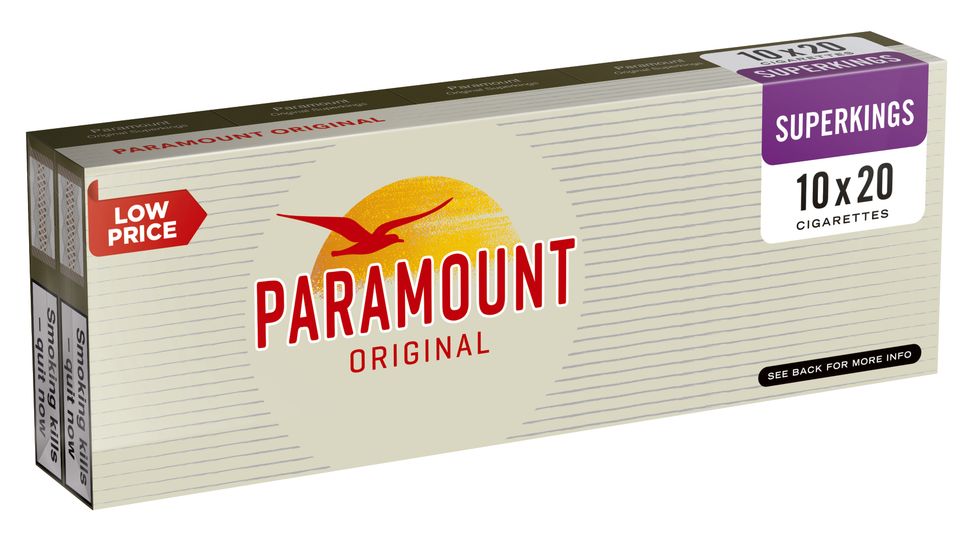 Image: Imperial Brands
"The value cigarette segment continues to gain momentum, growing by two per cent over the past year and now representing 38 per cent of total UK cigarette sales,” says Shirley Soccio, Head of Consumer Marketing UK & Ireland at Imperial Brands. “This sustained growth reflects a clear consumer demand for products that deliver trusted quality at an accessible price point.
"Paramount was launched to meet this growing demand, and the introduction of Paramount Red Superkings further strengthens the brand's offering by giving adult smokers even more choice within a proposition that successfully combines quality and value.
Available now across independent and wholesale outlets, Paramount Red carries an RRP of £14.80.
Cigars is another bright spot in tobacco. “Our latest data shows the total cigar category to be worth £354m in annual sales, and cigarillos are one of the four segments that make up that figure,” says Prianka Jhingan, Head of Marketing at Scandinavian Tobacco Group UK (who are also doing very nicely in the nic pouch market with their XQS brand).
“It’s certainly no longer a new trend, but the cigarillo segment is easily the largest of the four segments in terms of volume and not far off the other three combined in terms of value. Cigarillos are small, usually flavoured, cigars. They are shorter, usually about three to four inches long, and narrower than traditional cigars and typically take less time to smoke which can often appeal to adult smokers. Sales from the cigarillo segment currently account for just under £183m of that £354m total, while the three other segments combined (miniature, small and medium/large) account for £169m. The remaining £2m is made up of handmade cigar sales.”
Prianka admits the cost-of-living crisis has helped shape the tobacco category over the last few years with those value brands – and smaller pack sizes – often seeing increased demand. “It's no surprise that price remains important because that search for value can often be a motivating driver of purchase for nicotine users,” she explains. “That’s one of the key reasons why we launched a new 17-pack of our Signature Action cigarillo brand last year. This latest addition complements value with two ten-pack offerings, providing consumers with greater choice and value, but features the same menthol flavour that has been synonymous with the brand since its launch back in 2020.
With an RRP of £9.89, including a price-marked version, the 17-pack delivers exceptional value, positioning it as the most competitively priced option in the market.
“It also offers an attractive margin for retailers,” adds Prianka, “reinforcing our commitment to supporting our trade partners with high-quality, high-demand products.”
And smokers always need accessories – lighters chief amongst them. Like cigarette papers, they are colourful products, bought repeatedly, which have a small footprint and can be displayed at till for maximum impact.
Clipper continues to lead the UK lighter market, maintaining a substantial advantage in spontaneous brand awareness, despite operating in a highly competitive and saturated category.
Head of Sales & Marketing, Mishu Sidhoo, says a key driver of success for Clipper has been the growth of its printed lighter range. The designs now account for more than 65per cent of classic lighter sales and are projected to represent 70 per cent by 2028. “This marks a remarkable shift in consumer preferences, considering that printed lighters comprised just 36 per cent of classic lighter sales in 2017,” she says. “The trend demonstrates that, even amid ongoing cost-of-living pressures, consumers remain willing to pay a premium for products that offer individuality, creativity and collectability.”
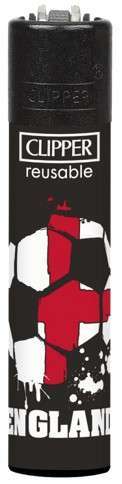 Image: Clipper
Mishu says that innovation has kept consumers engaged with the brand and has even inspired a global community of collectors for the very many images available. The appeal is enhanced by a fully reusable design which allows consumers to refill and reuse favourite lighters time and time again. “This sustainable proposition creates a distinct competitive advantage, reinforcing the intrinsic value of our lighters,” she says.
Today, Clipper launches more than 500 unique lighter designs annually in the UK. As a result, consumers are unlikely to encounter the same design in different locations, creating a sense of exclusivity and discovery. This extensive variety is central to the brand's strategy and plays a significant role in driving impulse purchases.
This year, Clipper further strengthened its position by expanding into licensed partnerships within its printed lighter portfolio. Collaborations with globally recognised brands and artists, including Oasis and The Rolling Stones, have introduced an exciting new dimension to the range, helping to satisfy growing consumer demand for distinctive and highly desirable products.
 Image: AMG
Vape tales
Vape remains a burgeoning market – even now, after a decade of explosive innovation and take-up by ex-smokers, which we like to say makes vape a national life-saver – but it’s one in upheaval as the new taxes on e-liquids kick in, and the stormfront of possible bans on packaging, flavours and display rumbles ever closer.
Richard Cook, Commercial Director at Juul Labs UK, says, “The vape category is seeing a strong, volume-led recovery following the single-use vape ban that came into effect in June 2025.” Initially vape category sales dropped by around a fifth following the ban. But he records that it gradually recovered through the following 12 months as shoppers ran down their stocks of disposable vapes and switched to reusable versions of their favoured products.
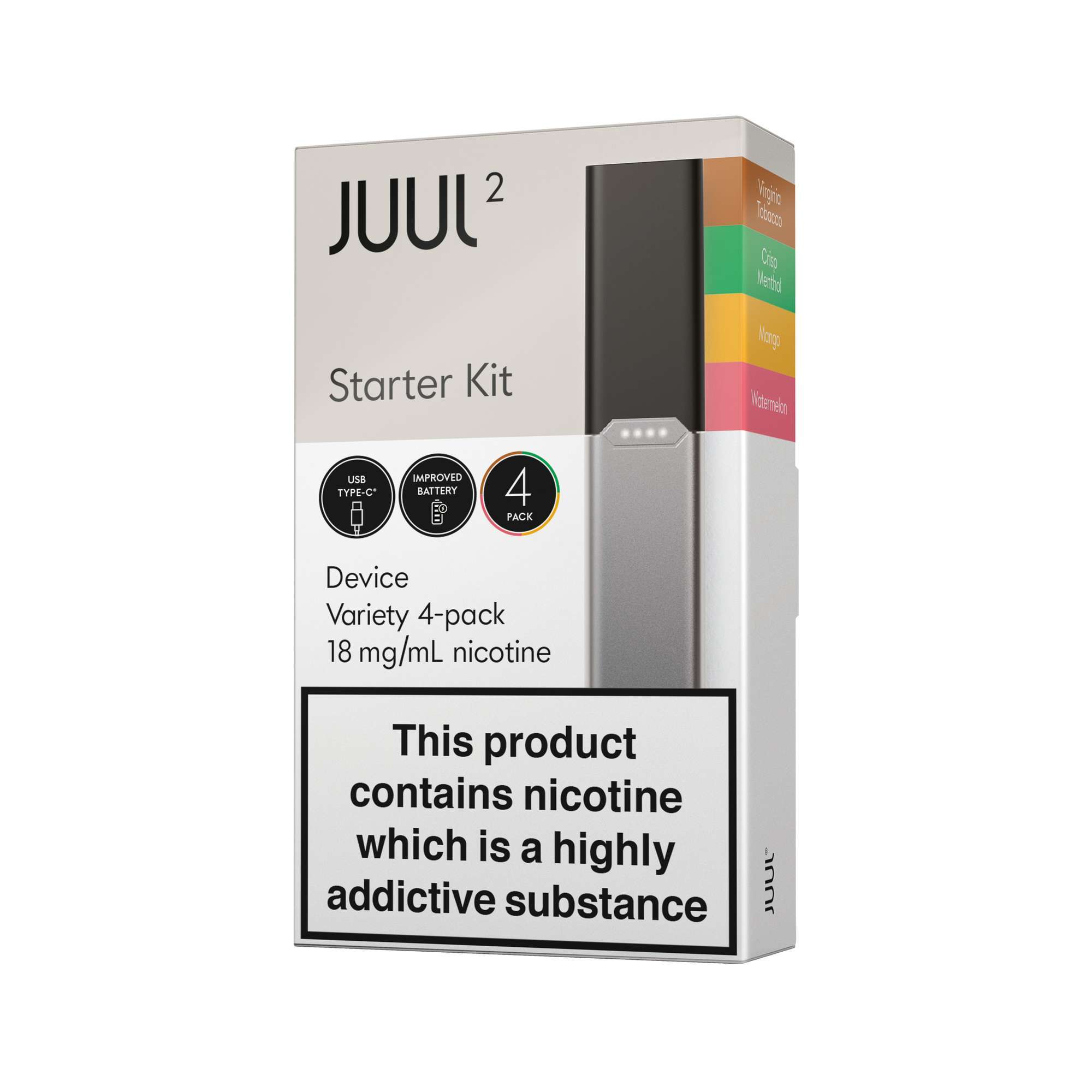 Image: Juul Labs
“Performance by channel largely reflects the impact of the banning of disposable vapes,” says Cook. The convenience channel, which was heavily reliant on disposable vapes, saw the biggest impact from the ban but is now seeing the quickest recovery – led by reusable pod-based devices and larger “Big Puff” formats. Supermarkets, which were less reliant on disposable vapes, saw a smaller drop post-ban but less of an uplift this year.
More recently, he says the overall vape category has returned to growth, with sales for vapes up 18 per cent in the last 12 weeks vs prior year across tracked channels. This is led by convenience, up 23 per cent (with supermarkets trailing on a nine per cent boost [Circana]).
“This reflects ongoing consumer movement from combustible products to vapes, with the number of vapers in the UK overtaking the number of smokers in the UK in 2024,” Cook says.
“Alongside the health reasons, vapes offer a good value alternative,” says Steven Mosey, CEO of Phoenix 2 Retail, leading distributor of next generation nicotine replacement products. “This is because competition in the vape industry is intense and everyone is fighting for market share. That means manufacturers are producing better-value products, such as big-puff devices and 10-plus-two formats, which is great for consumers – but bad news for the tobacco industry."
Clearly, vape is here to stay; and as Ash Thakkar, Founder and CEO Of Bulkit, says: “The category is not in decline. It is in transition. Retailers who understand that, and source accordingly, will be the ones still winning when the dust settles.”
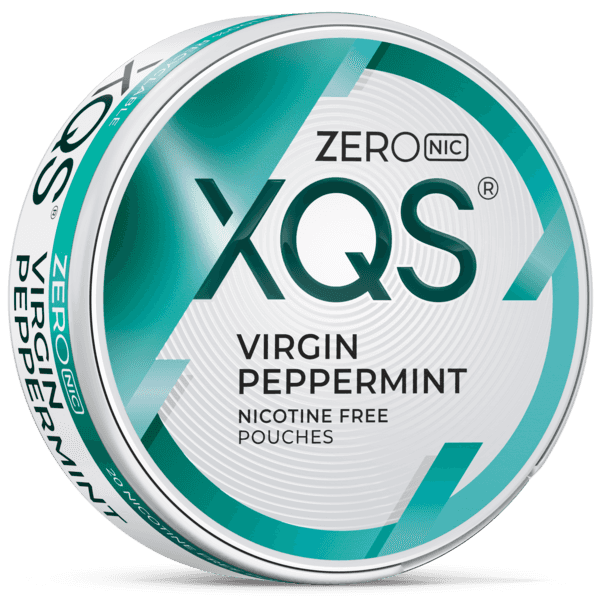 The XQS pouch range has been updated with a new strength and nicotine-free variant as STG UK expands its offering. Image: Scandinavian Tobacco Group UK
So, let’s look at the winning suppliers the retailers prefer.
Angelo Yang, associate general manager UK at ELFBAR and LOST MARY, says that the vaping category continues to provide some of the highest-margin products and accounts for a significant share of sales across the convenience channel: “With 71 per cent of stores in the channel run by independent retailers, this highlights the category’s importance at store level.”
He clarifies that since the ban on disposables, the market is now driven by prefilled pod kits, with refill pods offering significantly better value for money than replacing the device. “For example, refill pods for smaller-capacity ELFBAR and LOST MARY devices are sold in packs of two, typically at the same retail price point as a new device with a single pod. This is driving volume growth, although reduced purchase frequency has weighed on overall market value.”
He adds that the Vaping Products Duty and Vaping Duty Stamps are now in effect, with retailers required to complete their transition to fully stamped stock by 31 March 2027 – changes that have implications for retail pricing and margins.
Mosey says that “The introduction of Vaping Products Duty is already influencing new products. Big-puff devices will see the biggest immediate price increase, so we are seeing early signs of manufacturers value-engineering products to hit price points once duty is included.
"For example, some are deciding not to launch a 12ml product because it would be priced out of shoppers' reach, so I think we will see a move towards smaller, more affordable devices.
"It's still too early to say exactly what will happen, but the scale of the changes will become clear over the next few weeks and months.”
With that in Mind, Yang explains how in his view price and value are increasingly important considerations, particularly as rising cigarette prices and cost-of-living pressures continue to shape shopper behaviour, with high-puff-count products favoured for their larger e-liquid capacities, longer-lasting use and lower cost per puff.
Access to a range of flavours also plays a key role in purchasing decisions: a recent ELFBAR survey (conducted by Opinium, August 2026) revealed that 72 per cent of adult vapers use fruit or other related flavours, reflecting continued preference for non-tobacco and menthol flavour options. Similarly, 74 per cent of vapers say flavour variety helps them remain tobacco-free.
So, let’s hope the government leaves adult flavours well alone!
Looking ahead, Yang says that “we expect value and flavour choice to remain central to buying behaviour, with shoppers favouring products that offer extended e-liquid use. Prefilled pod kits dominate the vaping category, with high-puff-count formats accounting for just over 60 per cent of the market, led by the LOST MARY BM6000. The LOST MARY NERA15K is also seeing strong momentum, with ELFBAR expanding its presence in this space with the ELFBAR PLUS12. Smaller-capacity devices, such as the LOST MARY BM600 and ELFBAR 600, also remain a key part of the category, retaining a loyal following due to their lower upfront cost.”
To repeat: 79 per cent of vapers buying reusable devices now purchase separate refills, while just six per cent buy a new kit each time. This indicates that refill purchases are a key part of the category and reinforces the importance of in-store visibility and availability.
Yang points out that new they now offer a Reduced Nicotine Kit that brings together a LOST MARY BM6000 device with three prefilled pods and containers in different nicotine strengths (two per cent, one per cent and nic-free) in one pack, so vapers and smokers can lower the nicotine strength as they progress on their quit journeys.
Juul Labs UK’s Richard Cook agrees the category is experiencing a moment of significant change with vaping products duty and expected regulatory changes for packaging, devices, flavours, and retail display.
“As to how retailers adapt to these changes and stay resilient, they should look at the longer-term potential of the brands in the category and stock those which are most resilient.” JUUL, he explains, is committed to switching adult smokers away from cigarettes and lessening the harm caused by tobacco products.
“This commitment guides our approach and also offers commercial benefits for retailers. JUUL2 delivers over three times the profit margin of cigarettes; annual cash profit is almost double that of cigarettes; and JUUL2 customers spend £12 per week on the category versus an average of £3-5 for ex disposable customers.”
The past year has seen Juul labs launch a number of single fruit flavours including Mango, Watermelon, Apple, Peach and Lychee, which has resulted in a 22 per cent increase in JUUL2 flavoured pod sales as well as driving device volume sales up by 11 per cent [Circana].
To capitalise on adult smoker’s preference and to bring new adult smokers into the category, Cook says Juul Labs will has relaunched its JUUL2 Starter Kit this month. The new JUUL2 Starter Kit is priced at the same £9.99 RRP as the previous version, offering consumers significant savings and value. The JUUL2 device has also been updated and now offers extended battery life and a new USB-C charging cable and port instead of the old USB charging dock system. The packaging has also been redesigned to minimise waste.
“We're in constant dialogue with the major brands we supply about their post-duty plans,” says Mosey. “Because nobody really knows what the future holds and awareness of the extra duty is generally low, there isn't yet any consensus on which products are best to stock.
"Once we have confirmation of which products consumers are switching to, our field sales team will be selling them in,” he says.
New nicotine horizons
After vapour emerged as a cigarette alternative, the technology – and the broader concept of developing devices and products to serve the nicotine that consumers wanted – gave rise to two further strands of nicotine delivery, both of which continue to bifurcate into even more specialised and varied product streams.
The first was Heat Not Burn, ploom and IQOS being the dominating presences in the UK market. These are products that use tobacco (a highly engineered and pasteurised version of it) but don’t ignite it – not exactly vaping but not smoking either; and particularly popular with those smokers who love the taste of tobacco and can’t quite get along with vapes.
The other was nicotine pouches, which traced their ancestry from the tobacco pouches – snus – that had long existed in Sweden (see this month’s interview with We Vapes’ Mark Oates for a brief history of snus). Nic pouches removed the tobacco but kept the nicotine, and the market for these discreet under-the-lip devices has really exploded over the last four or five years, showing no signs of stopping.
Bulkit’s Ash Thakkar says “Usage of nicotine pouches among 18-to-24-year-olds has jumped to four per cent in 2026, driven overwhelmingly by young men. This demographic is not interested in visibility. They are drawn to the portability, discretion, and the ability to use nicotine without social friction. Pouches fit that lifestyle naturally.”
He explains that oral pouches are the clearest opportunity for independent convenience retailers in 2026-7: “The category is growing at a pace rarely seen in FMCG, with the convenience sector expanding at the fastest rate despite grocery commanding the highest total volume. That gap is an advantage for the independent retailer who ranges the category well and ranges it now, before the multiples standardise their approach and remove the early-mover benefit.”
According to Thakkar, the UK nicotine pouch market recorded a 95 per cent year-on-year volume expansion in 2024, with total market sales reaching just under £230 million in 2025, driven by a 55 per cent year-on-year increase in volume. In Q1 2026, oral nicotine products experienced a 42.5 per cent increase in value and a 46 per cent rise in units sold compared to the same period in 2025.
 Image: STG
Thakkar says almost three-quarters of retailers are expecting consumer demand to increase in 2026, and 84 per cent of this group plan to broaden their smoke-free range to meet rising interest: “The retailers who act on that intention rather than simply holding it will be the ones who capture the switching consumer before their competitor does.”
Brands such as Velo, from BAT, JTI’s Nordic Spirit and ZYN from PMI have heretofore dominated the category, with a vast number of smaller brands splintering the remaining consumer share.
But with legislation looming, smaller brands are stepping up and eating their way into the share of the “big boys”, and one of these is Scandinavian Tobacco Group’s XQS pouches – a challenger brand to the Big Three that is making rapid inroads to the market.
“When it comes to Nicotine Pouches, our latest data shows total UK nicotine pouch sales have now reached just over £253m and are growing by 43 per cent YOY in volume terms,” says Prianka Jhingan. “Our latest data show pouch volume sales have grown by 54 per cent in the last twelve months in convenience stores, with our own XQS selling particularly well in this channel.”
She says the disposable vape ban has clearly had a positive impact on pouch sales, but that the main factor driving the positive trajectory of the category is because a growing number of nicotine users are discovering what a great option pouches are for them, due to their discreet and portable nature, and the great flavours available – and don’t underestimate (or understock) mint:
“Whilst fruit flavours should certainly be included in any retailer’s range, it’s worth noting that mint flavours account for over 75 per cent of all sales, so these are the most important to stock.” Prianka says. “Our recently launched XQS mint range offers superior taste, clear navigation, affordability and has bought some fresh minty energy into the category. It also makes sense to stock a range of strengths to cater for new entrants to the category up to experienced nicotine pouch customers and everyone in between.”
The new range includes The Spearmint, The Peppermint and The Menthol (in two different strengths), and are available to retailers now, with an RRP of £5.50. The Spearmint may have the lowest strength, but it is perhaps the most superior in flavour, she says, offering consumers a fresh, long-lasting spearmint experience with just 6mg of nicotine and is perfect for new entrants to the category. Next comes The Peppermint which offers a stronger nicotine hit at 10mg with a clean cooling sensation. Finally, The Menthol is aimed at mature pouch users who are looking for that additional kick, offering real nicotine intensity and effect time, and comes in two strengths of 11mg and 17mg respectively.
“In terms of brands, retailers should of course stock the best sellers but also consider stocking some of the newer entries to the category as these can bring excitement, interest and most importantly incremental sales,” concludes Prianka.
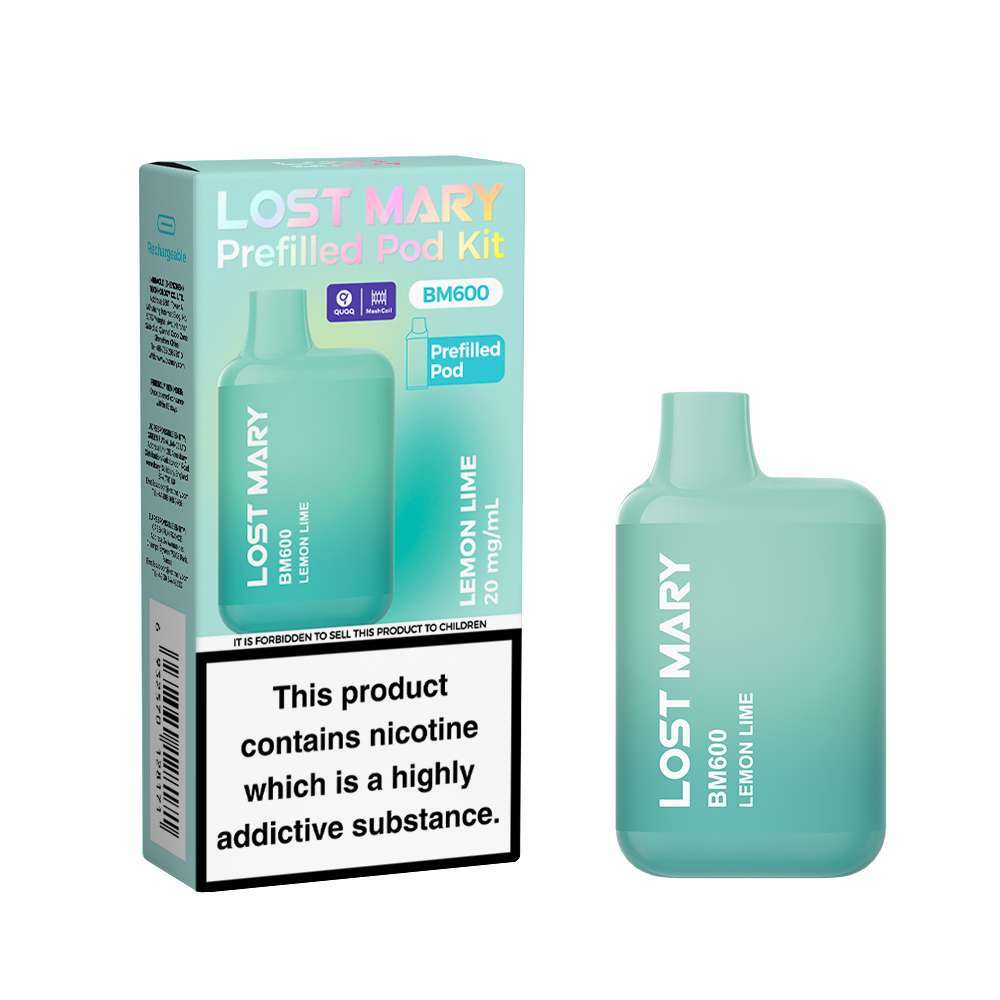 Image: Elfbar
Heat Not Burn is also finding that it can subdivide into interesting new concepts and SKUs, with the idea of using tobacco itself being challenged by a variety of herb and leaf alternatives.
Chris Carr, Sales Director at NEAFS UK, points out that a huge but often overlooked or misunderstood part of the Tobacco & Vapes Act 2026 is the Generational Tobacco ban. It decrees that each year the legal smoking age increases to eventually phase out tobacco use overall – but it only applies to tobacco and not other kinds of leaf. Chris notes that “The future belongs to non-combustible, reduced-risk alternatives that satisfy consumer sensory habits while shielding both retailers and shoppers from spiralling tobacco taxation,” adding that, “with liquid vape margins pressured by new taxes, retailers are reallocating behind-counter space to innovative, tax-resilient non-tobacco substitutes.”
The alternative offered by NEAFS is tobacco-free stick substitutes (utilizing premium tea and herbal blends flavoured with vape flavourings) which Carr believes represents the next evolution.
“As regulatory scrutiny on tobacco leaf and liquid vapes intensifies, our product strategy centres on future-proofing the retailer’s shelf,” he explains. “By establishing a high-quality, tobacco-free tea-leaf base, products like NEAFS operate outside traditional tobacco leaf restrictions while offering a genuinely reduced-risk experience.
 Image: Fumi
To support independent retailers, NEAFS provides point-of-sale materials explicitly detailing product age restrictions (18+) and regulatory positioning to keep store staff confident and compliant, together with staff Training Toolkits: Simple, 2-minute staff guides explaining how heated products work so store staff can confidently advise adult smokers seeking alternatives.
NEAFS also offers a POR of 50 per cent: Providing vape level margins for products which appeal to tobacco-users is previously unheard of and can make a huge difference to retailers' bottom lines.
It’s early days, but interesting ways forward are developing.
As Bulkit’s Ash Thakkar says, “The challenge we hear most consistently from brands entering this [tobacco alternative] category, particularly global brands trying to establish UK retail presence, is not product quality or pricing. It is discoverability. Independent retailers are making ranging decisions in a fragmented market where information about what is available, compliant, and worth stocking is scattered across distributor lists, sales rep visits, and trade show conversations.”
As the category restructures and compliance requirements tighten, the retailers who source intelligently will protect their margins and their footfall. The ones who rely on the same sourcing channels they used during the disposable era will find themselves increasingly behind the curve.
In conclusion, Ash says that “The tobacco, vape, and nicotine category has never been more important to convenience retail, and never more difficult to navigate.” But the rewards for those who stay the course are promising indeed.