



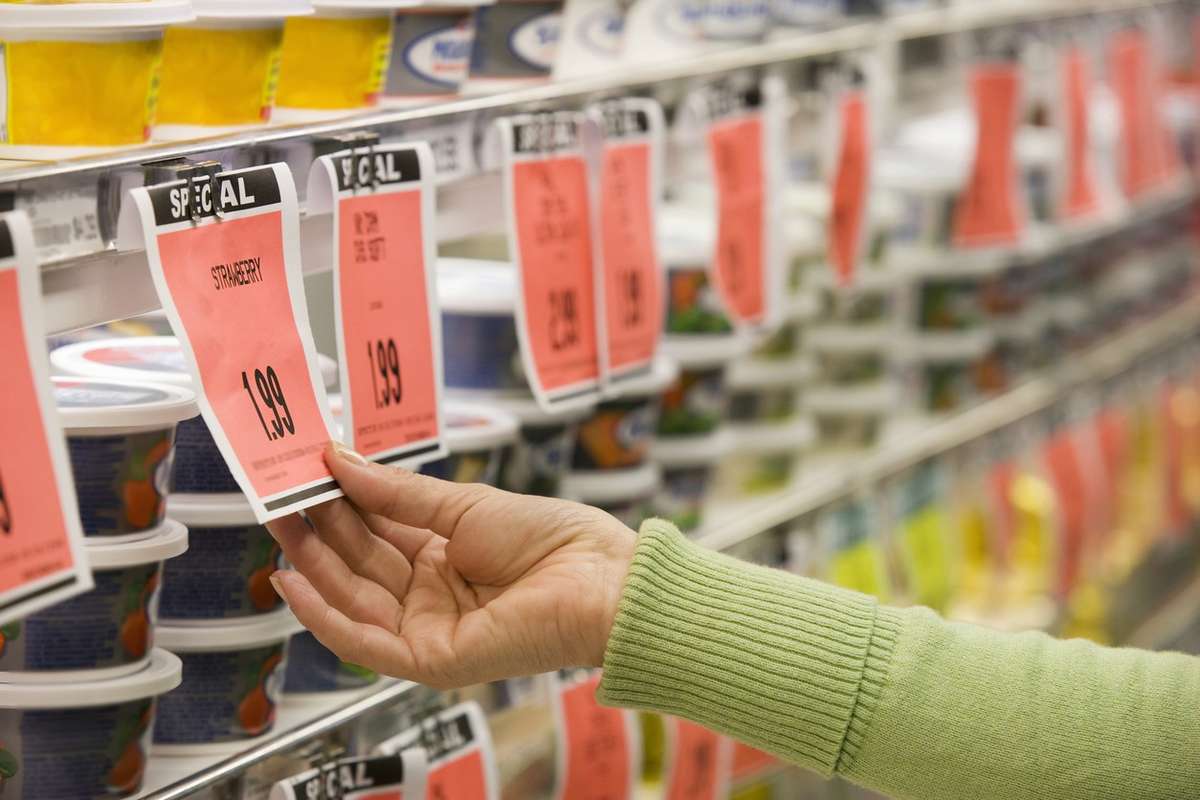

Plans by the Scottish government to introduce price caps on essential food and drink items could drive supermarkets towards cheaper imported products, weaken domestic manufacturing and threaten the UK's food security, industry leaders have warned.
The SNP government is developing legislation that would allow ministers to impose price ceilings on up to 50 essential grocery products as part of efforts to ease cost-of-living pressures. Draft legislation is expected to be introduced in September following the party's election manifesto pledge to cap the price of everyday staples such as bread, milk and eggs.
However, the proposals have prompted concern across the food manufacturing and retail sectors.
David Thomson, chief executive of Food and Drink Federation Scotland, warned that forcing supermarkets to sell products below market prices could encourage retailers to source cheaper imports instead of Scottish and UK-produced goods.
"Scotland – and the UK – is a relatively high-cost place to make things," The Times quoted Thomson as saying.
"If retailers can't match the price with Scottish produce or UK produce, then obviously it opens up a justification for retailers to seek goods from places where there are lower costs."
He added that weakening the UK's manufacturing base could ultimately damage food security.
"If we have a less robust manufacturing system because we're seeking more imports, or actually there's no money to invest in that because the prices are set too low, you can absolutely see that it reduces our food security," he said.
Some retailers have already increased imports of lower-cost products, including Polish chicken and beef from Australia and Uruguay, as they seek to manage rising costs.
Pressure on suppliers
While supermarkets generate significant revenues, the sector typically operates on narrow profit margins. Industry representatives argue that any government-imposed price ceiling would inevitably place financial pressure further down the supply chain.
Thomson said manufacturers, farmers and fishermen would ultimately bear the cost of lower retail prices.
"If it artificially controls the price of some items, then the manufacturers and farmers and fishermen who produce them will have to, through the supermarkets, take that price and will obviously be under significant pressure. It's like squeezing a balloon – it'll just pop out elsewhere."
First Minister John Swinney has sought to reassure producers that the policy will not come at their expense.
Speaking at a farming conference last month, he said: "We also know that achieving our aim requires very careful consideration and handling. That cannot come at the expense of farmers, growers and producers who produce these items for us all."
Retailers seek clarity
The proposals have also drawn criticism from retailers, who say key details remain unclear.
The Scottish Retail Consortium said supermarkets have been left "completely in the dark" about how the scheme would operate, including which products would be subject to price caps.
Business groups have warned that price controls could distort competition, create unintended market consequences and reduce investment across the food supply chain.
The debate follows a similar proposal considered earlier this year by Chancellor Rachel Reeves, who ultimately abandoned the idea after strong opposition from retailers and food businesses. Marks & Spencer chief executive Stuart Machin described the proposal at the time as "completely preposterous".
Political divide
The Scottish government has argued that the policy can be justified on public health grounds, similar to the legal arguments used to introduce Scotland's minimum unit pricing for alcohol.
Thomson rejected that comparison, arguing that affordability should instead be addressed through more targeted support.
"There is an issue with affordability of food. But there are other mechanisms to deal with that, which are much less interventionist and much more targeted," he said.
Questions have also been raised over how the proposals would interact with the UK Internal Market Act, which aims to ensure the free movement of goods across the UK.
A UK government spokesperson said it needed to understand the detail of the Scottish proposals and how they would fit within existing devolution arrangements.
Meanwhile, Scottish Liberal Democrat economy spokesperson Liam McArthur has called for greater transparency, warning that price controls risk increasing the cost of other products while reducing retail footfall.
"Price caps have been shown repeatedly to distort markets, cause shortages and create inefficiencies that make it harder for both suppliers and customers," McArthur said.
The Scottish government said further details of the scheme would be announced "in due course" and confirmed it would continue engaging with food manufacturers, retailers and producers as the proposals are developed.