



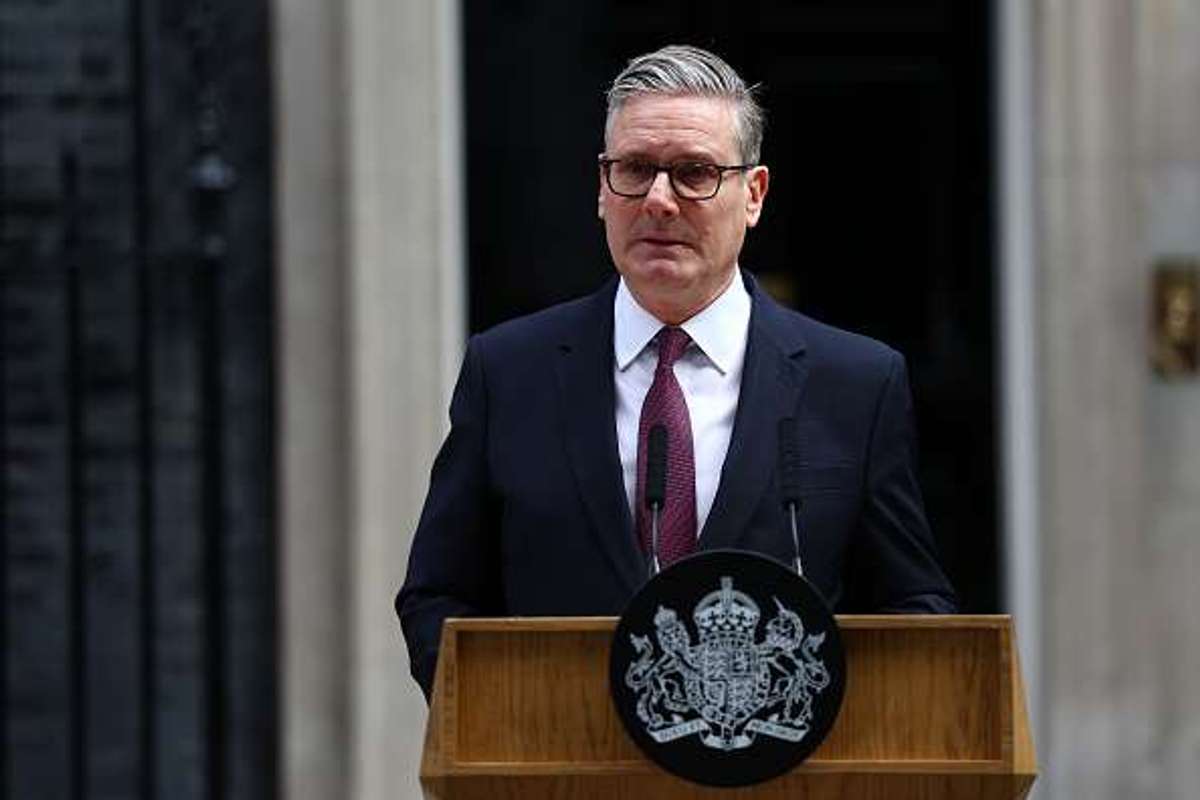

Retail industry leaders and trade union representatives have called for continuity, economic stability and stronger protections for workers following the resignation of Prime Minister Keir Starmer and Labour leader.
The calls come as Andy Burnham emerges as the frontrunner to succeed Starmer, with business groups and unions urging the next government leader to prioritise issues ranging from retail crime and business costs to workers' rights and mental health.
Joanne Thomas, general secretary of retail trade union Usdaw, paid tribute to Starmer's leadership, crediting him with rebuilding the Labour Party and securing a historic electoral victory.
"Keir Starmer has made an immense contribution to our movement and we will always be grateful to him for turning around the Labour Party, after its worst defeat in living memory, and securing a landslide victory in an election most said he couldn't win," Thomas said.
She also endorsed Burnham's candidacy, saying the union believes he is best placed to deliver Labour's pledges to workers and stimulate economic growth.
"We believe Andy Burnham is the right person to ensure that Labour's manifesto commitment of a new deal for workers to help make work pay is delivered in full," Thomas said.
"We also think he can regenerate our regions and bring back economic growth, to help secure jobs and pay for fundamental renewal in our public services."
Meanwhile, the Retail Trust warned that the political transition must not create further uncertainty for retailers and their employees, who continue to face rising costs and growing operational pressures.
"Any political uncertainty must not be allowed to create even more uncertainty for retail staff and their employers," said Chris Brook-Carter, chief executive of the Retail Trust.
"Strong leadership around issues such as business rates, employment costs, retail crime and mental health remains as important to the future of the industry and the country as ever."
Brook-Carter highlighted retail's importance to the UK economy, noting that the sector employs nearly three million people and plays a central role in communities across the country.
"The health of the industry, and the happiness and wellbeing of its nearly three million workers, are fundamental not only to the sector's future, but also to the country's economic strength and collective sense of wellbeing," he said.
The charity also urged the incoming prime minister to ensure that measures to tackle retail crime are backed by meaningful enforcement and stronger support for frontline workers.
"New measures to tackle retail crime will be an important step forward in protecting the safety and wellbeing of shop workers and helping to rebuild the reputation of the industry as a great place to build or begin a career," Brook-Carter said.
"The Crime and Policing Act must now be backed by consistent enforcement, more support for workers facing unacceptable incidents, and a visible public response against any hostility, intimidation or abuse towards staff."
On mental health, he added that policies designed to encourage people back into employment should be accompanied by greater investment in workplace wellbeing.
"We'd urge the new prime minister not to forget that any measures focused on encouraging those with mental health conditions back into the workforce must be matched by stronger commitments from employers to invest in tailored and preventative wellbeing support for staff," he said.
The reactions from both Usdaw and the Retail Trust underline the retail sector's expectations that the new prime minister will not only provide political stability but also accelerate reforms that support businesses, protect workers and strengthen economic growth.