



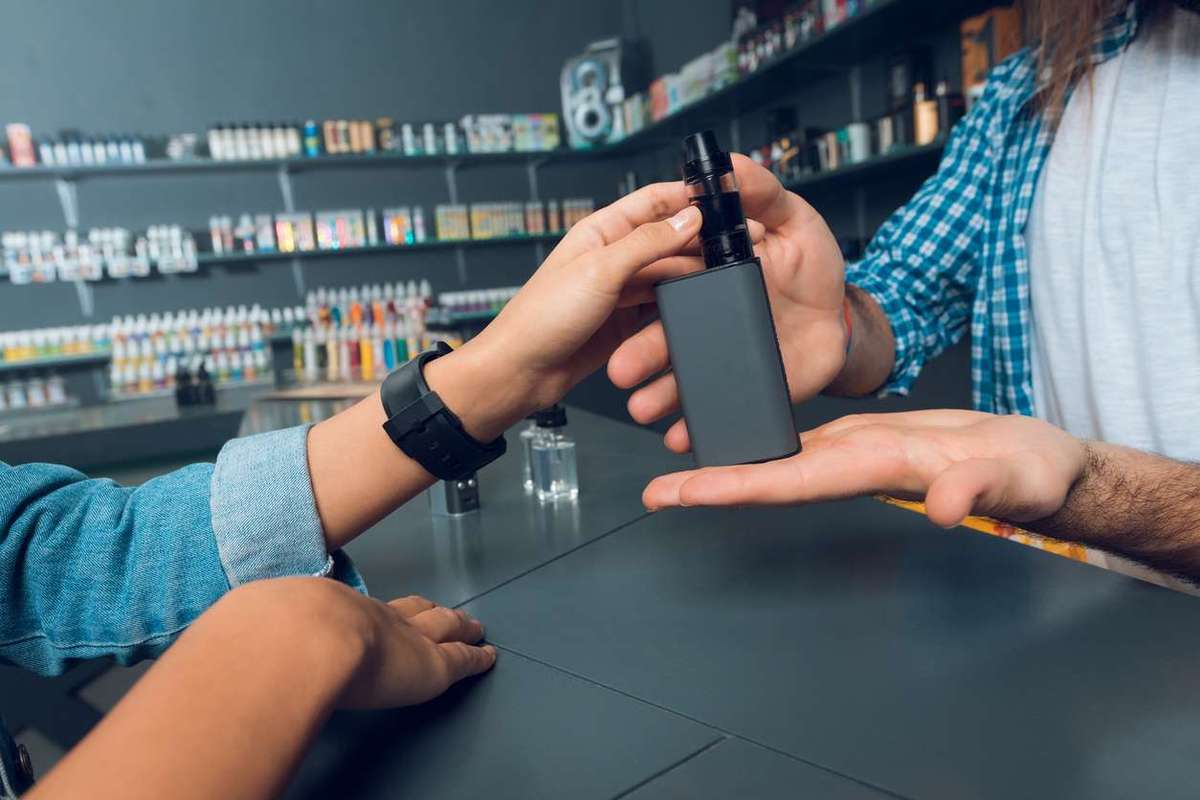

A till prompt can remind a colleague to check age. It cannot tell them who a customer is buying for.
That matters because the proxy-purchasing restrictions have now been extended. Since 29 October, a person aged 18 or over commits an offence if they buy, or attempt to buy, a vaping or nicotine product for someone under 18.
Government guidance says retail staff should be alert to suspected proxy purchasing and refuse the sale where they have concerns. Turning that instruction into fair, consistent decisions requires judgement.
Train for situations rather than appearances
There is no useful profile of a proxy purchaser. Training should focus on observable situations: an adult taking product instructions from a young person, a young person handing over money, repeated attempts after an earlier refusal, or a customer asking staff which item a young person wanted.
None of these facts automatically proves an offence. They give the colleague a reason to pause, ask a neutral question and involve a manager.
Training based on age, clothing, accent or neighbourhood assumptions is both unreliable and damaging. The standard should be behaviour and context.
Give colleagues words they can use
Staff confidence improves when the business provides a short, respectful script. For example: “I need to check who this purchase is for. I cannot complete the sale if I suspect you are buying on behalf of someone under 18.”
The purpose is to explain the decision, not start an argument. A manager should take over if the conversation escalates.
The customer may disagree. Store policy should support the colleague who makes a reasonable refusal in good faith.
Separate age verification from proxy concerns
An adult customer may prove that they are over 18 and still be refused if staff reasonably suspect the purchase is for a child. The two controls answer different questions.
Age verification asks whether the buyer is old enough. Proxy-purchase prevention asks who the product is intended for.
That distinction should appear in training and refusal records.
Record enough to learn
A useful refusal log captures the date, time, product category, reason and manager involvement. It should avoid unnecessary personal data.
Owners can review the log for patterns: particular times of day, repeated customer behaviour, gaps between colleagues or problems around delivery collection points. The review turns individual refusals into better coaching and staffing decisions.
Include delivery and rapid-commerce partners
The age-of-sale rule applies online as well as in store. Proxy risk can also appear at collection or handover. Retailers should agree who checks age, who may refuse delivery and how an incident is recorded when a third party completes the last mile.
An app statement is not a substitute for a process that works at the door.
Back the team
The most effective policy is one the colleague believes the owner will support. Sales targets, queue pressure and fear of confrontation can all weaken a rule that looks perfect on paper.
Leaders should make the expectation simple: protect children, apply the process fairly, ask for help and document the decision.
Vaping products are intended only for adults and are not risk-free. Responsible retailers have a clear role in maintaining that boundary.
Proxy-purchase prevention will never be entirely mechanical. Good retailers will manage it through calm judgement, consistent coaching and visible support for the people making the decision at the till.
 Ahsan Bawa Photo: Handout