




Seasonal events offer convenience retailers a chance to turn displays into extra sales and make a lasting impact on shoppers’ memories. But does an impactful display actually shift stock, or simply look good? Asian Trader finds what works, what wastes space and how to make merchandising pay.
Merchandising is not simply about making a store look good. Where products sit, how easily shoppers spot them and what catches their eye along the way can all influence what ends up in the basket.
Research published in Social Science & Medicine found that products displayed at aisle ends sold substantially more than those without such placement. The findings underline the potential commercial value of product visibility, although the gains cannot be assumed to apply equally across categories or stores.
For independent retailers working with limited shelf space and competing demands on every fixture, the challenge is to turn that visibility into profitable sales.
Halloween and Diwali provide a timely test. With seasonal products competing against everyday essentials, retailers must decide what deserves prominence, how much stock to commit and when a themed display becomes more spectacle than sales opportunity.
This year, Halloween retail spending, for example, was projected to rise further from previous years. According to the IGD figures, 36 per cent of shoppers planned to celebrate Halloween in 2026, up from 27 per cent in 2025.
But growing participation does not guarantee sales. IGD's figures suggest that value and timing will shape how shoppers prepare for the occasion. Among those buying food and drink for Halloween, 85 per cent were likely to purchase items on promotion, while 67 per cent planned to shop in advance.
Merchandising magic
From the first shelf to the final till point, the best displays make shopping easier while creating opportunities for additional purchases.
In a compact convenience store, merchandising is as much about prioritising space as it is about presentation. Everyday essentials, household products, fresh food and seasonal lines must compete for limited shelf space without making the store difficult to navigate.
 Nikesh Patel
For Nikesh Patel, a 2024 Asian Trader Awards winner who runs a Costcutter featuring a Bargain Booze under S&B Supermarket LLP, good merchandising is measured by what it delivers at the till, not just how it looks.
“Clear pricing, good availability and consistency are the basics. Customers should be able to find what they want without having to ask,” he said.
That means making the shopping journey as straightforward as possible. Nikesh’s planograms place premium products at the top, with cheaper alternatives lower down, while his wine section is organised by grape variety in alphabetical order to help customers navigate a potentially confusing category.
“A display can look impressive, but if the price is unclear, the product is difficult to reach or it cannot be replenished easily, it won’t deliver,” he said.
For Halloween, Nikesh favoured one clearly defined seasonal area over products scattered around the store. Sharing bags, multipacks and trick-or-treat sweets are brought together, supported by clear pricing and seasonal decorations, so shoppers can quickly find what they need.
Stock selection matters just as much as presentation. Everyday confectionery can continue selling after Halloween, he pointed out, whereas heavily themed products have a much shorter selling window. The trick is to create seasonal impact without being left with stock that has lost its appeal by November.
A clear shopping journey also depends on how the store is laid out.
 Veer Patel
Over in Essex, Veer Patel, who runs SPAR Clacton-on-Sea alongside his parents, Nash and Sharlie, remains mindful of what shoppers see when they enter the store.
“Merchandising for us means better clarity for customers,” he said. “The more impactful the display, the more likely it will attract a customer’s attention and therefore a sale.
“For example, in my store, a customer coming in for a soft drink comes across our main promotion area first, followed by our coffee machine and hot snacks, seasonal bay. He then enters our chilled aisle with sandwiches and food to go on one side and bread, cakes and morning goods on one side, before finally walking to soft drinks, which happen to be right at the back of store.
“This layout forces them to walk around, past biscuits, crisps, non-foods, confectionery and then onto the till, increasing the chances of an extra sale.”With shoppers looking to keep costs under control, award-winning independent retailers are focusing on the practical details that can turn seasonal interest into purchases.
The store creates dedicated seasonal bays for occasions including Easter, Halloween and Christmas. Veer uses hooks, clip strips and a dedicated promotional bay, with decorations going up in the middle of October to build what he calls “theatre” in the store.
 Retailer Vidur Pandya Retailer Vidur Pandya
But bigger displays do not necessarily mean better displays.
At Kislingbury Village Store in Northamptonshire, owner Vidur Pandya takes a more restrained approach when it comes to merchandising.
“We try and limit promotional space to few products to maximise impact,” he said. “For example, we only use five shelves for a promo bay with no more than two different brands to a shelf, to create an impact.”
Presentation is equally important. Pandya avoids unnecessary posters and uses Blu Tack rather than tape to keep fixtures clean and free from glue residue. For Halloween, he adds props where space allows and puts out treats for children.
Andy Campbell, Impulse Retailer of the Year winner at last year’s Asian Trader Awards, puts the emphasis on location and execution. At Go Local Extra Hursthead Convenience, fast-selling and high-margin products take priority, while the entrance and till area are treated as “hot zones”.
“Eye level is buy level for fast sellers and high margin products,” he said.
“I have marked some areas of my store like entrance and till point as ‘hot zones’. I make sure they are fully stacked and properly faced with clear pricing.”
For Halloween, Campbell created “a dedicated Halloween bay at the front of the store".
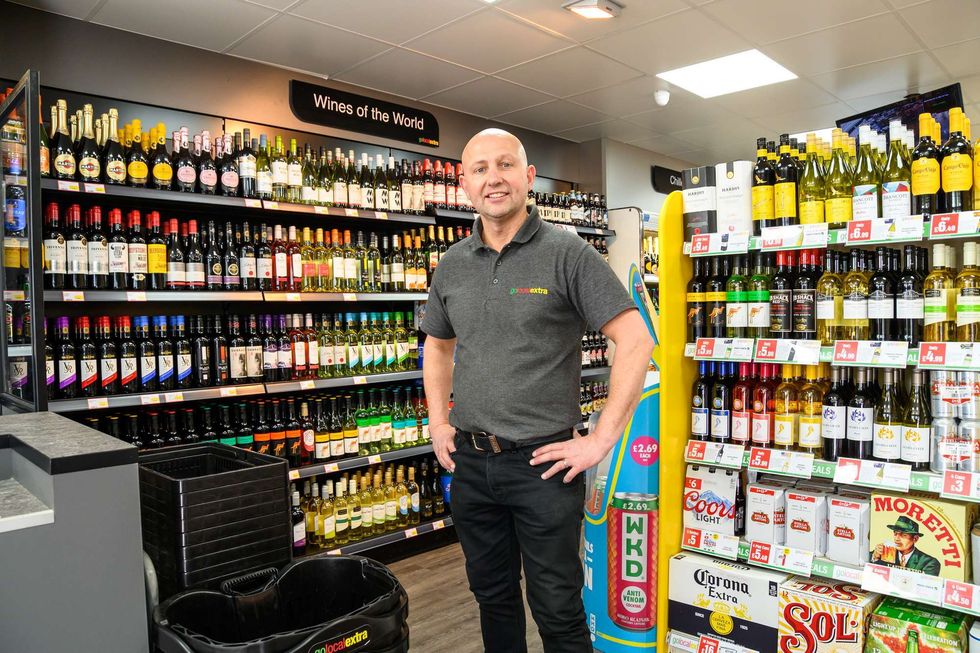 Andy Campbell
Meanwhile, Imtiyaz Mamode, owner and operator of TikTok-famous Premier Gosport, lets sales trends guide product placement.
“If something is selling well or trending, we give it a good position and make sure customers can see it,” he said. “We also move things around and try different places; sometimes a product just doesn’t sell until you move it somewhere more visible.”
For Halloween, Mamode brings the main seasonal sweets and products together and promotes the range on social media, linking the in-store offer with online activity to generate interest and footfall.
In Glasgow, Girish Jeeva, who runs Girish’s Costcutter, puts himself in the shoppers’ shoes when planning his shelves.
“For us it’s all about merchandising and thinking as if we were customers,” he said.
“Products need to have minimum two facings for better visibility. For soft drinks, we use shelf management which always keeps the product neat and tidy and face forwarded.”
How much is too much?
More stock, more signage and more colours do not automatically mean more sales. When everything competes for attention, the shopper can end up seeing very little.
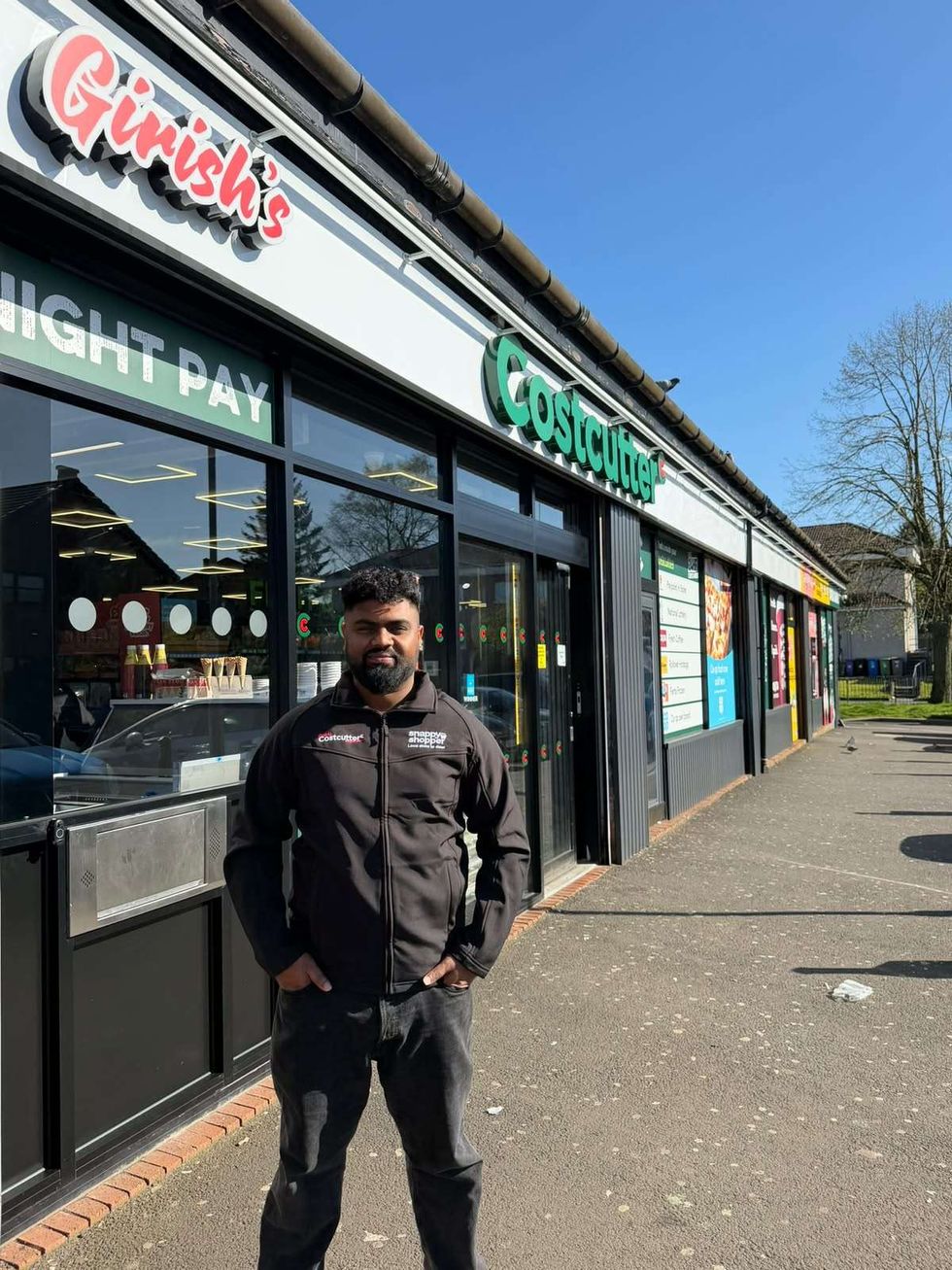 Girish Jeeva
Common pitfalls include overcrowded shelves, unrelated products sharing promotional space and unclear pricing, all of which can make it harder for shoppers to find what they want.
“If everything is trying to stand out, nothing does,” Nikesh pointed out.
“Another mistake is giving too much space to a slow-selling product simply because the packaging or supplier display looks good, while popular products are squeezed into too little space and repeatedly sell out.”
Nikesh also warned that some displays look excellent when first installed but quickly become untidy or empty, saying “merchandising only works if staff can maintain and replenish it easily”.
Veer believes poor organisation can cost retailers sales before customers even reach the till.
“I often see that some retailers don't group products, display them in the correct orientation or don't merchandise categories in the correct way,” he said. “If a customer can't see what they're looking for, nine times out of 10 they won't ask and likely walk out without buying the item that you may stock.
“I also see very often in some stores, bagged sweets are in one section and block bars are kept at the other end. It makes no sense to do this.”
Cross-merchandising can also backfire when products have little relevance to one another. Pandya warns against cluttering promotional bays with non-complementary products.
“Things like cleaning products on same promo bays as confectionery and grocery might be aimed at creating impulse purchases, but it sometimes does not work that way!” he said.
Listing some common oversights, Campbell mentions “ignored till area, gaps in the shelves or messy display, no clear pricing, not putting the best sellers, new products in prominent eye-level hot spots” as common mistakes.
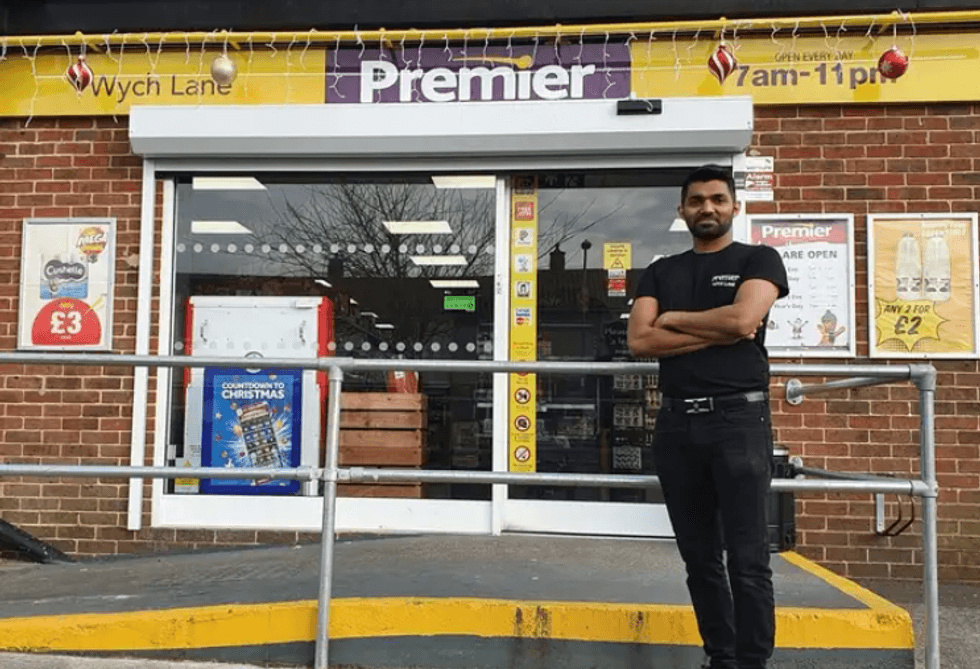 Imtiyaz Mamode
For Mamode, the biggest mistake is allowing a good-looking display with no results to occupy valuable space.
“I think one mistake is giving too much space to something just because the display looks good,” he said. “At the end of the day, if it’s not selling, there’s no point keeping it there. You have to watch what customers are actually buying.”
Best foot forward
The most effective merchandising strategy is not necessarily the most elaborate. It is the one retailers can measure, maintain and adapt.
Nikesh recommends walking the shop floor as a customer would, checking that categories follow a clear order, products are easy to find and every price is visible.
“Give proven best-sellers enough shelf space and keep promotions full. An empty space cannot generate sales,” he said. “Make one change at a time and use EPOS data to compare sales and margin. That tells you whether the change has actually worked.”
Veer advises retailers to group products properly, maximise facings on strong sellers and use colours to make seasonal bays stand out.
“Also, having a clutter-free store makes a massive difference. Most customers do not revisit a store which is cluttered and where iterms are hard to find,” he said.
Pandya’s mantra is straightforward. “Less is more, limit products by double and triple facings, with correct POS/promo pricing shelf talkers, always faced forward to make display look full.”
Mamode encourages retailers to keep testing product placement rather than assuming the first position will work.
“Keep your best sellers visible, keep trying different positions for products, and don’t be afraid to change a display if it’s not working,” he says.
Jeeva’s recommendations are to introduce shelf management where it is lacking, give core products double facings and keep the store clean and tidy, without having too much going on. “Customer experience is key,” he says.
For seasonal events, retailers should focus on early planning, prominent seasonal displays and clear pricing to capture spending, while avoiding leftover stock.
For seasonal events, retailers are focusing on early planning, prominent displays and clear pricing to capture demand while limiting leftover stock. The advice is to prioritise proven sellers, keep displays replenished and use EPOS data to track sales and margins, moving underperforming products when necessary.
For retailers, the test is not how impressive a display looks, but whether it earns its place on the shop floor.