



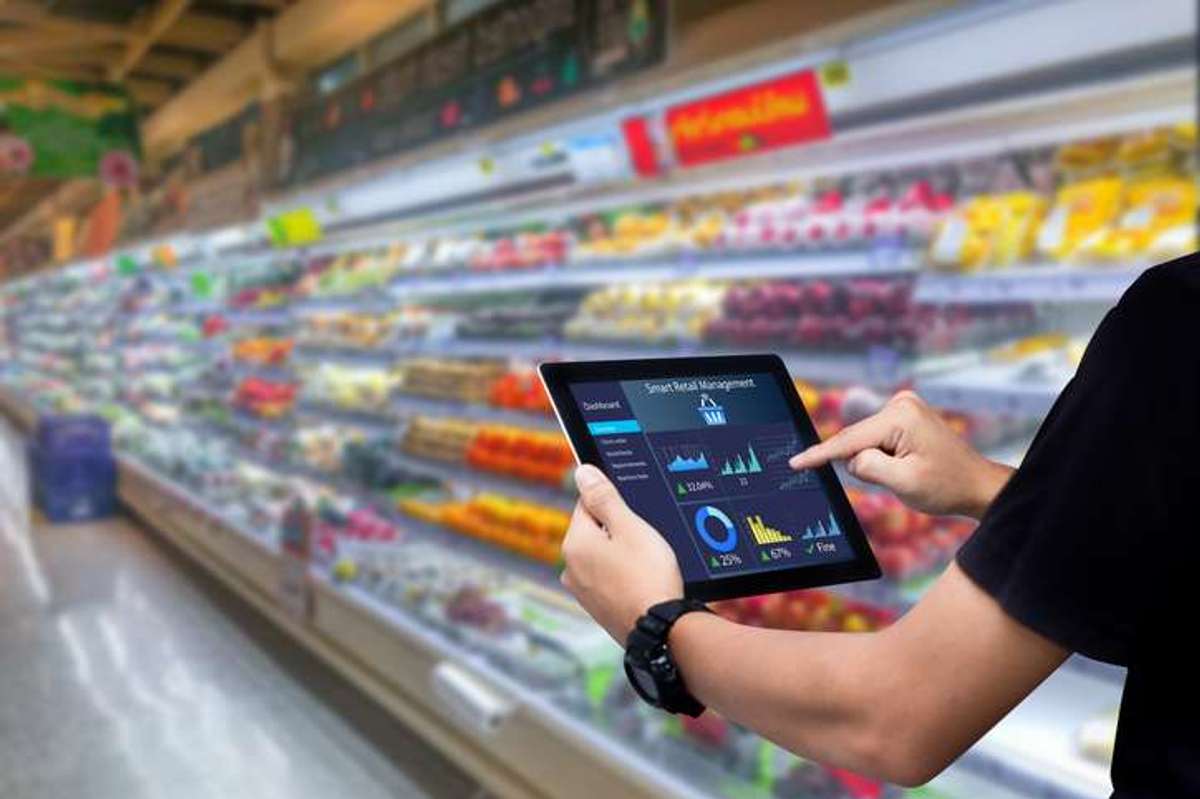

Physical retailers are struggling to meet shoppers' expectations for real-time responsiveness as artificial intelligence reshapes customer experiences, according to new research from retail intelligence platform SAI.
A survey of more than 1,000 UK shoppers found that 35 per cent believe physical stores are falling behind because they cannot match the speed of AI or respond to data as quickly as ecommerce channels. The perception is even stronger among younger consumers, with 51 per cent of Millennials and 48 per cent of Gen Z respondents sharing that view.
The findings come as retailers continue to invest in AI and digital technologies to improve store operations and customer experience.
The research found that 75 per cent of shoppers expect stores to adapt in real time, whether by managing queues more effectively, optimising stock allocation or deploying staff where demand is highest. Meanwhile, 65 per cent said they now expect in-store issues to be resolved as quickly as problems encountered during online shopping.
Despite increasing investment in technologies such as computer vision, AI and store monitoring systems, many shoppers believe retailers are failing to make effective use of the data available to them.
Six in ten respondents (60 per cent) said retailers still have operational “blind spots” and are unaware of what is happening on the shop floor. More than half (56 per cent) felt retailers were not effectively managing store operations, while 55 per cent said physical stores are too slow to respond when problems arise.
“With stores becoming more connected, retailers have never had more opportunities to gain visibility across their estates. Yet too often those opportunities aren't being translated into meaningful operational insight,” said Som Sinha, co-founder and chief executive of SAI.
“By shining a light on what's happening across every location, retailers can elevate all stores to the standard of their best-performing stores, reducing operational drag and delivering the responsive experiences customers increasingly expect.”
The survey also suggests shoppers see greater use of operational data as a way to improve the in-store experience. More than half (53 per cent) said their visits would be improved if retailers used data to better manage store operations, rising to 64 per cent among Millennials.
Nearly three-quarters (74 per cent) agreed that proactively identifying and resolving issues in-store is key to delivering a positive shopping experience.
SAI said its AI-powered platform uses computer vision and generative AI to analyse live video feeds, turning store surveillance systems into operational intelligence tools that provide real-time insights and alerts to improve store performance.