



A prospective tie-up between France's Pernod Ricard and Jack Daniel's maker Brown-Forman would test whether the powerful families behind the two drinks groups can unite to scale up in a slowing global spirits market.
Shares in Pernod, the world's No.2 spirits maker, rose 3.4 per cent on Friday after slumping to a 2009 low the day before when it confirmed merger talks with U.S. rival Brown-Forman.
The companies gave no financial details and said there was no certainty a transaction would result.
Merging Brown-Forman's American whiskey and tequila with Pernod's global distribution and broader portfolio - currently light in both categories - could deliver annual cost savings of as much as $450 million (£338m), according to Jefferies.
It would also create a stronger challenger to global leader Diageo and give the combined group more clout in the critical U.S. market amid intensifying trade tensions.
But with multiple generations of founding family members on both sides, including at the helm of Pernod and throughout Brown-Forman's board, this potential blockbuster union faces unique hurdles, analysts said.
"It's not going to be the easiest of deals to do," said Chris Beckett, analyst at Pernod shareholder Quilter Cheviot. He said finding an arrangement that satisfies family members as well as shareholders could be difficult.
A deal would also not automatically fix the most pressing problem: sluggish sales. Alcohol makers globally are battling a years-long slowdown in demand.
The talks come as the wider consumer goods sector undergoes sweeping change, with a run of CEO departures and major deals. Unilever is discussing selling its food business to smaller rival McCormick, while U.S. cosmetics group Estee Lauder and Spanish perfume company Puig are weighing a potential $40 billion merger.
As of Thursday's close, Brown-Forman had a market capitalisation of almost $12bn. Pernod - home to Jameson Irish whiskey, Absolut vodka and Perriet-Jouet champagne - is valued at around €15 billion (£13 billion).
Century-old grip on spirits
The Brown family has controlled Brown-Forman since its creation in 1870. Fifth-generation descendants of founder George Gavin Brown sit on the executive board, and the family - with well over 100 members including spouses - commands at least 67.5 per cent voting rights, analysts estimate.
The family has long resisted takeovers, making Brown-Forman a tough target, Roth analyst Bill Kirk said. In 2010, it printed a constitution on the company's bourbon labels, underscoring its commitment and control, and in 2017 Brown-Forman rejected an approach from brewer Constellation Brands.
Some analysts said the Browns may demand a significant premium from Pernod to approve a deal. They added that questions over family influence, leadership, headquarters and listing of a combined company could prove contentious.
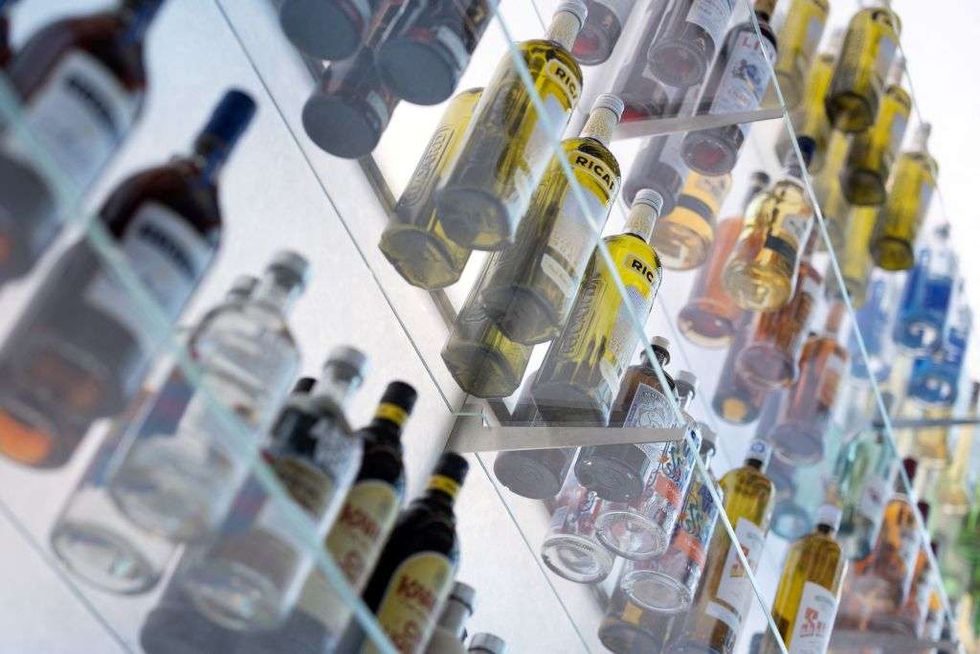 This photograph shows different bottles of alcoholic beverages marketed by the French spirits and wine company Pernod-Ricard, at its headquarters in Paris on January 28, 2025. Photo by JOEL SAGET/AFP via Getty Images
On the French side, Alexandre Ricard, grandson of the founder of predecessor company Societe Ricard, has been CEO at Pernod for 11 years.
The Ricard family controls 21 per cent of voting rights and has a more hands-off role than the Browns, a source familiar with the matter said. There is no clear family successor to Alexandre, and other members hold no significant board roles, the person added, saying talks between the companies were advanced.
Big premium risks increasing leverage
One niggle for Pernod and its investors is whether it would need to pay a premium.
J.P. Morgan analysts said it was unclear whether Pernod could realistically pursue such a large deal given its already stretched balance sheet. Its net debt was 3.8 times core earnings (EBITDA) at the end of December and could rise further if a premium is required.
That could also dilute expected benefits for Pernod shareholders, Quilter Cheviot's Beckett said.
"The economic benefit of those synergies could end up with the Brown-Forman investors and the Brown family rather than Pernod investors," he said.
(Reuters)