



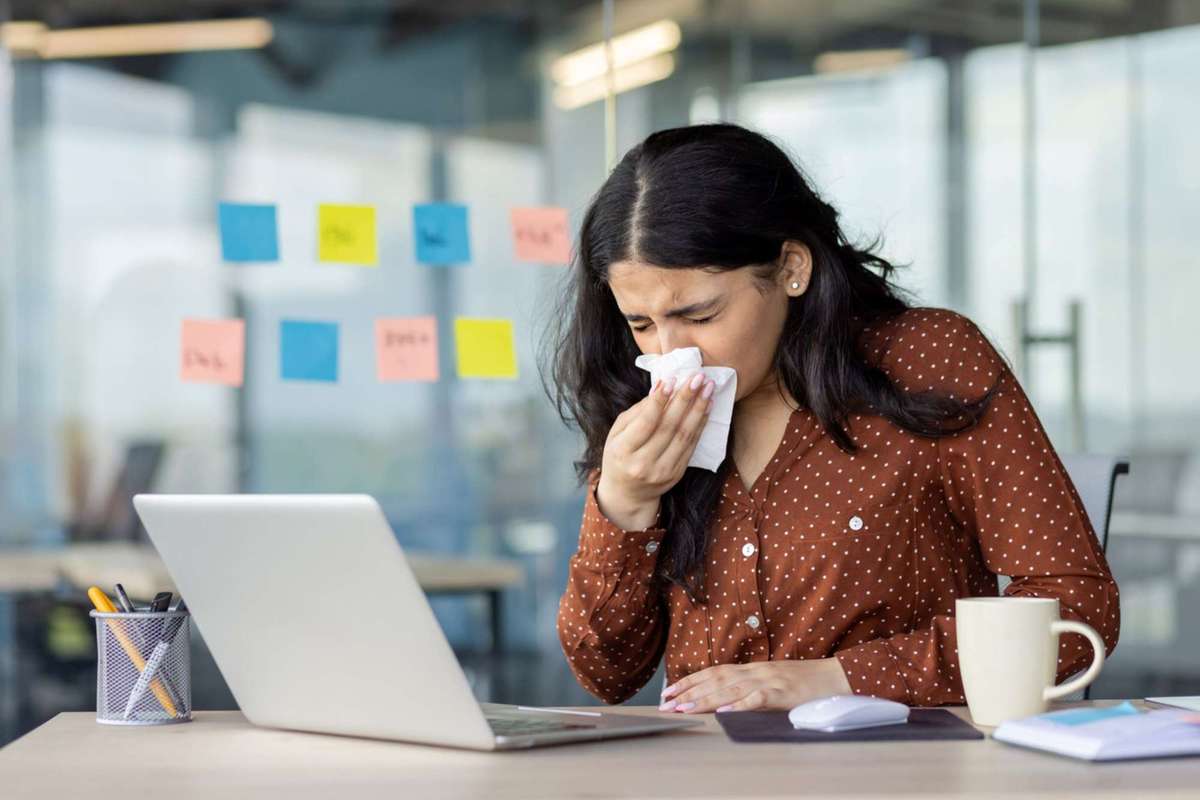

- New Olbas Winter Recovery Report reveals 86% of workers have carried on working while unwell, despite 74% saying staying home is the responsible thing to do
- Only 10% always take sick leave when unwell, highlighting a ‘winter recovery gap’
- Gen Z are the most likely generation to take a sick day, with 21% doing so compared with just 7% of Boomers
- There is a clear need for practical guidance, as 22% of workers want greater confidence in how to manage symptoms, while 21% want to know which medicines or remedies could help
Olbas has launched its Winter Recovery Report, a new study exploring how Britain responds to seasonal illness and the tension between knowing when to rest and feeling able to step away from work.
The research, conducted by OnePoll among 2,000 UK adult workers, found that nearly nine in 10 workers (86 per cent) have continued working while unwell. This is despite almost three quarters (74 per cent) agreeing that staying at home is the responsible choice for themselves and others.
The findings reflect a widespread "soldier on" culture. A quarter of workers believe it is not acceptable to take time off for cold or flu-like symptoms, 13 per cent feel guilty and nine per cent worry about how their absence will be perceived. At the same time, 72 per cent are concerned about passing illness on to colleagues if they continue working.
The Olbas Winter Recovery Report shows that attitudes and actions are not always aligned: While only 10 per cent say they always take sick leave when unwell, 25 per cent would rather keep working unless they are seriously ill and 12 per cent often dismiss their symptoms as ‘just a cold’.
Across the generations of workers, more than one in five 18 to 29-year-olds (21 per cent) tend to take a sick day when unwell, compared with 17 per cent of Millennials, 11 per cent of Gen X and 7 per cent of Boomers. 70 per cent of workers believe times are changing and that older generations faced greater pressure to work through illness.
“The research points towards a ‘winter recovery gap’," said Dr Roger Henderson, NHS GP and spokesperson for the Olbas, who is collaborating on its Winter Recovery Report. "The issue isn't simply whether people know they should rest, it's about feeling able to give yourself permission to do so.
“‘Powering through’ work when we feel unwell can become deeply ingrained, so we convince ourselves that because a medicine has made us feel better, or because we can get through the working day, we must be well enough to carry on. However, symptom relief and recovery aren't necessarily the same thing.”
The report also points to an information opportunity for pharmacies and retailers during the winter season. More than one in five consumers (22 per cent) say knowing how best to manage symptoms would make them more confident about when to rest and recover, while 21 per cent want to know which medicines or remedies could help relieve their symptoms.
Consumers already use a mix of everyday recovery behaviours and OTC support. Sixty-two per cent drink plenty of fluids, 60 per cent prioritise sleep, 56 per cent make sure they get enough rest and 47 per cent take over-the-counter cold or flu remedies.
Dr Henderson added: “Rest, sleep and hydration are some of the best things people can do to help themselves recover. Over-the-counter medicines can have an important role in easing symptoms.
“Simple measures can also help with individual symptoms - for example, warm drinks can soothe a sore throat, natural decongestants can help to ease a blocked nose, and keeping hydrated can help when you're dealing with respiratory symptoms.
“There’s also some evidence for using the herbal ingredient Pelargonium, as studies suggest that Pelargonium extract may reduce the severity of an acute cough and help symptoms resolve somewhat sooner. Ultimately though, recovery is all about recognising when your body needs you to slow down.”
The Winter Recovery Report forms part of Olbas’ Road to Recovery campaign, which encourages consumers to better understand the full recovery journey and the different needs that can arise along the way. By promoting responsible recovery, practical self-care and greater understanding of symptom management, the campaign seeks to help consumers feel more confident about the choices they make when seasonal illness strikes.