



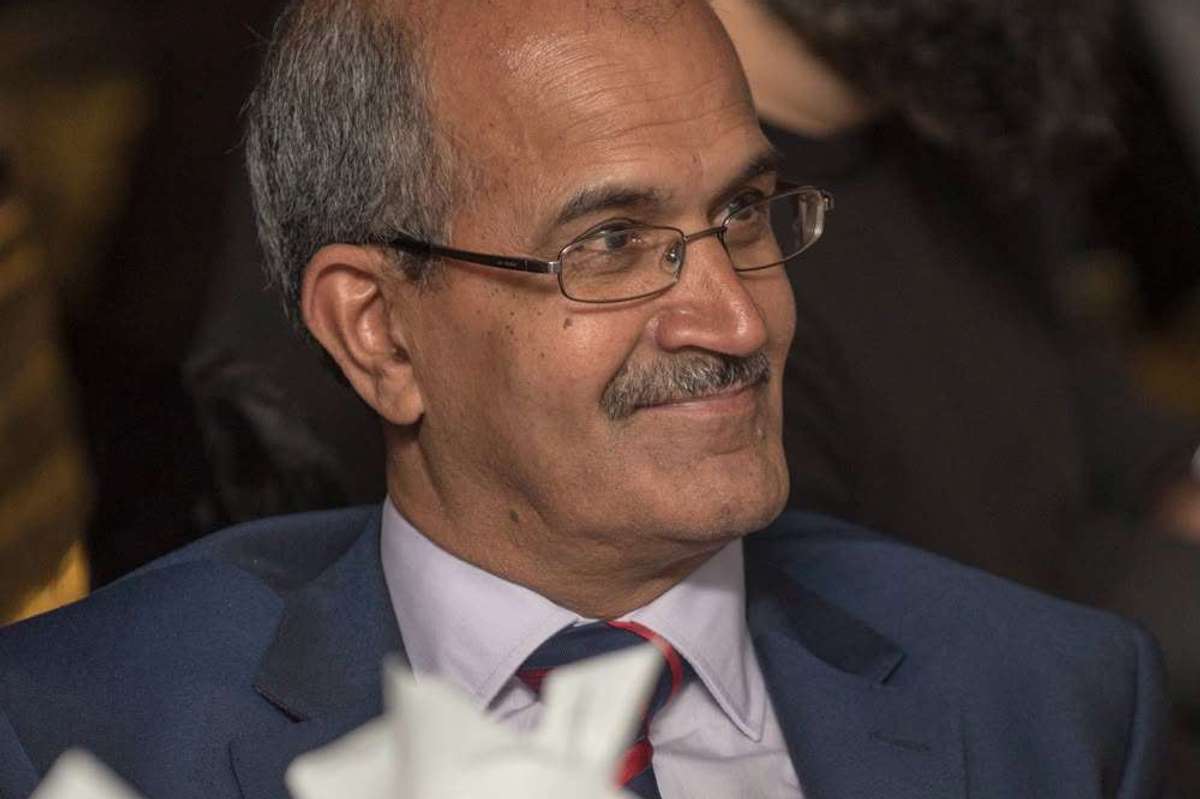

From a single convenience store opened with money borrowed from family to a nine-store, £70m family-led supermarket business, Mohammed Altaf’s PAK Foods story is one of scale built without losing sight of the independent retailer’s original purpose which is serving communities with quality, value and choice.
PAK Foods traces its roots to 1989, when the family opened its first convenience store in Radford, Nottingham. The business grew from those modest beginnings into a network of nine supermarkets across Nottingham, Derby, Leicester, Stoke-on-Trent, Burton-on-Trent and Peterborough.
The stores range from 4,000 to 12,000 sq ft and are designed around the needs of their individual communities.
That local focus is central to the business. Rather than attempting to impose one uniform proposition across its estate, PAK Foods says each store is tailored to its customer base, with extensive world-food ranges, fresh halal meat counters and competitively priced everyday essentials.
The offer combines halal-certified products, world flavours and familiar brands, while its independence gives the business the freedom to adjust ranges and formats as customer demand changes.
The company’s first purpose-built supermarket, opened in Normanton, Derby, in 1996, proved a significant test of that philosophy. The family invested in an area that was widely regarded as high-risk at the time, with the store subsequently becoming part of the area’s regeneration.
It established a pattern that has continued throughout PAK Foods’ expansion: identifying opportunities where others may be less willing to invest, then building a proposition around the community.
Today, PAK Foods is a substantial independent operation. It is a £70m family-led business employing around 300 people across nine stores in the Midlands. The next generation has now taken a leading role in operations, with the business continuing to invest in new stores, refurbishments, property and diversification into new markets.
But commercial growth is only one part of Altaf’s case for independent retail. Community engagement has been woven into the business from the beginning. PAK Foods has supported local food banks, sports clubs, domestic abuse charities and school refurbishment projects. During the Covid-19 pandemic, it delivered more than 300,000 food parcels to vulnerable people and frontline workers.
The creation of the PAK Foundation has taken that commitment further, including plans for a sustainable educational campus in the family’s native village. It reflects the same long-term approach that has shaped the retail business: investment intended to leave something behind rather than simply generate a short-term return.
Altaf’s operation is sizeable, but its proposition remains distinctly independent. The business uses a broad network of suppliers, including Bestway, Nisa, Vibrant Foods, AIB Foods, Gafbros, KTC, Westmill, Wanis, Livery Foods, Regal Foods, Natco and East End, among others. It belongs to both a symbol group and buying group, while the stores are described as large-format independent supermarkets.
The judges awarded Altaf 202 points, with 10s across most of the key store measures, including kerb appeal, welcome, cleanliness, merchandising, grocery, confectionery, soft drinks and customer service.
After three decades, PAK Foods is still built around the same basic proposition that launched the business: make good-quality food accessible, understand the communities being served and keep moving forward. The difference is that what began as one small store has become a sizeable independent retail operation with ambitions for another chapter of growth.