



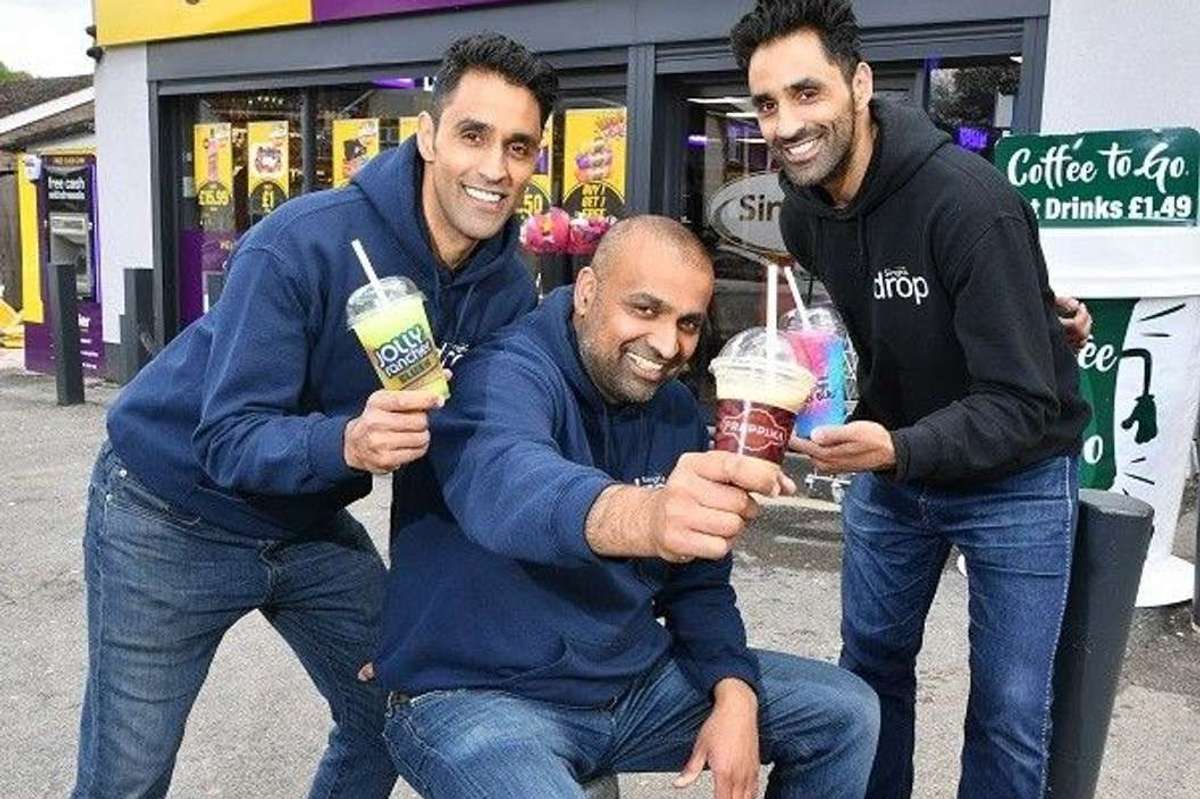

Mandeep Singh’s approach to home delivery began long before it became a serious commercial proposition. For his Singh's Premier stores in Sheffield, delivering groceries was initially about looking after elderly, unwell and isolated customers who could not get to the shop.
Today, his own rapid delivery app, Singh’s Drop, is a substantial operation in its own right, built around the family’s belief that convenience delivery should remain personal, independent and customer-focused.
The family’s retail journey began in 1988, when Singh’s parents took on the store on Teynham Road, Sheffield. Singh was just 11.
Today, Singh and his family own and operate three stores, alongside other stores that they lease out. But convenience retail remains his main passion and delivery has become an important part of that operation.
The turning point came during Covid. As the family’s social media presence grew, a local taxi company offered to deliver its orders. The arrangement lasted around three months, but a 15% commission made the model unsustainable. Rather than accept the economics, Singh decided to build something of his own. Singh’s Drop was born.
Singh’s Drop now operates with a fleet of 14 cars and is entirely cashless, delivering throughout the year, including Christmas Day, Easter bank holidays, New Year’s Eve and New Year’s Day. Its best week has generated £58,000 in delivery sales, while even a quieter week brings in around £48,000.
Social media has become an important commercial tool alongside delivery. With more than 30,000 Facebook followers, the business has built relationships with suppliers and gained access to new products, sometimes before they reach wholesalers. The digital audience has therefore become more than a marketing channel; it has helped shape the buying side of the business too.
What makes the model particularly distinctive is the decision to retain control over the customer relationship. Customers pay a delivery fee rather than a commission, while Singh’s Drop retains its own identity rather than becoming simply another outlet on a third-party platform.
That philosophy reflects the wider family business. The original stores were built around availability, presentation, customer service and persistence. Delivery has taken those principles beyond the four walls of the shop.
Singh’s story is therefore less about adding an app to a convenience store and more about rethinking what a convenience business can be. The delivery operation has become a standalone identity, but it remains rooted in the same principle that shaped the family business from the beginning: understand the customer, work hard for them and keep finding a way to move forward.