



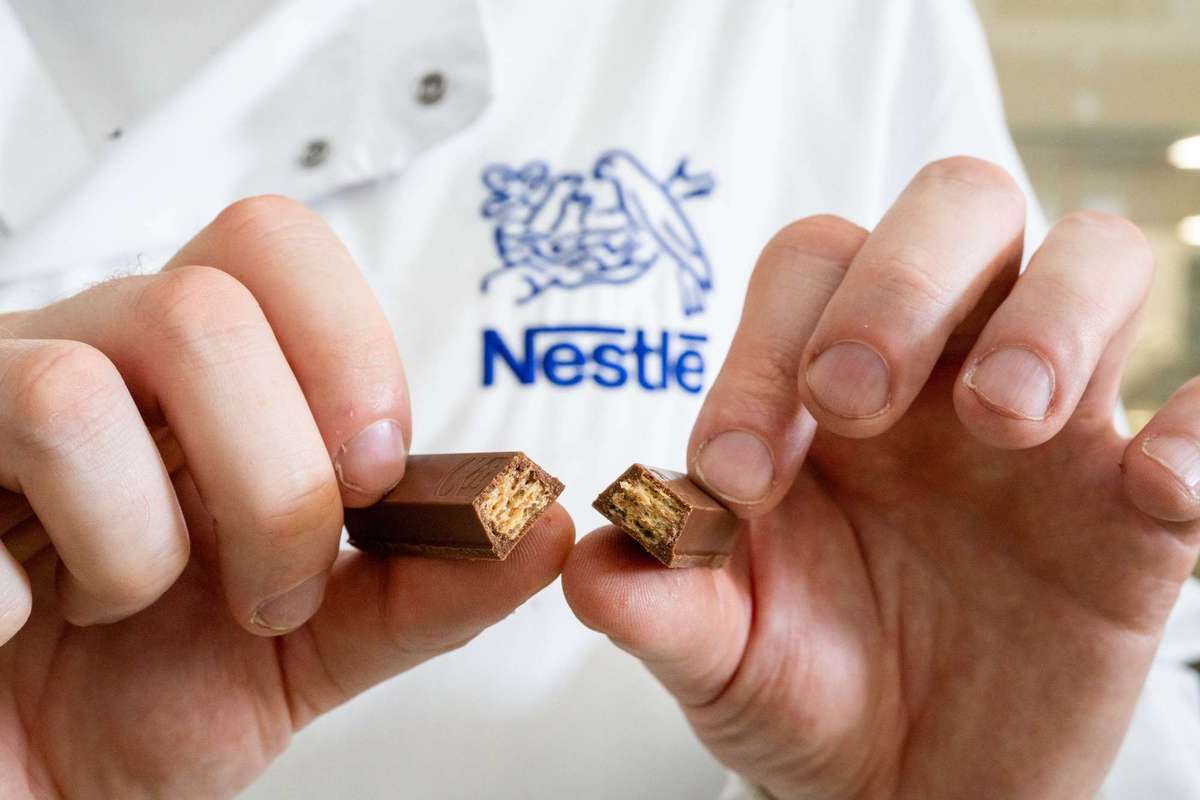

Nestlé has partnered with regenerative farming brand Wildfarmed to incorporate British-grown regenerative wheat into KitKat, in a move aimed at supporting more sustainable agricultural practices while strengthening the environmental credentials of one of the UK's best-known confectionery brands.
The collaboration will see wheat grown by Wildfarmed's network of British farmers used in the wafer component of the 1.5 billion KitKat bars produced annually at Nestlé's York factory.
Trials began last year and the company has now started integrating a proportion of the regeneratively farmed wheat into production, with no change to the product's taste or signature snap.
The initiative forms part of Nestlé's wider sustainability strategy and comes as major food manufacturers increasingly seek to reduce the environmental impact of their supply chains through regenerative agriculture.
Wildfarmed works with farmers who follow a set of standards based on regenerative farming principles, including reducing soil disturbance, maintaining year-round soil cover, increasing crop diversity and keeping living roots in the soil. The approach is designed to improve soil health, support biodiversity, reduce water pollution and help lower carbon emissions.
Dr Emma Keller, head of sustainability at Nestlé UK and Ireland, said the partnership would help support British farmers while advancing the company's environmental goals.
"We're thrilled to be working with Wildfarmed," she said.
"This collaboration is all about making the KitKat everyone has known and loved for the last 90 years in an even more sustainable way, all while supporting British wheat farmers to adopt regenerative farming practices that are intended to support carbon reduction and increase biodiversity.
"As a large food and drink company with a diverse supply chain underpinned by a network of farmers, collaboration is essential to help us achieve our sustainability goals. Wildfarmed is helping us lead the charge to ensure that our much-loved KitKat bars are made with sustainability at their core."
Wildfarmed was founded by entrepreneur and musician Andy Cato, broadcaster George Lamb and farmer Edd Lees to promote farming methods that restore soil health and encourage biodiversity.
Lees, Wildfarmed's chief executive and co-founder, said the partnership represented a significant milestone for regenerative agriculture.
"Wildfarmed exists to make resilient, nature-rich farming mainstream," he said.
"For too long, nature has effectively been priced at zero in our food system. Farmers have been pushed to maximise yield, often at the expense of soil, biodiversity and resilience.
"1.5 billion KitKat bars are made every year in the UK. Partnering with Nestlé to use regenerative British wheat is a big step forward in our mission to make regenerative farming the default, not the exception, and prove that nature restoration can sit at the heart of iconic brands."
The move builds on Nestlé's existing relationships with British farmers, including a 22-year partnership with dairy co-operative First Milk, whose members supply milk used in chocolate products made in Yorkshire and coffee products manufactured in Cumbria.