




The talk about pressures facing independent retailer usually focuses on business rates, energy bills, wages, and crime. These are the battles that keep us up at night. But there's another that regularly catches retailers out, and many shop owners don't even realise it exists until they get a letter demanding money.
I'm talking about music licensing – a hidden cost that can blindside even the most careful business owner.
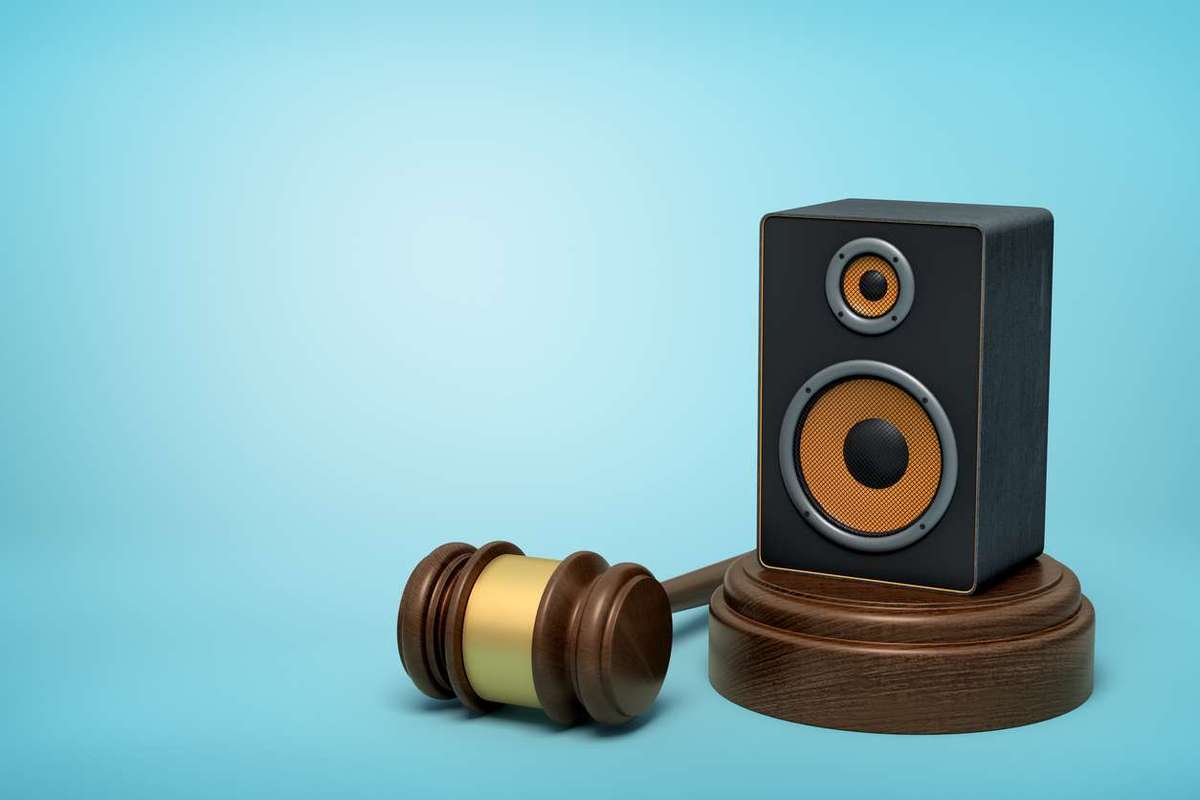
It sounds straightforward: You want music in your shop to create atmosphere, so play the radio or stream something. What could possibly be complicated about that? But if you're playing music in a commercial space, you need a music licence from Performing Right Society (PRS) and Phonographic Performance Limited (PPL). Whether radio, CD or Spotify, if customers can hear it, you need a licence.
There are around 60 different tariffs depending on the type of business you run, the size of your space, your equipment, and a dozen other variables. A small independent shop pays less than a restaurant, which pays less than a leisure facility. And working it out yourself is hard – the system is deliberately opaque.
PRS and PPL have become increasingly aggressive in tracking down retailers without licences, and the consequences are severe. If you're caught playing music without a licence, you face a 50 per cent premium on top of whatever the standard costs would have been. Add in late payment fees, and the bill can spiral quickly. We've had retailers tell us stories of £700 demands for single shops, escalating into thousands of pounds, with aggressive letters and even staff being confronted in-store.
But here's the thing: there's an alternative. Royalty-free music is designed specifically for retail environments. It's not cheap, but it's on average 70 per cent cheaper compared to standard PRS and PPL costs.
Background Sounds, for example, has been supporting 1,000 retailers with royalty-free music solutions. They offer 67,000 tracks across dozens of playlists, updated regularly, all accessible via a simple streaming platform, curated and inoffensive. Retailers prefer it to radio.
So, don't wait until you get caught out. Understand your obligations and explore your options. If you go the traditional route, that's fine. If you go for royalty-free, you'll save money and have less stress.
And for Bira members, there's an additional incentive. We've negotiated a discount with Background Sounds, making it even more cost-effective. You can find the full podcast episode by searching for 'High Street Matters Bira' online.
Indies face enough cost pressures without adding unnecessary risk and expense on top. Music licensing is one area where you can take control.