



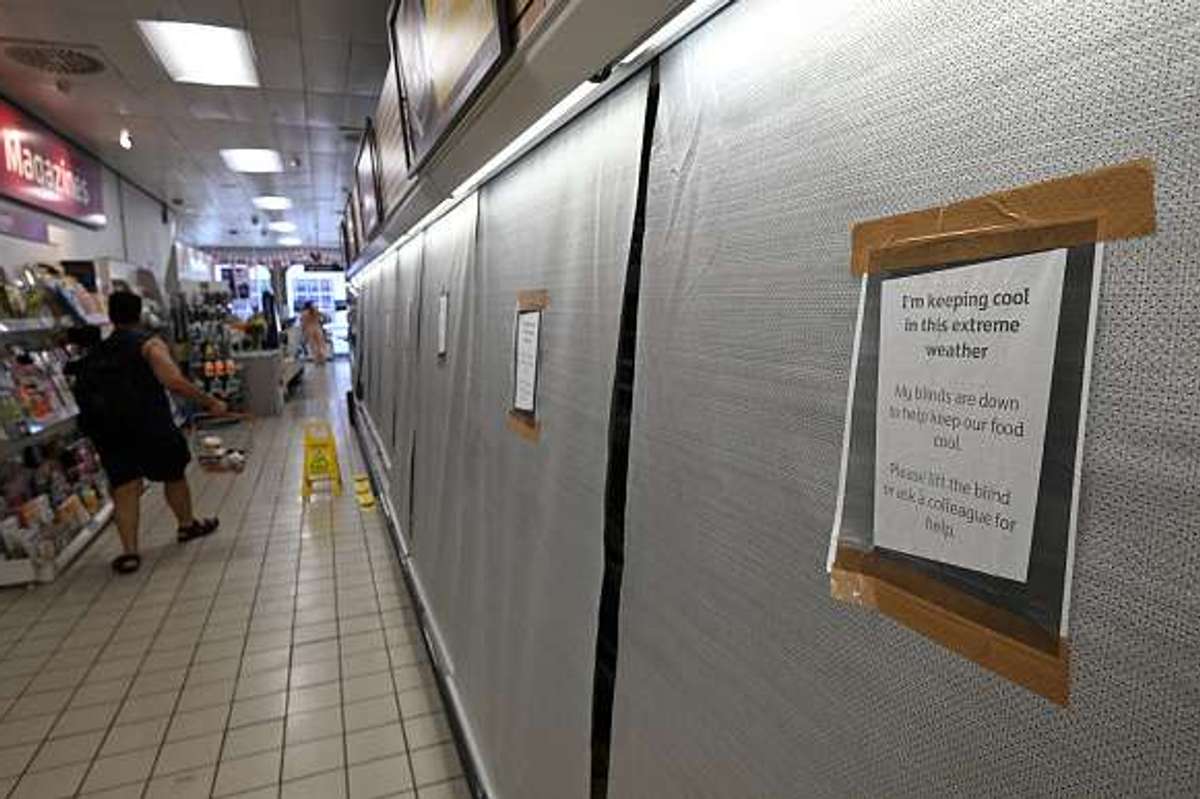

Britain's increasingly frequent heatwaves are exposing a growing vulnerability in supermarket infrastructure, with major grocers facing refrigeration failures that have disrupted fresh food supplies and prompted fresh investment in more resilient cooling systems.
After supermarkets across the UK battled fridge breakdowns during last month's record-breaking heat, Marks & Spencer has announced it is investing in refrigeration equipment capable of operating in temperatures of up to 45C, following what chief executive Stuart Machin described as significant operational challenges.
Speaking at the retailer's annual general meeting in London on Tuesday, Machin admitted the business had "struggled" during the recent spell of extreme weather, when temperatures around some stores reached as high as 45C.
"There is no doubt we were struggling in the nine days of [recent] extreme heat," he told shareholders.
"Now we're investing in equipment in our stores to deal with temperatures of 45C. We're reviewing all our refrigeration as well."
The announcement comes after the UK recorded its hottest June day on record last month, with provisional temperatures reaching 37.7C, close to the UK's all-time high of 40.3C recorded in 2022. The Met Office has also warned that a third heatwave of the summer is set to arrive this week.
The June heatwave caused refrigeration problems at supermarkets and food stores across the country, affecting outlets in Wales, the Forest of Dean, Oxfordshire, Manchester and Birmingham. The equipment failures left some retailers unable to keep chilled products at safe temperatures, leading to shortages of fresh items including milk and meat.
The challenges have not been limited to M&S. Last week, Sainsbury's chief executive Simon Roberts said staff and suppliers had been "working around the clock" to keep refrigeration systems operational during the extreme heat.
Roberts said the retailer is investing "hundreds of millions of pounds" in new refrigeration equipment, with around 100 stores set to receive upgrades.
Morrisons also issued customer notices after refrigeration units failed in some of its stores during the hot weather.
According to Rupert Ashby, the problems highlight how many older supermarket estates were never designed to withstand the increasingly frequent periods of extreme heat.
Ashby said refrigeration systems in legacy stores were not built for "regular periods of severe heat that are becoming more common."
The latest investments by major supermarket chains reflect growing recognition that climate resilience is becoming an operational priority, with retailers increasingly forced to adapt store infrastructure to cope with hotter summers while maintaining food safety and product availability.