



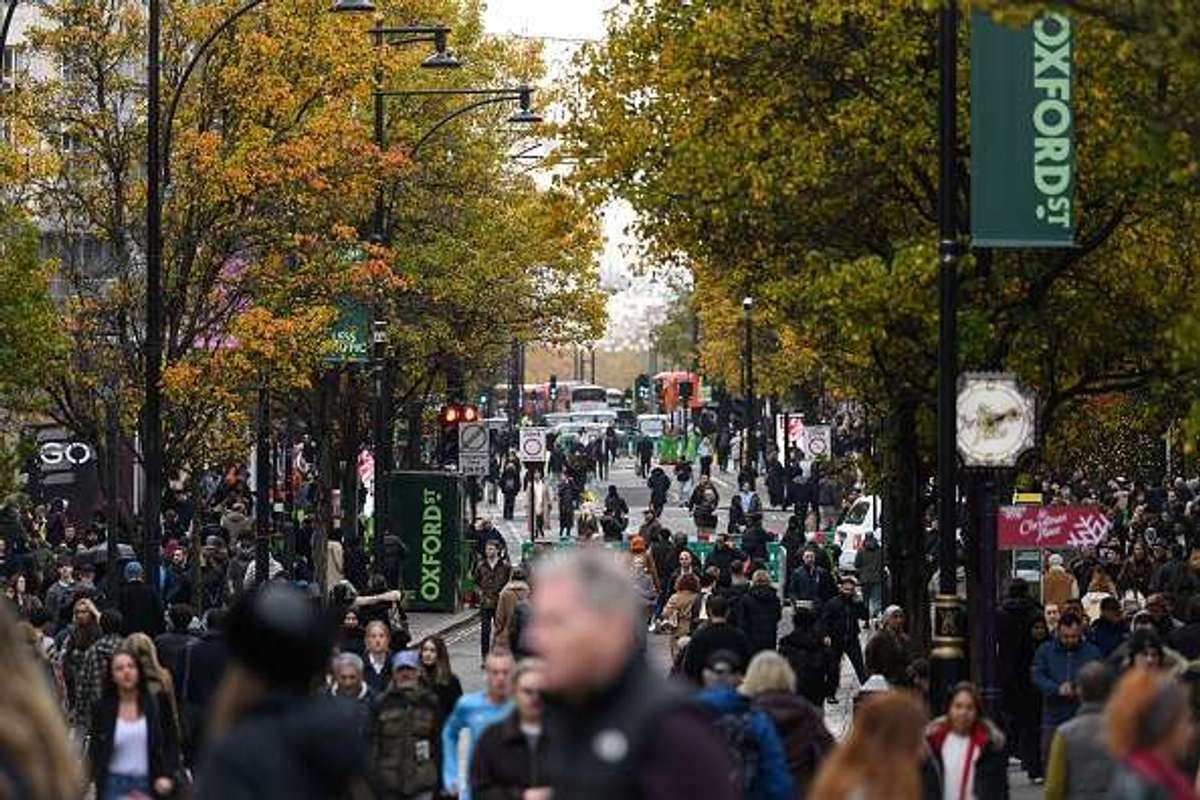

British retail sales volumes unexpectedly rose 0.7% in October compared with September, bolstered by a government call for households to stock up on long-life items as well as stronger clothing sales, official figures showed today (Nov 20).
Last month, Britain's government advised the public to keep three days of emergency supplies at home, a message it said had been hammered home by online computing security flaws, as well as a record-setting summer of heat, drought and wildfires.
Food stores reported a 0.8% rise in sales volumes in October after a 0.3% drop the month before, the ONS said, while cooler weather also boosted sales of autumnal clothes after a warmer than usual September.
"Supermarkets have told us that sales of long-life food items such as tinned food and UHT milk were boosted by the government's 'Be Ready' campaign," Office for National Statistics Chief Economist Grant Fitzner said.
There was no immediate market reaction to the data, which retail analysts said shed little light on longer-term trends."An unexpected recovery in retail sales in October underlines the current fickle nature of consumer confidence. The increase in sales ... is probably a one-off which hides the challenge facing retailers as they head into the crucial festive trading period," said Rajeev Shaunak, head of consumer at accountants MHA.
Consumer sentiment had fallen sharply in October, according to Britain's longest-running measure of it, as rising fuel bills and borrowing costs squeezed households, although November data released earlier on Friday showed a small recovery.
Consumer price inflation rose to a one-year high of 3.6% in October, and the Bank of England forecast it would reach close to 5% in the middle of next year when it raised interest rates for the first time in three years this month.
Commenting on the figures, Jacqui Baker, partner and head of retail at RSM UK, said: “Surprisingly, retail sales rose in October as the weather turned autumnal and the country braced for storm Austen and Boelo, prompting consumers to shop online.
“The hope is that retailers see this spending continue throughout the festive period, following what has been a tough year. Value for money remains key for consumers as discretionary income continues to be squeezed.
“Nearly three-quarters (74%) of consumers are planning to spend over the Black Friday and Cyber Monday weekend*, so the pressure is on retailers to get their promotional activity right. Discount too much and they could suffer a hit to margins, but if offers are better elsewhere, they may struggle to shift excess stock.
“Retailers will want to see out the year with some Christmas cheer before consumers batten down the hatches in the New Year as energy costs skyrocket and inflation ramps up further.”
Thomas Pugh, chief economist at RSM UK, added: “The rise in retail sales in October suggests that consumers kept spending as we entered Q4. That reassures us that the economy’s recent run of strength can continue throughout the final quarter of this year.
“What’s more, the rebound in consumer confidence in November was driven by an improvement in households’ major purchasing intentions – the part of consumer confidence most associated with spending – despite rising inflation, subdued wage growth and the prospect of further rate hikes. That means we think that consumers remain willing to soften the impact of higher energy prices on spending through slightly lower savings.
“However, those cost-of-living pressures are only set to get worse over the winter. Utility bills are likely to rise by around 25% in January, and inflation will peak above 4.5% in the new year. We expect real household disposable incomes to trend downwards until Q2 2027 before beginning to recover.
"Overall, consumers will face a challenging next six months or so, but high savings and the economy’s resilience so far, suggests spending growth will slow rather than collapse.”