




Forecourt retailers face greater pressure to keep their fuel pricing competitive and their data accurate, after the government confirmed that near real-time petrol and diesel prices are now being displayed on Google Maps.
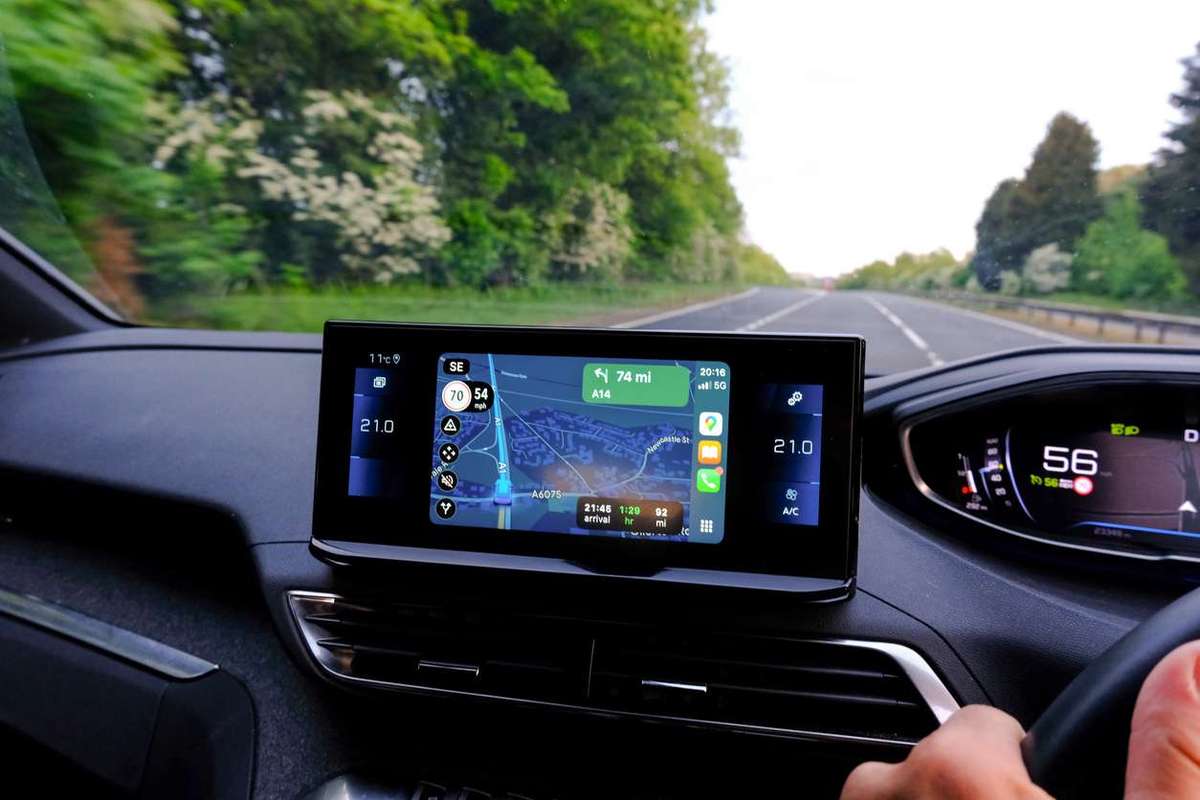
The move, announced today (8 October), means motorists searching Google Maps for nearby fuel stations can see current petrol and diesel prices and compare forecourts before deciding where to fill up.
For retailers, the development brings fuel-price transparency to a much larger audience and could make differences in local pump prices more visible to customers.
The government said around 99 per cent of all fuel sold on UK roads is now reflected in Fuel Finder data, which is already being used by apps including Waze, Petrol Prices, the AA, Confused.com and RAC Fuel Watch.
Retailers must report price changes promptly
The integration also highlights the importance of forecourts keeping their Fuel Finder information accurate.
Since February, petrol stations have been required to report their fuel prices within 30 minutes of a price change, with the risk of a fine for non-compliance.
The Competition and Markets Authority (CMA) can take action where there is evidence that petrol stations are not complying with the requirements.
The government said the overwhelming majority of petrol stations are already submitting their data promptly.
Price competition becomes more visible
The government said the ability to compare prices could save a car-owning household around £40 a year, particularly as fuel prices remain under pressure from the ongoing conflict in the Middle East.
Energy Consumers Minister Polly Billington said petrol and diesel are "essential goods" for many families and businesses, adding that access to the cheapest fuel should be simple.
“It is a gamechanger for near real-time fuel prices to be shown on Google Maps for the first time in the UK, helping drivers to find the best deal and save money at the pump,” Billington added.
Sarah-Jayne Williams, director of global product partnerships for geo at Google, said: “Navigating fuel rising costs shouldn’t add stress to everyday journeys. Integrating Fuel Finder data into Google Maps and Waze gives drivers visibility on nearby pump prices, helping drivers make intentional choices to help their budgets go further this winter.”
What does it mean for forecourts?
The key change for retailers is not a new pricing requirement – the 30-minute Fuel Finder reporting obligation has already been in place since February – but the scale and visibility of the information.
With Google Maps potentially putting pump prices in front of a much wider pool of motorists, retailers may find that local price differences are harder for customers to overlook.
That could increase the importance of monitoring competitors' prices and making sure any changes to pump prices are reflected promptly in Fuel Finder.
For forecourts competing on more than fuel, there could also be a knock-on effect for convenience sales. A motorist choosing a forecourt based on its displayed fuel price still represents a potential shop visit, making fuel price visibility another factor in the battle to win the wider basket.