



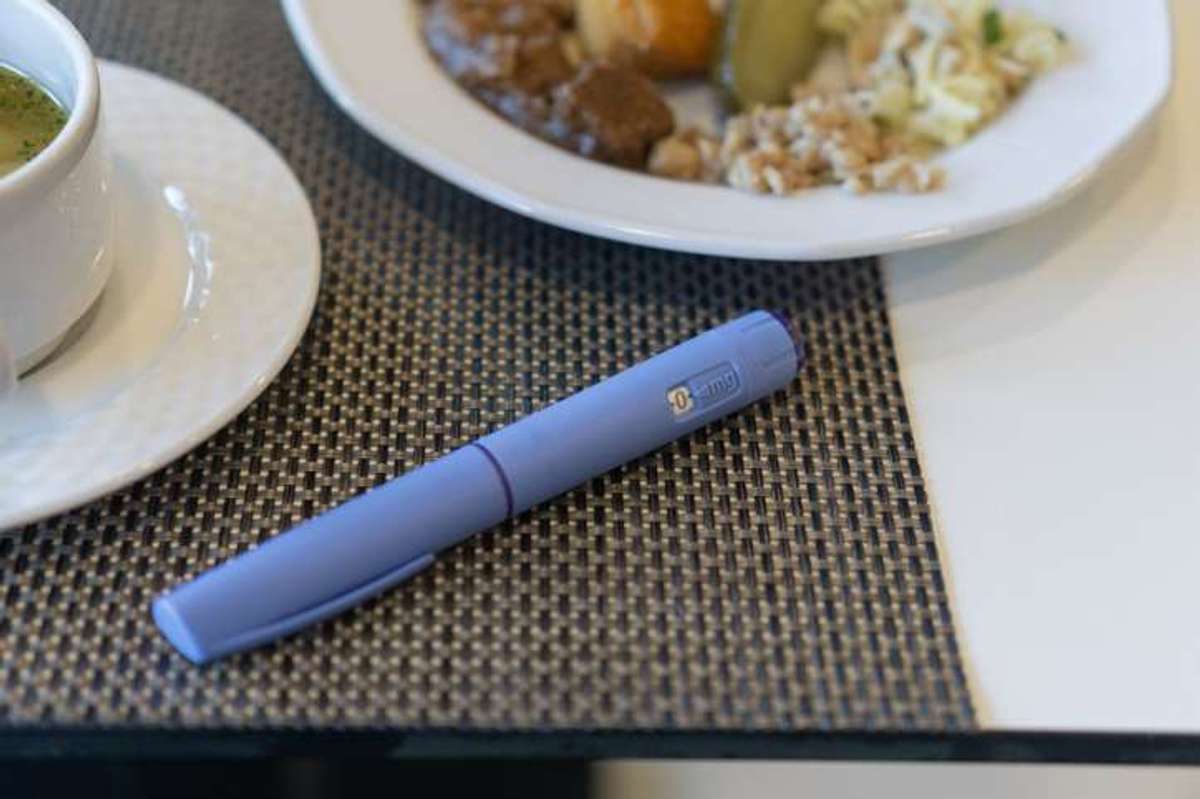

The rising use of GLP-1 weight-loss drugs among Britons is beginning to influence grocery purchasing habits, with early signs of lower overall spending on traditional impulse and convenience categories such as snacks and fizzy drinks.
New insights from YouGov’s Health and Wellbeing Tracker released on Friday (March 6) suggest that shoppers using weight-loss medications are buying fewer snacks and convenience foods while increasing purchases of more nutrient-dense products such as vegetables, fish and supplements, a trend that could gradually reshape demand across the grocery sector.
For convenience retailers, the development presents both risks and opportunities as consumer priorities evolve.
Early adoption already visible
According to the research, around 8 per cent of Britons say they have already used weight-loss drugs, while 14 per cent would consider using them in the future, suggesting the potential for wider uptake in the coming years.
Major grocery and food businesses are already responding.
Supermarkets including Marks & Spencer, Morrisons and Ocado have begun introducing product ranges designed to appeal to shoppers using weight-loss medication, while quick-service restaurant chains such as Itsu are offering smaller portion options to cater for reduced appetites.
Clear shift in food choices
The data indicates that people taking GLP-1 drugs tend to rethink their diets and grocery baskets.
Among users:
- 38% report eating more vegetables
- 23% say they consume more vitamins
- 21% are eating more fish or seafood
Many are also increasing purchases of protein products, supplements and fresh ready-to-eat meals, pointing to a stronger focus on nutrient-dense foods.
At the same time, traditional impulse and convenience categories appear to be losing share of the basket.
- 64% say they eat fewer snacks
- 53% report cutting back on fast food
- 39% drink less alcohol
- 33% consume fewer fizzy drinks
For convenience retailers — where snacks, soft drinks and impulse purchases often drive basket spend — this could signal gradual category shifts if adoption continues to grow.
Grocery spending falls
The behavioural changes are already translating into lower food spending.
People currently using weight-loss drugs spend around £91 per week on groceries, compared with £102 before starting treatment — an 11 per cent drop.
Spending on takeaways shows an even sharper decline, falling from £49 to £30 per month, a 19 per cent reduction.
The trend appears to continue even after users stop taking the medication. Former users spend around £100 a week on groceries, down from £107 previously, while takeaway spending falls from £49 to £40 per month.
Long-term implications for grocery retail
Industry observers believe the growth of GLP-1 drugs could gradually reshape consumption patterns across the food sector, especially if usage becomes more widespread.
Ag Hoffmann, YouGov’s Lead Healthcare Director said, "The rise of GLPs is having a huge impact on the grocery and takeaway market. Whilst the number of users is relatively low at the moment, this is only going to increase in the future, creating both opportunities and threats to the wider market from QSRs to grocers, we also expect to see impact across other sectors like leisure and retail. YouGov will continue to monitor these trends."