




The rise of “Jab-uary” highlights a transformative moment for the food and drinks industry as injectable GLP-1 drugs such as Ozempic and Wegovy accelerate rapid weight loss adoption, driving demand for tailored nutrition and portion-controlled products.
Retailers and food and beverage brands are entering a pivotal new era of product design, as willingness to try weight-loss drugs rises.
According to a Q3 2024 consumer survey by GlobalData, 27 per cent of global consumers say they would try new weight-loss drugs.
GLP‑1 use is rising fast.
According to a new study by researchers at the University College London (UCL), 1.6 million UK adults used weight loss drugs in the past year, and one in eight US adults report taking a GLP‑1 drug, according to the latest KFF poll.
Mark Jephcott, Associate Consumer Analyst at GlobalData, comments, “GlobalData’s Pharmaceutical Intelligence Center forecasts reveal that global GLP‑1 sales are set to grow from $76.0 billion in 2025 to $161.9 billion in 2031.
"Against this backdrop, brands that tailor their offerings to meet the needs of GLP-1 consumers will be in a stronger competitive position as demand grows for smaller portions, nutrient-dense, and better-tolerated foods.”
GlobalData’s latest report “GLP-1 Innovation Landscape 2026: Industry Insights,” reveals that GLP-1 drugs use is rapidly expanding beyond treatments for diabetes and into mainstream weight management because they are effective at increasing satiety and reducing food intake, resulting in rapid weight loss.
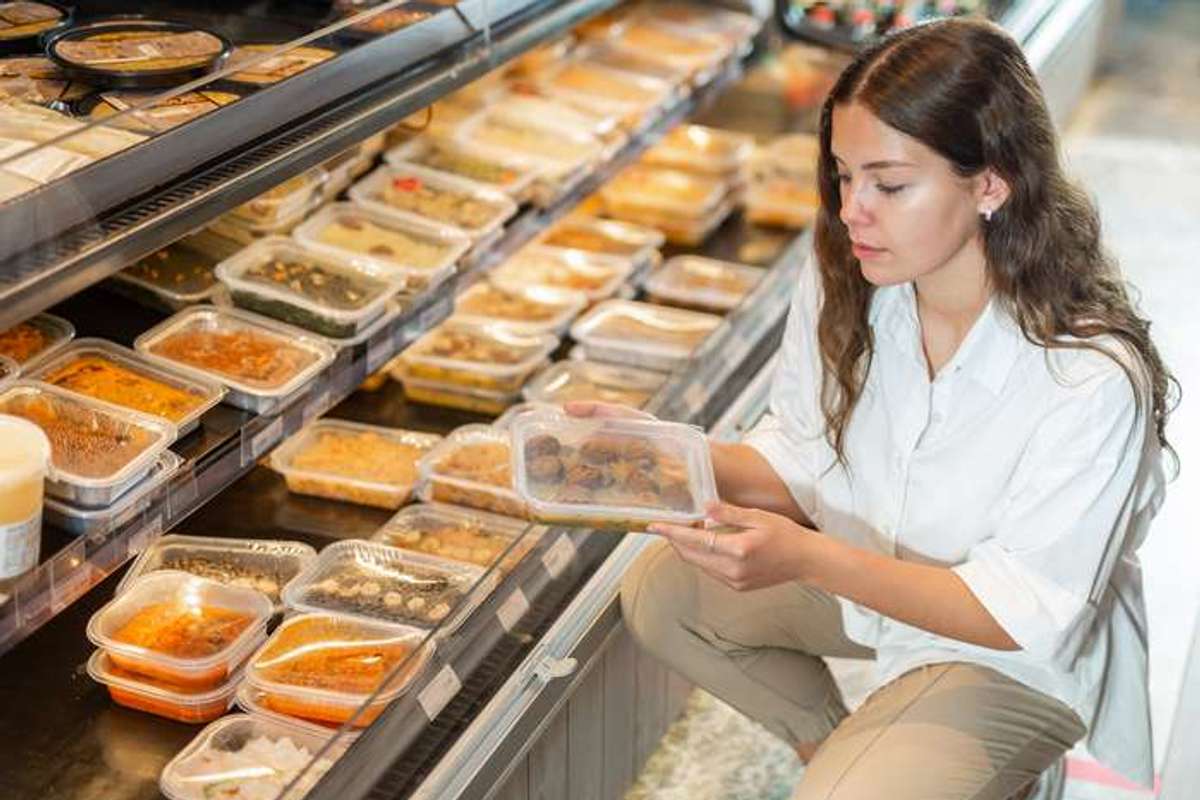
Retailers are leading with significant innovation in “GLP‑1 friendly” foods and ready-meal ranges, while brands are reassessing existing products—either reformulating to enhance GLP‑1-aligned benefits or improving on-pack communication to better spotlight them.
GLP‑1 adoption is scaling—and pills will broaden access
GLP-1 drugs’ use among the people without diabetes but with overweight or obesity in the US rose 700% from 2019 to 2023, according to researchers from the University of Pennsylvania and Cedars-Sinai Medical Center, reported in the British Medical Journal, highlighting that the adoption of these drugs is becoming mainstream.
While injectables remain the growth engine through 2031, the convenience and affordability of the GLP‑1 pill format is expected to expand the user base, with GLP-1 pill market sales expected to rise from $3.2 billion in 2025 to $34.3 billion in 2031, growing at a CAGR of 48.4% during the period, according to GlobalData’s Pharmaceutical Intelligence Center.
However, the side effects of GLP-1 medications such as nausea and constipation remain barriers for many consumers, creating white space for supportive formulations, such as those with added fiber.
Consumers want clear benefits and “real food” nutrition in less volume
GLP‑1 users often eat less and feel fuller faster, but still need adequate nutrition, driving the opportunity for smaller portions that are nutrient-dense.
Shoppers increasingly prioritize clear benefit explanations, and functional fortification—especially protein, vitamins, minerals, and fiber.
The current product innovations are emphasizing protein for muscle retention, fiber for gut support, hydration and micronutrients, and lower sugar/fat for tolerability, while maintaining authentic taste and simple ingredients.
Retail is moving faster than brands—setting new cues to emulate
January 2026 saw UK retailers respond quickly with “Jab‑uary” ranges: portion-controlled, nutrient-dense meals, snacks, and drinks from M&S, Tesco, Co‑op, Iceland, Morrisons, ASDA, Aldi, and Ocado.
Some retailers are using explicit “GLP‑1 friendly” labeling, while most are incorporating GLP-1 innovation benefits without explicit on-pack cues.
While some brands have moved into the space—such as Nestlé Vital Pursuit and Conagra Healthy Choice “On Track”—GLP‑1-focused product development is still at a nascent stage, with many manufacturers prioritizing reformulation and repositioning of existing products as the quickest route to growth in this space.
Jephcott concludes: “GLP‑1 drugs are changing eating behavior in real time. Brands who want to win in this space will be those that deliver products offering more tolerable formulations, balanced nutrition, in smaller formats, with a clear explanation of product benefits on pack.”