



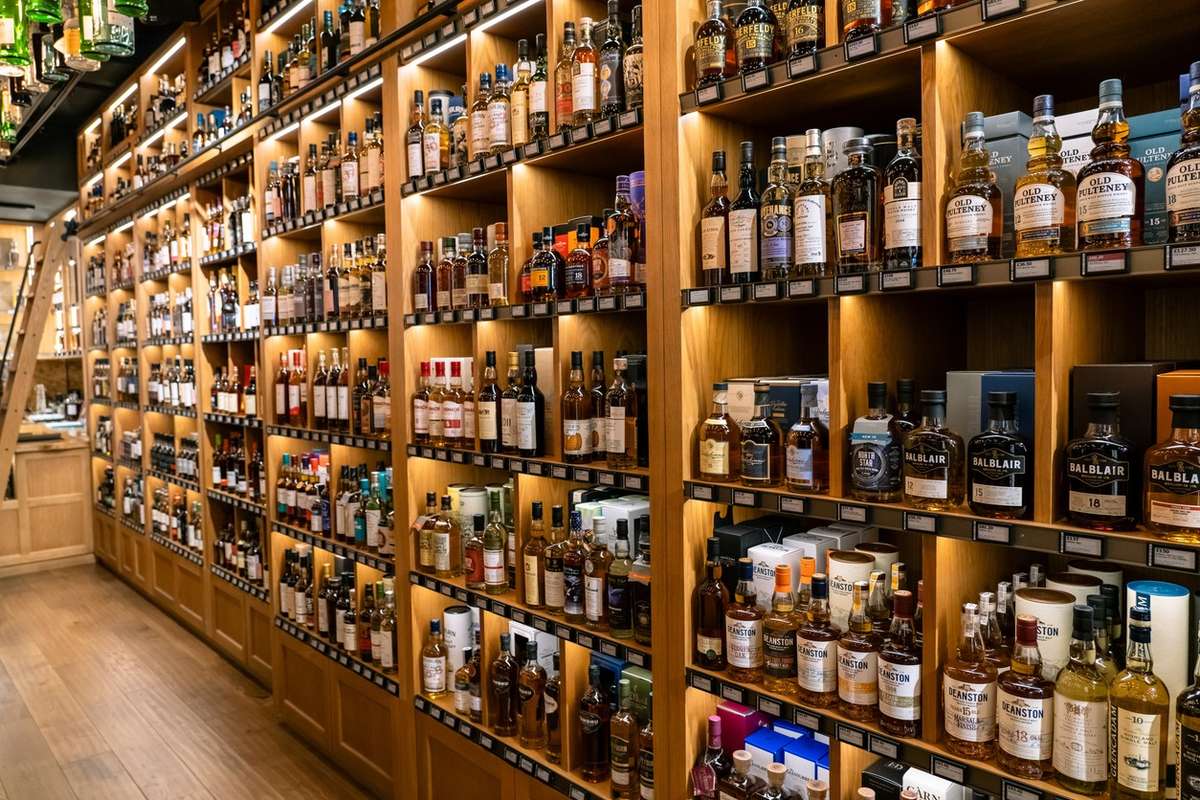

A sharp slowdown in global demand for spirits has left the world’s biggest drinks producers holding unprecedented levels of unsold stock, raising the risk of price cuts and further pressure on margins.
According to a report in Financial Times, five major listed alcohol groups – Diageo, Pernod Ricard, Campari, Brown‑Forman and Rémy Cointreau – are together sitting on around $22bn worth of ageing spirits, the highest inventory levels seen in more than a decade.
The stock overhang is particularly acute at Rémy Cointreau, where maturing inventory stands at €1.8bn, close to double the group’s annual revenues and almost equal to its market capitalisation.
Analysts warn that the scale of unsold stock is adding to debt pressures and could trigger more aggressive pricing strategies as producers attempt to clear warehouses.
At Diageo, maturing inventory as a share of annual revenues has risen from 34 per cent in 2022 to 43 per cent in 2025. The FTSE 100 group’s ageing stock – largely Scotch and American whiskey – was valued at $8.6bn as of June last year.
The glut can be traced back to decisions made during the pandemic, when drinks makers ramped up production to meet a surge in at-home alcohol consumption.
When inflation later squeezed household budgets, demand for premium spirits fell sharply, leaving producers exposed.
Since then, the sector has been hit by a series of profit warnings, leadership changes and falling share prices. Investors are also debating whether the downturn reflects deeper, longer-term shifts in drinking habits, including growing health consciousness and the uptake of weight-loss drugs such as Wegovy and Ozempic.
The volatility is particularly challenging for producers of aged spirits, where production decisions must be made years in advance. Cognac makers, for example, commit volumes of eau de vie to casks destined for ageing over two, four, 10 or even 12 years.
Cognac has been among the hardest-hit categories. Exports fell 72 per cent year on year in February 2025, according to the Bureau National Interprofessionnel du Cognac.
The tequila category is also facing a sharp reversal. After a decade-long boom driven by celebrity-backed brands, producers expanded capacity just as demand began to cool. Mexico is estimated to be holding more than half a billion litres of tequila in inventory — close to a full year’s production.
Jefferies analyst Edward Mundy said cutting production of ageing spirits was a risky game, as it could leave producers short of stock in five or even ten years’ time, when demand for a particular brand or category might have reignited.
“If you cut inventory during a downturn, you have huge problems when you’re trying to satisfy demand in the future,” Mundy told Financial Times, adding that the spirits boom and bust of the past five years was near impossible to predict.
“Ultimately, there’s an element of human judgment,” he said. “[But] you just don’t know what demand will look like in five years’ time.”