



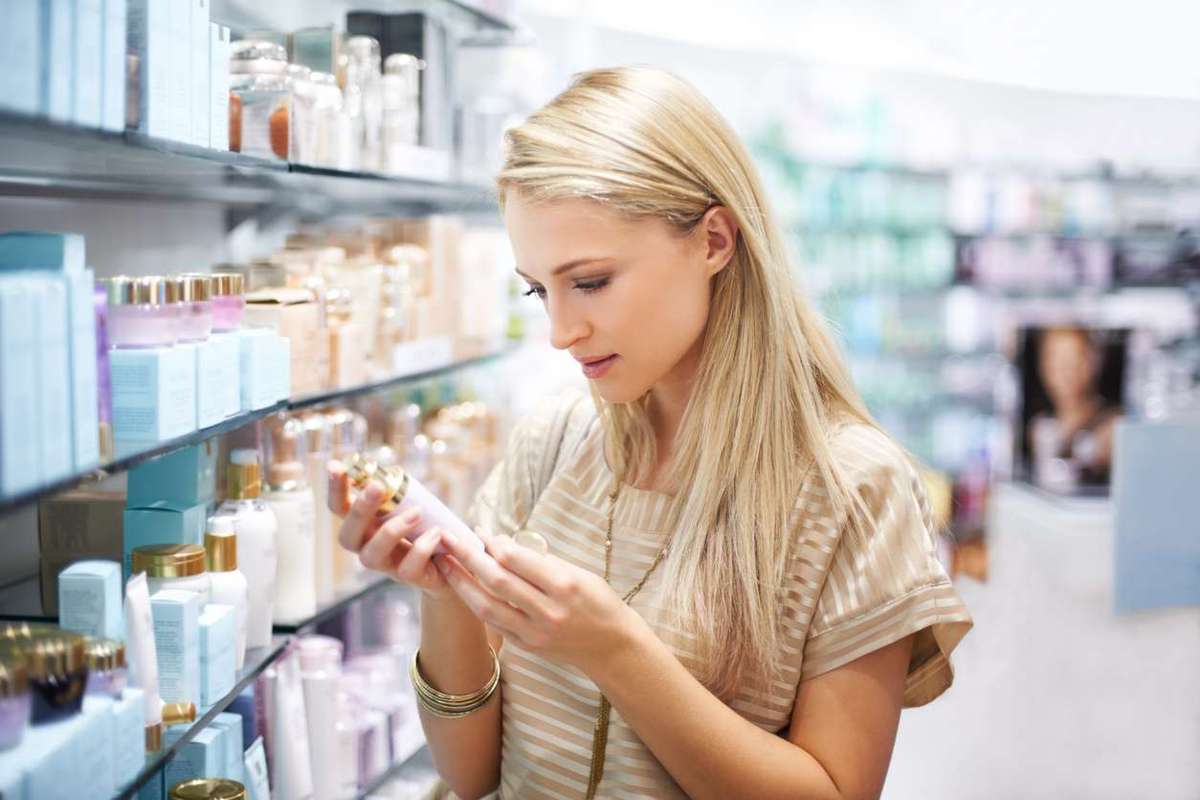

Health and beauty is increasingly being treated as an essential purchase rather than a luxury, with Gen Z leading the trend and spending significantly more than other age groups, according to new research from RSM UK.
RSM UK's Consumer Outlook survey of 2,000 consumers found that almost three-quarters (72%) of Gen Z consider beauty, grooming or wellness products to be essential spending, compared with 60 per cent across all age groups. A further 26 per cent of Gen Z respondents said the category was not essential but would still take priority over other discretionary purchases.
The research also showed that younger consumers are increasing their spending on the category. Nearly a third (30%) of Gen Z said they are spending more on beauty, grooming and wellness than they did a year ago, almost double the 17 per cent recorded across all consumers.
On average, Gen Z consumers spend £45.20 a month on beauty, grooming and wellness products, compared with £32.40 across the wider population. More than a third (35%) spend over £50 a month, while five per cent spend more than £100 each month.
Jacqui Baker, partner and head of retail at RSM UK, said health and beauty had become one of the most resilient retail categories despite wider pressures on consumer spending.
“Health and beauty is no longer a luxury, it’s increasingly becoming an essential part of consumers’ everyday spending,” Baker said. “It’s the one area that consumers refuse to cut back on and has consistently outperformed other retail categories which have experienced a slowdown in spending.”
She suggested the trend could partly be explained by the "lipstick effect", where shoppers seek out affordable indulgences during periods of economic uncertainty and weak consumer confidence.
However, Baker noted that the phenomenon is not universal.
“The rising popularity of health and beauty is particularly prevalent among younger consumers, who as the first truly digital-native generation, grew up in a world shaped by social media and image-led platforms,” she said. “It’s also driven by higher-income consumers who continue to invest in their personal wellbeing and appearance, while lower-income households remain constrained by financial pressures.”
Robyn Duffy, consumer markets senior analyst at RSM UK, said the sector's resilience was attracting intense competition as brands respond to evolving consumer preferences.
“While the health and beauty world is resilient, it’s growing at a rapid pace, with new innovations and changing consumer behaviours making it extremely competitive,” Duffy said. “Businesses that are best placed to succeed will be those investing now for the consumer of tomorrow, rather than simply serving the consumer of today.”