



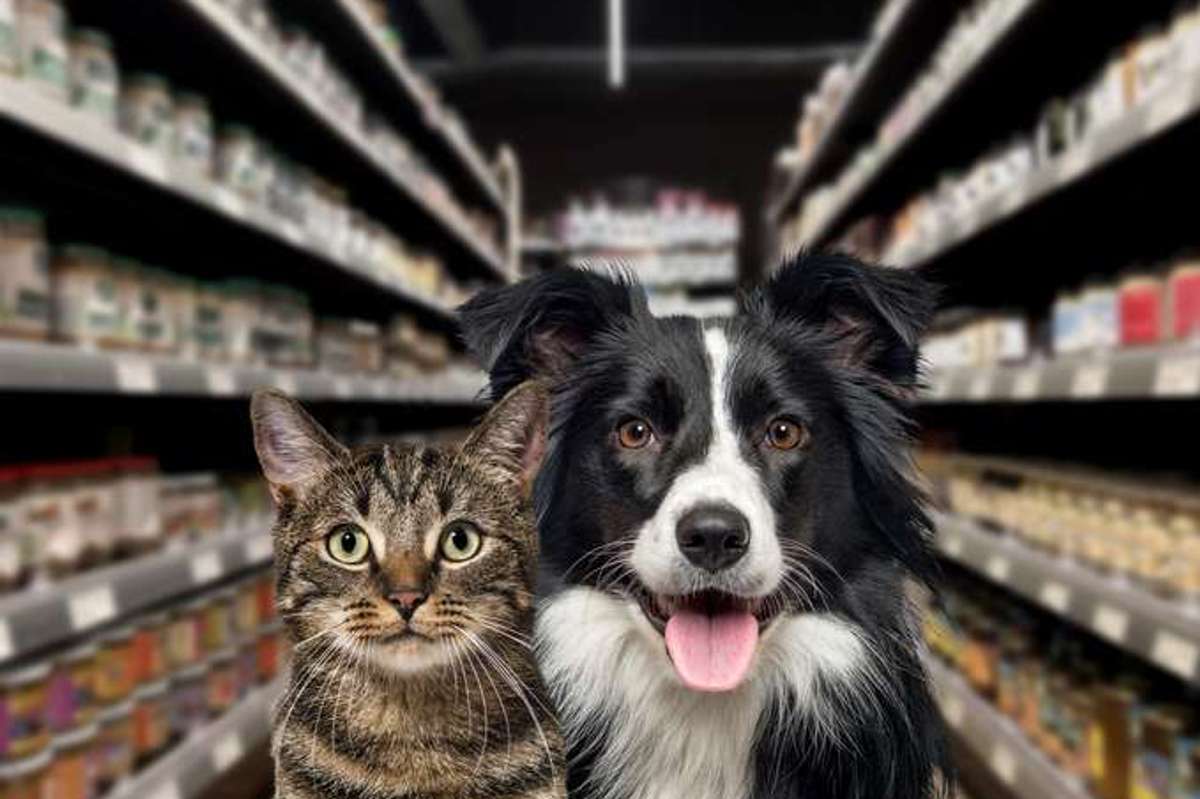

The British convenience sector has long been built around meeting everyday needs. Milk for breakfast, bread for lunchboxes, a forgotten ingredient for dinner, or a last-minute bottle of wine for the weekend. Yet among these traditional convenience staples sits a pet care category that is often overlooked despite its remarkable resilience, emotional appeal and growth potential.
For millions of consumers, pets are no longer simply animals living in the home. They are companions, confidants, exercise partners and, increasingly, members of the family. The relationship between owners and their pets has evolved dramatically over the past decade, reshaping purchasing habits and creating a thriving market for pet food, treats and care products.
Let's start with the numbers, because they are genuinely hard to argue with.
According to the latest validated data from UK Pet Food (PFMA), 62 per cent of households own one of the UK's 36.5 million pets, which includes dogs, cats, indoor birds, rabbits, guinea pigs, snakes and pigeons.
That means six in ten customers walking through your door are feeding something furry, feathered, or scaled back home. Dogs lead the charge at an estimated 15.5 million, with cats close behind at 13 million. In addition, the pet population in the country also included around 1.4 million indoor birds and 0.5 million rabbits.
The share of households owning a pet remained relatively stable between 2012 and 2018, hovering around an estimated percentage of 47 to 45 per cent. However, pet ownership levels peaked to an unprecedented high of 62 per cent in 2022, likely as a result of the coronavirus pandemic and increased time spent at home.
“Pandemic puppies” and “lockdown kittens” entered the national vocabulary. And while ownership dipped slightly in 2023 as the cost-of-living squeezed household budgets and changing work patterns made pet ownership more logistically challenging for some, the numbers rebounded with impressive speed, a strong signal that this was no passing trend.
In 2024, this figure shrank to 60 per cent, but rose again to 62 per cent by 2026.
The demographics of modern pet ownership are equally instructive for retailers. Millennials and Gen Z are among the most enthusiastic pet owners in the UK, and critically, they see their pets differently to previous generations.
For many, particularly those who have delayed or foregone having children, their cat or dog is not a pet in the traditional sense. It is a dependent, a bona fide family member, and as in most cases, an only child. These emotional dynamics shape everything from how much owners (“parents”) spend to which brands they trust and what products they are willing to try.
The average UK pet owner spends over £1,486 on their dog and £1,479 on their cat annually. Food alone accounts for around £352 per dog per year. When you scale that across millions of households, the commercial logic becomes very clear, very quickly.
For convenience retailers, the takeaway here is most of their regular shoppers, in all likelihood, own a pet.
The market: bigger, more valuable, growing
With approximately £3.9 to £4.1 billion in annual value, the UK pet food market is the third largest in the world, only behind the US and China.
This figure reflects not just the scale of Britain's pet population but the growing willingness of owners to spend meaningfully on what they put in the bowl.
Dog food commands the largest share of this, accounting for around 58 to 62 per cent of market revenue.
Cat food follows at approximately 30 per cent, and the remainder is distributed across small animals, birds, and specialist diets.
But the real headline act in this aisle is the sub-category of treats and snacks, which is currently valued at around £1.4 billion.
Treats are, in the language of category management, the fastest-accelerating segment in the entire pet care space. And they happen to be perfectly suited to convenience retail as they are small in pack size, impulsive in purchase nature, and emotionally driven in motivation. They are, in short, the Freddo bar of the pet food aisle.
The total expenditure picture is equally compelling.
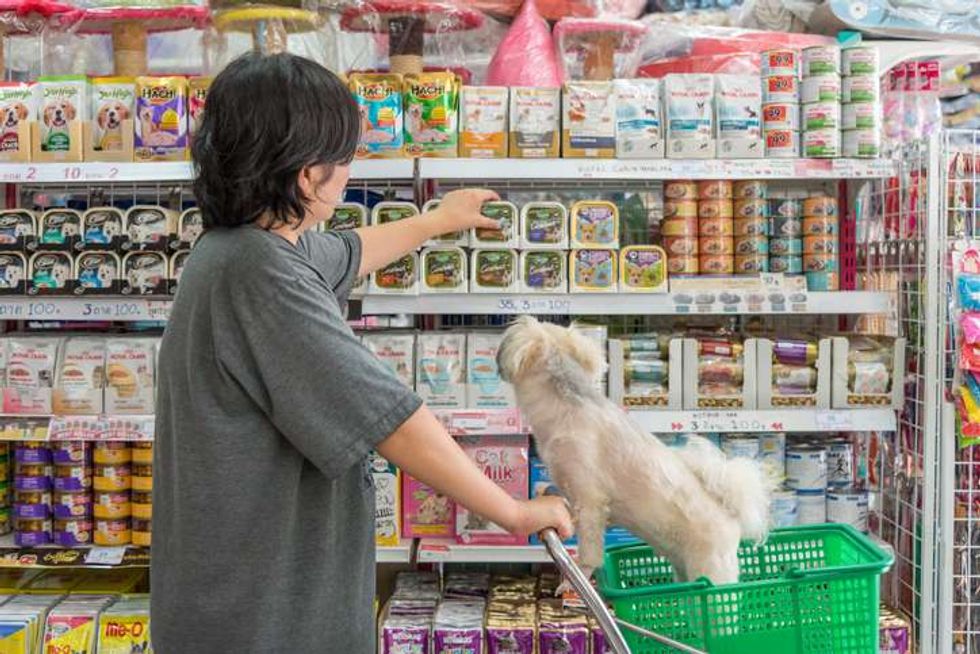 iStock image
According to latest survey of UK pet owners by MoneySuperMarket, Spending on pets and pet-related goods has increased from £2.9 billion in 1997 to £11.95 billion in 2025, an increase of more than £9 billion or 312 per cent.
If this trend continues, this is expected to reach £15.4 billion by 2035.
However, out of this pie, convenience stores just get 5 to 8 per cent share. The market is dominated by supermarkets (approx. 33-35 per cent), online/e-commerce platforms, and dedicated pet specialty retailers (approx. 32-33 per cent).
Pet specialty retailers and supermarkets dominate on volume and value packs, and their private-label ranges have expanded significantly. However, they are not always convenient; like a pet owner on pouch emergency on Thursday night at 9pm will not end at Tesco.
That is precisely where convenience stores can beat other channels by catering emergency top-ups, impulse treats, and the needs of urban dwellers with limited storage space who shop little and often.
Bestseller and must-stock: A Blueprint for C-Store Ranging
Pet owners may be fiercely loyal to their furry companions, but they're often just as loyal to the brands they buy.
For convenience retailers, understanding which names dominate the market can make all the difference between a fixture that simply exists and one that consistently delivers sales.
Whiskas and Pedigree are the UK's highest-selling brands for wet cat and dog food, respectively. Both are manufactured by Mars Pet care, which holds nearly half of the UK's overall pet food market share.
Pedigree in fact is the most recognised dog food brand in the UK, and its wet pouches are the single-serve format of choice for millions of dog owners.
The Pedigree 12-pack PMP format, typically retailing around £3.75 to £5.00, serves as a convenient and budget-friendly way to buy wet dog food. The pouch range is generally available in 100g sachets across a few classic selections.
Royal Canin is the leading brand recommended by veterinarians across the UK. They are highly regarded for their breed-specific and specialized health nutrition.
A massive success in the UK supermarket sector, Harringtons is widely known as a bestselling, natural, and wheat-free dry dog food.
One of the UK's top-rated premium pet food companies is Lily’s Kitchen, now owned by Nestle. They are highly popular for their use of natural, human-grade ingredients, eco-friendly practices, and grain-free recipes.
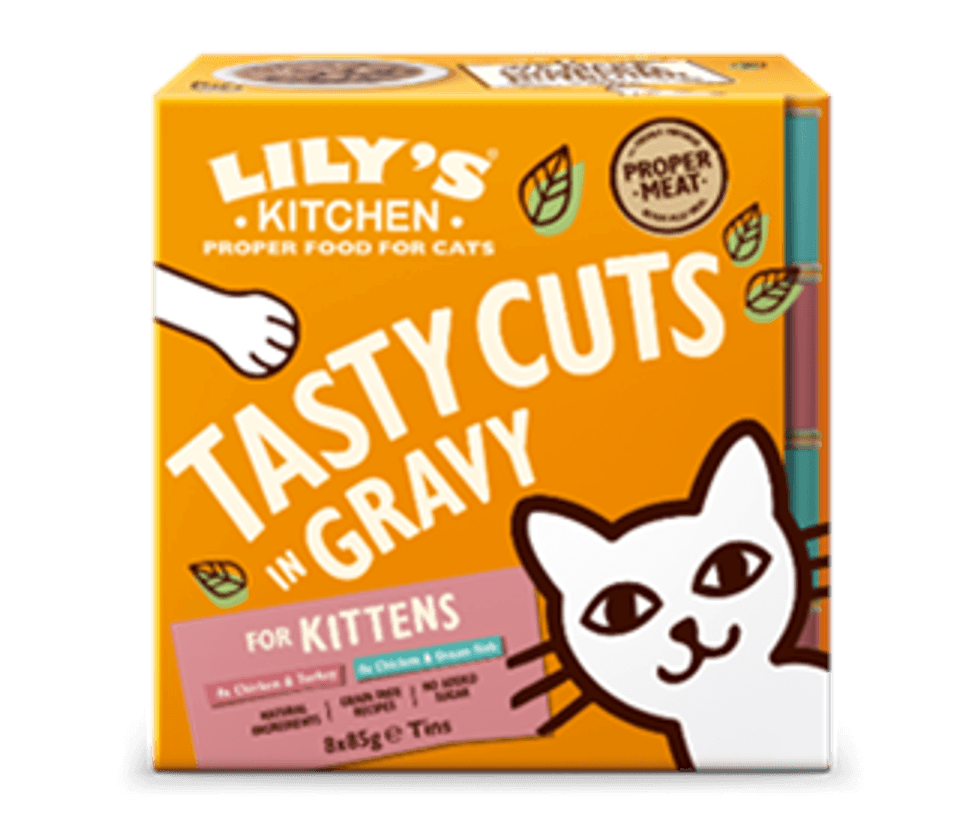 Lily's Kitchen
Sheba is Mars’s premium line, also worth stocking, considering more than one-third (37 per cent) of dog and cat owners feel that their pets are the most important thing in their lives.
Butcher's is another brand worth consideration for the independent channel. These are the kinds of "functional" lines that health-aware dog owners are actively seeking, and their presence on a c-store shelf can be a genuine differentiator.
Bakers (Nestlé Purina) is the complementary listing in the dry dog food space as it is established, trusted, and widely understood by dog owners. Small dry-format bags (typically 1–2kg) are the right convenience pack size: they fit the top-up mission without demanding more space than you can give.
Coming to cats, Felix (Nestlé Purina) is the UK's best-selling cat food brand and has been for years. The much-loved black-and-white cat mascot is one of the most recognisable brand identities in British retail, and Felix wet pouches across mixed meat and fish selections are a non-negotiable c-store listing.
They sell consistently, they are repurchased habitually, and their broad range of flavours allows even a small fixture to offer perceived variety. If you stock nothing else in cat food, stock Felix.
Whiskas (Mars Pet care) is the essential companion listing. It has been feeding British cats since 1958 and remains a household name with enormous recognition among cat owners of all ages.
Sheba (Mars Pet care) offers the accessible premium tier — a step up from Whiskas in positioning and price, but still mainstream enough to sell well in a convenience setting. Sheba's 85g recyclable pouches and trays in elegant sauce and jelly formats appeal to the growing number of owners who treat their cat's mealtimes as something of a culinary occasion.
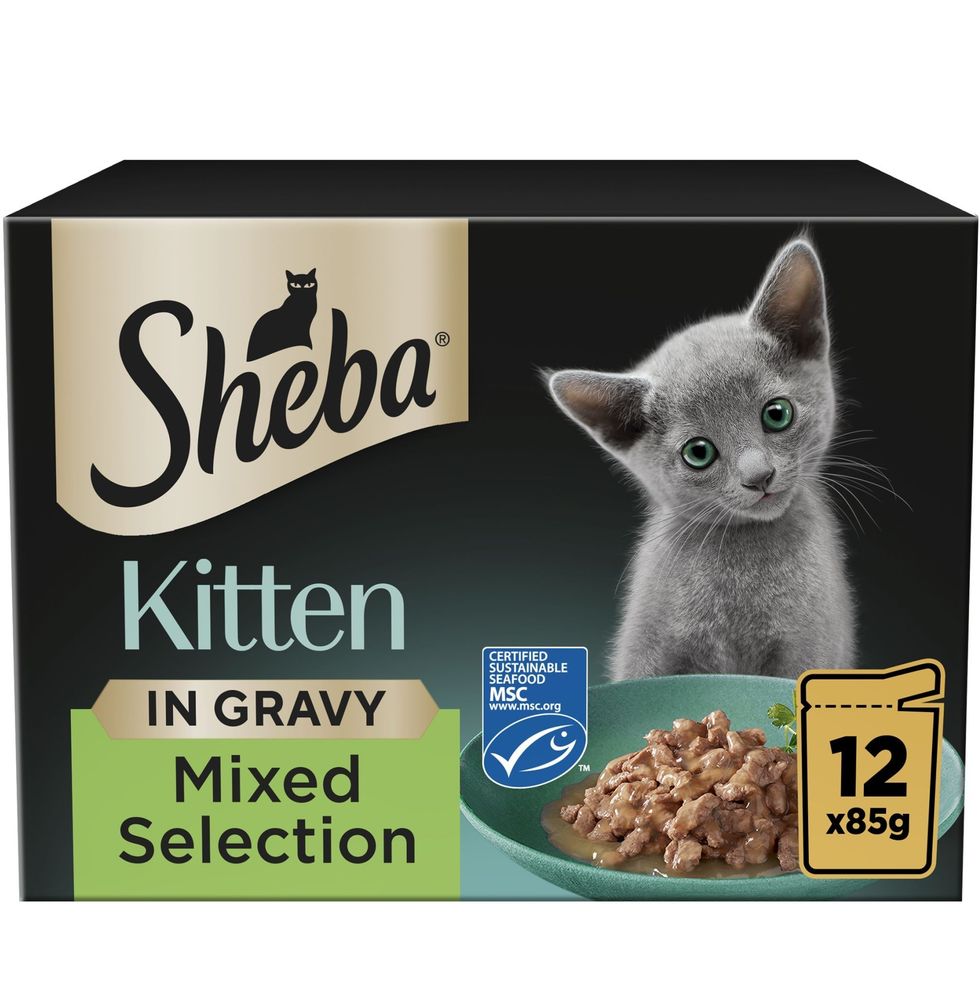 Sheba
Sheba
The Sheba Kitten range is also increasingly gaining popularity as it speaks to a growing cohort of new cat owners seeking age-specific nutrition. For c-stores, one or two Sheba lines alongside the staples adds a premium dimension without overcomplicating the range.
For convenience stores with space constraint, it is best to go for limited yet bestselling SKUs.
Pick the right sixteen to twenty lines, make sure they are always in stock, use PMPs where available, and face them properly. A little sprinkle of treats is also wise, since it is an impulse buy which pet parents often tend to make.
The lesson for retailers is clear- less is more but only if the less is right.
Treats for good babies
Treats deserve not just a shelf but a strategy. This is where impulse purchasing is most fertile and where margin tends to be strongest.
An emerging name here is Innocent Hound and its new training range which uses healthy, novel proteins in venison, salmon, tuna, crab and lamb. Available in small (70g) and large (600g) pouches, and suitable for puppies and adult dogs from eight weeks onwards, they provide a practical and healthy solution for everyday training.
According to Chloe Heaton – Founder | Managing Director of The Innocent Hound, “As awareness grows around nutrition and welfare, pet owners are becoming more considered in the rewards they choose.
“There is increasing demand for training treats that are both effective and responsibly made, with clear provenance and minimal processing.
“Products that can be used frequently, without compromising a balanced diet are particularly valued, especially during early development and ongoing behavioural work.”
Heaton believes that for retailers, offering effective training rewards supports not only incremental sales, but also builds stronger customer loyalty, as owners look for trusted, repeat-purchase products their dogs love, and they feel good about.
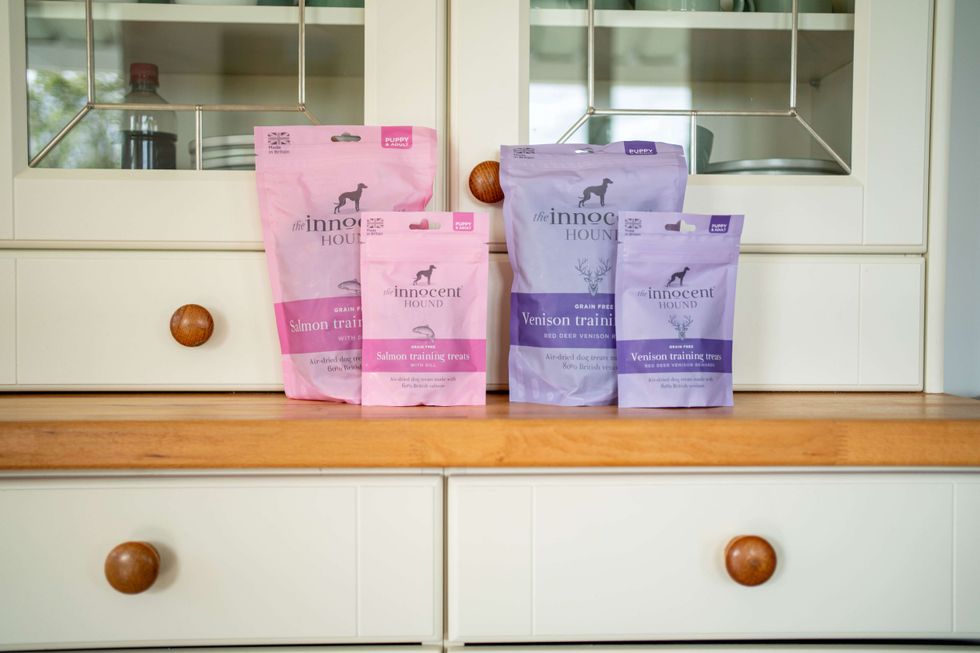 The Innocent Hound
The Innocent Hound has been producing high-quality dog treats since 2013 and makes its products in Yorkshire using British meat and gentle air-drying.
Crunchy treats still hold the largest market share, but freeze-dried and jerky treats are the fastest-growing sub-segment.
For dogs, Pedigree Dentastix is the single most important treat listing. It leads the dental treat segment, benefits from the added "functional" hook of oral hygiene, and is bought regularly rather than occasionally.
Owners feel virtuous buying Dentastix because it doubles as dental care. That guilt-free purchase dynamic is enormously powerful, and it translates into consistent, repeat basket behaviour.
Pedigree Markies — the distinctive star-shaped biscuit treats — are a longstanding favourite with strong brand recognition.
Treat packs priced between £1 and £3 are the sweet spot for convenience impulse. Above that, even keen pet owners start deliberating.
For cats, Dreamies is the name to go for.
Dreamies is the single most important treat listing for cat owners in the UK. These bite-sized, dual-texture treats, crunchy outside, soft inside, have become a cult favourite.
Cat owners describe their pets as "going mad" for them, and the brand's recognition is such that a simple shake of the bag has Pavlovian effects on the average British cat.
Webbox Lick-e-Lix, squeezable liquid treats in flavours like chicken with salmon, are a genuinely new format that surprises first-time buyers and generates strong repeat purchase. They take up almost no space, carry a healthy margin, and are an ideal till-point or clip-strip listing.
Be pet-aware
The single most important structural shift in the pet food market is humanisation of pets.
British owners are projecting human values onto their pets' diets at an unprecedented scale. If they eat organic, they want organic for their dog. If they read labels, they read their cat's pouch.
As found by Mintel, 61 per cent of pet owners prioritise their pets’ needs above their own, showcasing the deep emotional bond and commitment they have toward their furry companions.
Premium pet food options, such as organic, raw, and grain-free diets, are gaining popularity as pet owners seek healthier, more nutritious meals for their animals. Alongside this, luxury grooming products and accessories, including specialized shampoos, collars, and pet wearables, are also seeing a surge in demand. This premiumisation trend reflects a growing awareness of pet health, with owners treating their pets to the same level of care they would expect for themselves.
For convenience retailers, this means that a range consisting only of budget own-label options is a strategic miss.
Owners who view their pets as family members are likely to readily pay for something they perceive as better quality.
Furthermore, pet wellness is very much a thing.
The growing emphasis on holistic health opens doors for brands to create products and services that cater to both pets and their owners, bridging the gap between human and pet wellness.
Dental health, joint support, digestive wellness, coat health, calming ingredients- these were once the preserve of specialist pet stores and vet clinics. Not anymore.
Functional pet treats, products with a clearly stated health benefit beyond simple nutrition, are rapidly entering mainstream grocery retail.
 iStock image
Mobility supplements (e.g., green-lipped mussel capsules) and organic treats are highly popular. Pet owners are investing in preventive remedies to avoid high vet bills.
Demand is rising for sustainable and biodegradable grooming products. Brands are moving toward pH-balanced, chemical-free, and cruelty-free shampoos packaged in fully recyclable plastics.
Also, it is not just about humanisation and premiumisation that is at play here. Pets’ gut health is something that give sleepless nights to pet parents. No wonder why, they might trade off on their food but will think multiple times in trading down their pets’ diet.
Afterall, vet visits and the anxiety that comes from seeing a pet in distress is something they dread the most.
Merchandising: Making Every Inch Count
A tight range well-presented will always outperform a broad range poorly organised. In a category where recognition drives purchase and habit drives loyalty, how the fixture is laid out matters almost as much as what is in it.
Block by pet type first, then by format. Put all dog products together and all cat products together. This sounds obvious, but many convenience store fixtures mix brands across species, forcing shoppers to hunt.
A cat owner does not want to parse through dog food to find Felix. Dogs on one side of the bay, cats on the other — with treats clearly delineated within each — is the most shopper-friendly and commercially sound approach.
Give treats eye-level billing. Given their impulse nature, high margin, and low space requirement, treats should sit at eye level or close to it.
A well-placed peg of Dreamies sachets near the till, a clip strip of Dentastix by the chiller, or a small branded display unit from Mars Pet care (which the company actively supports for independent retailers) can generate disproportionate treat sales relative to the space invested.
Price-mark the core range. PMPs consistently drive the strongest rates of sale. If the option exists to source PMPs through your wholesale partner like Booker, Bestway, and Nisa where more core pet lines are available in PMP format, go for those ones.
Keep the pet care aisle stocked, always. Nothing erodes a convenience store's value proposition in pet food faster than persistent out-of-stocks. The top-up mission is entirely predicated on the product being there when needed.
Lean into seasonal opportunities. Christmas is, perhaps surprisingly, a significant peak for pet food and treats. Pedigree was the best-selling Christmas pet stocking in the UK market, and Dreamies Gift Box was the top cat Christmas product.
Wagging tails, purrfect sales
The discussion on pet care products tend to happen around mainly on kibbles, wet food and treats, though there some grooming products as well which store owners can add to this aisle.
The UK pet shampoo market offers a wide variety of formulas ranging from professional grooming lines to organic and budget-friendly options. Leading brands include Bugalugs, Wahl, WildWash, and Pet Head.
Similarly, stocking top pet wipe brands such as Bugalugs, Petkin, and Beaphar is recommended if the customer base of the store has more pet owners.
For independent and symbol-group convenience retailers, the ability to range pet care products effectively is closely tied to wholesale availability.
The good news is that the category has never been better served through the cash and carry and delivered wholesale routes. Major players like Booker, Bestway, Nisa, and DeeBee carry a solid core range from Mars Pet care and Nestlé Purina across both wet and dry formats, and PMPs are widely available.
Harringtons, Butcher's, and a growing number of premium independents are also expanding their convenience channel presence.
Mars Pet care and Nestlé Purina both invest in convenience channel activation through shelf-ready packaging, promotional support, POS materials, and data-driven range recommendations are all part of their c-channel programmes.
The UK pet care category is emerging as a high-frequency, emotionally charged, basket-building opportunity that speaks directly to the majority of the people walking through your door.
Additionally, it is wise to keep a tab on the store’s consumer base and its requirements.
According to a study, published in Nature Scientific Reports, Telford is the top dog hotspot in the country, with 8.2 dogs per 20 people. Harrogate had the joint-third highest ratio in the country with 7.4 dogs per 20 people.
The lowest densities of dogs were reported for six areas of London, covering postcode areas N, E, SW, WC, W and UB, with approximately one dog for every 20 people.
The category needs the same strategic rigour it applies to soft drinks, fresh food, or tobacco through understanding the purchase missions, ranging to need, merchandising to impulse, and pricing to value.
Much like baby food, the pet food category is the one that can enable store owners to gain trust of the shoppers that they serve. Pet care in convenience is not just about filling a shelf. It is about filling a role as the store that is always there, always stocked, and always understood.
In an industry constantly chasing the next big thing, pet care remains refreshingly straightforward. Britain's love affair with pets shows no sign of ending, and convenience stores that recognise this may find themselves sitting on a category that is anything but a shaggy dog story.
Pet treats
Here are a few simple merchandising tweaks that can help retailers unlock more sales from the pet care category
- Make pet care easy to find – Create a dedicated pet care section rather than scattering products across different aisles.
- Separate dog and cat products – Clear segmentation helps shoppers quickly locate what they need.
- Prioritise bestsellers at eye level – Give top-selling food and treat brands the most visible shelf space.
- Keep core lines in stock – Pet owners are highly brand loyal and may shop elsewhere if their preferred product is unavailable.
- Stock a mix of formats – Offer a balance of dry food, wet food and treats to cater for different shopper needs.
- Highlight value and multibuys – Promotional signage can encourage shoppers to purchase multiple items in one trip.
- Review local demand regularly – Adjust the range according to the pets most commonly owned in your community.
- Think convenience missions – Focus on trusted brands and popular pack sizes that shoppers are most likely to buy in top-up or emergency purchases.
Pet ready
Asian Trader finds key trends that convenience sector should keep on their radar
- Pets as family – Owners continue to spend more on pets, treating them like members of the household.
- Premiumisation – Demand is growing for higher-quality food with natural ingredients, higher meat content and health benefits.
- Treat-led growth – Treats are becoming everyday purchases rather than occasional rewards, boosting sales and margins.
- Health-focused products – Dental treats, digestive support and weight-management products are gaining popularity.
- Top-up shopping opportunities – Running out of pet food often triggers immediate local purchases, playing to convenience stores' strengths.
- Functional nutrition – Products targeting specific health needs are moving into the mainstream.
- Impulse treat purchases – Pet owners are increasingly happy to add a treat to their basket as an affordable way to spoil their pets.