



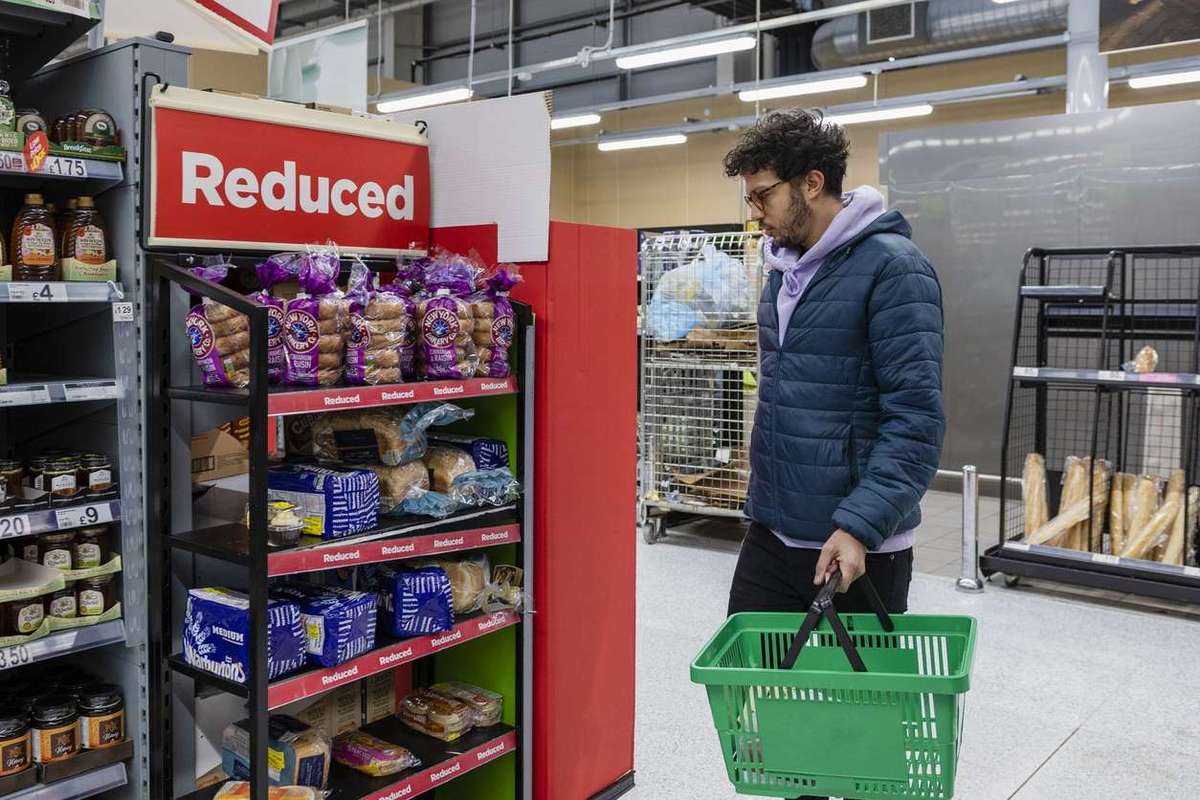

Food prices remain the biggest concern for UK consumers, with many adopting money-saving habits that could increase the risk of foodborne illness, according to the latest Consumer Insights Tracker from the Food Standards Agency (FSA).
The March 2026 survey found that 91 per cent of respondents were concerned about food prices, making it the most commonly cited food-related issue since the tracker began in July 2023. However, fewer than a quarter (23 per cent) said they were worried about whether they or their household would be able to afford food in the coming month, a figure that has remained relatively stable over the past three years.
The research also highlights a range of cost-cutting behaviours that may compromise food safety.
Nearly two-thirds (64 per cent) of respondents said they had eaten food past its use-by date during the previous month, while 60 per cent had eaten leftovers that had been stored in the fridge for more than two days. More than half (52 per cent) said they had reduced the amount of food they bought to save money.
Other common behaviours included reheating leftovers more than once to avoid waste (39 per cent) and switching off an oven or hob early to finish cooking using residual heat (33 per cent).
Beyond food prices, respondents also expressed concern about ultra-processed foods (77 per cent), food waste in the food chain (77 per cent), animal welfare in the food industry (76 per cent) and food quality (76 per cent).
Katie Pettifer, chief executive of the FSA, said the findings underline the need for greater awareness of safe food handling practices.
“This latest data shows that food prices remain a top concern this year for most people we surveyed,” she said.
“Many people said that to save money they'd done risky things, like eating food past its use-by date. So, this summer we're once again running a campaign to help with advice on how to keep yourself and your family safe when cooking and preparing food at home.”
The comments coincide with the FSA's latest consumer campaign, Stop. Think. Serve., which launched on 7 June. The initiative focuses on everyday kitchen habits that can increase the risk of foodborne illness, particularly for vulnerable groups.
Catherine David, chief executive of environmental charity WRAP, said reducing household food waste could also help families manage rising costs.
“We know that 60 per cent of all wasted food comes from our homes, costing the average household of four around £1,000 a year,” she said.
“Forming good food habits is vital for making the most of the food you buy, especially in the summer when life can be busier and food in your kitchen gets forgotten.”
David added that WRAP's Love Food Hate Waste campaign provides practical advice on storing and using food safely to help households save money while reducing waste.
The Consumer Insights Tracker is a monthly survey conducted by YouGov on behalf of the FSA, based on responses from around 2,000 adults aged 16 and over in England, Wales and Northern Ireland.