



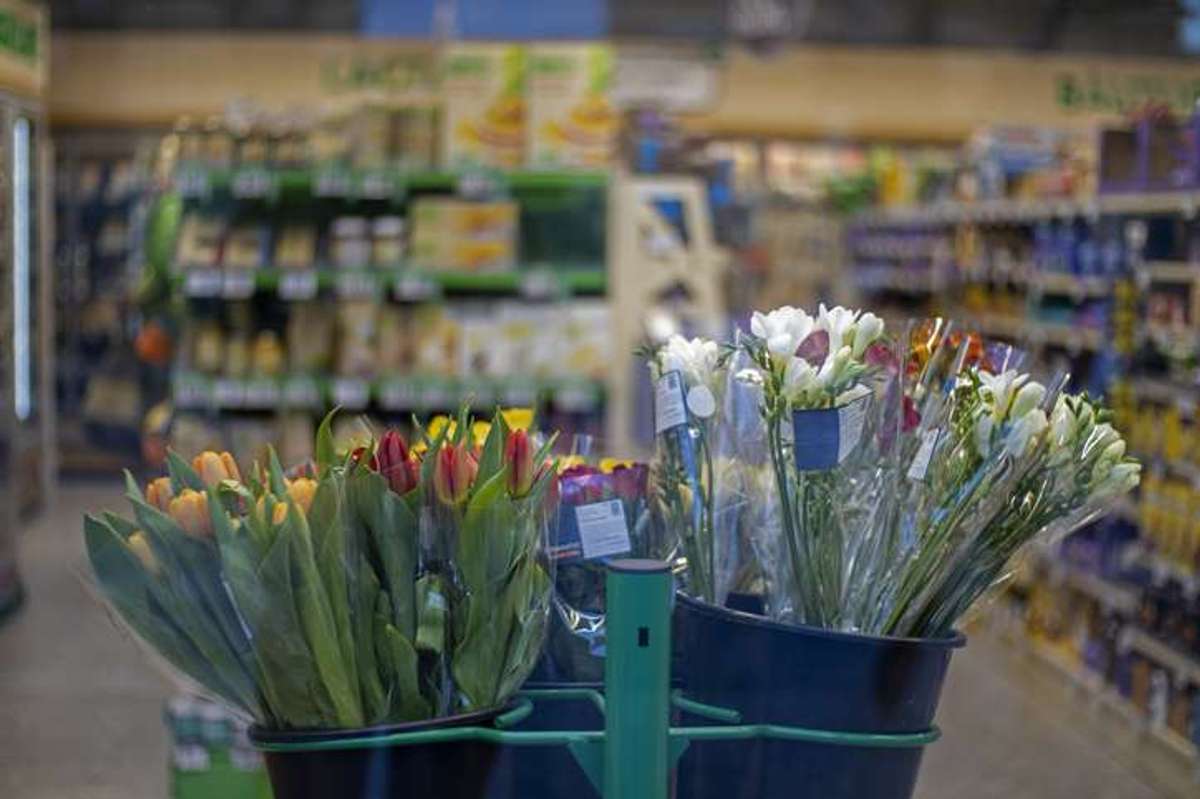

Fresh flowers are proving particularly vulnerable to cost-of-living pressures, with 43% of UK shoppers saying they would cut the category first when grocery prices rise.
According to new research from the International Fresh Produce Association (IFPA), fresh flowers could be one of the first casualties when shoppers feel the squeeze on their grocery budgets,
The survey of 751 UK consumers in 2026 found that 43% would be most willing to give up fresh flowers if grocery prices increased, making floral the most vulnerable category among those surveyed.
That compares with 29% for snacks and 23% for frozen meals, highlighting the challenge for convenience retailers that rely on fresh flowers as an impulse or top-up purchase.
Flowers losing their place in the basket
The research also points to a growing sense of indifference towards the floral category rather than outright rejection.
The proportion of consumers expressing positive favourability towards the floral industry fell from 57% in 2024 to 52% in 2026. However, the proportion holding a neutral or undecided view rose from 35% to 39% over the same period.
For convenience retailers, this could represent an opportunity to make flowers more visible and relevant during routine shopping trips, particularly as consumers may not actively include them on their shopping lists.
Indeed, 52% of shoppers said flowers are not always top of mind when shopping, making visibility and merchandising important in encouraging impulse purchases.
Shelf life remains a sticking point
The biggest barrier to buying flowers is not simply price.
Short lifespan concerns were cited by 57% of consumers, with shoppers worried that flowers do not last long enough to justify the cost. Price perception and flowers not being top of mind were each cited by 52%.
For retailers, this makes the value proposition particularly important. A customer who believes a bunch will only last a few days may be less willing to spend on it when food and household bills are rising.
The IFPA argues that the floral industry needs to shift flowers from being viewed as “routine decor” towards “emotional essentials”, while addressing concerns around longevity and value.
For convenience stores, that could mean giving greater prominence to flowers at key occasions, clearly communicating care instructions and highlighting longer-lasting varieties where available.
The findings also underline the importance of reducing waste. Better stock rotation and supply-chain management could help retailers maintain flower quality while making the category more attractive to increasingly value-conscious shoppers.
With 39% of consumers now sitting in the neutral camp, the research suggests there is still a sizeable audience to win back but flowers may need to offer shoppers a stronger reason to make room for them in the basket.